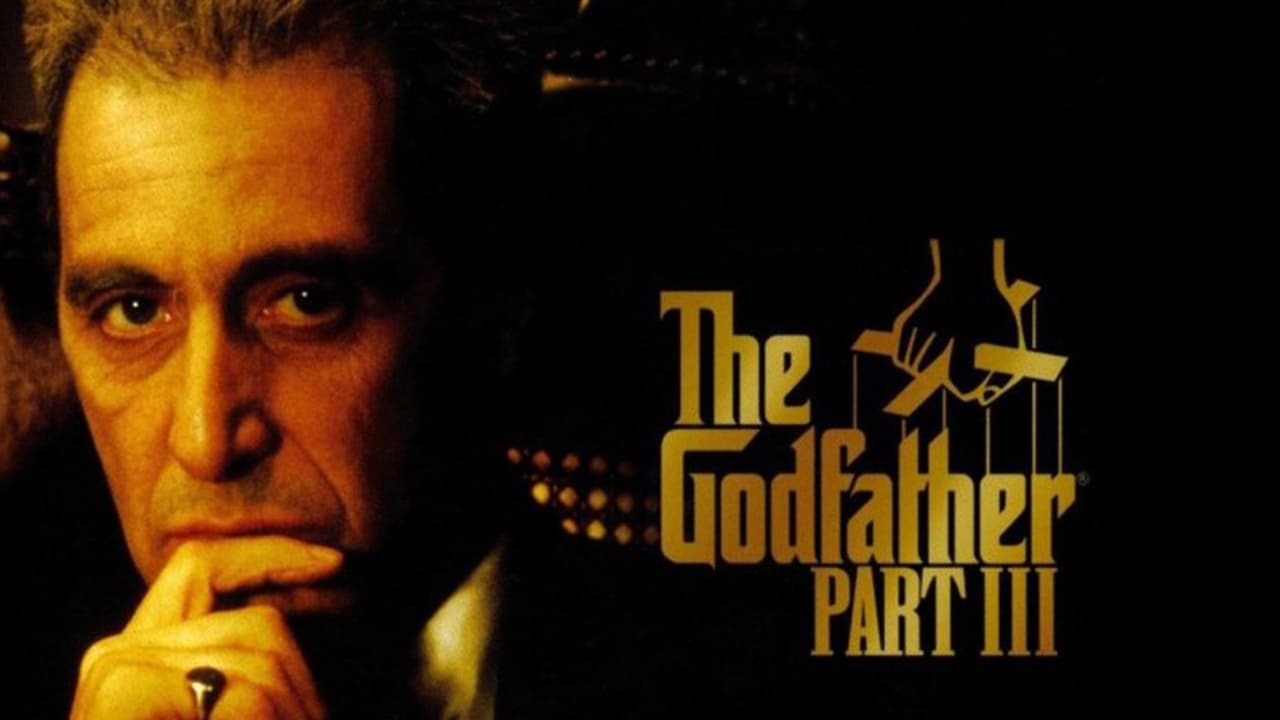
The Godfather Part III
"Just when he thought he was out, they pulled him back in."

The shadow of a giant is a cold place to stand. For sixteen years, the ghost of Michael Corleone’s past—and the cinematic perfection of the first two installments—loomed over Francis Ford Coppola like a debt that couldn't be settled. When The Godfather Part III finally arrived in late 1990, it didn’t just have to be a good movie; it had to be a miracle. It wasn't. But looking back at it now, through the lens of a "Coda" edit and three decades of distance, I’ve realized that being the weakest Godfather movie still makes you better than 90% of everything else on the shelf.
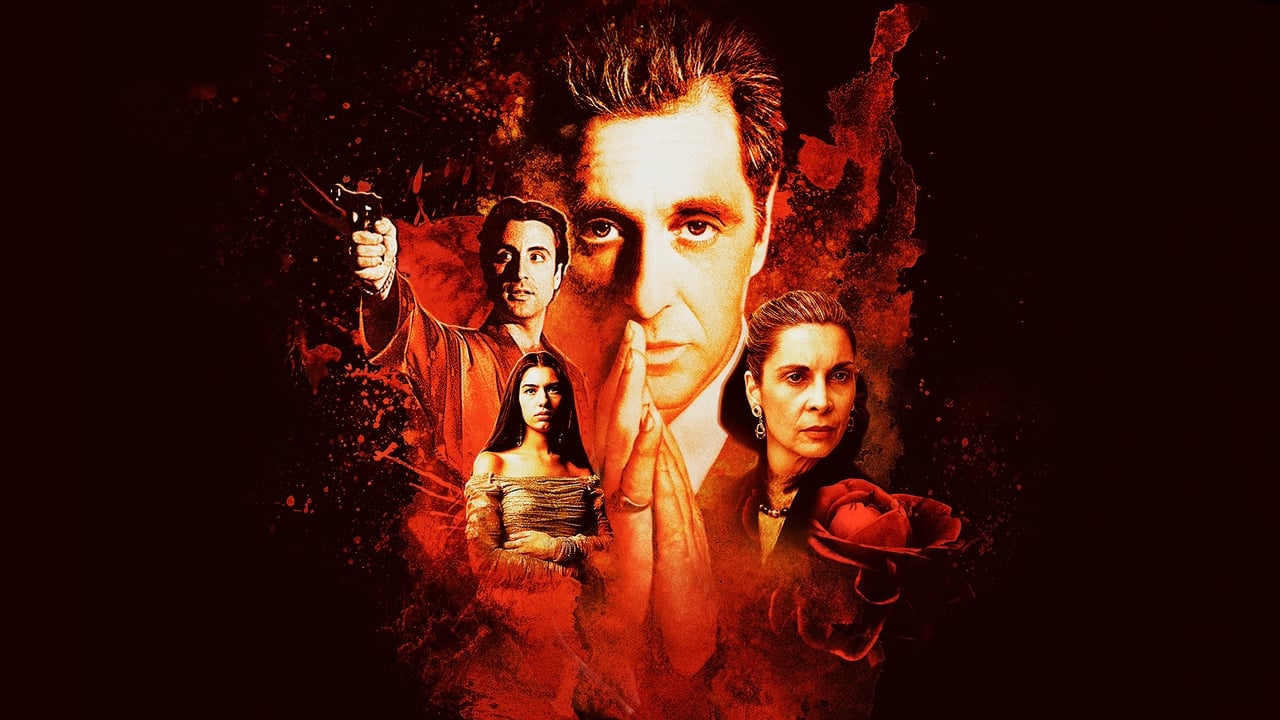
I re-watched this on a DVD I found at a garage sale where the previous owner had accidentally left a recipe for lasagna tucked inside the snap-case. The paper was yellowed and smelled faintly of anise, which, frankly, is the most appropriate sensory accompaniment for a film so obsessed with Italian heritage and the rot hidden beneath the Sunday dinner.
The Ghost of Tom Hagen
The most immediate "what if" that haunts this film is the absence of Robert Duvall. Because the studio wouldn't meet his salary demands, the character of Tom Hagen was unceremoniously killed off-screen. It’s a wound the movie never quite heals from. Instead, we get George Hamilton as a slick "legitimate" lawyer, but he lacks that brotherly friction Duvall brought to the table.
Without Hagen, Al Pacino's Michael Corleone is adrift. This isn't the cold, shark-eyed assassin of Part II. He’s older, his hair is a military-short bristle, and he’s desperately trying to buy his way into heaven through the Vatican bank. Pacino gives a performance that feels like a bridge between his quiet 70s work and the "shouting era" that would define his later career. There’s a scene where he confesses his sins to a cardinal—specifically the murder of his brother Fredo—and the way his voice cracks makes you realize that the real villain of the Godfather trilogy was always Michael’s own memory.
A Spark of New Blood
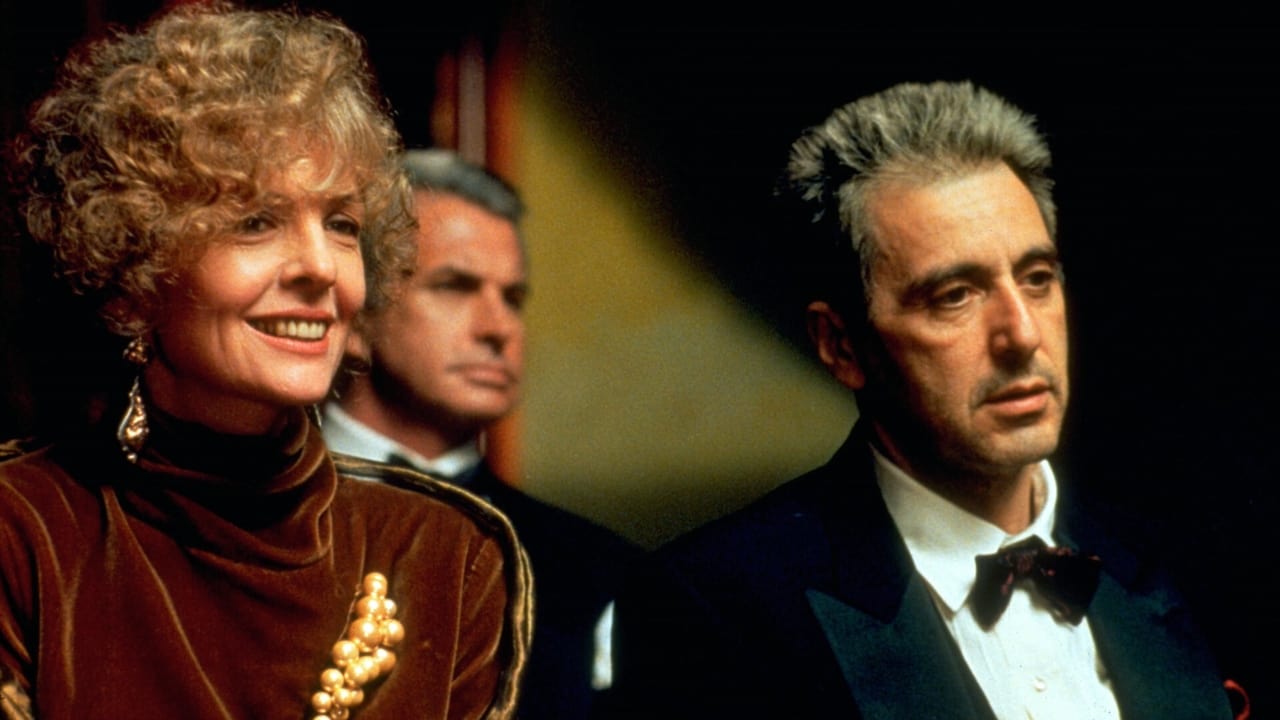
If the film feels heavy and somber, Andy Garcia is the adrenaline shot it needs. Playing Vincent Mancini, the illegitimate son of Sonny Corleone, Garcia captures that "bullet-headed" volatility that made James Caan so electric in the original. He’s the only one who seems to be having any fun in a movie otherwise draped in funeral black.
Then, there is the Sofia Coppola of it all. Cast at the last minute after Winona Ryder dropped out due to exhaustion, the director’s daughter became the lightning rod for every negative review the film received. Is she a seasoned actress? No. Is her delivery sometimes flatter than a communion wafer? Yes. But blaming a nineteen-year-old for the structural flaws of a fifty-million-dollar epic is a cheap shot. In retrospect, her amateurishness actually works to highlight Mary Corleone’s innocence. She’s the only thing in Michael’s world that isn't calculated or corrupt, which makes the operatic finale on the steps of the Teatro Massimo hit like a freight train.
The Oranges of Death
The film is soaked in the visual language of its predecessors. Carmine Coppola’s score (Francis's father) leans heavily into the nostalgic, mourning trumpets we know so well. We also see the return of the "death oranges." Throughout the trilogy, the appearance of an orange usually signals a looming demise. In Part III, the fruit is everywhere—on tables, in hands, rolling across the floor. It’s a bit on the nose, but it reinforces the idea that Michael is trapped in a loop of destiny he can't bribe his way out of.
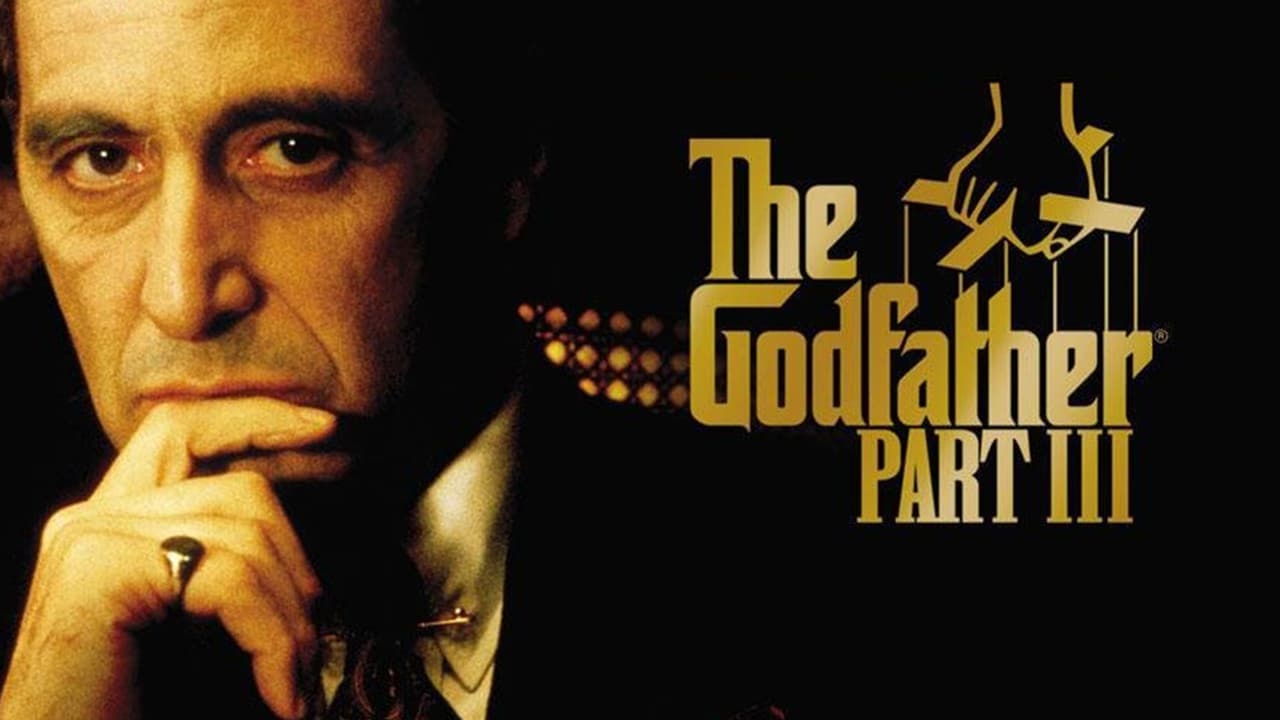
Interestingly, the film was a massive hit on the burgeoning DVD market in the early 2000s. People who felt let down in the theater found that the slow-burn pacing and the intricate Vatican plotting actually played better at home, where you could pause and digest the confusing financial web Michael was weaving with Eli Wallach’s treacherous Don Altobello.
Stuff You Didn't Notice
The Hair Factor: Al Pacino was reportedly very unhappy with the short haircut Coppola insisted on, feeling it made him look less like Michael Corleone and more like a different character entirely. The Real-Life Scandal: The plot involving the Vatican Bank and the death of Pope John Paul I was based on actual conspiracy theories and scandals surrounding the Banco Ambrosiano that were headline news in the early 80s. A Family Affair: Beyond Sofia and Carmine, Talia Shire (Coppola’s sister) finally gets something to do as Connie Corleone. She transforms into a terrifying, black-clad Lady Macbeth figure, and it’s arguably the best performance in the film. The Lost Prequel/Sequel: Coppola and Mario Puzo actually discussed a Part IV that would have intercut Vincent’s reign in the 80s with a young Sonny Corleone in the 30s, but Puzo’s death put an end to the idea. The "Coda" Version: In 2020, Coppola released a re-edited version titled The Godfather, Coda: The Death of Michael Corleone*. It tightens the beginning and changes the ending slightly, and it’s widely considered the superior way to watch the film.
The film is a tragedy in every sense—not just the story on screen, but the tragedy of a masterpiece that could never satisfy the world’s hunger for more. It’s messy, it’s occasionally over-acted, and it misses Robert Duvall in every frame. Yet, the final montage of Michael’s life fading into a lonely, sun-drenched silence in a Sicilian courtyard is a haunting, necessary end. It’s a reminder that even the most powerful men on earth eventually have to pay the bill. If you haven't seen it since the 90s, find the "Coda" cut and give it another look; you might find that it has aged better than we did.
Keep Exploring...
-
The Godfather Part II
1974
-
The Godfather
1972
-
The Rainmaker
1997
-
Carlito's Way
1993
-

Falling Down
1993
-
Natural Born Killers
1994
-

The Negotiator
1998
-
Road to Perdition
2002
-
The Life of David Gale
2003
-

Law Abiding Citizen
2009
-
American Psycho
2000
-
John Q
2002
-
21 Grams
2003
-

Lord of War
2005
-
Lucky Number Slevin
2006
-
The Next Three Days
2010
-
The Lincoln Lawyer
2011
-
End of Watch
2012
-
Nightcrawler
2014
-
Cape Fear
1991