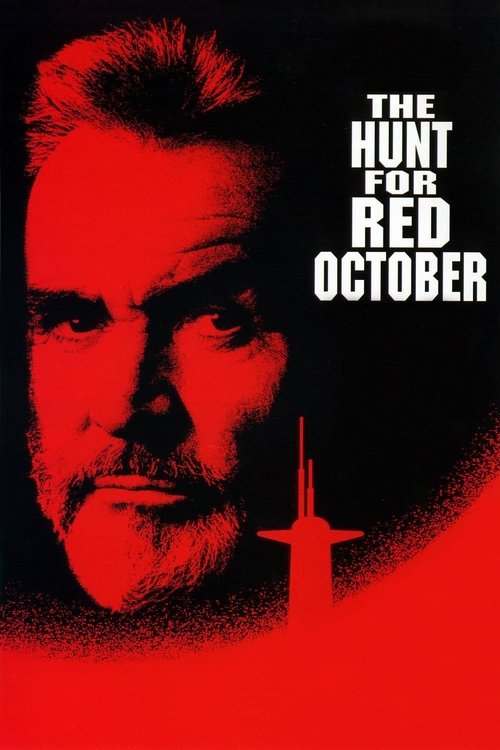
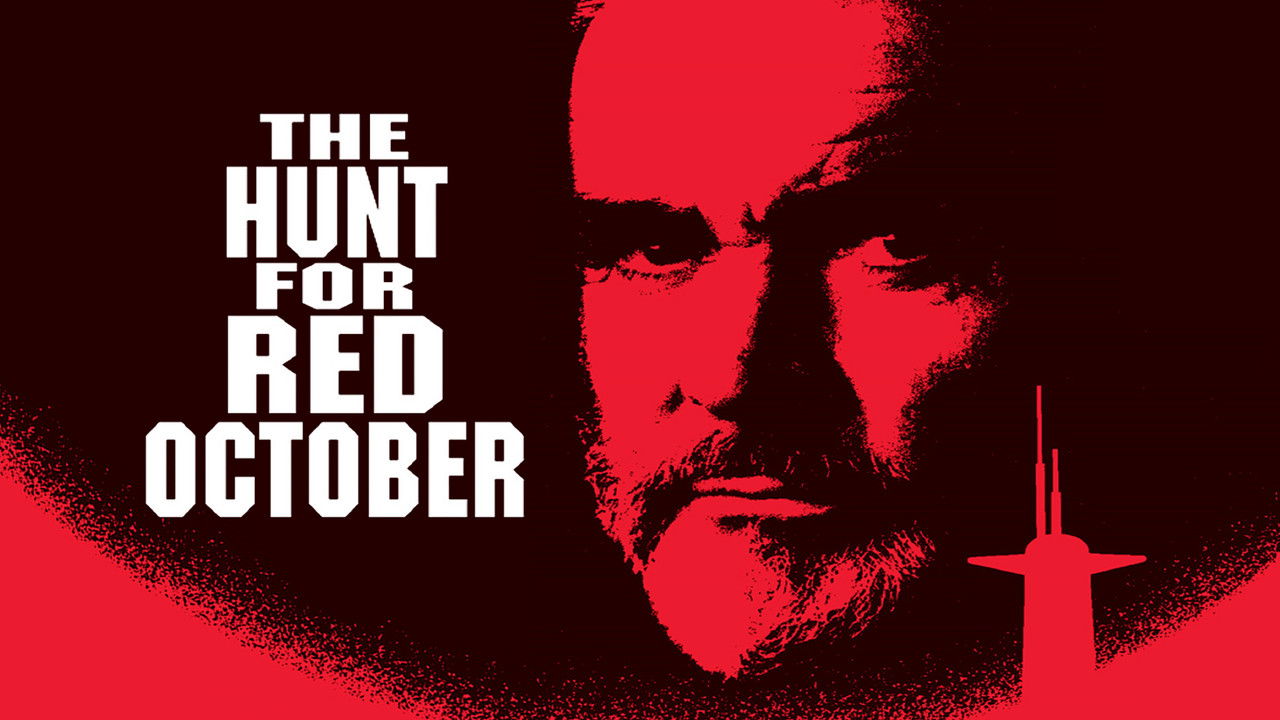
The Hunt for Red October
"The world's most dangerous game of hide-and-seek."
The most impressive trick in John McTiernan’s 1990 masterpiece isn't a massive explosion or a high-speed chase; it’s a slow-motion zoom into the mouth of a Soviet political officer. As he reads from the Book of Revelation, the Russian dialogue seamlessly shifts into English mid-sentence. It’s a bold, linguistic sleight of hand that tells the audience: "Stop reading subtitles and start paying attention to the pressure gauge."
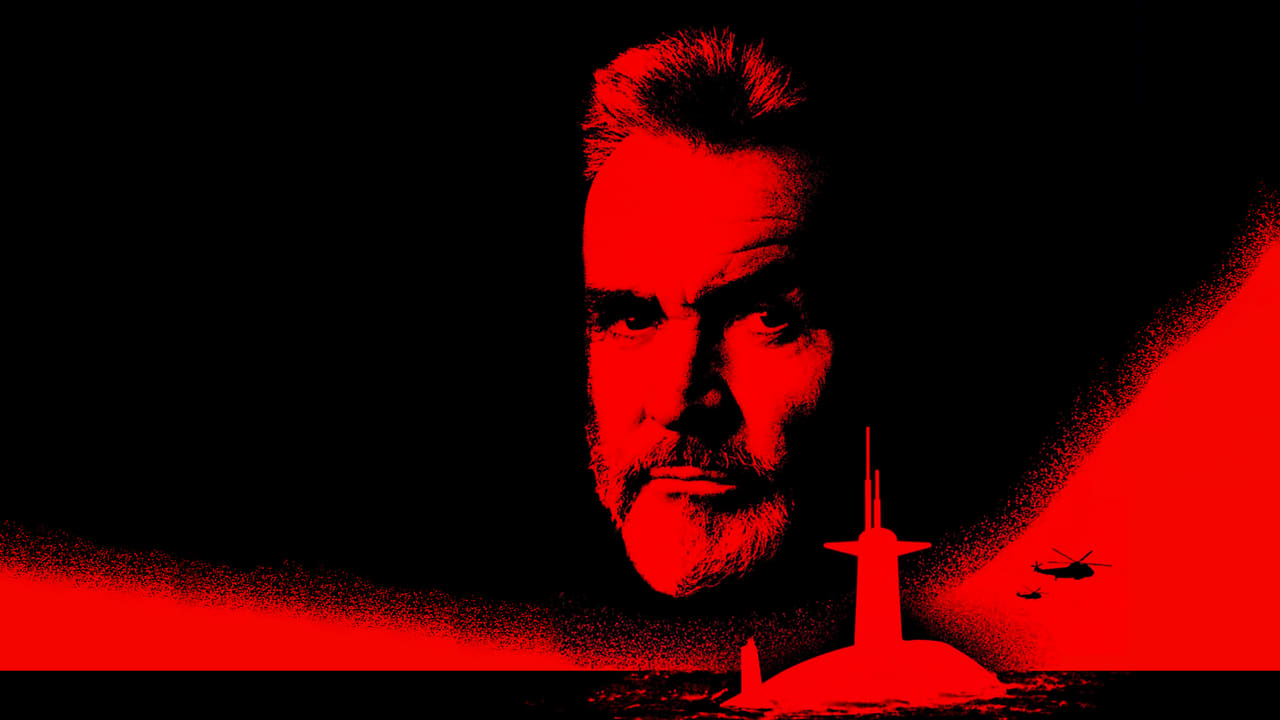
The Hunt for Red October arrived at a fascinating crossroads in cinema history. Released just as the Berlin Wall was crumbling, it served as the ultimate eulogy for the Cold War thriller. It’s a film that feels remarkably heavy—not just in its thematic weight, but in its physical presence. Looking back, this was the peak of the "tactical" blockbuster before the digital revolution turned every action sequence into a weightless CGI blur. When you see the massive hull of the Red October emerging from the mist, you don’t just see a model; you feel the displacement of millions of gallons of water.
The Art of the Deep-Sea Pressure Cooker
McTiernan, fresh off the high-octane success of Die Hard and Predator, traded the verticality of a skyscraper for the claustrophobic horizontal tubes of a Typhoon-class submarine. He and cinematographer Jan de Bont (who would later direct Speed) created a visual language for the deep. The Soviet subs are bathed in harsh, oppressive reds and sickly greens, while the American vessels feel clinical and blue. I watched this on a rainy Tuesday while nursing a cup of Earl Grey that went stone cold because I was too busy holding my breath during the torpedo evasion sequences.
The tension here isn't derived from how many people get shot, but from how many people are thinking. This is a thinking man’s action movie. The stakes are existential—total nuclear annihilation—yet the conflict is resolved through sonar readings, acoustic signatures, and the psychological profiling of a man who hasn't said a word to the Americans. Basil Poledouris's score, particularly the "Hymn to the Red October," adds a liturgical, almost tragic gravity to the proceedings. It’s one of the few action scores that feels like it belongs in a cathedral rather than a stadium.
A Hero Who Actually Reads Books
Before he became a tabloid fixture, Alec Baldwin gave us the definitive Jack Ryan. Later iterations by Harrison Ford, Ben Affleck, or Chris Pine would lean more into the "field agent" archetype, but Baldwin plays Ryan as a genuine academic who is visibly terrified of the world he’s been thrust into. Baldwin is the only Jack Ryan who actually feels like he’s ever read a book in his entire life, and his performance is a masterclass in nervous intellect.
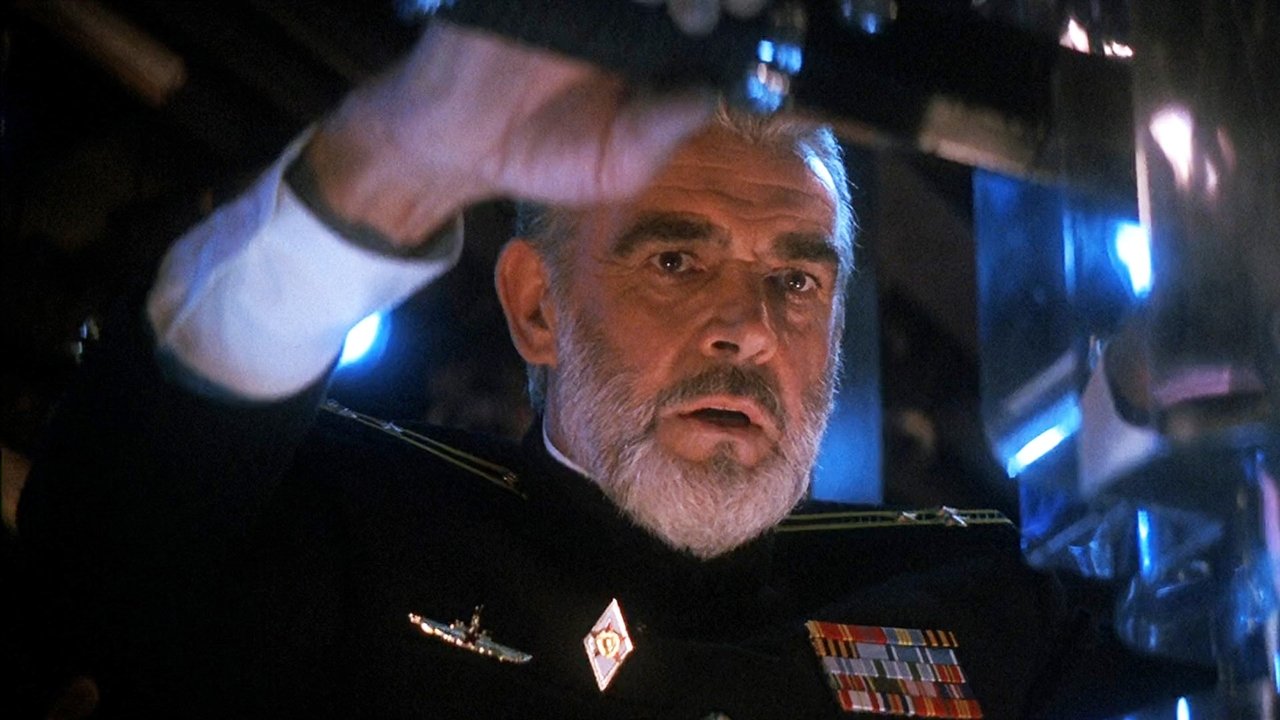
Opposite him is Sean Connery as Captain Marko Ramius. Connery famously didn't bother with a Russian accent—he’s Scottish, the sub is Russian, and we all just agree to move past it because his screen presence is so undeniable. He carries the film with a weary, mournful dignity. When he tells Sam Neill’s Borodin about his plan to live in Montana and "raise rabbits," it’s not played for sentimentality; it’s the quiet desperation of a man who has spent his life in a metal tube carrying the end of the world on his shoulders.
The Practical Peak of the Blockbuster Era
The production of Red October was a massive undertaking that showcased the height of late-analog filmmaking. The "Caterpillar Drive" sound—the silent propulsion system that drives the plot—wasn't some digital synth patch; the sound team spent weeks recording diverse noises, including the sound of a cooling fan in a computer. The submarines themselves were massive miniatures (some up to 25 feet long) filmed in smoke-filled rooms to simulate the density of water. It’s a technique that provides a grit and "lived-in" texture that modern digital water effects still struggle to replicate.
The film was a juggernaut, raking in over $200 million on a $30 million budget. It proved that audiences were hungry for a "techno-thriller" that didn't insult their intelligence. It also launched a franchise that would span decades, though none would ever quite capture this specific blend of Cold War dread and naval procedural. The sonar guy, Jonesy, is the secret protagonist of the film, and everyone else is just a supporting character in his acoustic world. Without his ears, the world ends; it’s a refreshing take on the "expert" trope that 90s cinema would eventually run into the ground.
The Hunt for Red October remains the gold standard for the submarine sub-genre. It manages to be both a massive, crowd-pleasing blockbuster and a tense, character-driven drama that respects the audience's ability to follow complex tactical maneuvers. It’s a dark, intense, and deeply rewarding film that serves as a reminder of a time when the "big movie" of the summer could be about the silence between the pings of a sonar. If you haven't revisited this one lately, turn the lights down, crank the sound up, and prepare to dive.

Keep Exploring...
-
Patriot Games
1992
-
Clear and Present Danger
1994
-
Die Hard: With a Vengeance
1995
-
Die Hard
1988
-
The Rock
1996
-
The Fugitive
1993
-

Speed
1994
-

Predator
1987
-
Terminator 2: Judgment Day
1991
-
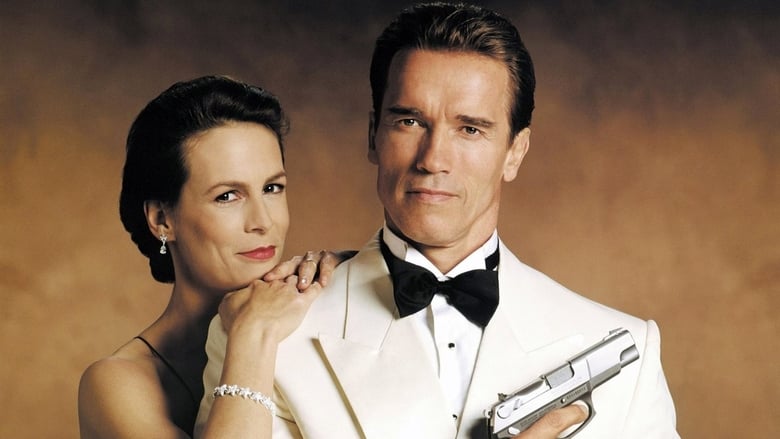
True Lies
1994
-
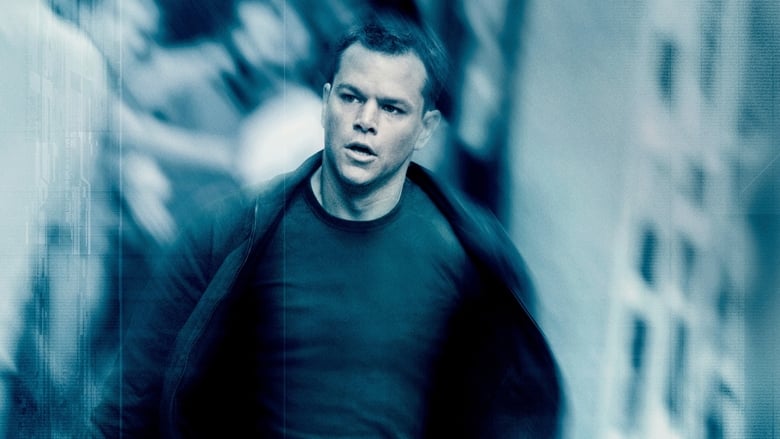
The Bourne Ultimatum
2007
-
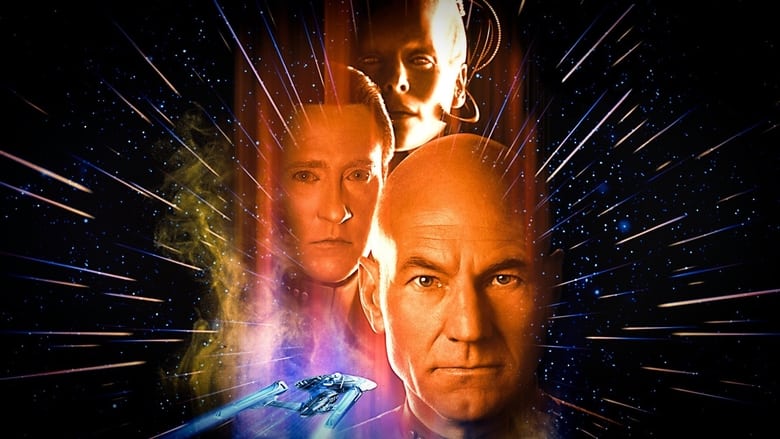
Star Trek: First Contact
1996
-
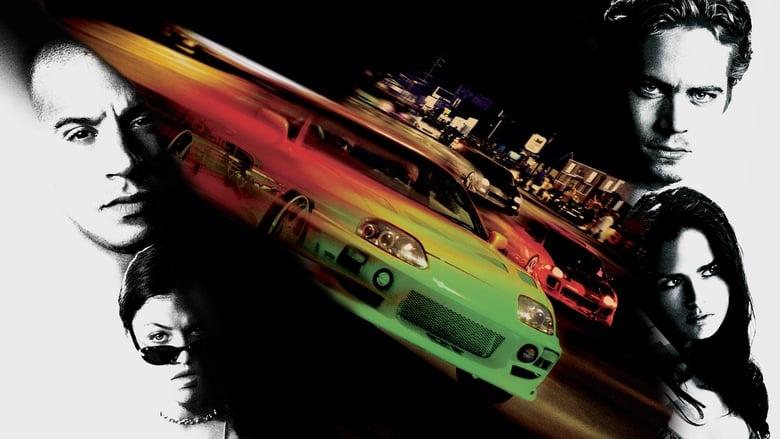
The Fast and the Furious
2001
-

Kill Bill: Vol. 2
2004
-
The Maze Runner
2014
-
Point Break
1991
-

Star Trek VI: The Undiscovered Country
1991
-

Bound by Honor
1993
-

The Crow
1994
-
Mission: Impossible
1996