The Rescuers Down Under
"The Disney Renaissance’s forgotten masterpiece of high-altitude adventure."
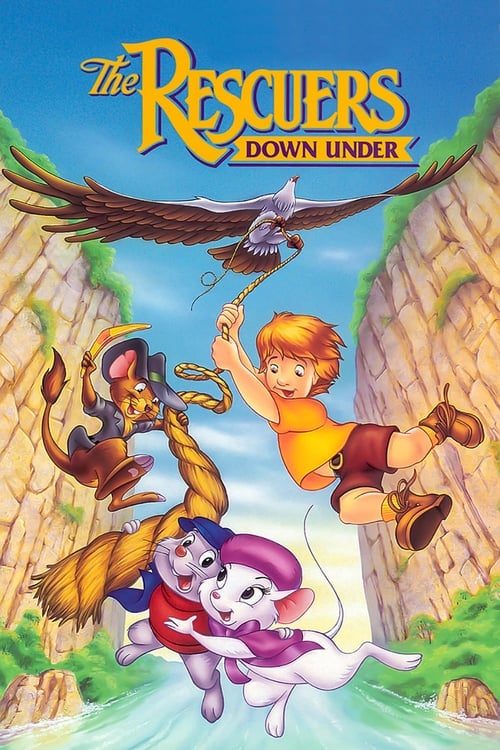
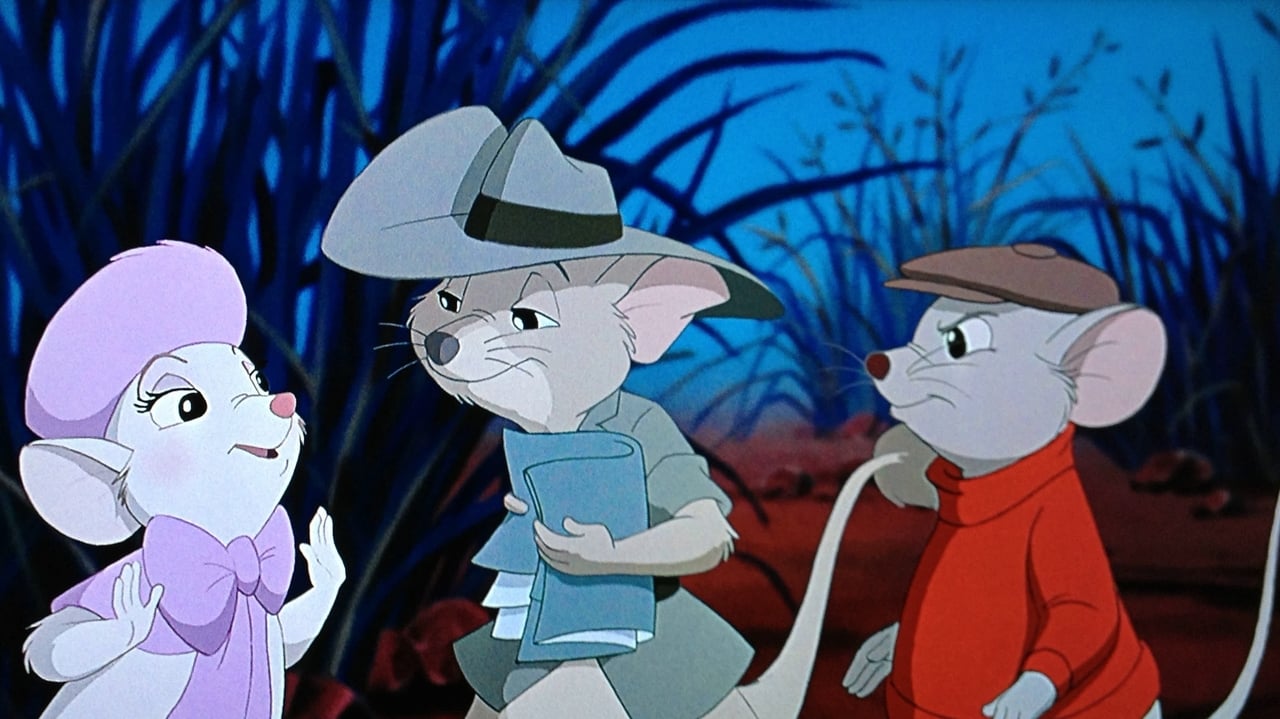
The 1990s began with a roar for Disney, but while everyone was busy losing their minds over a mermaid and a beast, a pair of tiny mice quietly hopped a flight to Australia and changed the face of animation forever. I’m not exaggerating. The first time you see the golden eagle, Marahute, swoop down over the edge of a cliff to catch a falling boy, you aren't just watching a "cartoon." You’re witnessing the exact moment hand-drawn art shook hands with the digital future. It’s a sequence that still gives me goosebumps, even if I watched this latest viewing while wearing a spectacularly itchy wool sweater that made me feel like I was crawling with Joanna the Goanna’s fleas.
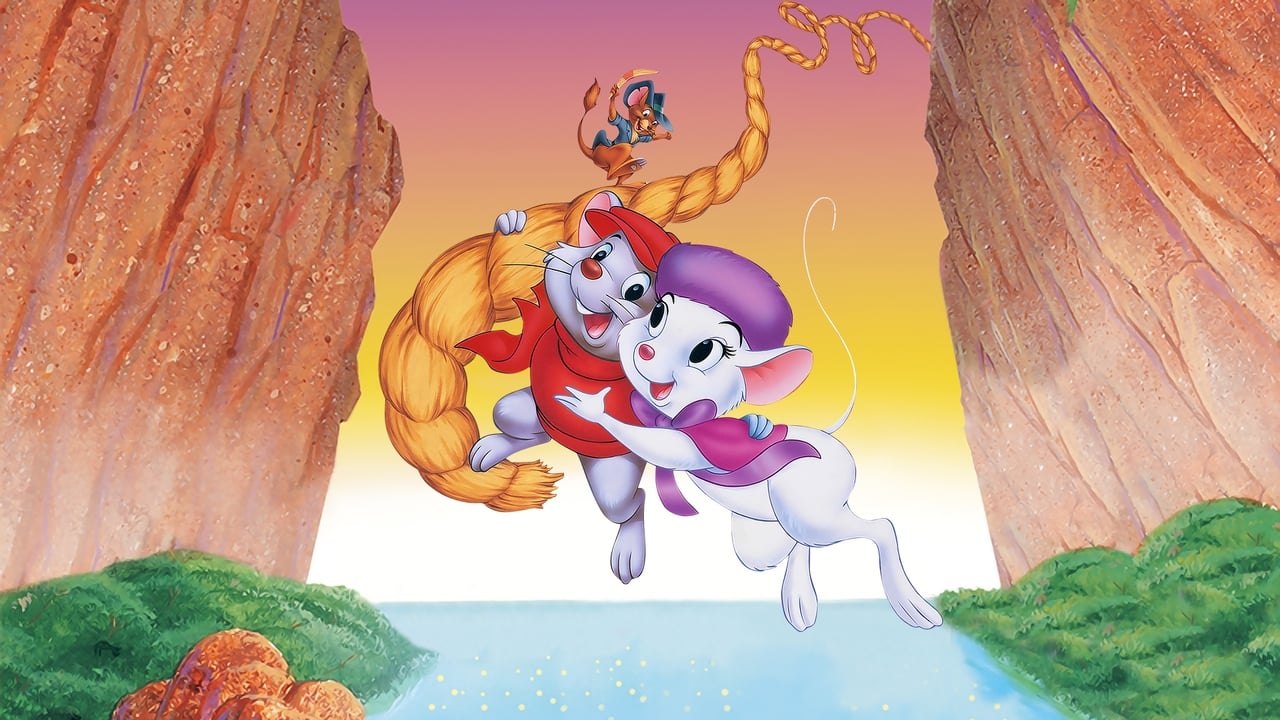
The Digital Dawn in the Outback
Most people associate the "Disney Renaissance" with Broadway-style showstoppers and Alan Menken scores. The Rescuers Down Under is the odd duck in that pond because it has zero songs. Not one. Instead, it functions as a high-octane adventure film that happens to be animated. It was also a massive technical gamble. This was the first feature film to be entirely digital—not CGI in the Toy Story sense, but the first to use the Computer Animation Production System (CAPS).
Looking back, the jump in quality from the 1977 original is jarring. Gone are the scratchy Xerox lines of the 1970s; in their place is a lush, painterly depth that makes the Australian Outback feel infinite. When Mike Gabriel and Hendel Butoy (the directors) take the camera into the clouds, the sense of scale is legitimate. I’ve always felt that the "adventure" in adventure movies is often hampered by the physical limits of a camera, but here, the "lens" is free to dive into canyons and soar over waterfalls in a way that felt like a precursor to the sweeping shots we’d eventually see in The Lord of the Rings.
A Sociopath with a Giant Tank
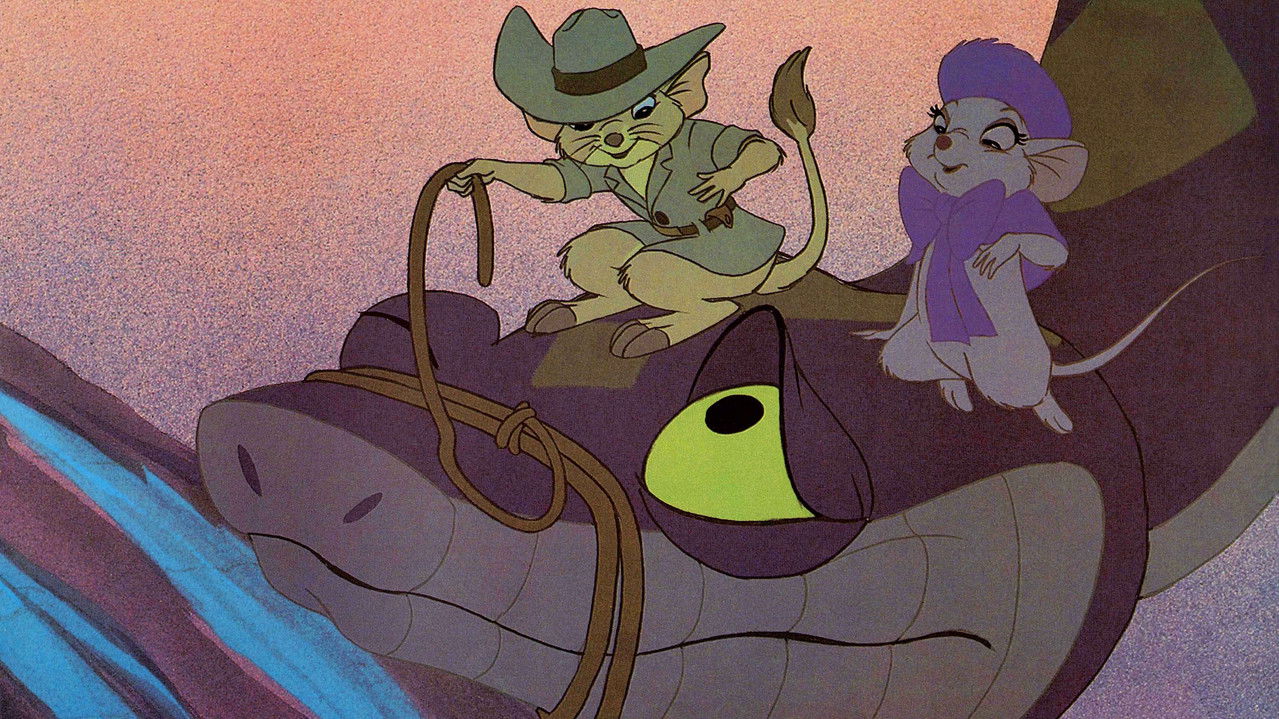
Every great adventure needs a foil, and I’m just going to say it: George C. Scott as Percival McLeach is terrifying. He doesn't have magical powers or a catchy villain song. He’s just a cruel, greedy man with a really big knife and a pre-historic looking "bushwhacker" tank. McLeach is arguably the most underrated Disney villain because he’s just a realistic sociopath with a pet monitor lizard. His chemistry—or lack thereof—with his bumbling lizard sidekick, Joanna, provides the film’s best dark comedy.
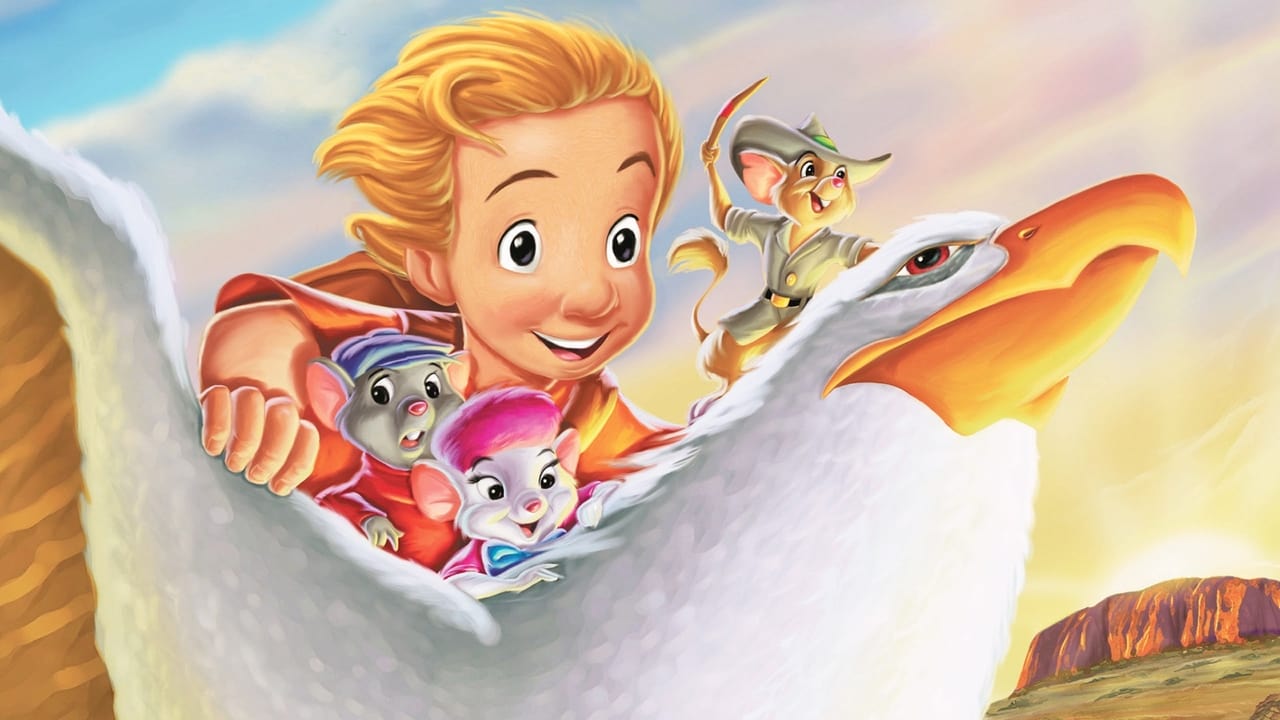
On the heroic side, the late Eva Gabor and Bob Newhart return as Miss Bianca and Bernard. There’s something so comforting about Bob Newhart’s signature stammering delivery. It grounds the fantastical stakes in something human. They are joined by John Candy as Wilbur, the albatross, who had the unenviable task of replacing the original film’s Jim Jordan (Orville). John Candy brings that frantic, sweaty energy he perfected in Planes, Trains and Automobiles, and his scenes in the "mouse hospital" are a masterclass in physical comedy that actually holds up better than some of the more saccharine moments in the film.
The Home Alone Casualty
So, why don't we talk about this movie as much as Aladdin or The Lion King? It boils down to one of the most brutal box office stories in Disney history. It opened the same weekend as Home Alone in November 1990. When the early numbers showed that Kevin McCallister was absolutely crushing the mice, Jeffrey Katzenberg famously panicked and pulled all television advertising for The Rescuers Down Under. It was essentially orphaned by its own studio within 48 hours.
Because of that, it’s become a "hidden gem" by default. It exists in this transitionary pocket of cinema where Disney was experimenting with what an animated film could be before they settled into the "Princess Musical" formula. It feels more like an Indiana Jones flick than a fairy tale. The screenplay, co-written by Joe Ranft (who would go on to be a titan at Pixar), prioritizes visual storytelling over dialogue. The first ten minutes of the film are practically a silent movie, relying on Bruce Broughton’s sweeping, brassy score and the sheer artistry of the characters' movements to tell the story of Cody (Adam Ryen) and his bond with the eagle.

It’s rare to find a sequel that so thoroughly outclasses its predecessor in terms of scope and ambition. While the plot is a fairly straightforward rescue mission, the execution is breathtaking. It’s a film that respects the "Adventure" genre’s requirement for genuine peril and awe-inspiring vistas. If you’ve only ever seen the "Big Four" of the Renaissance, do yourself a favor and track this one down. It’s a 77-minute shot of pure adrenaline that reminds you why we started drawing these stories in the first place.
The film serves as a beautiful bridge between the old guard of hand-drawn mastery and the digital revolution that was just around the corner. It captures a specific moment in the early 90s when the possibilities of the screen felt like they were expanding alongside the technology. Even decades later, that final flight over the outback feels just as soaring and liberated as it did on day one. It’s the kind of movie that makes you want to go outside and find your own mountain to climb—just maybe without the itchy sweater.
Keep Exploring...
-
The Rescuers
1977
-
James and the Giant Peach
1996
-

Pocahontas
1995
-
DuckTales: The Movie - Treasure of the Lost Lamp
1990
-

The Swan Princess
1994
-
Tinker Bell
2008
-

The Ant Bully
2006
-
Shrek the Halls
2007
-
Tinker Bell and the Lost Treasure
2009
-
Tinker Bell and the Great Fairy Rescue
2010
-
A Monster in Paris
2011
-

Secret of the Wings
2012
-

Aladdin
1992
-
A Goofy Movie
1995
-

Fantasia 2000
2000
-
The Road to El Dorado
2000
-
Jimmy Neutron: Boy Genius
2001
-

The SpongeBob SquarePants Movie
2004
-
Anastasia
1997
-
Hercules
1997