The Witches
"Check the hairline before you trust the smile."
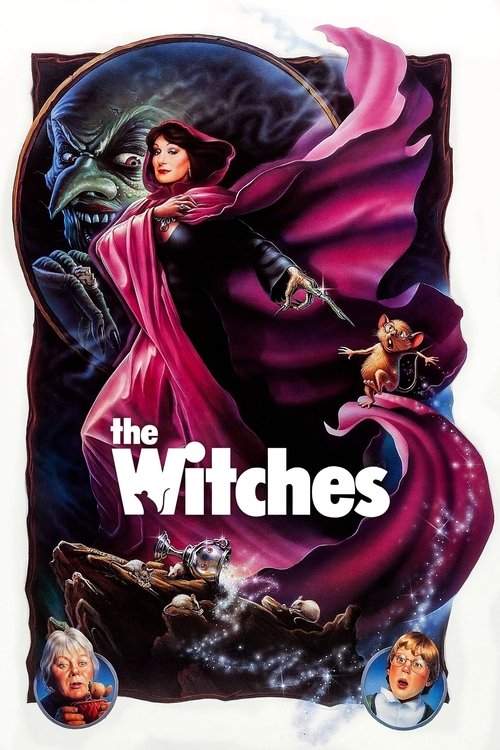
I spent a significant portion of my third-grade year staring at my teacher’s scalp, looking for the tell-tale ridge of a "first-class wig." I wasn't a weird kid—well, maybe a little—but I had just seen Nicolas Roeg’s adaptation of The Witches, and I was convinced the faculty lounge was actually a nest of child-hating demons. This is a film that doesn’t just entertain children; it actively antagonizes them. It’s a beautifully grotesque piece of family-friendly body horror that feels like it shouldn't exist in a post-safety-standard world.
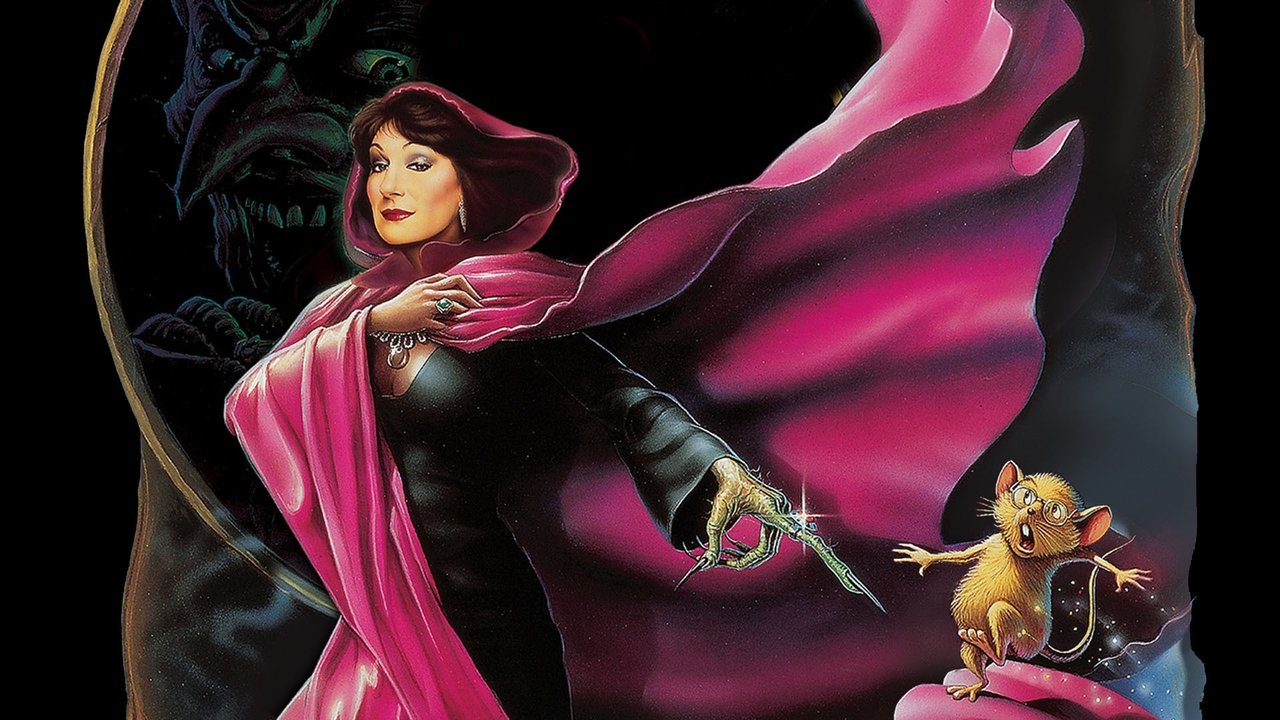
Rewatching it recently, while nursing a lukewarm cup of Earl Grey that had a fly floating in it (which I didn't notice until the last sip), I realized that The Witches is the perfect bridge between the gritty, practical-effects era of the 80s and the slicker, studio-mandated polish of the 90s. It’s a film where the "magic" feels heavy, dirty, and dangerous.
The Roeg Gallery of Horrors
Most people know Nicolas Roeg for Don’t Look Now or The Man Who Fell to Earth—films that deal with grief, alienation, and non-linear trauma. Hiring him to direct a Roald Dahl adaptation is like hiring David Cronenberg to direct an episode of Sesame Street. It’s an inspired, chaotic choice. Roeg brings a Dutch-angle, wide-lens fever dream energy to the English seaside. Everything feels slightly "off," from the way the hotel guests stare to the oppressive, floral wallpaper of the Headland Hotel.
The plot is deceptively simple: Luke (Jasen Fisher) and his grandmother Helga (Mai Zetterling) go on vacation to Cornwall. Helga, a retired witch-hunter who smokes cigars like a noir detective, warns Luke about the "Real Witches" who hide among us. Naturally, they end up at the same hotel as the Royal Society for the Prevention of Cruelty to Children, which is actually a front for an international witch convention.
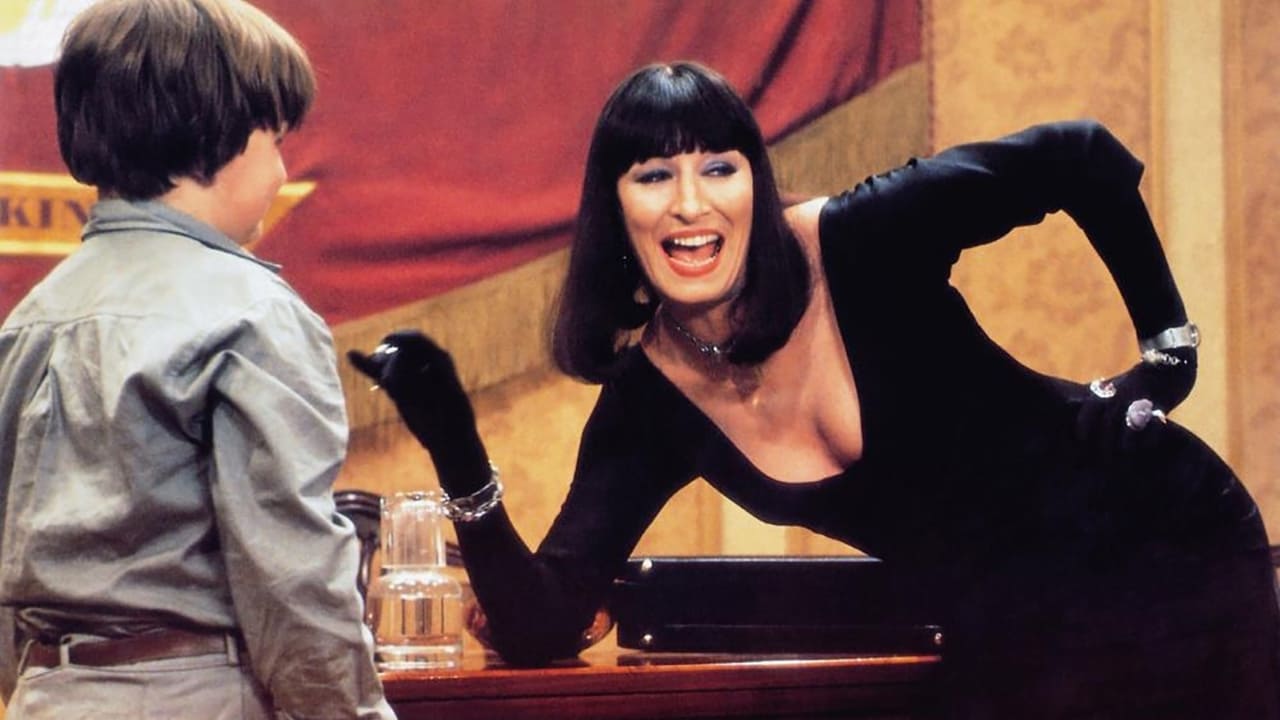
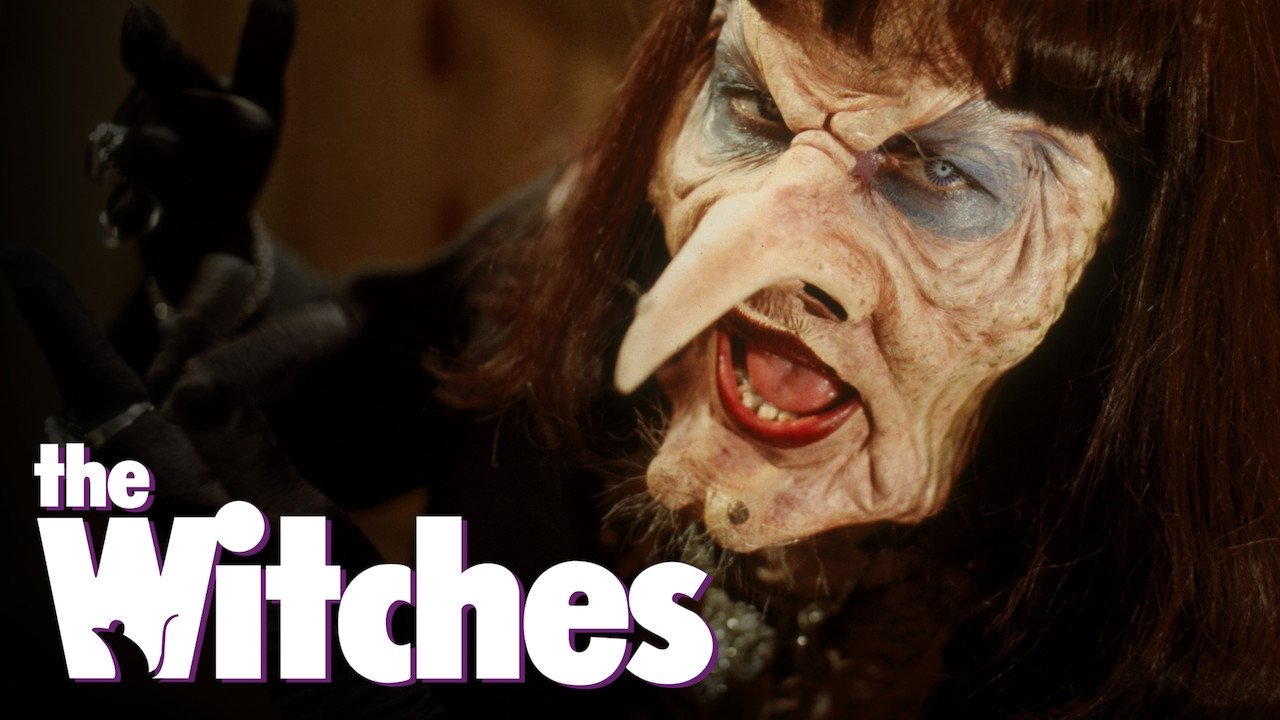
Then there’s Anjelica Huston. Anjelica Huston’s Grand High Witch is essentially what would happen if a Vogue editor was possessed by a demon from a medieval woodcut. She is magnificent. When she peels off her "human" face to reveal a hooked nose, rotting skin, and a pulsating throat, it’s a triumph of practical makeup. It’s the kind of reveal that modern CGI simply cannot replicate because you can feel the latex and the slime. It’s tactile. It’s gross. It’s perfect.
Practical Magic and Mouse-Capades
Before the industry decided that every talking animal needed to be a pixelated mess, we had Jim Henson. This was one of the last projects Jim Henson personally supervised before his death, and his creature shop went for broke. When Luke and the gluttonous Bruno Jenkins (Charlie Potter) are turned into mice, the film shifts into a frantic, rodent-level heist movie.
The animatronic mice are surprisingly expressive, managing to convey more pathos than most of the human adults in the film. Speaking of adults, the cast is rounded out by Bill Paterson and a wonderfully bumbling Rowan Atkinson (just as Mr. Bean was starting to take off). The parents in this movie have the collective survival instincts of a box of wet ham, which only heightens the tension. You realize that Luke and his grandmother are truly on their own.
Looking back, the film’s use of scale is its secret weapon. Roeg uses oversized sets and clever camera placements to make the hotel kitchen feel like a cavernous, terrifying dungeon. It’s a masterstroke of analog filmmaking that forces the audience to share the physical vulnerability of the protagonists.

The Ending That Sparked a Feud
It’s impossible to discuss The Witches without mentioning the ending. Roald Dahl famously hated it—so much so that he reportedly stood outside cinemas with a megaphone telling people not to go in. In the book, the ending is bittersweet and haunting; in the film, the studio demanded something more "Hollywood."
Does the change ruin the movie? Not really. While the original ending would have cemented it as a pitch-black masterpiece, the film we got is still remarkably dark for a "Family/Horror" title. It captures the Y2K-adjacent transition of cinema, where practical ingenuity was still the king, but the pressure for happy, marketable resolutions was beginning to tighten its grip. It’s an oddity that was a modest box office success but grew into a cult legend through the magic of the VHS rental market.
If you only know the 2020 remake, please do yourself a favor and find this 1990 version. It’s a reminder of a time when children’s movies weren't afraid to be genuinely repulsive and weird. It’s a film that respects a child’s ability to handle fear, wrapped in some of the finest makeup work of the 20th century. Just maybe check your tea for flies before you sit down to watch it.

Keep Exploring...
-

DuckTales: The Movie - Treasure of the Lost Lamp
1990
-
The Rescuers Down Under
1990
-

The Muppet Christmas Carol
1992
-
The Secret Garden
1993
-
New Nightmare
1994
-

The Swan Princess
1994
-
A Little Princess
1995
-
Tinker Bell and the Lost Treasure
2009
-
Tinker Bell
2008
-

Miracle on 34th Street
1994
-
James and the Giant Peach
1996
-
The Craft
1996
-
Vampires
1998
-
Stigmata
1999
-

Ginger Snaps
2001
-

Ella Enchanted
2004
-
Aquamarine
2006
-
Inland Empire
2006
-
The Water Horse
2007
-

The Midnight Meat Train
2008