Backdraft
"When the smoke clears, the fire still breathes."
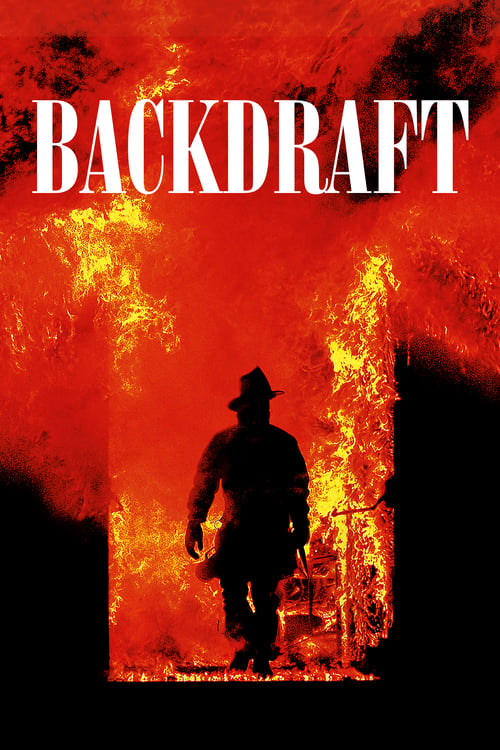
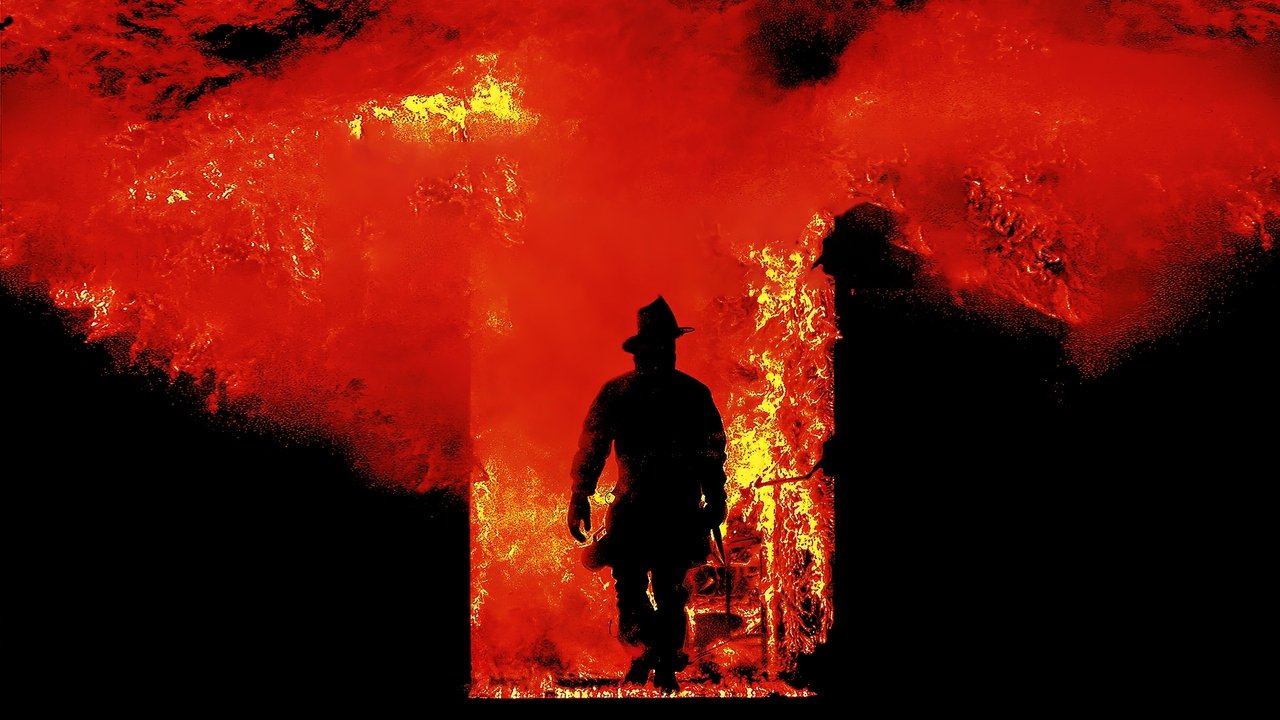
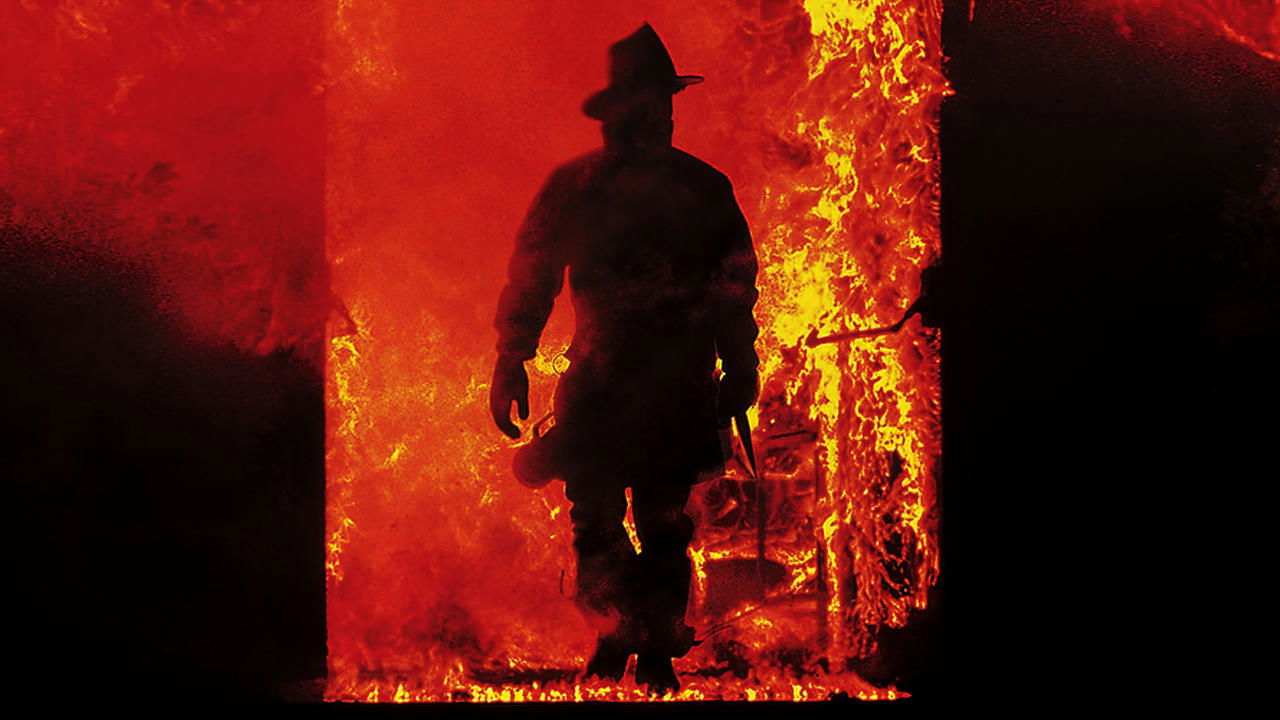
The first time you see the fire in Backdraft, it doesn’t look like a chemical reaction. It looks like a predator. It creeps under doors, peeks through keyholes, and then, with a hungry roar, it lunges. Director Ron Howard (who would later give us the much cleaner Apollo 13) decided that fire shouldn't just be a background hazard in this 1991 flick; it should be the primary antagonist. He treats the flames with the same eerie, sentient malice that Steven Spielberg gave the shark in Jaws.
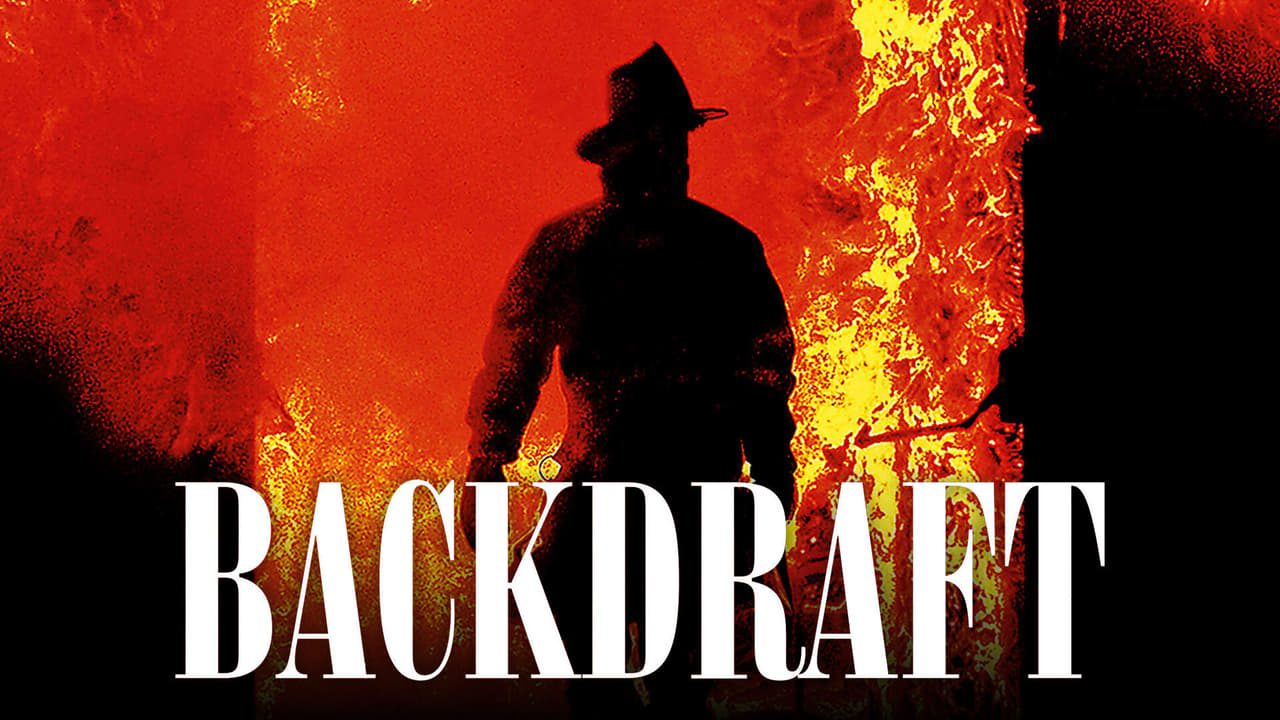
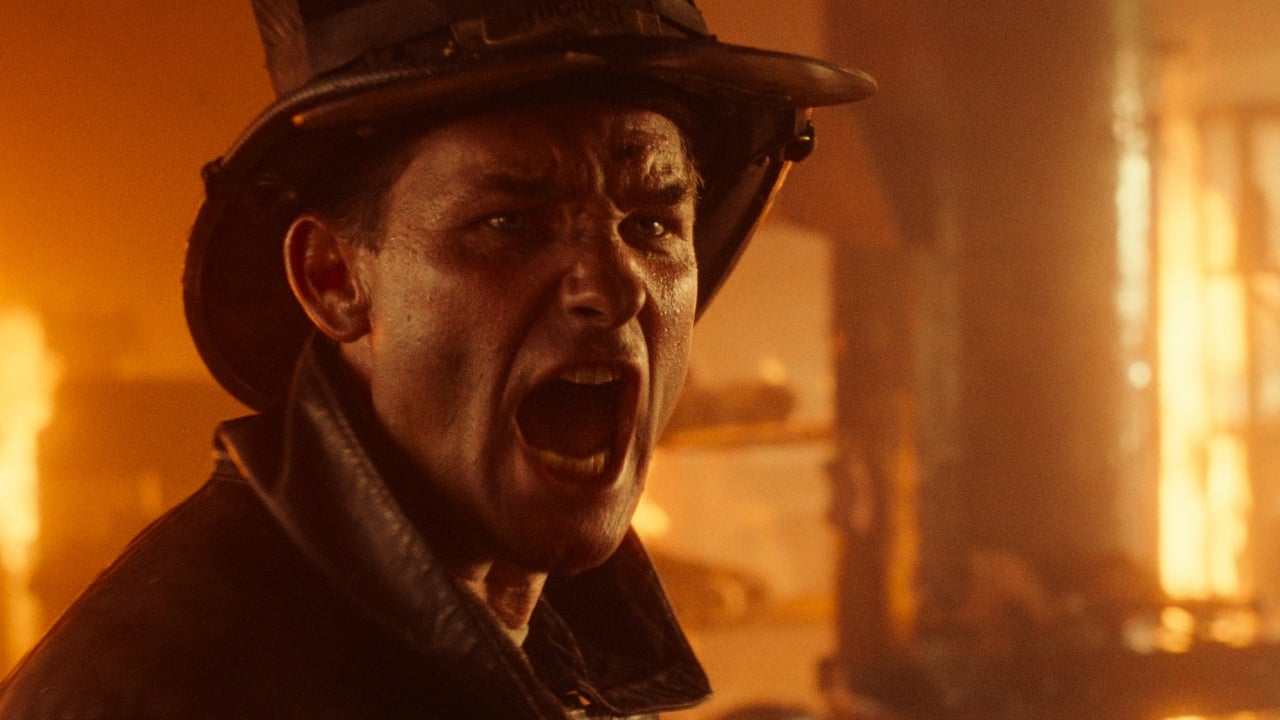
I revisited this on a rainy Tuesday while eating a bowl of lukewarm chili, and I realized that the flickering light from my TV was almost as heat-soaked as the screen itself. There’s a physical weight to this movie that modern digital effects simply cannot replicate. In 1991, if you wanted a hallway to explode, you actually blew up a hallway. You can see it in the actors' eyes—that isn't "acting like I'm hot" sweat; that’s "I am currently three feet away from a controlled inferno" sweat.
The Fire is a Monster
The plot follows the McCaffrey brothers, played by Kurt Russell and William Baldwin. They are legacy firefighters in Chicago, haunted by the death of their father and locked in a sibling rivalry that involves a lot of shouting in soot-covered bunkers. While the brotherly drama is fine, the real draw is how Ron Howard and cinematographer Mikael Salomon (who directed the underwater sequences in The Abyss) capture the "beast."
Before the CGI revolution of the mid-90s took hold, Backdraft represented the absolute pinnacle of practical pyrotechnics. They used a combination of "fire-in-a-box" rigs and chemical additives to make the flames different colors—ghastly greens and deep, bruised purples. It creates an atmosphere that feels suffocating. This movie is basically 'Top Gun' but with more soot and fewer volleyballs. It’s high-octane, hero-worship cinema, but it’s anchored by the terrifying reality that the sets were actually melting around the cast.
There’s a specific stunt involving a floor collapsing that still makes my stomach drop. Unlike today’s Marvel movies where you know the actor is hanging from a wire in front of a green screen, here you see Kurt Russell—who insisted on doing many of his own stunts—dangling over genuine, wood-eating heat. It gives the action a bone-rattling consequence that feels rare nowadays.
Brotherly Heat and Sooty Shouting
The human element is a bit of a mixed bag, but in an endearing, 90s-blockbuster way. Kurt Russell is the "bull" of the firehouse, sporting a jawline that could cut glass and a haircut that is undeniably legendary. He’s the veteran who thinks he can out-think the fire. On the other side, you have William Baldwin as the rookie brother. I’ll be honest: the fire is a more expressive actor than William Baldwin, but he fills the "sensitive younger brother" role well enough to keep the stakes moving.
The real scene-stealers, however, are the weirdos on the periphery. Robert De Niro shows up as Donald "Shadow" Rimgale, an arson investigator who treats every burnt match like a crime scene in Heat. But the absolute gold medal for "Most Unsettling Performance in a Firefighter Movie" goes to Donald Sutherland. He plays Ronald, an imprisoned arsonist who is basically the Hannibal Lecter of matches. His monologue about what fire "wants" is chilling. It’s a reminder that even in a big, loud action movie, a quiet scene with a great character actor can be the most memorable part.
The Last Hurrah of Real Heat
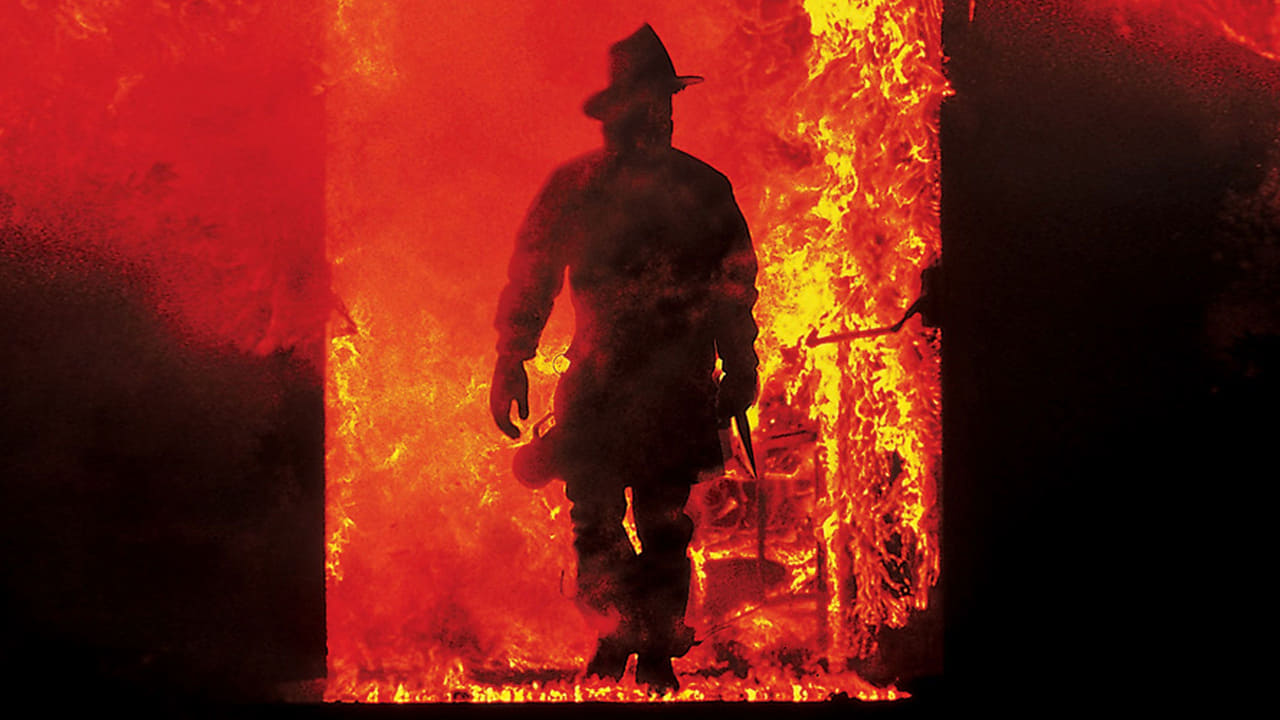
What strikes me most looking back is the sound design. Hans Zimmer provides the score, and while it’s got that heroic brass you’d expect, it’s the foley work that does the heavy lifting. The fire doesn't just crackle; it growls, hisses, and breathes. It sounds like a living thing. When a backdraft actually occurs—that moment where oxygen hits a vacuum-sealed fire and the world turns into a pressurized bomb—the sound hits you in the chest.
Backdraft occupies a strange space in cinema history. It was a massive hit that spawned a long-running stunt show at Universal Studios, yet it’s rarely mentioned in the same breath as the decade's other heavy hitters like Terminator 2 or The Fugitive. Maybe it’s because the "arson mystery" plot is a little convoluted, or maybe because the 90s melodrama feels a bit thick by today's standards. But for my money, it remains the definitive "fire movie."
It’s a time capsule of an era where Hollywood still believed in the power of the "Big Practical Set." There is a soul in the flickering orange light of this film that no computer algorithm has managed to duplicate. It makes you want to check your smoke detector batteries the moment the credits roll.
If you’re looking for a thrill that feels tangible, Backdraft is a masterclass in staging chaos. It’s loud, it’s sweaty, and it features Kurt Russell at the absolute height of his rugged-hero powers. While the mystery might not keep you guessing forever, the sight of a 40-foot wall of flame chasing a fire truck down a Chicago street is the kind of cinematic spectacle that never truly goes out of style. Turn the lights down, find the biggest screen you can, and prepare to feel the heat.
Keep Exploring...
-
Breakdown
1997
-
Executive Decision
1996
-

Double Impact
1991
-

Hackers
1995
-
The Siege
1998
-
Payback
1999
-
Basic
2003
-
The Hunted
2003
-
The Score
2001
-

Domino
2005
-
Undisputed II: Last Man Standing
2006
-
United 93
2006
-
Street Kings
2008
-
Takers
2010
-
Batman: Year One
2011
-

Get the Gringo
2012
-
Dead Man Down
2013
-

The Negotiator
1998
-
Patriot Games
1992
-
In the Line of Fire
1993