Barton Fink
"The life of the mind comes with a high body count."
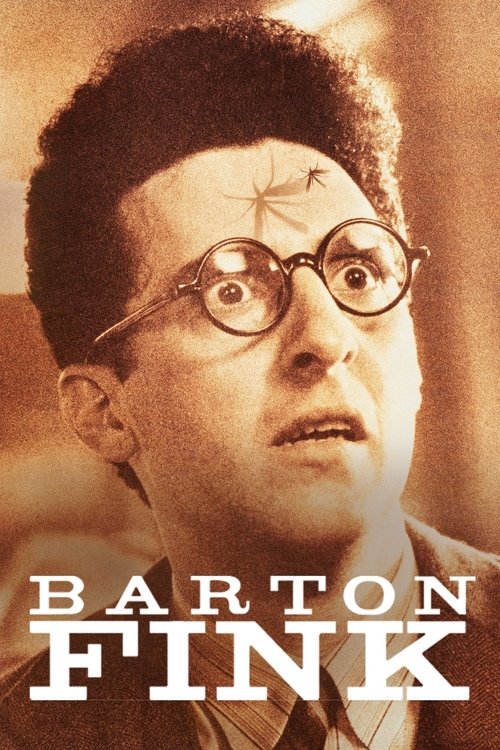
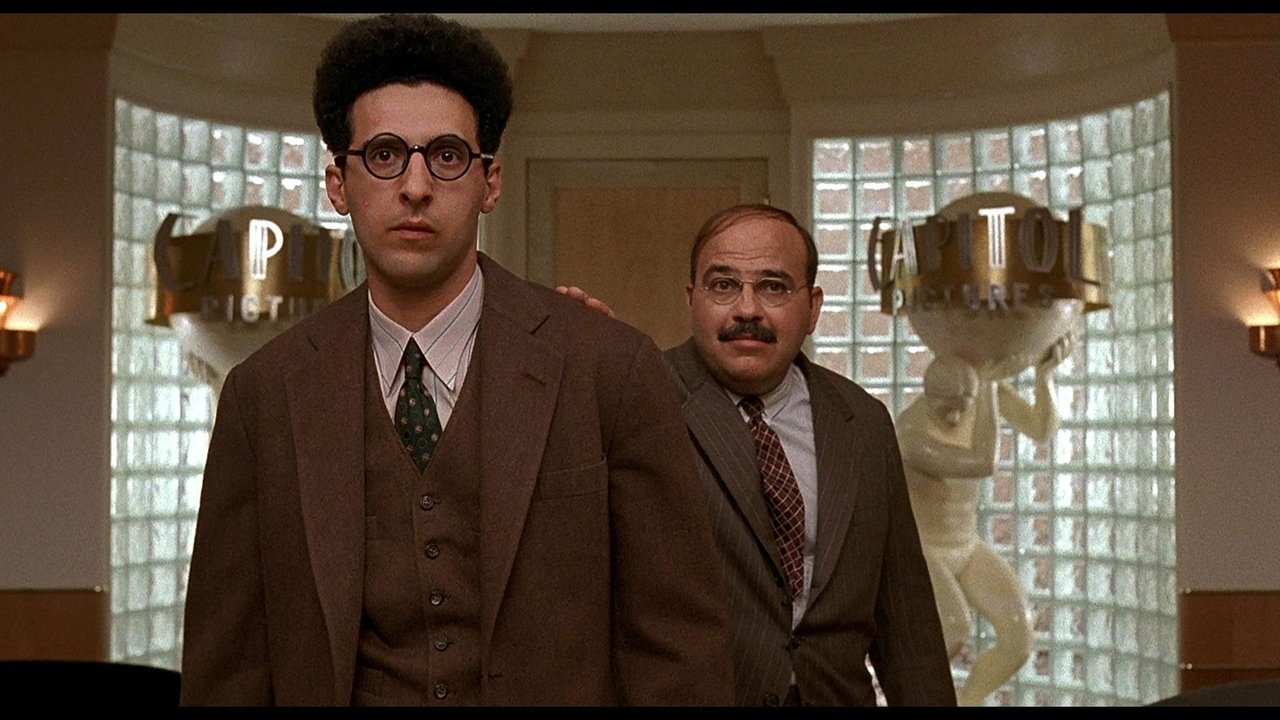
The sound of a mosquito shouldn’t be this loud. In the world of Barton Fink, every buzz, every drip of wallpaper paste, and every muffled cough from the next room is amplified until it feels like a physical assault. It’s 1941, and Barton, a self-important New York playwright played with a magnificent, twitchy anxiety by John Turturro, has just "sold out" to Hollywood. He wants to write for the "common man," but as he sits in the decaying, humid vacuum of the Hotel Earle, it becomes painfully clear that Barton wouldn’t know a common man if one sat on his chest and started screaming.
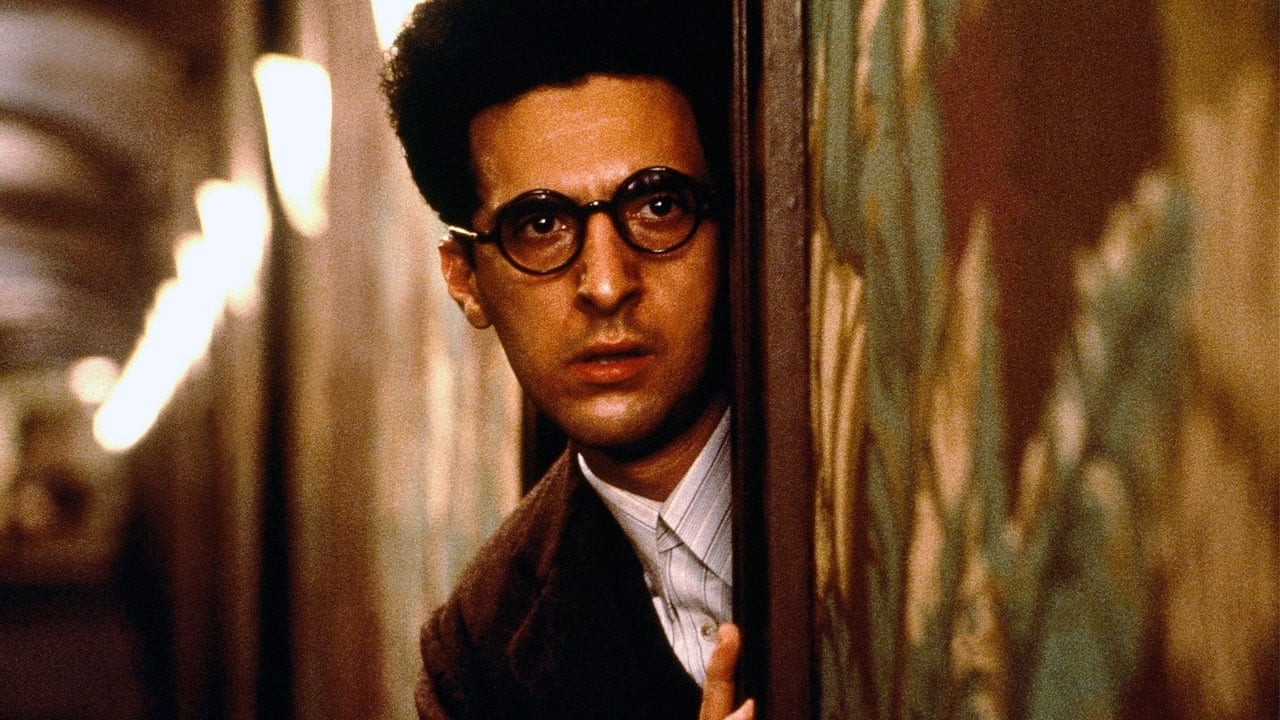
When I revisited this film last Tuesday, I was eating a bowl of lukewarm oatmeal, and the mushy, grey texture of the meal felt so cosmically aligned with the peeling walls of Barton's hotel room that I felt like I was developing my own case of writer's block. That’s the magic of the Coen Brothers at the height of their early-90s powers; they don't just tell a story, they trap you in a sensory nightmare that smells like old sweat and burning hair.
The Architecture of a Creative Breakdown
This isn't your typical "writer finds himself in Tinseltown" story. While Barton Fink was released in 1991—right as the indie film explosion was beginning to reshape cinema—it feels untethered from time. It’s a dark, surrealist satire that treats the movie business not as a dream factory, but as a meat grinder. Michael Lerner is explosive as Jack Lipnick, the studio head who oscillates between kissing Barton’s feet and threatening his soul. He’s the personification of a Hollywood that wants "that Barton Fink feeling" without actually caring what Barton thinks.
The film was famously written by Joel Coen and Ethan Coen in just three weeks while they were stuck on the complex plotting of Miller’s Crossing (1990). You can feel that frantic, "get it out of me" energy on the screen. It’s a movie about the agony of creation, and Roger Deakins—cinematography’s undisputed king—shoots the Hotel Earle like a digestive tract. The hallways stretch into infinity, and the light is a sickly, jaundiced yellow. It’s basically a horror movie for anyone who has ever stared at a blank cursor and felt the urge to jump out a window.
The Common Man and the Big Man
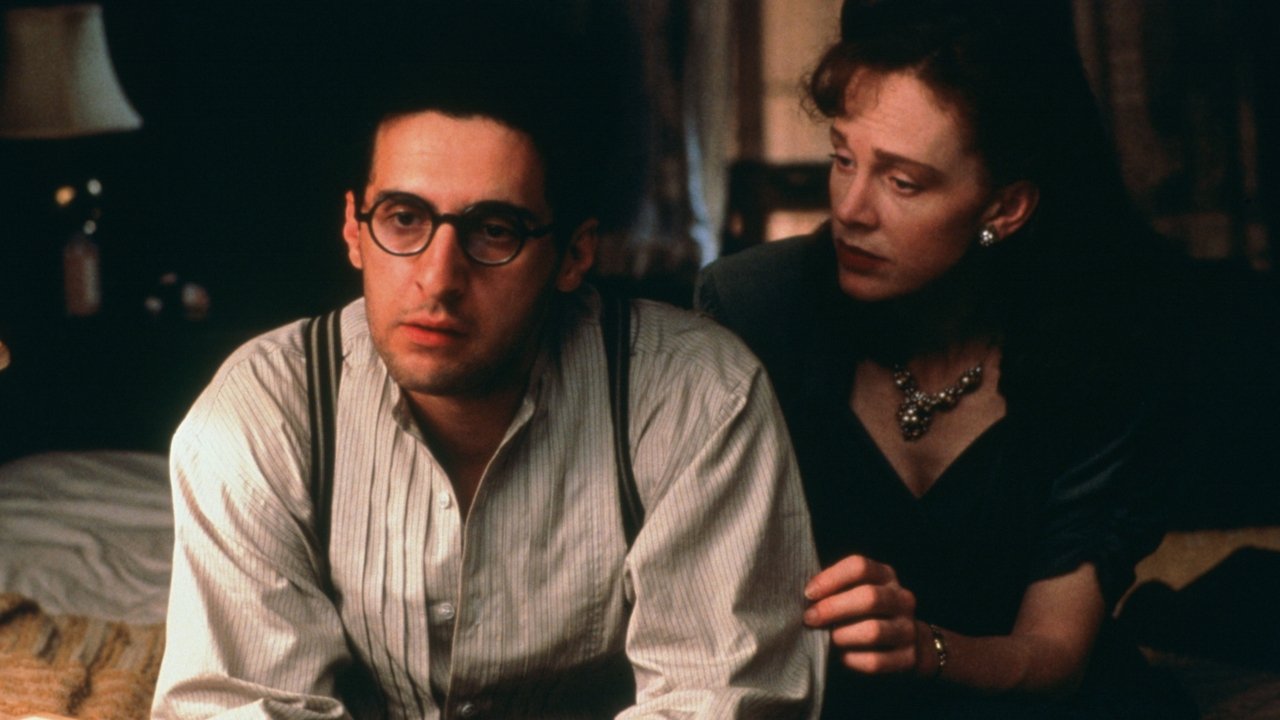
The heart of the film, however, isn't Barton’s typewriter; it’s the man in the room next door. John Goodman as Charlie Meadows is a revelation. In 1991, Goodman was primarily known as the lovable dad from Roseanne, and the Coens weaponize that warmth brilliantly. Charlie is a "casualty insurance" salesman—the literal "common man" Barton claims to champion—but Barton is too busy listening to the sound of his own genius to actually listen to Charlie’s stories.
The chemistry between Turturro and Goodman is a masterclass in escalating unease. John Goodman manages to be simultaneously cuddly and terrifying, shifting from a jolly neighbor to something primordial and vengeful. When the film finally takes its hard turn into the thriller genre in the third act, it doesn't feel like a plot twist; it feels like the inevitable bursting of a fever blister.
I’ve always felt that the Coens get an unfair reputation for being "cold" or "ironic." In Barton Fink, there is a deep, bruised humanity underneath the artifice. They are mocking Barton’s pretension, sure, but they are also capturing the genuine terror of being alone with your own thoughts. Judy Davis and John Mahoney round out the cast as a tragic echo of F. Scott Fitzgerald and his secretary/lover, providing a cynical look at what happens when the "life of the mind" finally breaks a person.
A Legacy of Sweat and Fire
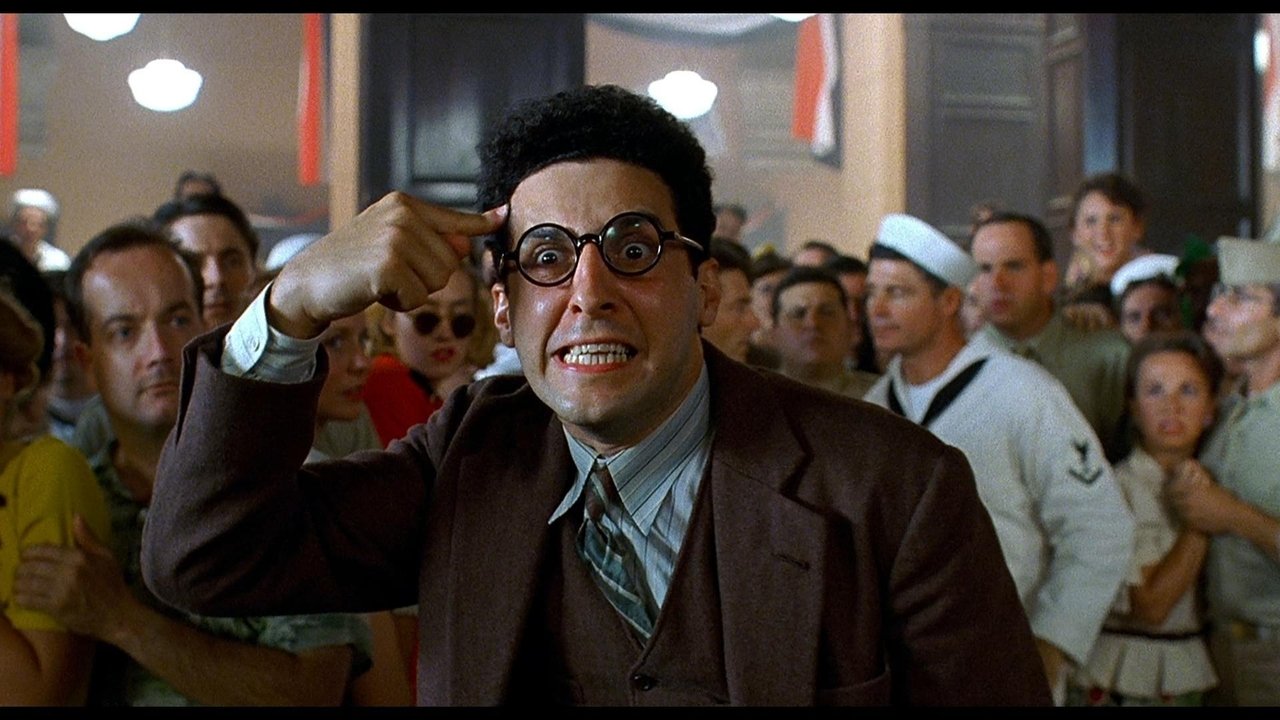
Looking back from a modern perspective, Barton Fink stands as a bridge between the analog craft of the 80s and the daring, genre-blurring indie cinema of the 90s. It swept the Cannes Film Festival—winning the Palme d'Or, Best Director, and Best Actor—a feat so dominant that the festival actually changed its rules to prevent a single film from winning that many top prizes again.
The trivia behind the scenes is just as strange as the film itself. The "peeling wallpaper" effect was achieved by using a specific type of glue that would react to heat, but it worked so well it started falling off during takes when it wasn't supposed to. That unpredictability adds to the film’s grimy, lived-in feel. It’s also worth noting that Tony Shalhoub, long before Monk, shows up as a fast-talking producer who seemingly operates on a different frame rate than everyone else.
This is a film that rewards the "collectors" and the "deep-divers." It’s a movie you don't just watch; you inhabit it, even if the room is a bit drafty and the neighbor is shouting about his ears popping. It asks uncomfortable questions about the responsibility of the artist and the voyeurism of storytelling. Is Barton a hero? A hack? Or just a guy who forgot that the world exists outside his own skull?
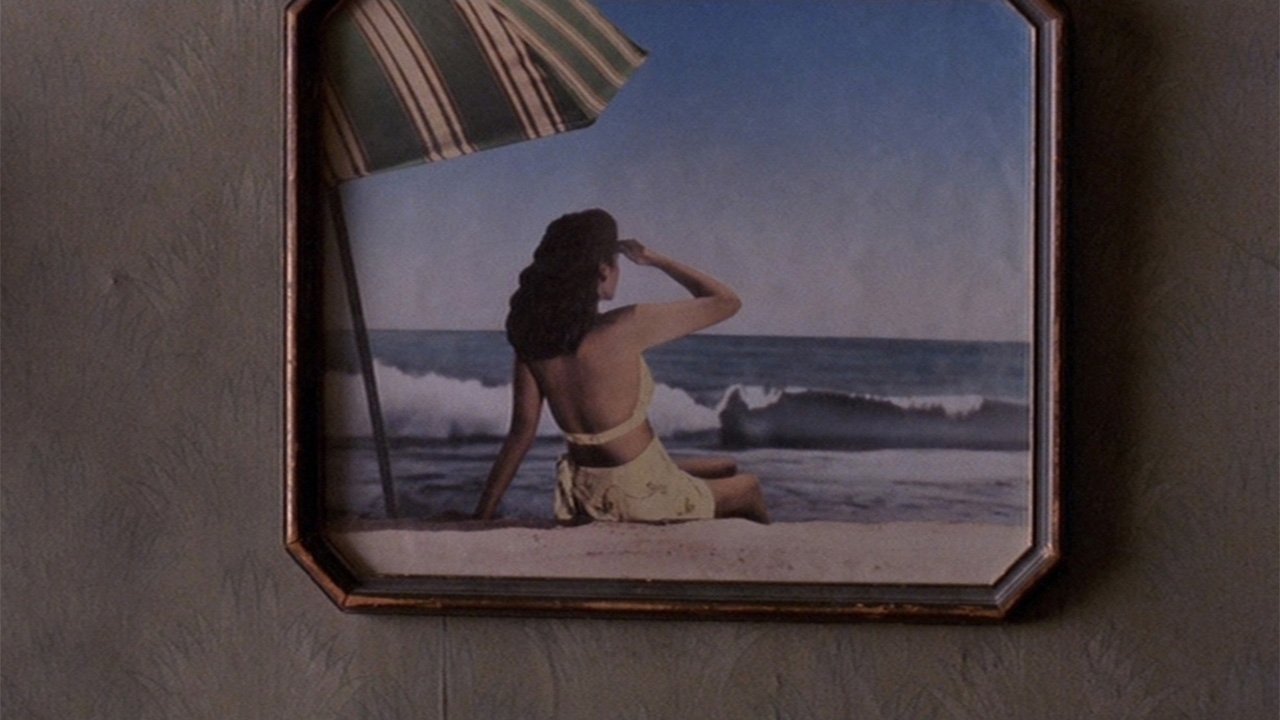
Barton Fink is a singular achievement that remains just as jarring and hilarious today as it was thirty years ago. It’s the kind of film that makes you want to go for a long walk on a beach, yet somehow makes you terrified of what you might find in a box left on the sand. If you’ve ever felt like your job was slowly killing your soul, or if you just appreciate seeing John Goodman run through a hallway made of fire, this is essential viewing. It’s dark, it’s dense, and it’s the best movie about a mosquito you’ll ever see.
Keep Exploring...
-

Miller's Crossing
1990
-
Fargo
1996
-
The Hudsucker Proxy
1994
-
The Man Who Wasn't There
2001
-
The Big Lebowski
1998
-
Blood Simple
1985
-
Burn After Reading
2008
-
A Serious Man
2009
-
Matchstick Men
2003
-
No Country for Old Men
2007
-
The Player
1992
-
In the House
2012
-
Bound by Honor
1993
-
Strange Days
1995
-
Raising Arizona
1987
-
Crimson Tide
1995
-
O Brother, Where Art Thou?
2000
-
Confessions of a Dangerous Mind
2002
-
Primal Fear
1996
-
Batman: Year One
2011