Beauty and the Beast
"The moment Disney realized it could conquer the Oscars."
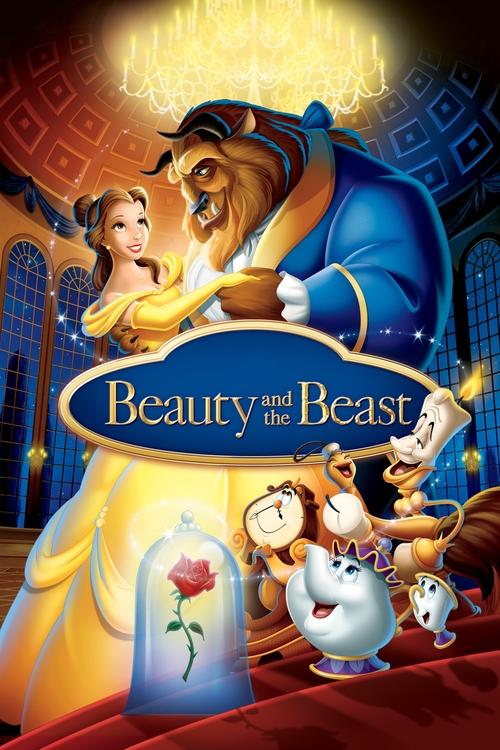
In September 1991, at the New York Film Festival, a crowd of cynical critics and industry veterans sat down to watch an unfinished cut of a cartoon. It was roughly 70% completed animation and 30% black-and-white storyboard sketches. When the credits rolled, that room of jaded adults stood up and gave it a ten-minute standing ovation. That was the moment the "Modern Era" of animation truly kicked off. I wasn't in that room, but I remember watching my VHS copy so many times that a flickering tracking line permanently obscured the bottom of the screen—I ate a slightly stale bowl of Froot Loops while rewatching this for the review, and honestly, the sugar-induced crunch matched the Beast's early-movie mood perfectly.
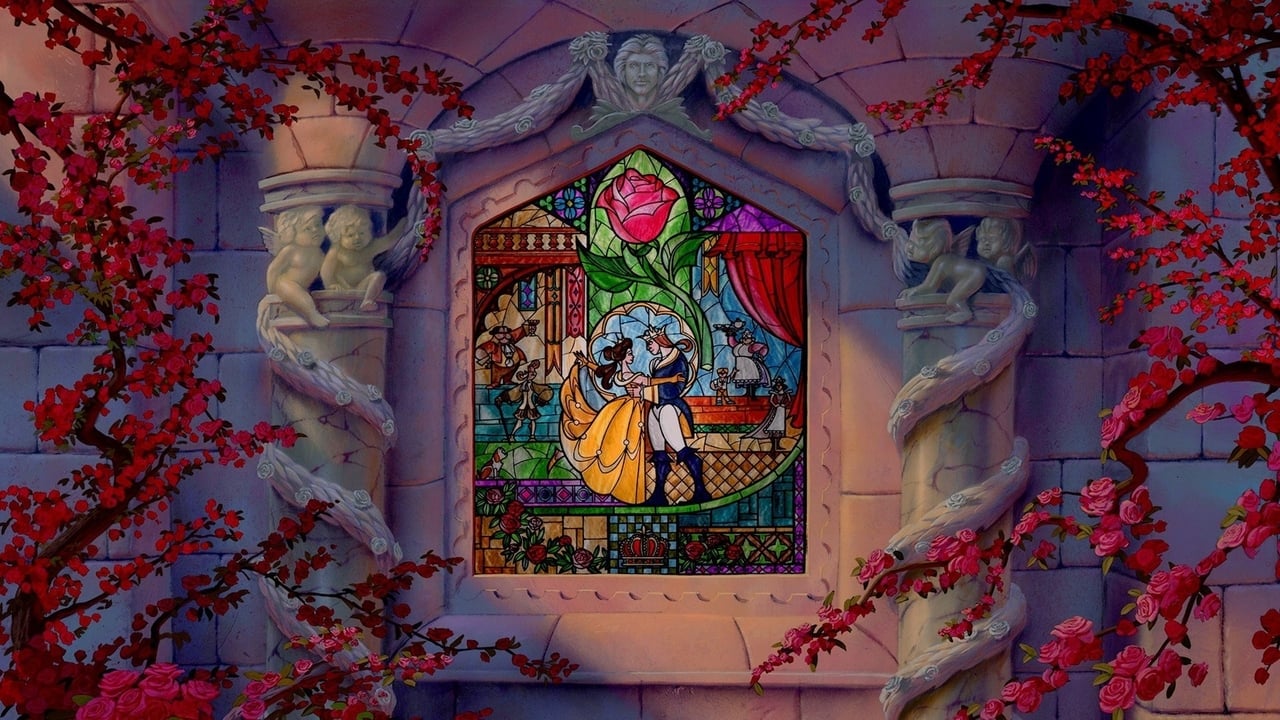
The Ballroom and the Digital Birth
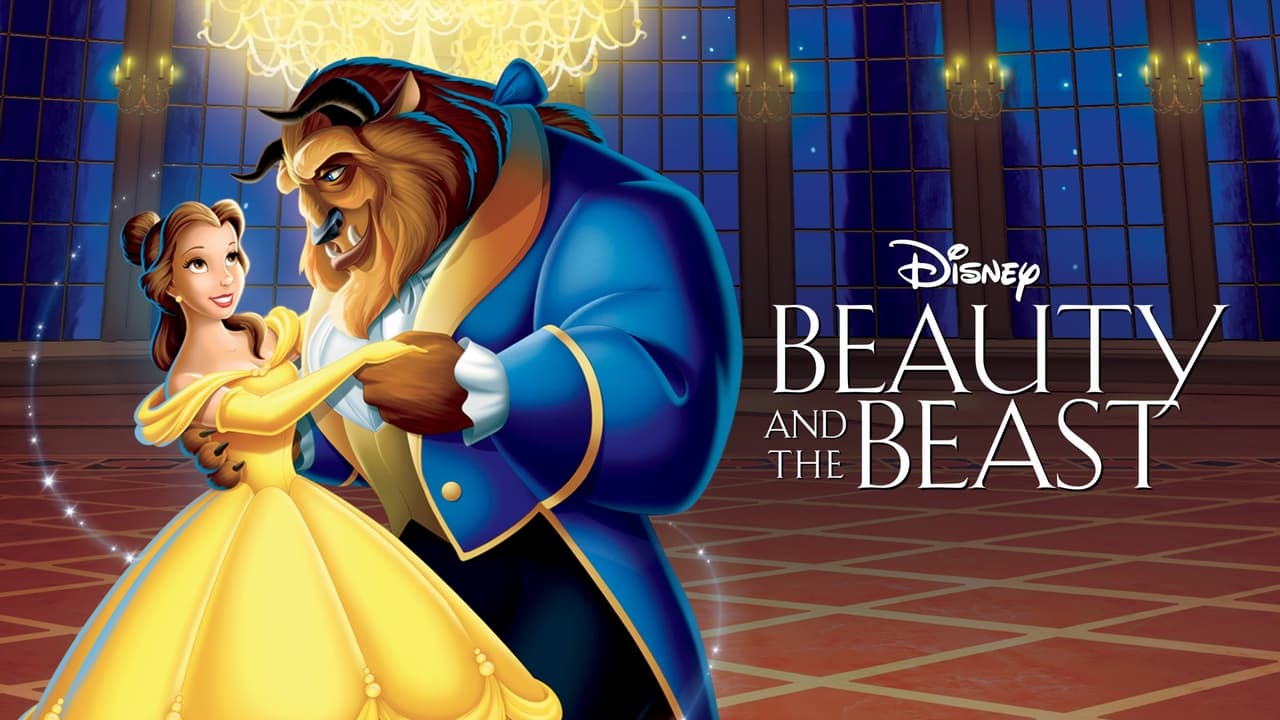
Looking back from our era of hyper-realistic CGI, it’s easy to forget how much Beauty and the Beast changed the actual DNA of how movies are made. This was the peak of the Disney Renaissance, a period where the studio was desperately trying to marry old-school artistry with the terrifying new world of computers. The centerpiece, of course, is the ballroom dance.
Directors Gary Trousdale and Kirk Wise took a massive gamble by using the CAPS (Computer Animation Production System) to create a three-dimensional environment for Paige O'Hara’s Belle and Robby Benson’s Beast to waltz through. In 1991, this was the equivalent of seeing a UFO. The camera sweeps down from the chandelier, circling the couple in a way that hand-drawn backgrounds simply couldn't allow. It’s a bridge between the analog past and the digital future, and unlike some of the clunky CGI from the late 90s, this still feels elegant. It works because the technology is serving the emotion of the scene, not just showing off for the sake of a tech demo.
A Villain Who Likes His Reflection Too Much
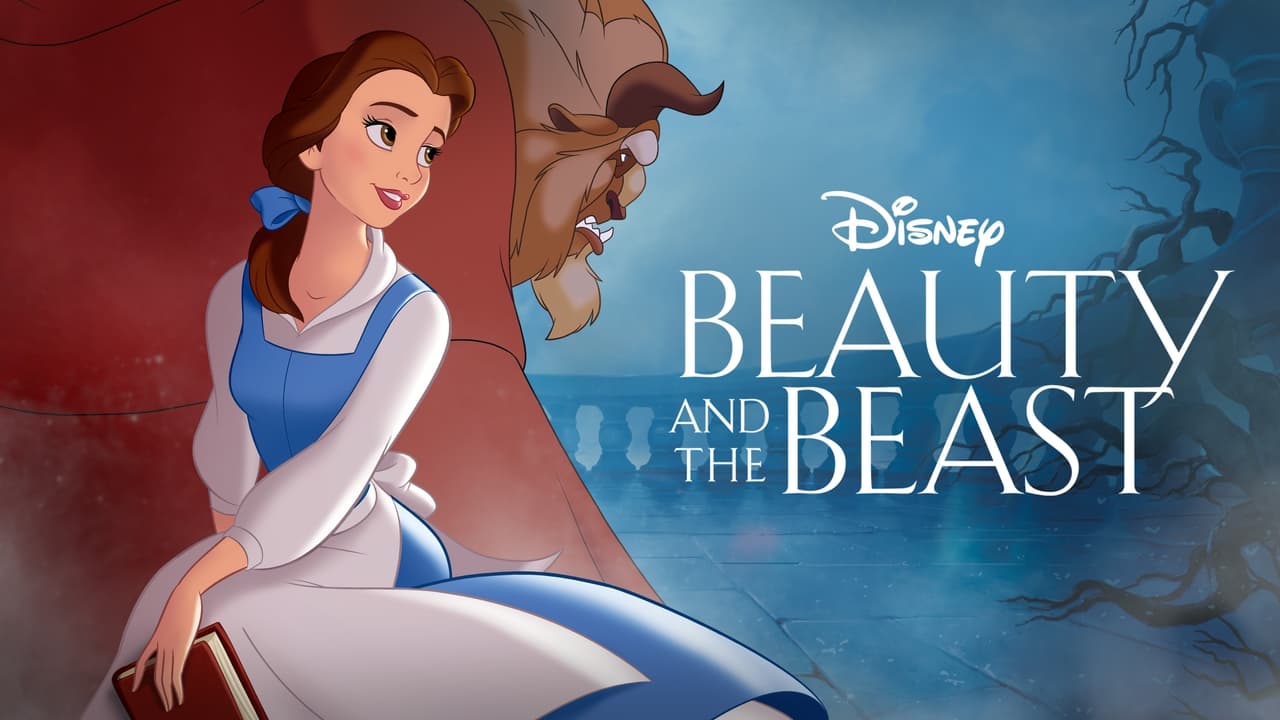
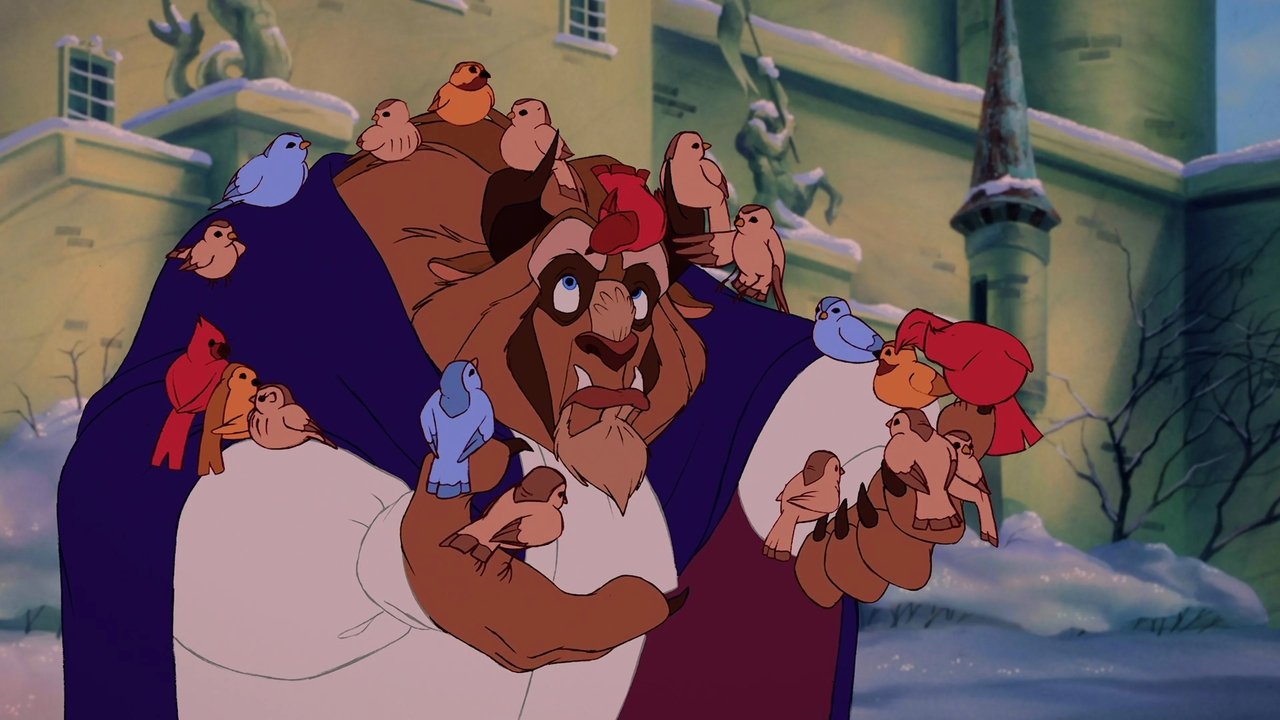
The drama here hinges entirely on the performances, and it’s the rare "princess movie" where the men are just as interesting as the lead. Robby Benson is a revelation as the Beast. He recorded his lines with a literal "growl" overlay, but the vulnerability he brings to a guy who essentially forgot how to use a spoon is what makes the romance earn its keep.
Then there’s Gaston. Richard White voices him with a baritone so thick you could use it to pave a road. Gaston is a fascinating study in 90s villainy because he isn't a dark sorcerer or a cackling monster; he’s just a popular jerk. Gaston is essentially a human hairpiece with a gym membership, and he represents a specific kind of narcissistic entitlement that feels even more relevant in the age of social media influencers. He’s the "hero" of a much worse movie who wandered into this one and decided to start a riot. The way the script by Linda Woolverton pits Belle’s love of books against the town’s celebrate-the-idiot mentality gives the film a bite that keeps it from being too sugary.
The Ashman Legacy and the $424 Million Gamble
You cannot talk about this film without talking about the music. Alan Menken and Howard Ashman—the duo who gave us The Little Shop of Horrors—approached this like a Broadway musical. There’s a theatrical weight to songs like "Be Our Guest" (led by the incomparable Jerry Orbach as Lumiere) and "Kill the Beast" that you don't find in modern soundtracks that are just hunting for a radio hit.
The production was a pressure cooker. Disney poured $25 million into it, which was a staggering amount for animation at the time. It paid off to the tune of $424,967,620 worldwide, becoming the first animated film to ever cross the $100 million mark in its initial run. But the real "blockbuster" moment wasn't just the money; it was the 1992 Academy Awards. When it was nominated for Best Picture—not just "Best Animated Feature," a category that didn't even exist yet—it changed the industry's perception of what a "kids' movie" could be. I’ll go to my grave insisting the library reveal is a better romantic gesture than any diamond ring ever shown on screen.
This film is the high-water mark of a studio firing on every single cylinder. It balances the technological shift of the early 90s with a narrative soul that doesn't feel dated, even thirty years later. It’s a drama about the fear of being unlovable, wrapped in the most colorful, tuneful packaging imaginable. If you haven't revisited the enchanted castle in a while, do yourself a favor and go back—it’s just as magical as that crowd in New York thought it was.
Keep Exploring...
-
Beauty and the Beast: The Enchanted Christmas
1997
-

Aladdin
1992
-
The Hunchback of Notre Dame
1996
-
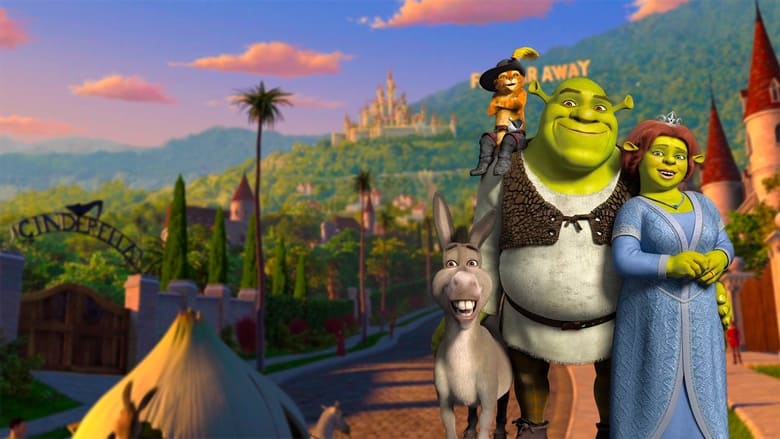
Shrek 2
2004
-
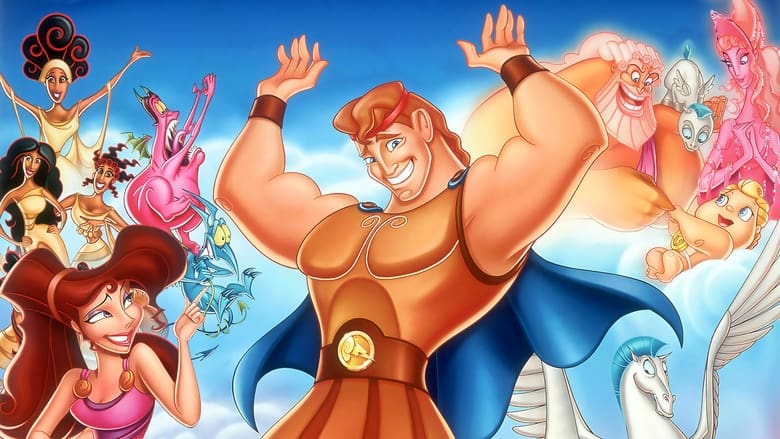
Hercules
1997
-
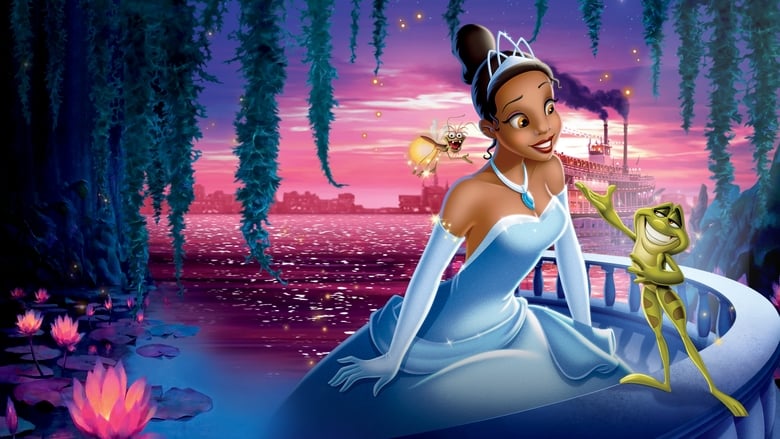
The Princess and the Frog
2009
-

The SpongeBob SquarePants Movie
2004
-

Pocahontas
1995
-
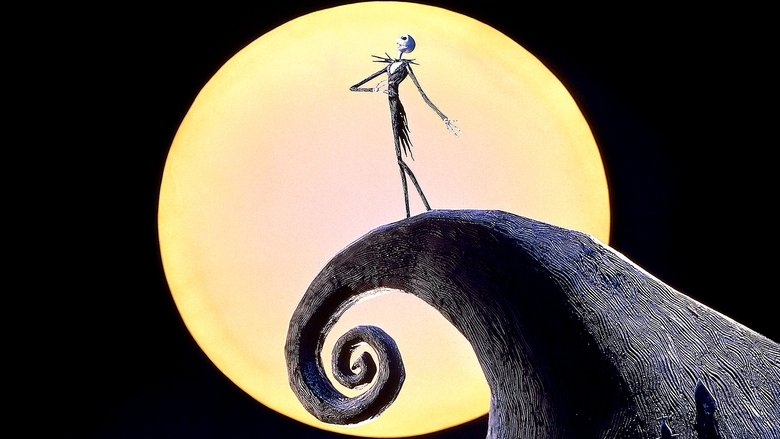
The Nightmare Before Christmas
1993
-
A Goofy Movie
1995
-
Atlantis: The Lost Empire
2001
-
Shrek
2001
-

Spirited Away
2001
-

Enchanted
2007
-
Ratatouille
2007
-
Ponyo
2008
-
Coraline
2009
-
How to Train Your Dragon
2010
-
The Secret World of Arrietty
2010
-
Hotel Transylvania
2012