Cape Fear
"Your past is out of prison and looking for you."
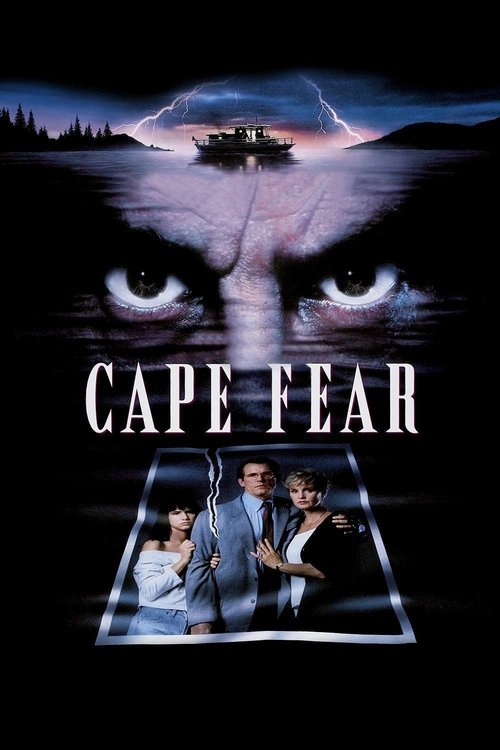
In 1991, the idea of Martin Scorsese directing a remake of a 1962 noir thriller felt like a sideways move for the man who had just delivered Goodfellas. It was the ultimate "one for them" project—a high-gloss, big-budget studio assignment for Amblin Entertainment. Legend has it that Steven Spielberg and Scorsese essentially traded cards: Spielberg handed over this script because he found it too violent, and Scorsese handed back Schindler’s List because he felt a Jewish director should helm it. The result wasn't just a hit; it was a box office monster that proved Scorsese could out-blockbuster the blockbuster kings while making the audience feel like they needed a spiritual car wash afterward.
I distinctly remember watching this for the third time on a humid Tuesday night while trying to eat a bowl of lukewarm chili, and let me tell you, the houseboat sequence at the end is not conducive to keeping down a heavy meal. It’s a film that thrives on that kind of physical discomfort.
A Predator in Technicolor
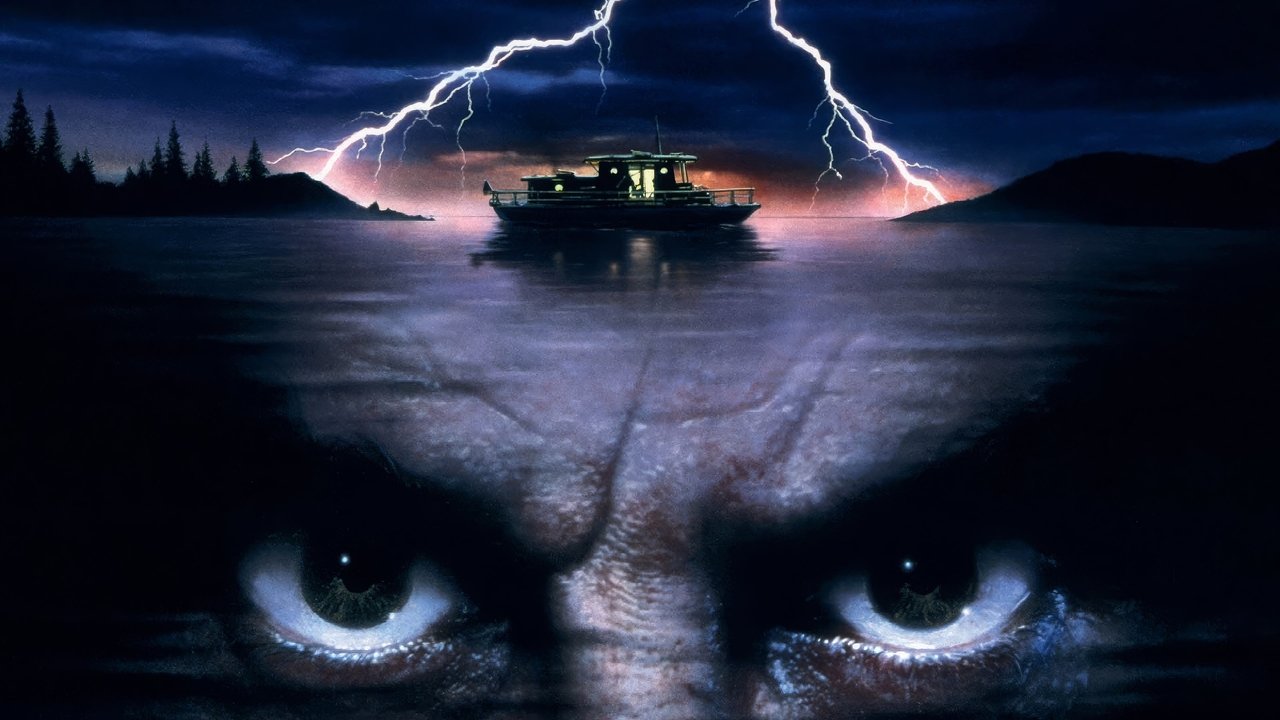
The 1991 iteration of Cape Fear is a fascinating bridge between the gritty, practical filmmaking of the 70s and the slick, stylized maximalism of the early 90s. While we were only two years away from the CGI revolution of Jurassic Park, Scorsese chose to lean into a hyper-real, almost operatic visual style. Working with cinematographer Freddie Francis (who shot The Elephant Man and Glory), Scorsese uses Dutch angles, jarring zooms, and negative-print flashes to turn a standard revenge plot into a psychological fever dream.
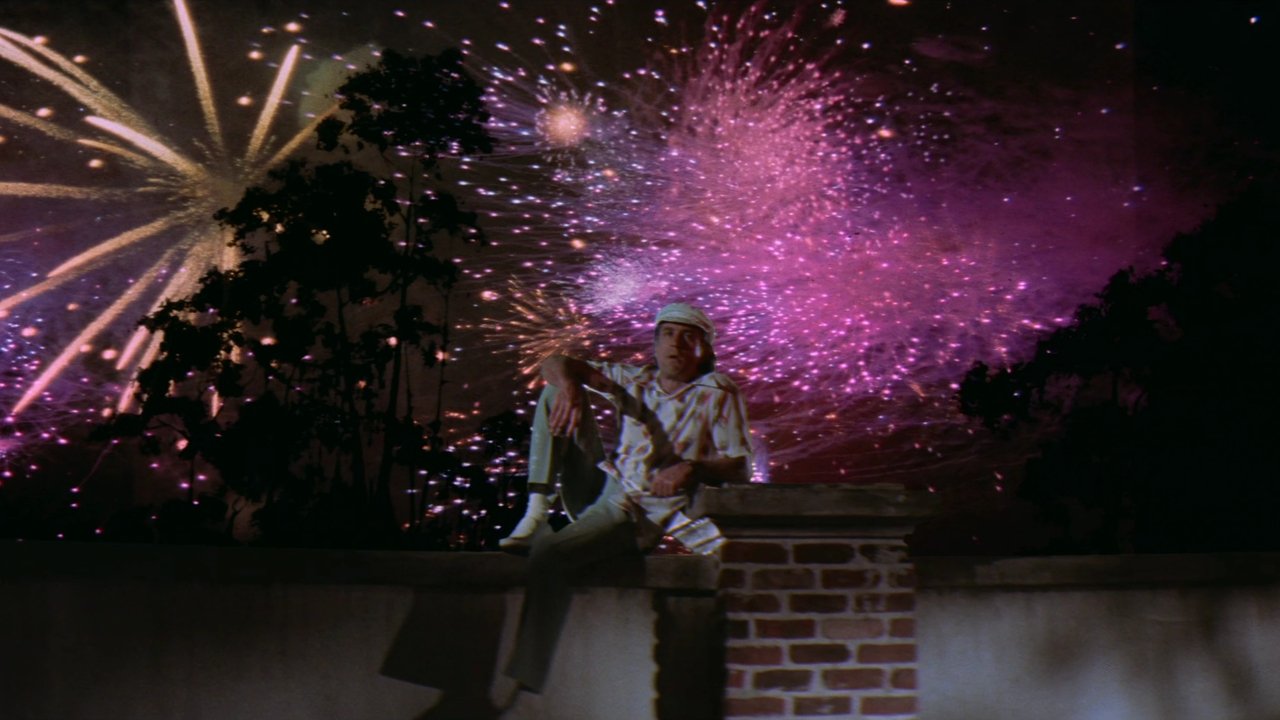
At the center of the storm is Robert De Niro as Max Cady. If the original 1962 film gave us a menacing thug, the 1991 version gives us a Nietzschean nightmare in a Hawaiian shirt. De Niro famously paid a dentist $5,000 to grind down his teeth to achieve a "fresh out of the yard" look, eventually paying even more to have them fixed after production. His Cady isn't just a criminal; he’s a biblically-scaled plague. He spends the film quoted scripture and philosophy while methodically dismantling the life of Sam Bowden, played with a perfect, sweating anxiety by Nick Nolte.
The Moral Swamp of the Early Nineties
What makes this version of the story so much more unsettling than its predecessor is the refusal to give us a "good" protagonist. In the 60s, the lawyer was a pillar of the community. Here, Nick Nolte’s Sam Bowden is a man built on a foundation of compromise. He didn't just fail to defend Cady; he actively buried a report that could have helped him. He’s also a serial adulterer whose marriage to Leigh (Jessica Lange) is hanging by a fraying thread.
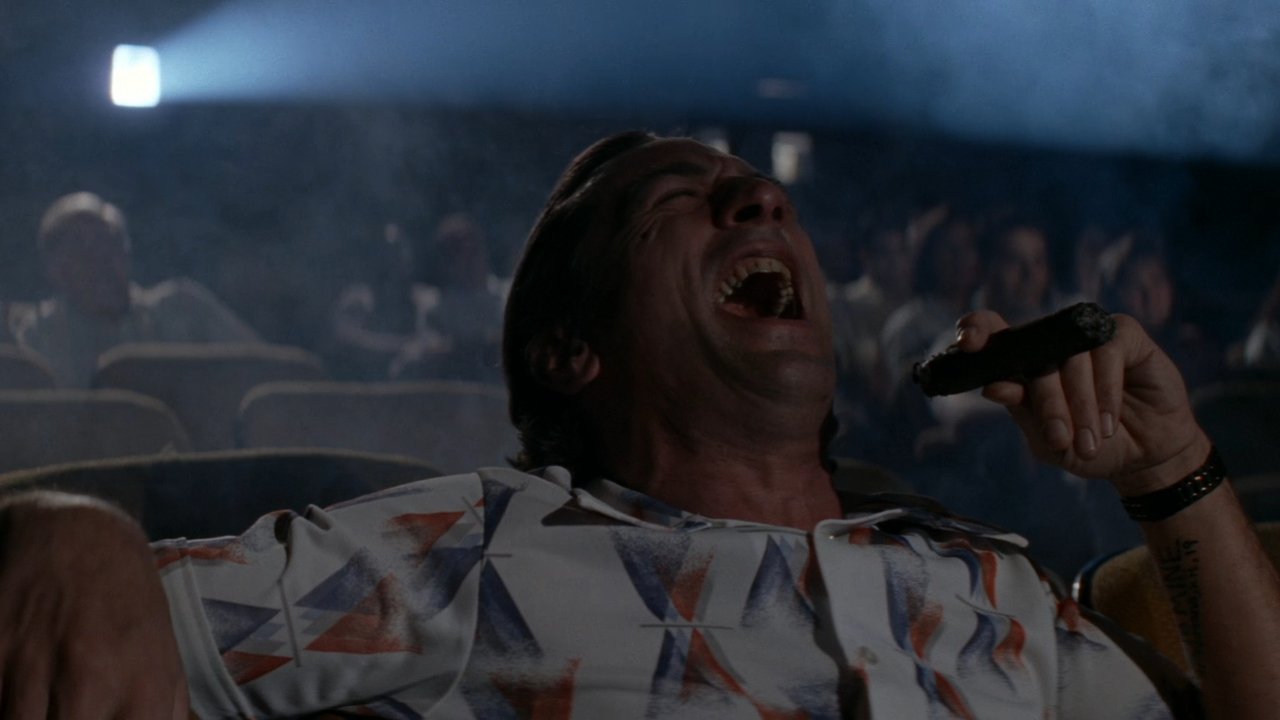
By making the Bowden family dysfunctional, Scorsese ensures there is no safe harbor for the viewer. When Cady begins grooming their teenage daughter, Danielle—played by a young Juliette Lewis in a performance so raw it earned her an Oscar nomination—the film moves into territory that feels genuinely dangerous even by today's desensitized standards. The auditorium scene between De Niro and Lewis is a masterclass in predatory tension; it’s uncomfortable, intimate, and feels like something you shouldn't be allowed to watch. It’s a reminder that before the era of "elevated horror," Scorsese was already using the thriller genre to dig into the rot of the American nuclear family.
A Collision of Old and New Hollywood
Looking back, Cape Fear is a massive tribute to the history of cinema. Scorsese brought back the original 1962 stars—Robert Mitchum, Gregory Peck, and Martin Balsam—for significant cameos, essentially having the "old guard" pass the torch to the new era of Method intensity. He also recruited legendary title designer Saul Bass to create the opening credits and had Elmer Bernstein adapt and expand the original Bernard Herrmann score. It’s a film that knows its lineage.
Financially, the film was a juggernaut. It cost $35 million—a hefty sum for a drama-thriller at the time—and returned over $182 million globally. It was the tenth highest-grossing film of 1991, rubbing shoulders with Terminator 2 and Robin Hood: Prince of Thieves. It proved that audiences were hungry for adult-oriented, "prestige" popcorn movies—the kind of high-stakes, mid-budget thriller that has sadly become a rarity in the modern franchise landscape. Watching De Niro bite a chunk out of Joe Don Baker’s cheek is a visceral reminder that 90s blockbusters were allowed to be weird, mean, and messy.
Scorsese’s Cape Fear is a loud, sweaty, and brilliantly executed assault on the senses. It takes the bones of a classic noir and dresses them in the garish, neon-lit skin of a 90s slasher movie. While some might find the final act on the Cape Fear River a bit over-the-top, the sheer technical craft on display makes it impossible to look away. It’s a movie that doesn't just want to scare you; it wants to implicate you in the same moral filth that drowns its characters. If you haven't revisited this one since the DVD era, it's time to go back into the water.
Keep Exploring...
-
Casino
1995
-
The Departed
2006
-
GoodFellas
1990
-
A Perfect World
1993
-
A Time to Kill
1996
-
Primal Fear
1996
-

Sleepers
1996
-
Natural Born Killers
1994
-
Strange Days
1995
-
Donnie Brasco
1997
-
The Talented Mr. Ripley
1999
-

Traffic
2000
-
Mystic River
2003
-

Inside Man
2006
-
The Town
2010
-
In the Line of Fire
1993
-

Miller's Crossing
1990
-
Bound by Honor
1993
-
Carlito's Way
1993
-

Falling Down
1993