Child's Play 3
"Short on time, high on plastic-induced carnage."
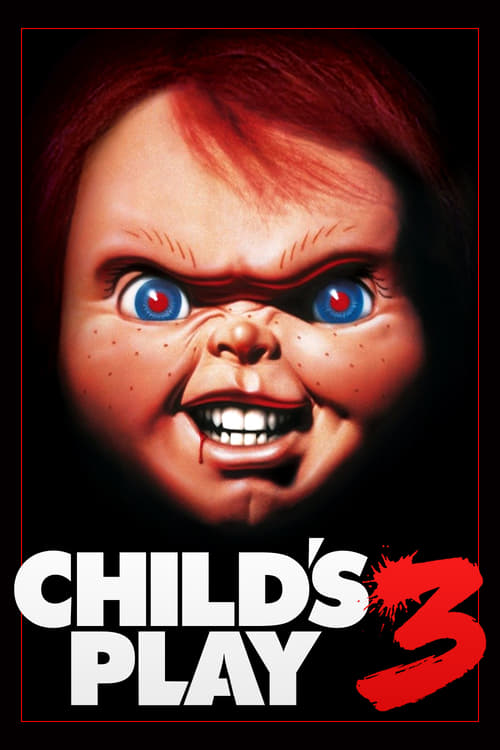
There is a distinct, industrial smell of desperation hanging over the opening of Child’s Play 3. It’s the scent of a franchise being squeezed for every last drop of profit before the 1980s slasher boom fully curdled into the cynical 90s. Released a mere nine months after its predecessor, this sequel arrived in theaters when the seat-padding from Child’s Play 2 was likely still warm. Watching it today on a grainy streaming service while my neighbor’s leaf blower provided a constant, droning soundtrack of suburban misery, I couldn’t help but marvel at the sheer audacity of its existence.
The Nine-Month Morning After
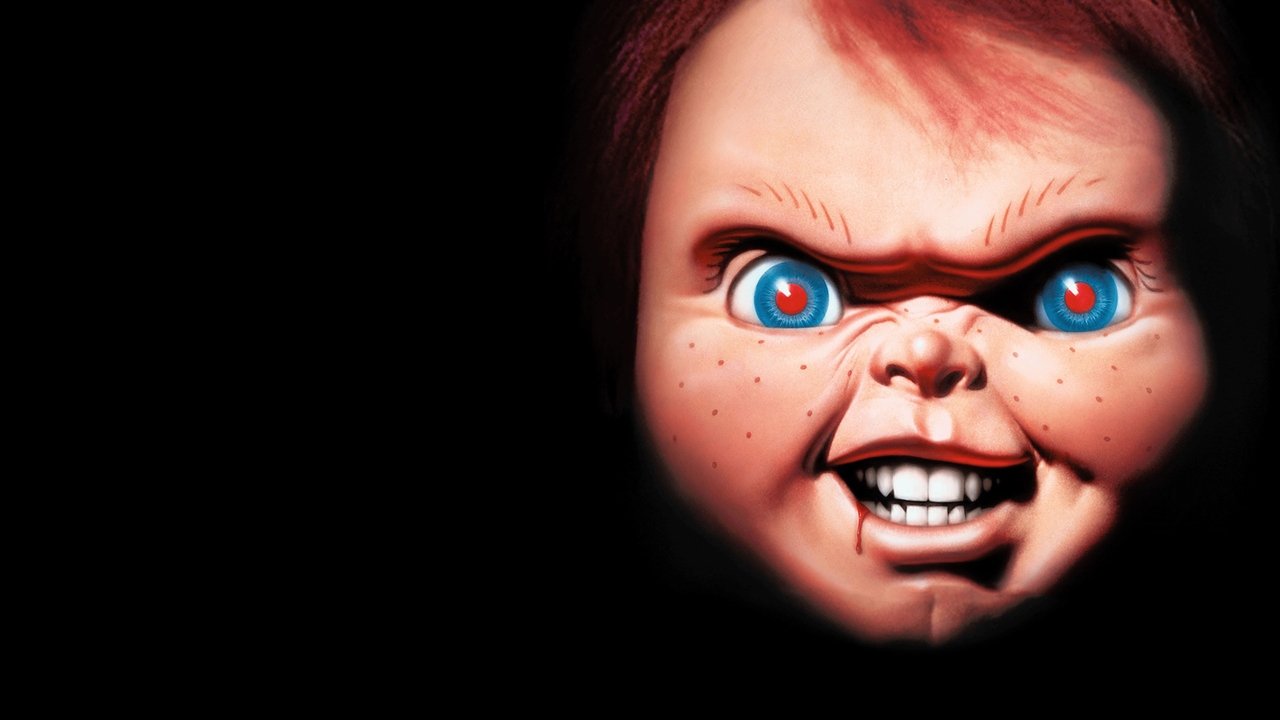
The production of this film is a fascinating case study in "too much, too soon." Screenwriter Don Mancini, who has steered this ship with incredible loyalty for decades, has since admitted he was flat-out exhausted when tasked with writing this third installment. Universal Pictures wanted to strike while the iron was hot, but the iron was actually melting. Because of that rush, the film feels like a collection of ideas that didn't quite have time to ferment.
The plot jumps eight years forward, a move designed to age up our protagonist Andy Barclay to a teenager. This allows the production to swap out the adorable Alex Vincent for Justin Whalin, who brings a sort of "early 90s sensitive rebel" energy to the role. Andy is shipped off to Kent Military Academy, a setting that feels less like a narrative choice and more like a way to save money on sets by using a bunch of barracks and obstacle courses. It’s here that the spirit of Charles Lee Ray—once again voiced with manic, cigarette-stained perfection by Brad Dourif—finds him after being "re-born" in a vat of melted plastic.
Full Metal Chucky
The military school setting is where the movie earns its reputation as the "forgotten" sibling of the original trilogy. It’s an odd fit for a killer doll movie. We get the standard tropes: the sadistic drill sergeant (a scenery-chewing Travis Fine), the bumbling best friend (Dean Jacobson), and the tough-as-nails romantic interest played by Perrey Reeves (long before she was Mrs. Ari on Entourage).
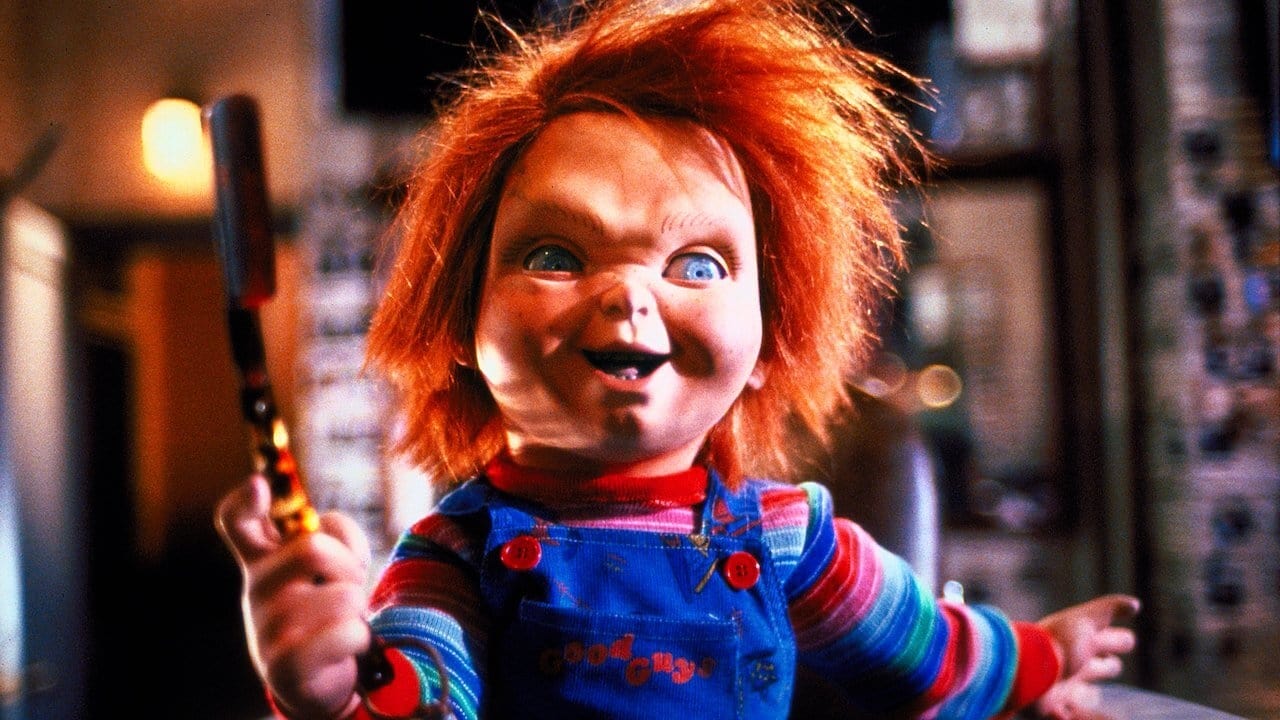
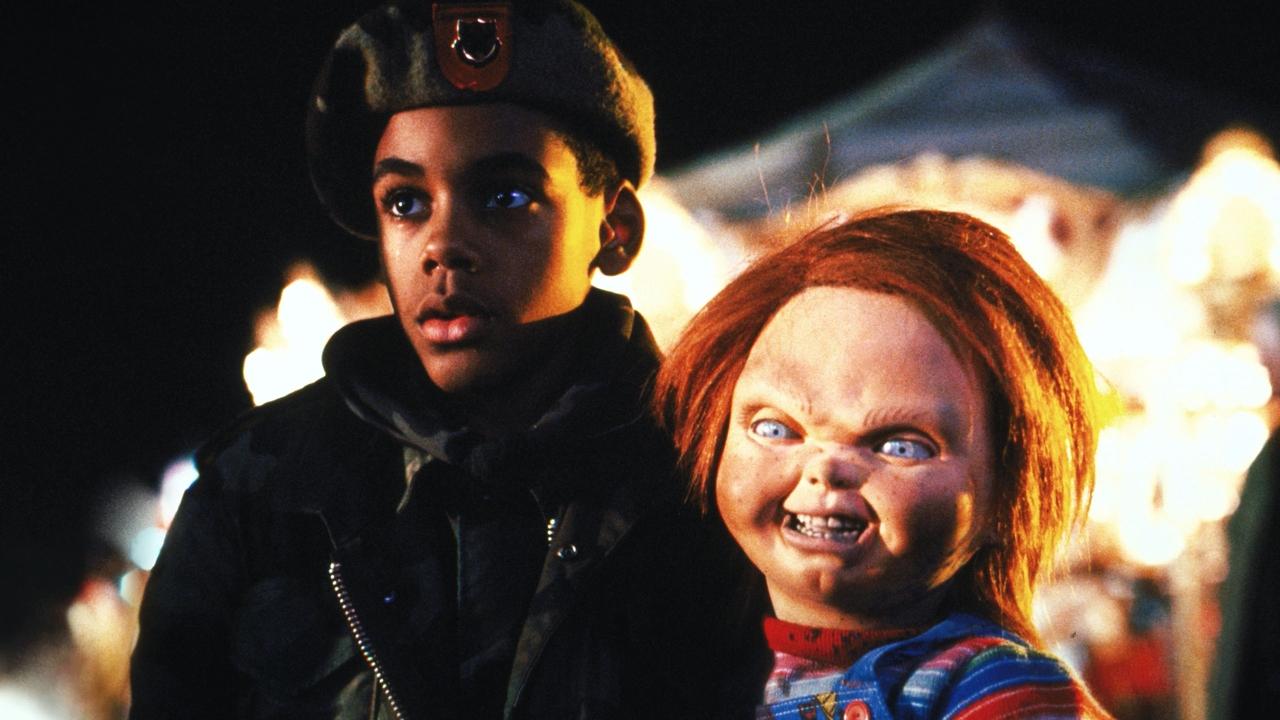
The problem is that Chucky feels like a guest star in his own movie for the first hour. He spends most of his time trying to lure a younger cadet, Ronald Tyler (Jeremy Sylvers), into a game of "Hide the Soul." I’ve always felt that this movie is basically a G.I. Joe commercial directed by someone who hates toys. The shift from the suburban nightmare of the first two films to this rigid, grey environment robs the franchise of its primary strength: the subversion of domestic safety.
However, when Chucky does show up, the practical effects remain impressive. Even with a rushed schedule, Kevin Yagher’s animatronics team delivered a puppet that looks genuinely pissed off. There’s a scene involving a garbage truck that serves as a grim reminder that 1991 was the peak of "how did they do that without computers?" practical gore. The way Chucky’s face subtly twitches with malice is something modern CGI still struggles to replicate with the same soul.
The Carnival of Souls
If there’s one reason to seek out Child’s Play 3, it’s the third act. The film finally leaves the drab military school and heads to a carnival haunted house. It’s as if director Jack Bender (who would go on to direct some of the best episodes of LOST) suddenly woke up and realized he was making a horror movie. The neon lights, the oversized props, and the theatrical lighting give the finale a life that the rest of the film sorely lacks.
It’s also worth noting the bizarre cultural baggage this movie carries. In the UK, it was unfairly linked by the tabloid press to the tragic James Bulger case, leading to a massive moral panic and the film being effectively "banned" or pulled from shelves for years. Looking at it now, the movie is so cartoonish and campy that the idea of it inciting real-world violence seems absurd. It’s a B-movie through and through, more interested in a clever one-liner than actual psychological damage.
Ultimately, Child’s Play 3 is the definition of a "serviceable" sequel. It isn't the disaster that some critics claimed in '91, but it lacks the heart of the original and the mean-spirited fun of the second. It’s a transitional fossil—the moment where the series started to lean away from straight horror and toward the self-referential horror-comedy that would eventually define Bride of Chucky. If you're a completist, the carnival finale and Brad Dourif’s legendary voice work make it worth the 90-minute investment. Just don't expect it to stay with you much longer than the time it takes to finish your popcorn.

Keep Exploring...
-
Child's Play 2
1990
-

Curse of Chucky
2013
-

Seed of Chucky
2004
-
Cult of Chucky
2017
-

Bride of Chucky
1998
-
Child's Play
1988
-
The Good Son
1993
-

Village of the Damned
1995
-
Stigmata
1999
-
The Hitcher
2007
-
The Eye
2008
-
Untraceable
2008
-
The Descent: Part 2
2009
-
The Haunting in Connecticut
2009
-
The Stepfather
2009
-
The Ward
2010
-
House at the End of the Street
2012
-
13 Sins
2014
-
Candyman
1992
-
The Grudge 2
2006