Delicatessen
"Eat your heart out. Literally."
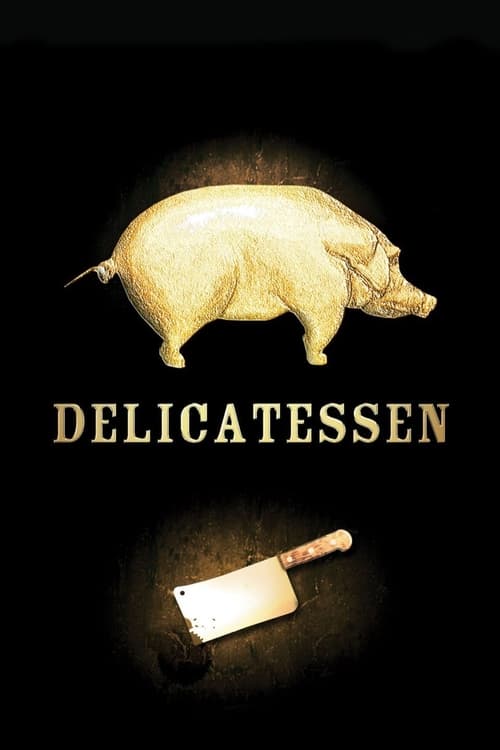
The first time I saw a man dressed as a literal snail, I knew I wasn't in Kansas anymore—or even a version of Paris that Google Maps would recognize. I first encountered Delicatessen on a grainy VHS tape borrowed from a friend who smelled vaguely of cloves and pretension. I watched it while eating a bowl of cold spaghetti, and let me tell you, the sound of the butcher’s knife hitting the chopping block in the opening scene made every bite of my dinner feel like a dare.
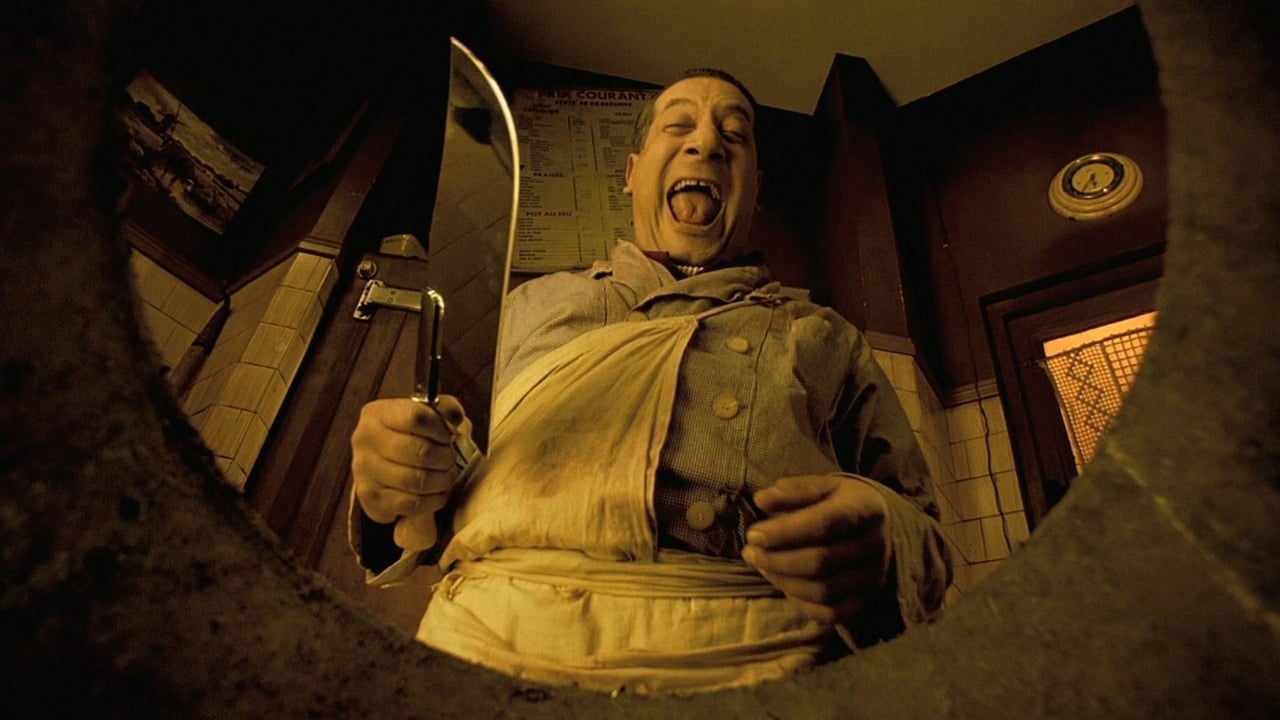
Emerging in 1991, Jean-Pierre Jeunet and Marc Caro didn't just make a movie; they built a tactile, rust-covered toy box and invited us to play in the dirt. At a time when Hollywood was just beginning to flirt with the digital slickness of Terminator 2, Delicatessen was a defiant celebration of the analog, the grimy, and the gloriously weird. It’s a post-apocalyptic comedy that swaps out the chrome and lasers of its contemporaries for butcher cleavers and cello strings.
The Bleached Beauty of a Dying World
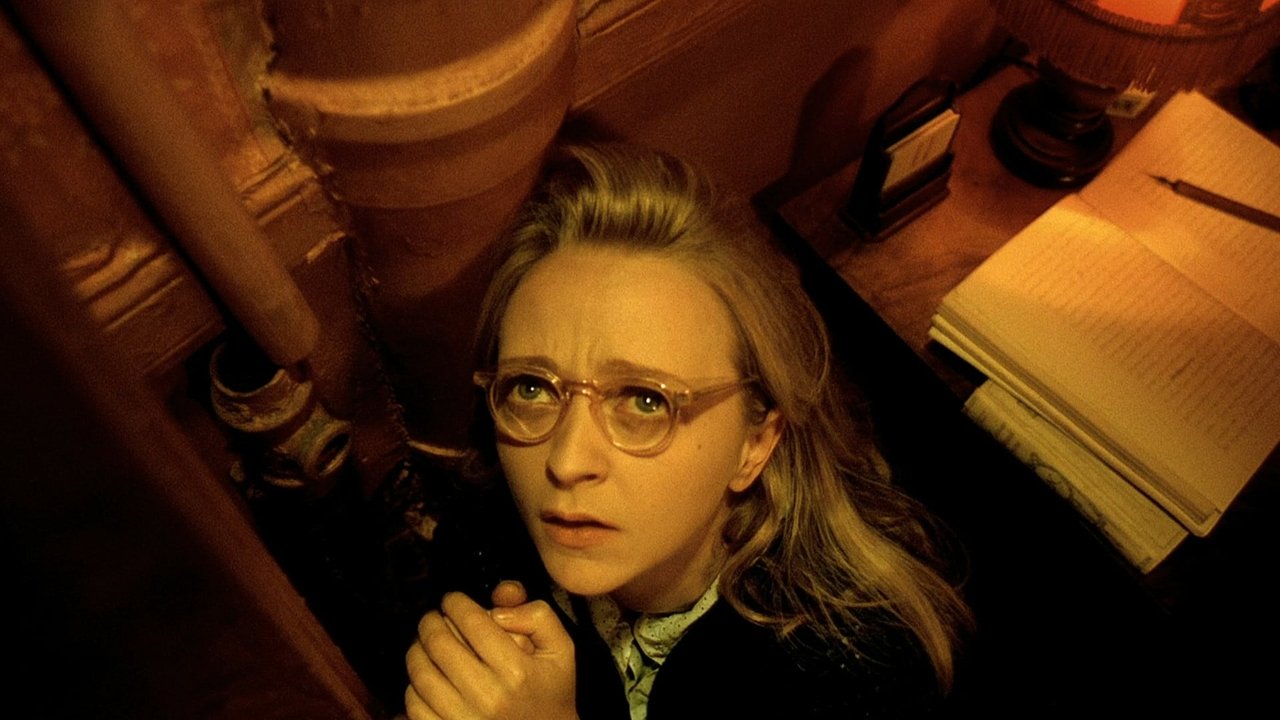
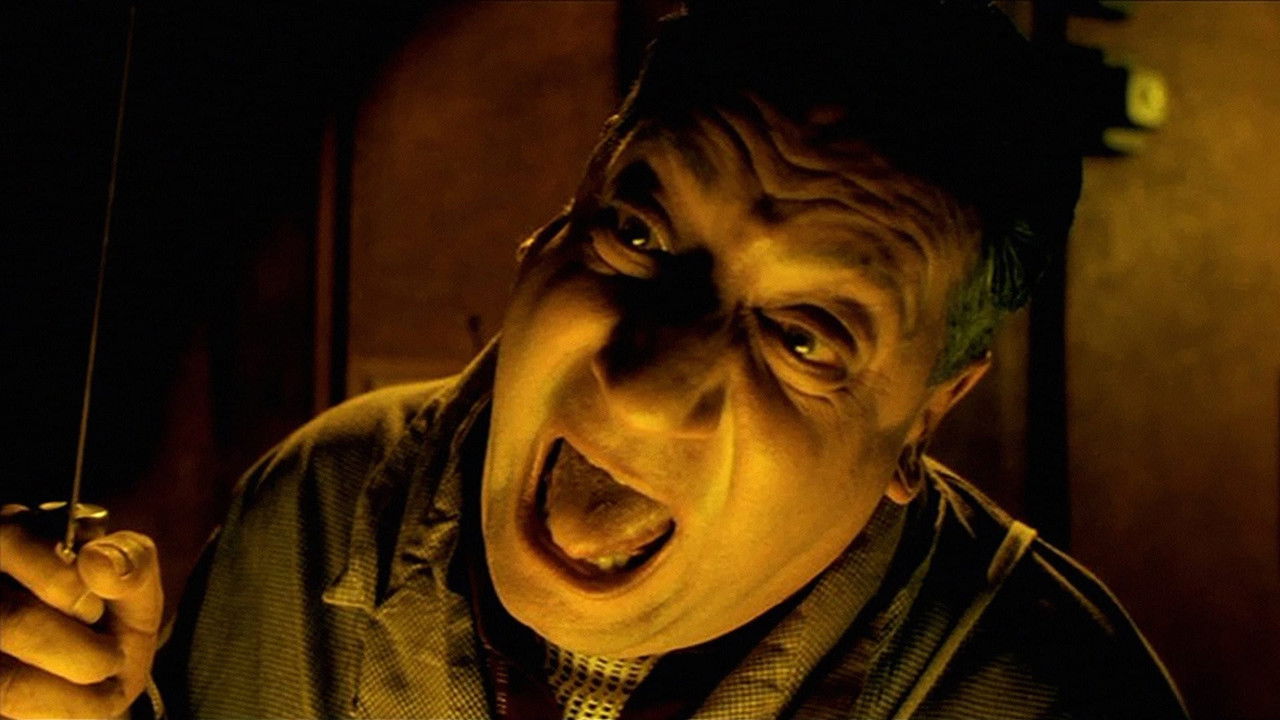
The world of Delicatessen is bathed in a perpetual, sickly mustard hue. This wasn't some Instagram filter applied in post-production; cinematographer Darius Khondji (who later lensed Se7en and Uncut Gems) used a labor-intensive silver retention process to give the film its metallic, high-contrast grit. Looking back from our era of clean, digital color grading, the visual texture here feels almost revolutionary. You can practically smell the dampness of the hallways and the metallic tang of the butcher’s shop.
The plot is deceptively simple: in a future where grain is currency and meat is... let’s say "locally sourced," a gentle clown named Louison (Dominique Pinon) arrives at a decrepit apartment building looking for work. The landlord, a terrifyingly charismatic butcher named Clapet (Jean-Claude Dreyfus), hires him with the secret intention of eventually serving him to the hungry tenants. The fly in the ointment? Louison falls for the butcher’s daughter, Julie (Marie-Laure Dougnac), a woman who plays the cello with enough soul to make you forget the world is ending.
A Percussive Apocalypse
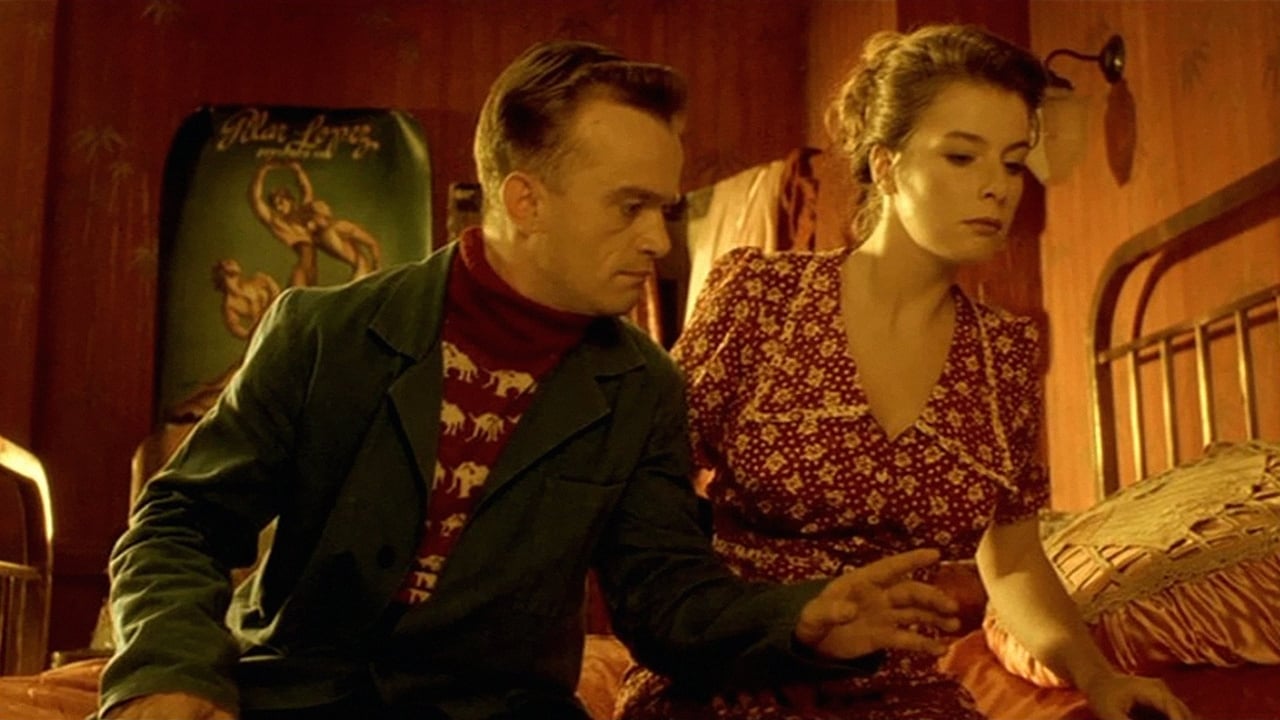
What sets this film apart from your standard indie "weird for the sake of weird" fare is its incredible sense of rhythm. There is a famous sequence—one I’ve rewatched dozens of times—where the entire building begins to move in sync with the squeaking springs of a bed where the butcher and Mademoiselle Plusse (Karin Viard) are... occupied. The rhythmic creaking is joined by Ticky Holgado’s character pumping a bicycle tire, Julie playing her cello, and a woman beating a rug.
It’s a symphony of the mundane that builds into a chaotic, hilarious crescendo. The film proves that even the end of the world is no excuse for bad rhythm. Jeunet and Caro’s background in animation and music videos is on full display here; they treat the frame like a musical score. It’s the kind of precision filmmaking that reminds you how much fun a director can have when they aren't worried about setting up a multi-film cinematic universe.
Clowns, Cannibals, and the Troglodistes
The casting is nothing short of inspired. Dominique Pinon, with a face that looks like it was sketched by a daydreaming gargoyle, is the heart of the movie. He brings a silent-film sensibility to Louison, channeling Buster Keaton through a French lens. His chemistry with Marie-Laure Dougnac is genuinely sweet, providing a necessary counterweight to the darker elements of the story, like the "Troglodistes"—a subterranean group of vegetarian rebels who live in the sewers and look like they’ve been rejected from a Steampunk convention.
While the film was made for a relatively modest $4 million, the production design makes it feel massive. The apartment building is a character in itself, full of hidden traps, leaking pipes, and secret passages. It’s a masterclass in how to use a single location to build an entire mythology. Turns out, when you don't have the budget for sprawling CGI vistas, you have to make sure every door handle and light switch tells a story.
Looking back on Delicatessen thirty-plus years later, it’s shocking how well it holds up. It hasn't aged a day because it never tried to look "modern" to begin with. It exists in its own timeless pocket of history, somewhere between a 1940s newsreel and a fever dream. The butcher is essentially the 1990s' most terrifying version of a HOA president, and the film's blend of slapstick humor and pitch-black horror remains as sharp as Clapet’s cleaver.
If you’ve only ever known Jeunet through the whimsical, color-saturated streets of Amélie, you owe it to yourself to see where that vision started. This is his darker, hungrier older brother. It’s a film that asks us what we’re willing to sacrifice to survive, and then answers with a joke and a magic trick. Pull up a chair, try not to ask too many questions about what's in the pâté, and enjoy one of the most original visions the 90s ever produced.
Keep Exploring...
-
The City of Lost Children
1995
-
A Grand Day Out
1990
-
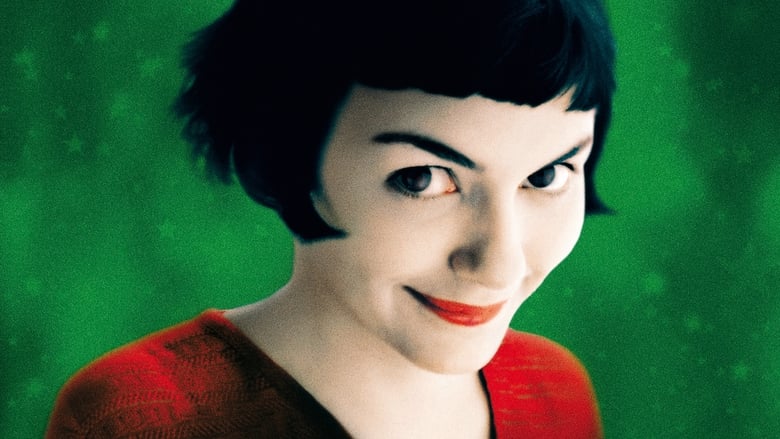
Amélie
2001
-

Mars Attacks!
1996
-

Small Soldiers
1998
-
A Very Long Engagement
2004
-
Robot & Frank
2012
-
Safety Not Guaranteed
2012
-
The Visitors
1993
-
Kung Fury
2015
-
Sorry to Bother You
2018
-
Man Bites Dog
1992
-

The Nutty Professor
1996
-
Back to the Future Part III
1990
-

DuckTales: The Movie - Treasure of the Lost Lamp
1990
-
Gremlins 2: The New Batch
1990
-
Teenage Mutant Ninja Turtles
1990
-
Tremors
1990
-
Hook
1991
-
The Addams Family
1991