Father of the Bride
"The cost of love is exactly $250 per plate."
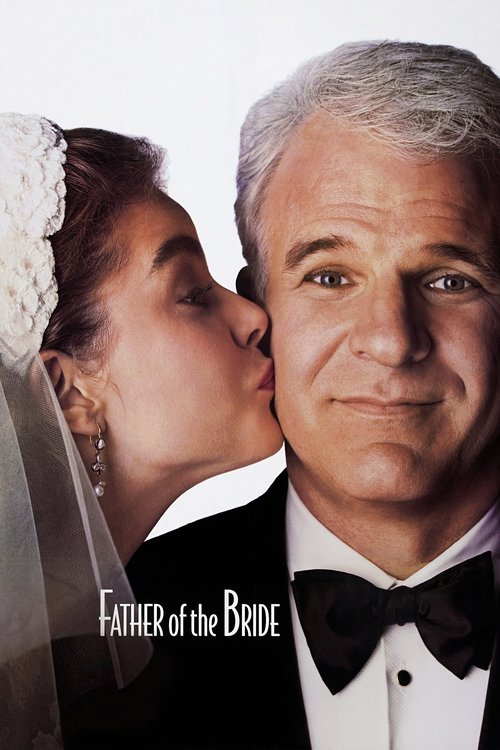
The sight of Steve Martin losing his absolute mind over a pack of hot dog buns is, in my professional opinion, the pinnacle of 1990s comedic cinema. There he is, George Banks, a man who owns a successful shoe company, reduced to a trembling mess in a supermarket aisle because he refuses to pay for "superfluous" buns. It’s a moment of pure, petty rebellion against a world that is suddenly moving too fast—and costing too much. While 1991 was busy giving us the liquid metal of Terminator 2: Judgment Day, Charles Shyer and Nancy Meyers were giving us something arguably more terrifying: the bill for a suburban wedding.
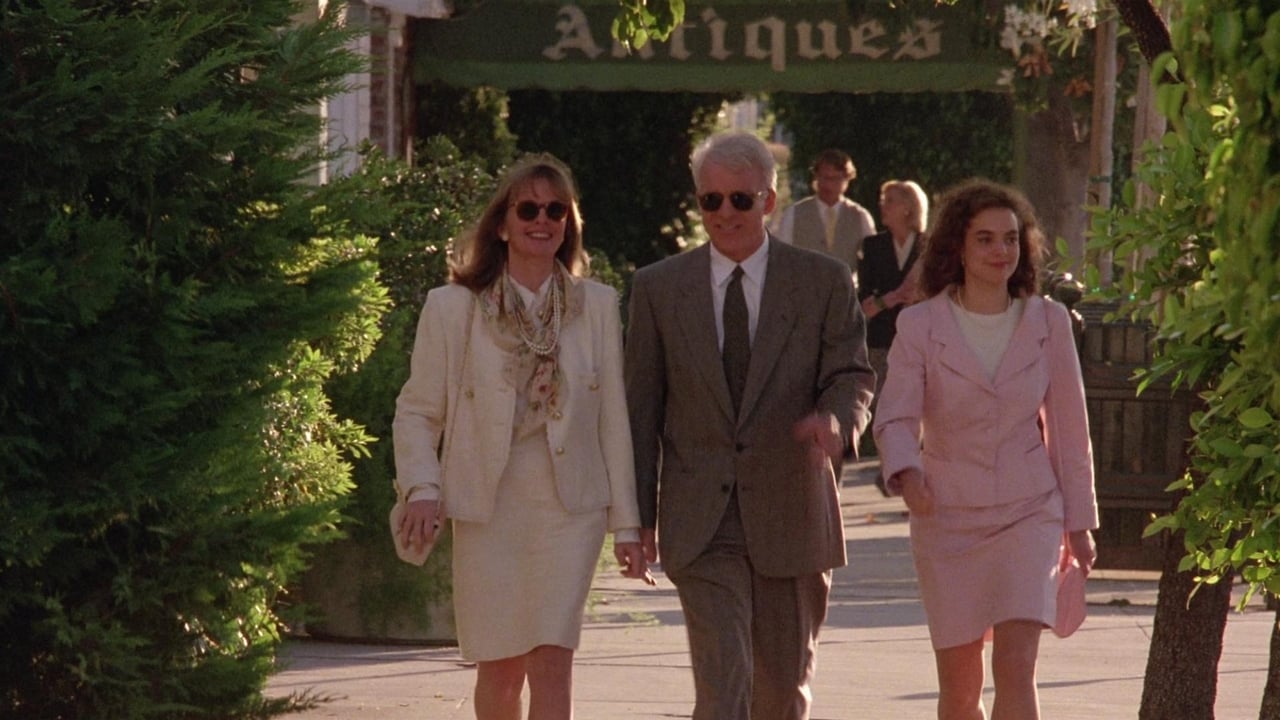
I recently rewatched this while eating a bowl of lukewarm SpaghettiOs, and the sheer contrast between my sad desk lunch and the Banks’ perfectly manicured kitchen was enough to make me want to file for emotional damages. It’s easy to dismiss Father of the Bride as just another piece of "comfy" 90s programming, but looking back, it’s a masterclass in how to transition a high-concept premise into a deeply felt character study.
The Architecture of a Dad’s Breakdown
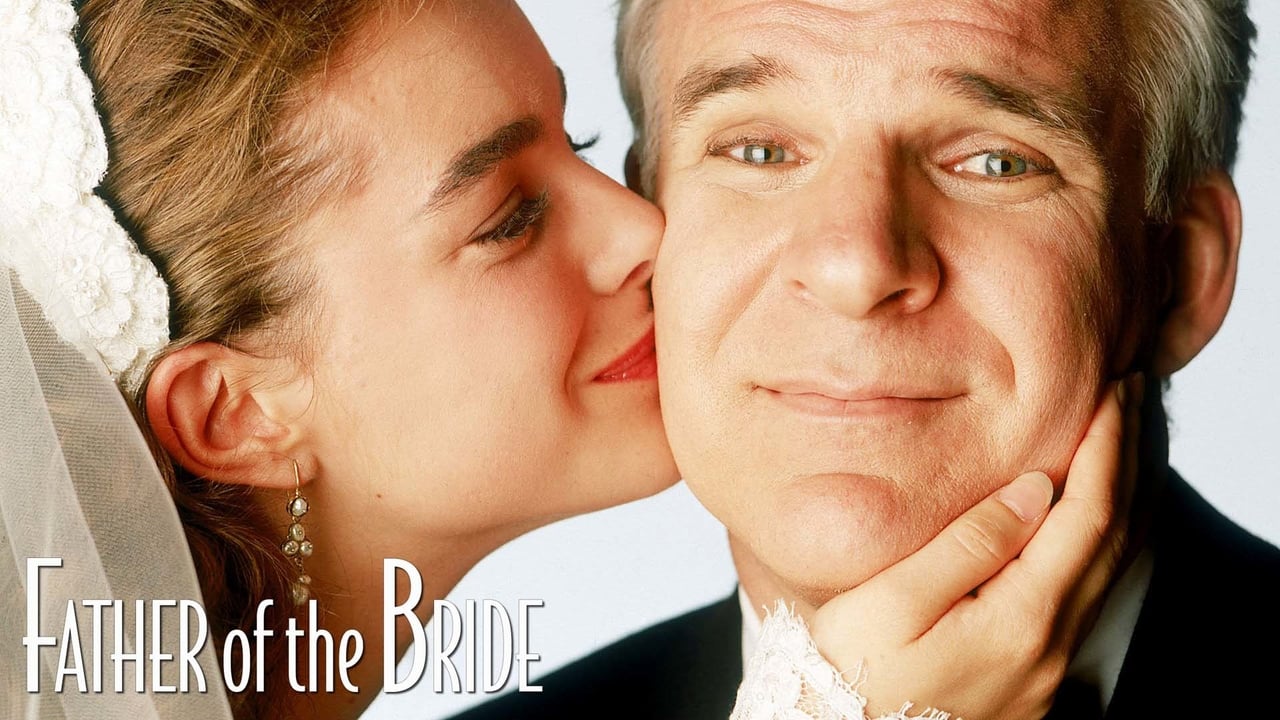
The 1990s were the golden era of the "Meyers House"—that aspirational, beige-and-white sanctuary where the lighting is always golden and the kitchens are large enough to host a small parliament. In Father of the Bride, the house isn't just a set; it’s George’s fortress. When his daughter Annie (Kimberly Williams-Paisley) returns from Europe and announces she’s marrying a man she met in the rain, the fortress begins to crumble.
What I love about Steve Martin’s performance here is the restraint. We know Martin for his wilder years, the "wild and crazy guy" energy, but as George, he funnels all that manic power into a slow-simmering internal monologue. He’s the everyman who realizes he’s no longer the protagonist of his own life. Watching him try to squeeze into his old tuxedo is a physical comedy bit that feels earned rather than forced. George Banks is essentially a man experiencing a mid-life crisis where the only available weapon is a checkbook he doesn't want to open.
Diane Keaton plays Nina Banks with that effortless, breezy intelligence she perfected in this era. She’s the anchor that keeps the movie from drifting into total slapstick. The chemistry between her and Martin feels lived-in; they aren't just a "movie couple," they’re people who have clearly argued about where the extra towels are kept for twenty years.
The Franck Factor and 90s Caricature
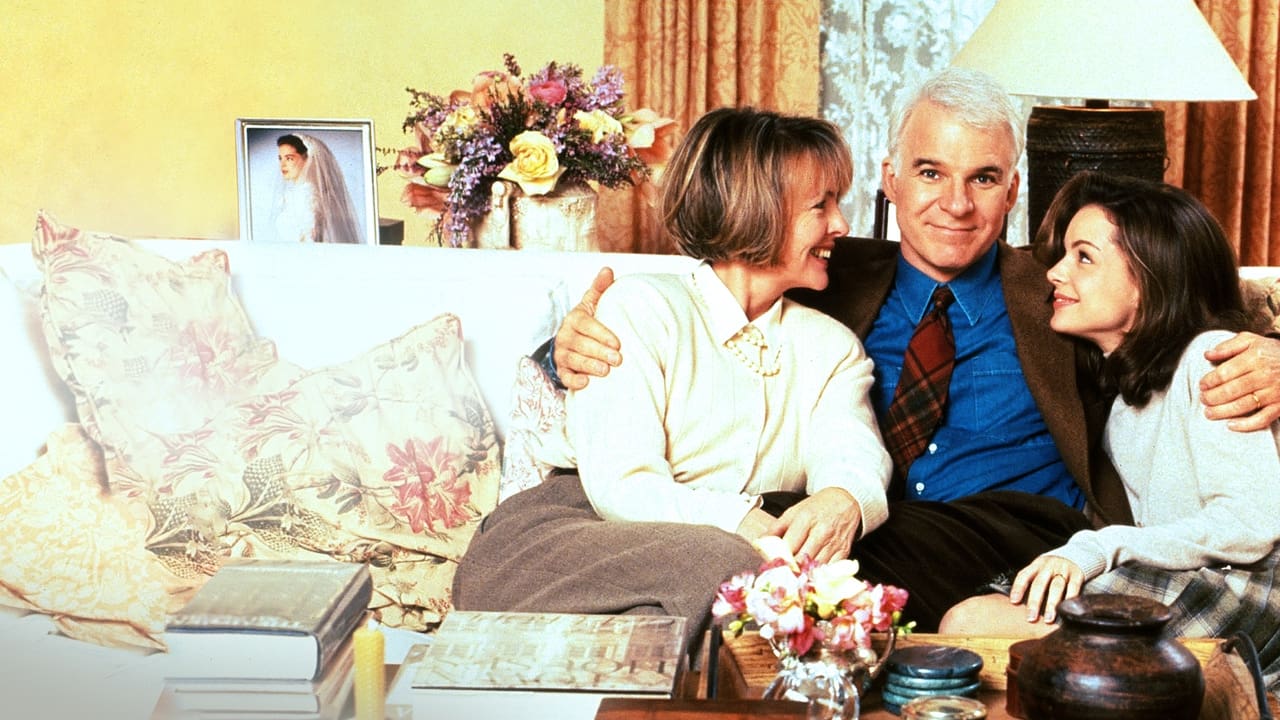
Then there is Franck. Martin Short enters the film like a glitter bomb detonating in a library. As the flamboyant, incomprehensible wedding coordinator Franck Eggelhoffer, Short is doing a lot. Looking back at this through a modern lens, Franck is a fascinating relic of 90s character work. Is the accent vaguely offensive? Probably. Is it a caricature? Absolutely. But Short’s commitment to the bit is so total that he transcends the "annoying sidekick" trope. He becomes the physical embodiment of George’s confusion. To George, Franck isn't just a guy with a weird accent; he’s a foreign invader who has come to steal his money and turn his house into a swan sanctuary.
The supporting cast is secretly stacked, too. A very young Kieran Culkin pops up as the younger brother, Matty, long before he was winning Emmys for Succession. And George Newbern manages the impossible task of making Bryan MacKenzie—a man so perfect he’s essentially a human golden retriever—actually likable instead of punchable.
Why This "Dad-Com" Still Lands
It’s tempting to look at a movie from 1991 and judge its "dated" elements, but Father of the Bride holds up because its core anxiety is timeless. The technology has changed—today, George would be losing his mind over a wedding hashtag or an Instagram-optimized floral wall—but the feeling of a daughter growing up remains a universal gut-punch.
The film was a massive hit, earning over $89 million, but in the decades since, it has been somewhat relegated to the "Sunday afternoon cable" bin. That’s a mistake. The craft here is top-tier. The score by Alan Silvestri (the same guy who did Back to the Future!) is surprisingly lush and emotional, leaning into the romance as much as the comedy. John Lindley’s cinematography makes San Marino, California look like a dreamscape of American stability.
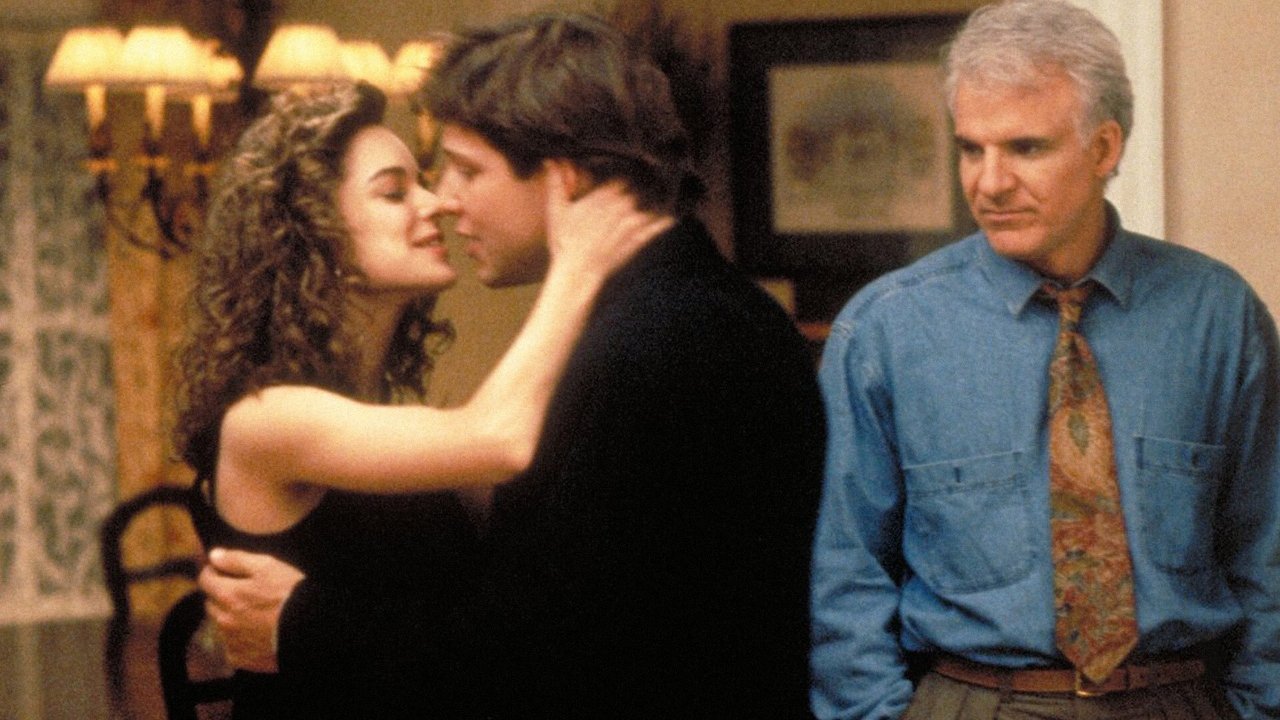
There's a specific trivia tidbit I love: the house used for the exterior shots actually became a tourist landmark, eventually selling for nearly $2 million decades later. It makes sense. We all want to live in a Nancy Meyers movie, even if it means having to deal with Franck and a $250 cake. Interestingly, Steve Martin was only 45 when he filmed this—hardly an old man, yet he plays the "aging patriarch" with such conviction you’d think he was eighty.
Ultimately, Father of the Bride is the ultimate cinematic comfort food. It captures that specific 90s transition where Hollywood perfected the "high-gloss" comedy—films that looked expensive, felt warm, and didn't mind being a little bit sentimental. It’s a movie that understands that a wedding isn't just a party; it's a funeral for a certain stage of life. If you haven't revisited the Banks family in a while, do yourself a favor and dive back in. Just make sure you check the bun-to-hot-dog ratio before you go to the store.
This is a film that rewards the viewer who isn't looking for a "masterpiece," but rather a perfectly tuned instrument of joy. It’s funny, it’s tender, and it features Steve Martin in a tuxedo that is definitely too small. What more could you actually want from a Friday night in?
Keep Exploring...
-

Alfie
2004
-

Cry-Baby
1990
-
It Could Happen to You
1994
-
A Goofy Movie
1995
-
It Takes Two
1995
-

Mallrats
1995
-
That Thing You Do!
1996
-

It's Complicated
2009
-
The Family Stone
2005
-
Morning Glory
2010
-

The Little Rascals
1994
-
Something's Gotta Give
2003
-
Grosse Pointe Blank
1997
-
A Night at the Roxbury
1998
-
EverAfter
1998
-
Out of Sight
1998
-

The Parent Trap
1998
-
Blast from the Past
1999
-
Never Been Kissed
1999
-

Heartbreakers
2001