Fried Green Tomatoes
"Friendship is the secret ingredient. Murder is the seasoning."
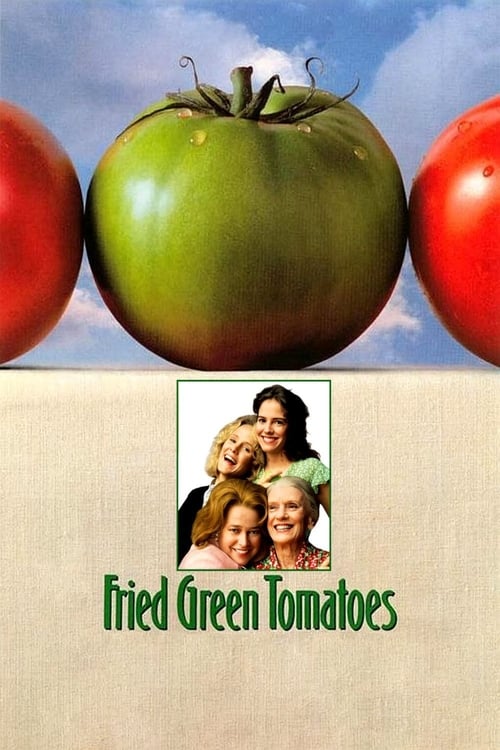
I recently snagged a copy of Fried Green Tomatoes on a DVD that still had a "Be Kind, Rewind" sticker on it—a hilarious relic of the VHS-to-digital handoff. As I sat there in my slightly-too-cold living room, struggling with a stubborn hangnail, I realized that this movie is the cinematic equivalent of a heavy handmade quilt. It’s warm, a bit rough around the edges, and carries a weight that catches you off guard if you aren't prepared for it.
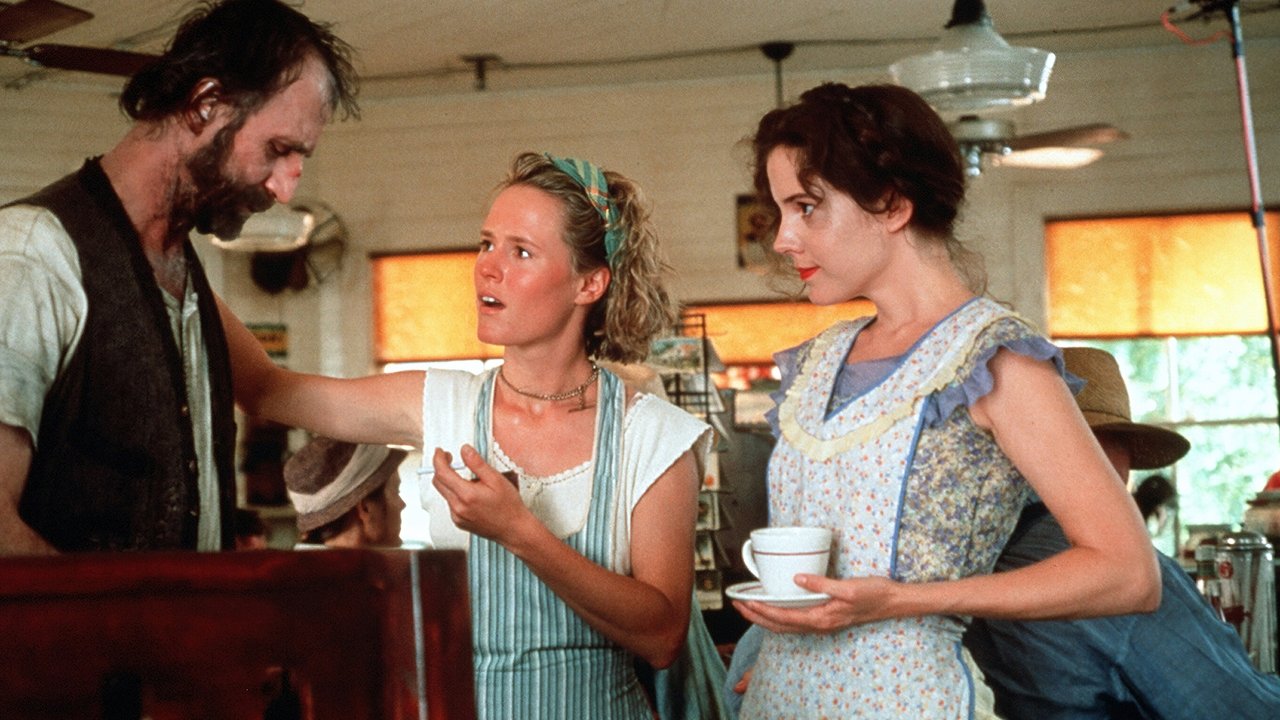
In 1991, this film was a massive "sleeper hit." It didn't have capes or explosions, yet it turned an $11 million budget into nearly $120 million at the box office. Looking back from our era of algorithmic franchises, it’s hard to fathom a character-driven Southern drama about an elderly woman in a nursing home becoming a cultural juggernaut. But that’s the magic of the early 90s; audiences were still hungry for stories that felt like they were told over a porch swing rather than a boardroom table.
The Art of the Southern Double-Feature
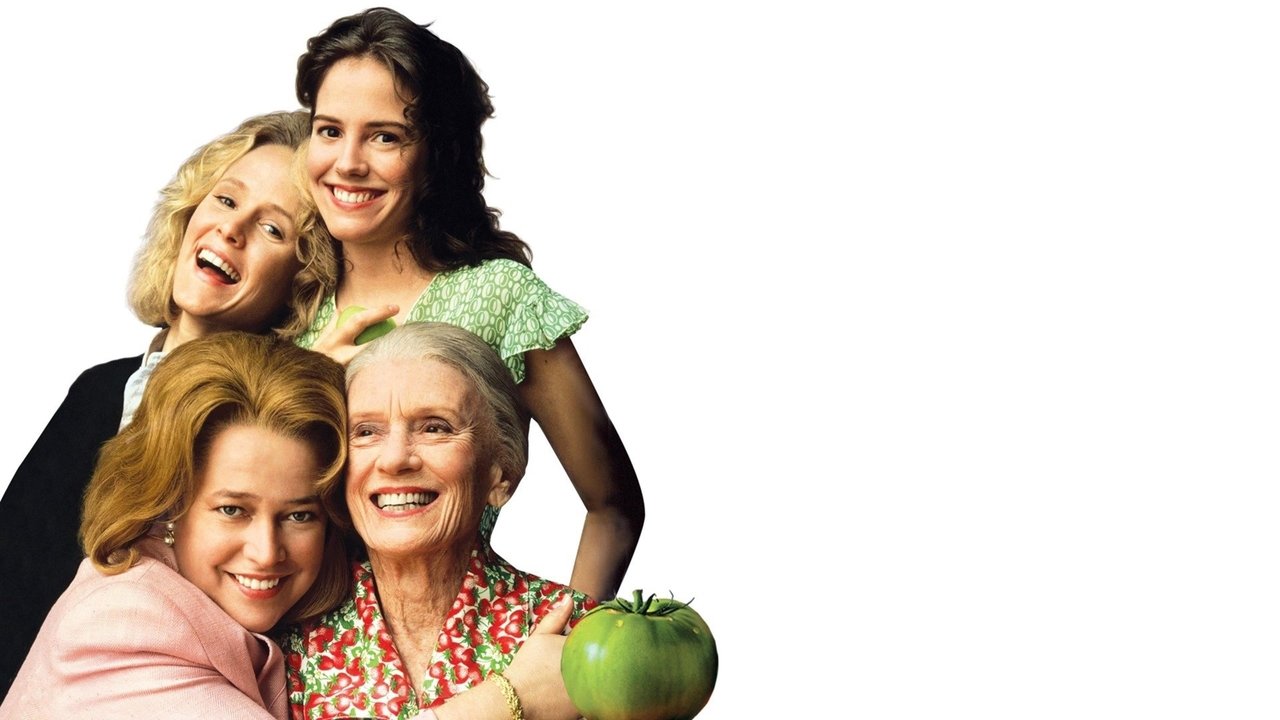
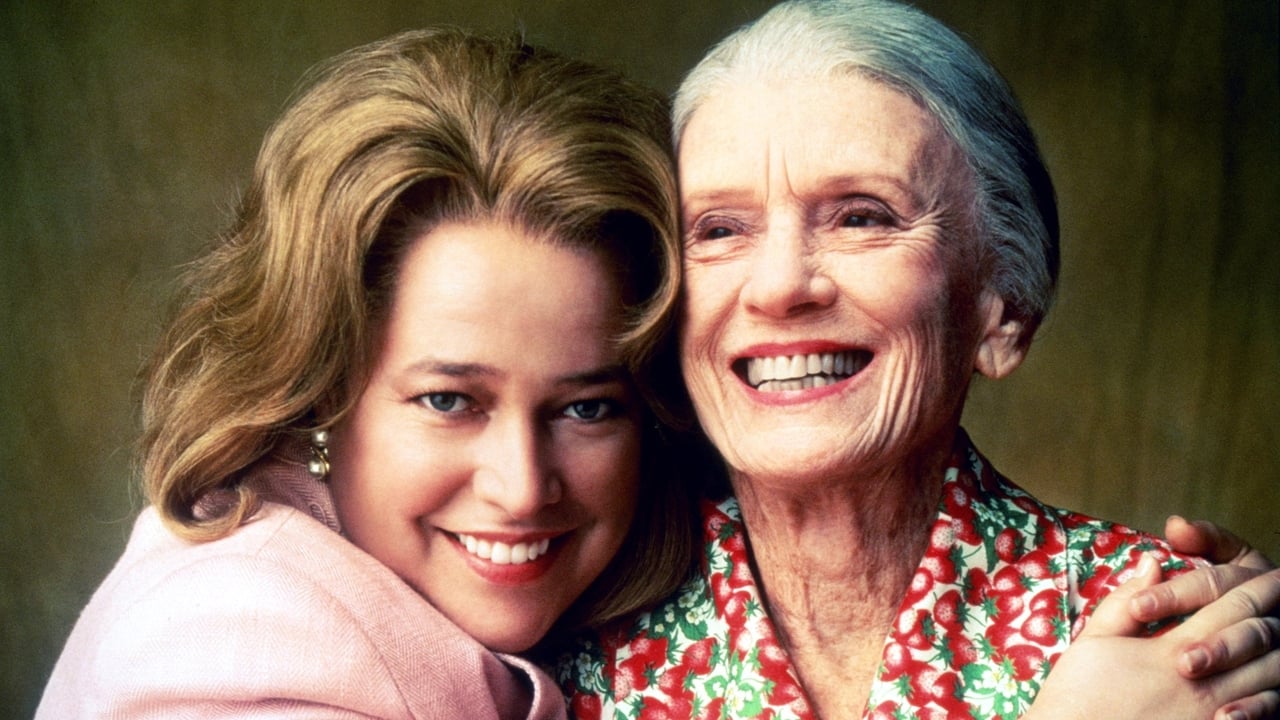
The film operates on two timelines, a structure that could easily feel clunky but here feels like a conversation. In the "modern" (well, 1990s) segment, we have Kathy Bates as Evelyn Couch, a woman who has essentially become a ghost in her own life. She’s trapped in a beige marriage and a cycle of emotional eating until she meets Ninny Threadgoode, played by the legendary Jessica Tandy.
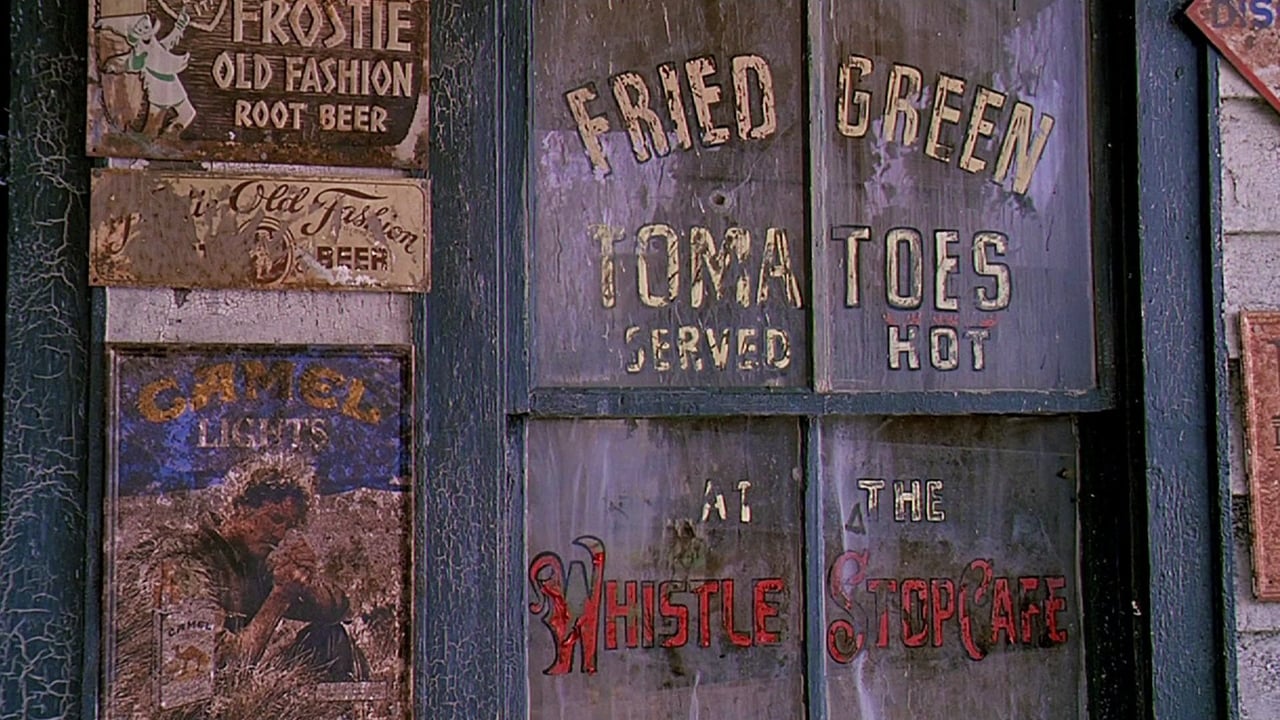
Jessica Tandy was 82 here, fresh off her Oscar win for Driving Miss Daisy, and she radiates a kind of mischievous sparkle that keeps the movie from ever feeling too sentimental. As Ninny tells Evelyn the story of Whistle Stop, Alabama, we’re transported back to the 1920s to meet the "Bee Charmer" Idgie Threadgoode (Mary Stuart Masterson) and the refined Ruth Jamison (Mary-Louise Parker).
The chemistry between Masterson and Parker is the film’s heartbeat. While the movie famously dialed down the explicit romantic nature of their relationship found in Fannie Flagg’s novel, the intimacy is undeniable. It’s in the way they look at each other across a food-flecked kitchen. Mary Stuart Masterson gives Idgie a feral, defiant energy that feels shockingly modern—she’s a woman who refuses to be tamed by the Great Depression or the KKK.
Towanda and the Joy of Righteous Fury
There is a specific brand of 90s catharsis that Kathy Bates perfected in this film. After weeks of listening to Ninny’s stories of female rebellion, Evelyn finally snaps. She rams her car into the red convertible of two younger women who stole her parking space, screaming "TOWANDA!" while looking like she just discovered fire.
It is, quite frankly, the most satisfying act of vehicular battery ever committed to celluloid. It’s the moment the drama pivots into a celebration of self-worth. Kathy Bates manages to make Evelyn’s transition from a mousy housewife to a menopause-empowered warrior feel earned rather than caricatured.
But the film doesn't just play in the sandbox of "girl power." It digs into some incredibly dark soil. This is a story that tackles domestic abuse, the systemic racism of the Jim Crow South, and, famously, a very creative way to dispose of a body. The "secret's in the sauce" tagline isn't just a cute quip; it’s a wink at a gruesome act of vigilante justice that the film handles with a surprisingly light, almost comedic touch.
A Recipe That Still Holds Its Flavor
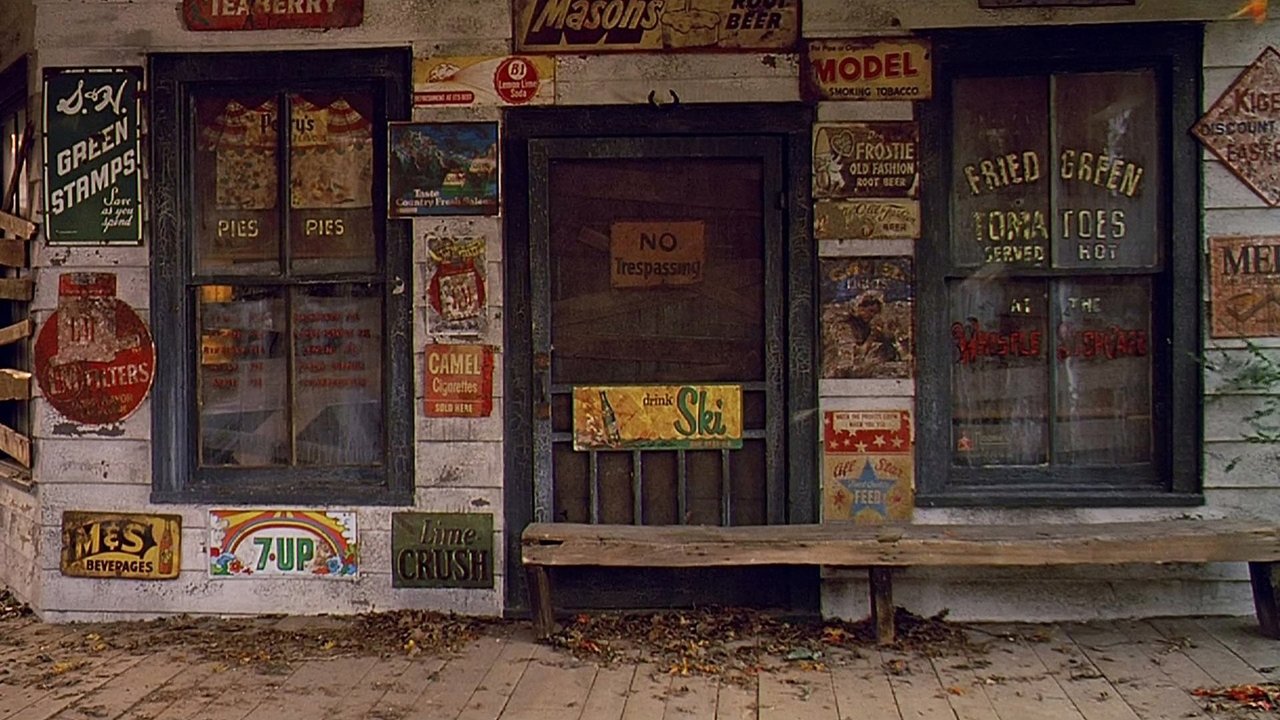
Director Jon Avnet and cinematographer Geoffrey Simpson give the Whistle Stop scenes a golden, honey-drenched glow that feels like a memory. However, the film avoids being a total "nostalgia trap" by grounding the beauty in the performances of the supporting cast. Cicely Tyson as Sipsey and Stan Shaw as Big George provide the film's moral backbone. They represent the quiet, dangerous resilience required to survive that era, and their performances add a layer of gravitas that prevents the movie from becoming too sugary.
Is it a bit manipulative? Sure. Thomas Newman’s score knows exactly which heartstrings to yank and when. But in an age where many modern dramas feel sterilized or afraid to be "earnest," Fried Green Tomatoes feels refreshingly honest about its emotions. It reminds me of a time when we went to the movies just to feel a lot of things at once—joy, anger, grief, and a sudden, inexplicable craving for fried soul food.
The film has aged remarkably well, mostly because its central theme—that we are kept alive by the stories people tell about us—is timeless. It’s a testament to the power of the "indie-adjacent" hit of the early 90s, proving that you don't need CGI to build a world that stays with the viewer long after the credits roll.
Fried Green Tomatoes is the kind of movie that makes you want to call your grandmother and apologize for not visiting more often, while simultaneously making you want to go out and dent a jerk's car in a grocery store parking lot. It’s a beautifully acted, unapologetically Southern slice of life that balances its lighthearted humor with a dark, rebellious streak. If you haven't seen it in a decade, it’s time to head back to the cafe. The sauce is still just as good as you remember.
Keep Exploring...
-
About a Boy
2002
-
About Schmidt
2002
-
Mean Girls
2004
-
The Devil Wears Prada
2006
-
The Bucket List
2007
-
Love & Other Drugs
2010
-

Arthur Christmas
2011
-
Silver Linings Playbook
2012
-
Birdman or (The Unexpected Virtue of Ignorance)
2014
-

The Muppet Christmas Carol
1992
-
The Player
1992
-
As Good as It Gets
1997
-
Stepmom
1998
-
Billy Elliot
2000
-
Lost in Translation
2003
-
Mr. & Mrs. Smith
2005
-
The Artist
2011
-
The Best Exotic Marigold Hotel
2012
-
A League of Their Own
1992
-
Sneakers
1992