Hudson Hawk
"Espresso, Sinatra, and the world's most expensive dad joke."

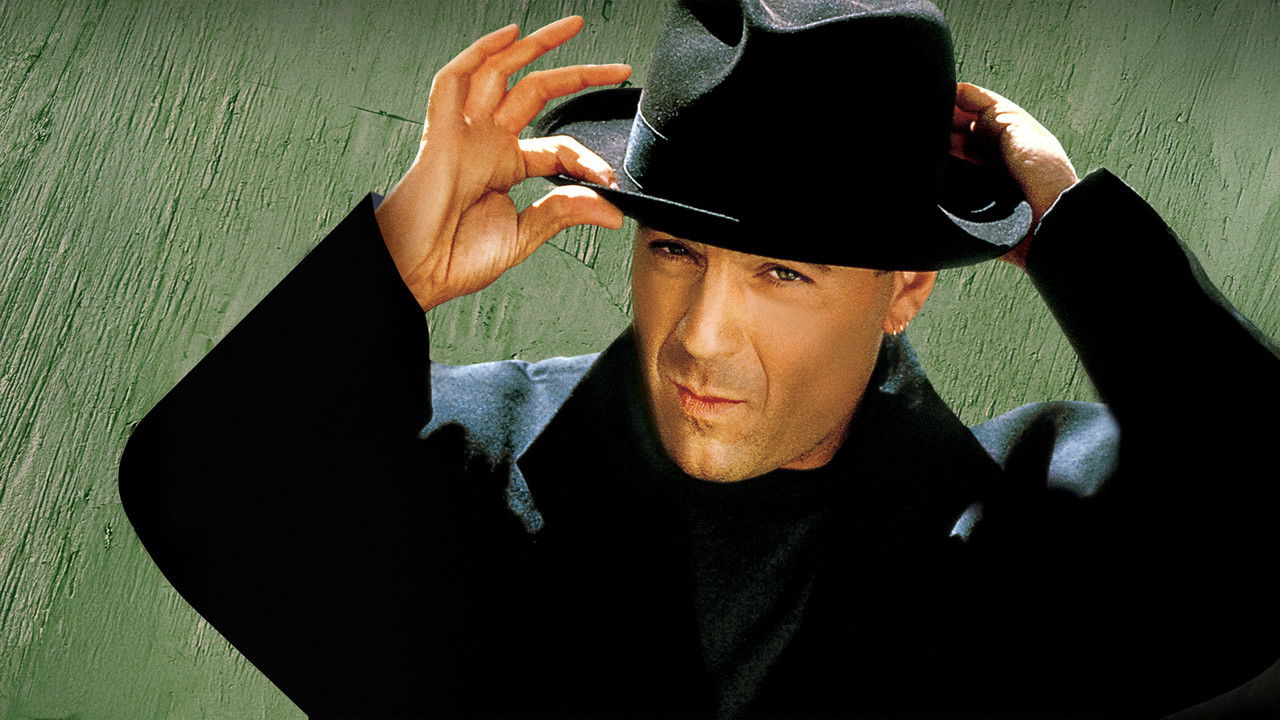
I recently rewatched Hudson Hawk while nursing a lukewarm cup of instant decaf—a poor substitute for the double espresso our protagonist craves throughout the entire film—and I realized something: we were all far too mean to Bruce Willis in 1991. At the time, this movie was treated like a cinematic war crime. It swept the Razzies, tanked at the box office, and became the go-to punchline for "bloated star vehicle." But looking back from the vantage point of our current era of assembly-line franchise filmmaking, Hudson Hawk feels less like a disaster and more like a gloriously weird, hand-crafted artifact of pure ego.
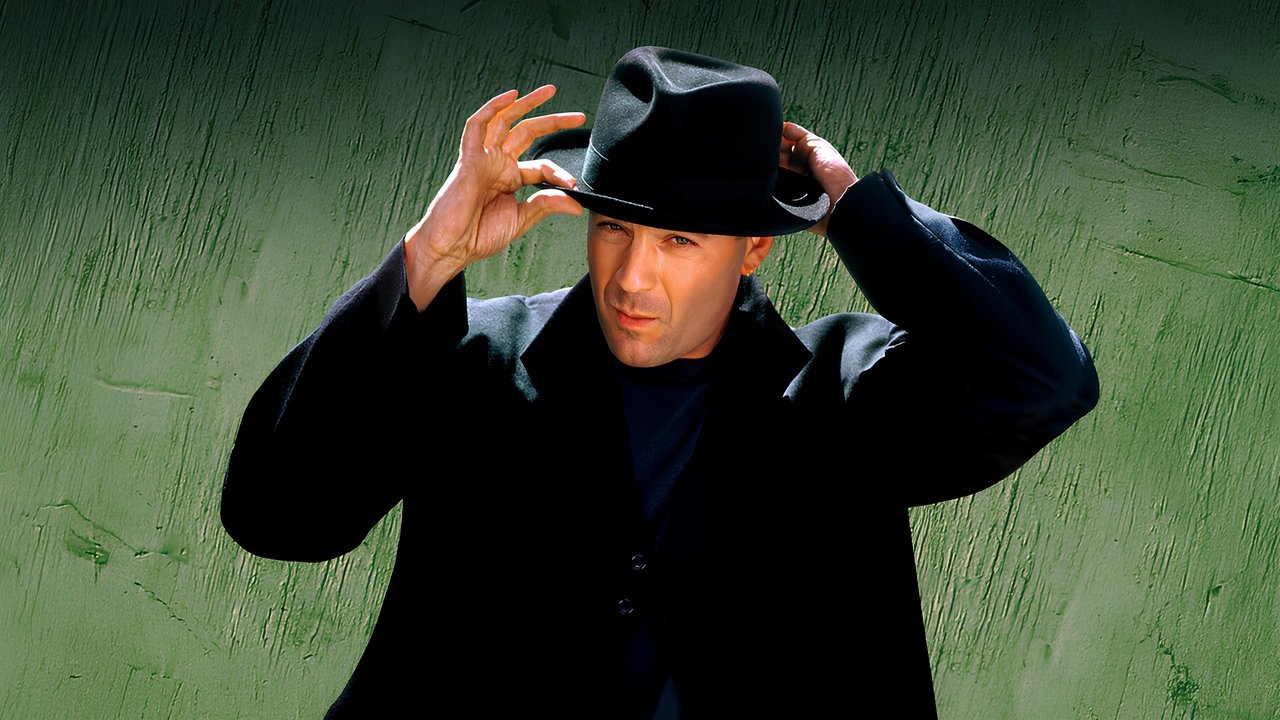
The $65 Million Looney Tune
The plot, if you can call it that, involves Eddie "Hudson Hawk" Hawkins (Bruce Willis), a world-class cat burglar fresh out of Sing Sing who just wants a cappuccino. Instead, he’s blackmailed by the CIA, the Mafia, and a pair of psychotic billionaires into stealing three Leonardo da Vinci artifacts. Why? Because the villains, Darwin and Minerva Mayflower, want to use a secret "La Maicchina dell'Oro" hidden inside the works to turn lead into gold and crash the world economy.
If that sounds like a cartoon, that’s because it is. Directed by Michael Lehmann (who had just come off the acerbic Heathers) and co-written by Steven E. de Souza (Die Hard) and Daniel Waters (Batman Returns), the film rejects the gritty "cowboy cop" tropes Willis was known for. Instead, it embraces a surrealist, slapstick energy. There are sound effects that wouldn’t be out of place in a Road Runner short, and the villains are so over-the-top they’re practically orbiting the moon. Richard E. Grant and Sandra Bernhard play the Mayflowers with such frantic, scenery-chewing desperation that I’m convinced they were being paid in pure adrenaline and espresso beans.
Timing the Heist with Sinatra
The action choreography is where the film earns its "cult gem" status. The signature gimmick involves Hawk and his partner, Tommy Five-Tone (Danny Aiello), timing their robberies to the exact length of classic songs. Watching them pull off a high-stakes heist while harmonizing to "Swinging on a Star" or "Side by Side" is genuinely delightful. It’s a rhythmic, musical approach to action that predates the "synced-to-the-beat" style of Baby Driver by over twenty-five years.
The stunts have that heavy, bone-crunching 90s weight to them. When Bruce Willis is sliding down a wire or tumbling off a roof, it feels physical in a way that modern CGI-assisted stunts often lack. There’s a spectacular sequence involving a high-speed chase where Hawk is strapped to a gurney that feels both dangerous and ridiculous. It’s the kind of practical execution that reminds you why we miss 90s mid-budget (well, high-budget for the time) action—you can see the sweat on the stunt performers.
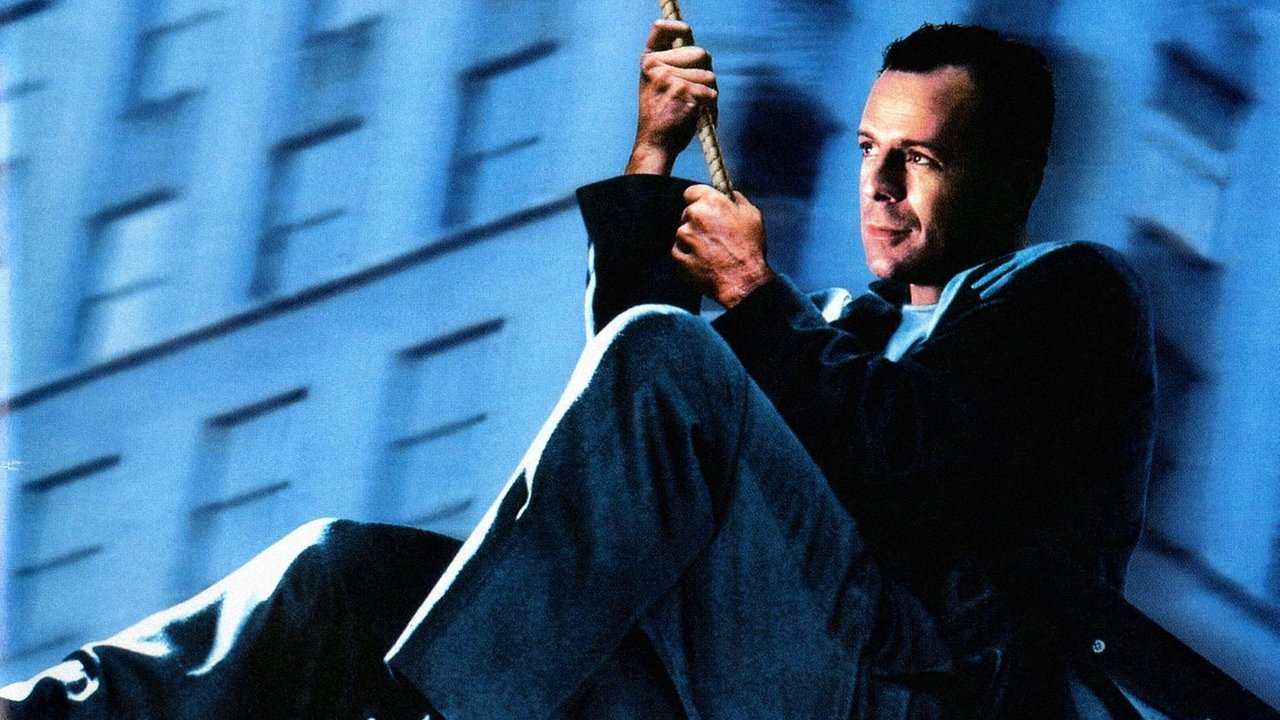
A Masterclass in Being "Too Much"
The supporting cast is a fever dream of "Who’s Who" from that era. Andie MacDowell plays Anna Baragli, a Vatican counter-espionage agent who is also a nun (yes, really), and her chemistry with Willis is... well, it’s mostly her looking confused while he smirks. Then there’s James Coburn, playing a CIA leader whose team of "Candy Bar" agents—named Almond Joy, Butterfinger, Snickers, and Kit Kat—are all hilariously incompetent.
It’s easy to see why 1991 audiences hated it. They wanted Die Hard 3, and Willis gave them a vaudeville act with explosions. He was at the peak of his "smirking leading man" phase, and this movie is essentially a $65 million dad joke told by a guy who thinks he’s much cooler than he actually is. But that’s exactly why it works now. In an age where every blockbuster is terrified of being "cringe," Hudson Hawk leans so far into its own absurdity that it comes out the other side as something unique. It’s a "vanity project" in the truest sense, but Willis’s vanity at the time was weirdly creative.
The Legacy of a Flop
Looking back, Hudson Hawk represents the end of an era before the digital revolution truly took hold. Most of what you see on screen is real: the Italian locations, the massive sets, the practical explosions. It’s a film that couldn’t exist today because no studio would greenlight a $100-million-equivalent musical-comedy-heist movie about alchemy.
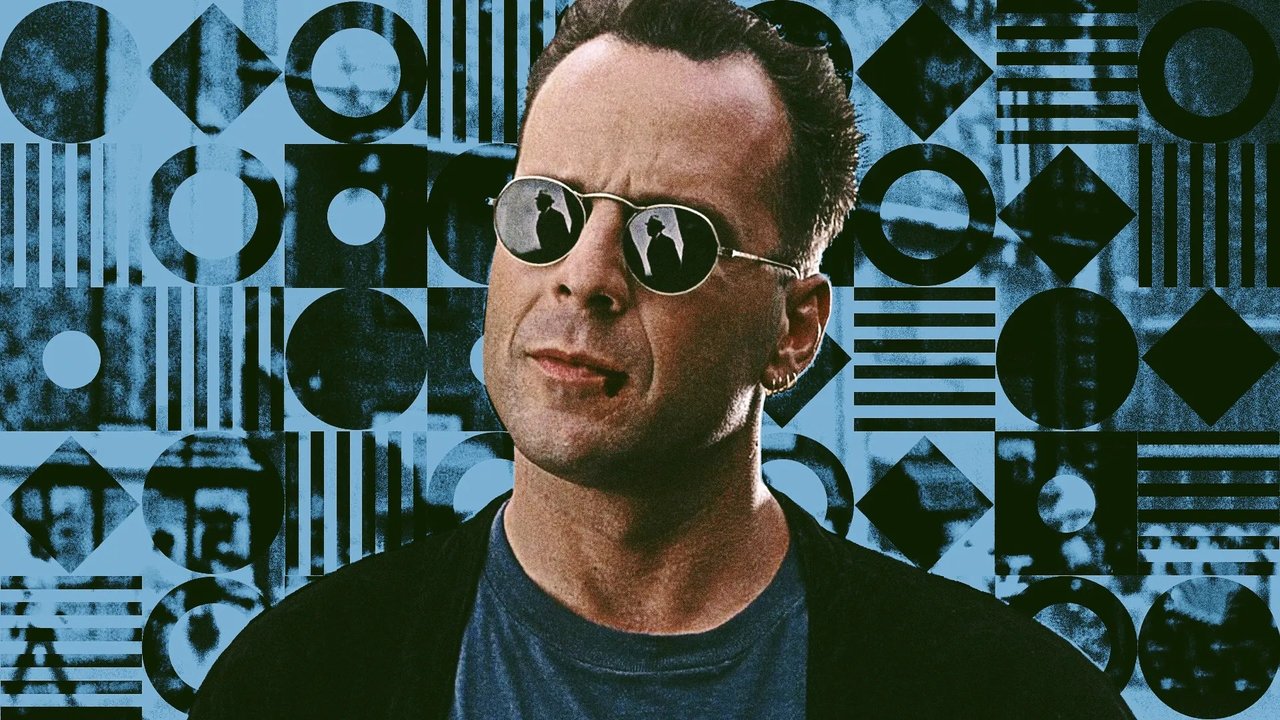
The DVD and later Blu-ray releases have allowed for a slow-burn reassessment. It’s not a perfect movie—the pacing is frantic, and some of the humor is undeniably dated—but it has a soul. It has a specific, weird vision that hasn't been sanded down by focus groups. It’s the ultimate "one for them, one for me" project where the "for me" part was a billion-to-one shot that missed the target but hit a very interesting tree.
If you go into Hudson Hawk expecting a tight action-thriller, you will be miserable. But if you approach it as a live-action cartoon where the rules of physics and logic are replaced by the rules of musical theater and Borscht Belt comedy, you’re in for a blast. It’s a messy, loud, and frequently hilarious relic of a time when movie stars were allowed to be truly, bafflingly strange. Just make sure you have a good espresso standing by—you’ll need the caffeine to keep up.
---
Keep Exploring...
-
Teenage Mutant Ninja Turtles II: The Secret of the Ooze
1991
-

RED
2010
-

Mystery Men
1999
-
Osmosis Jones
2001
-

Sahara
2005
-

Speed Racer
2008
-
Maverick
1994
-
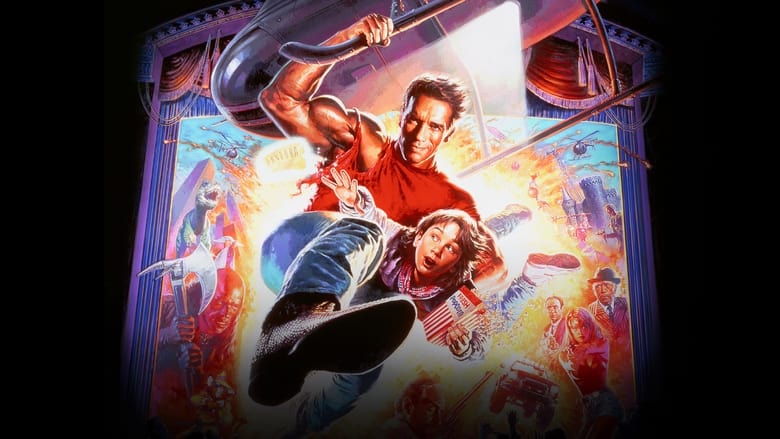
Last Action Hero
1993
-
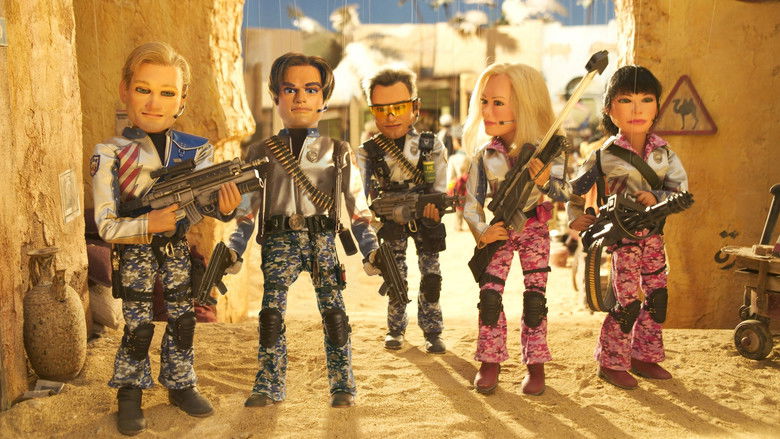
Team America: World Police
2004
-

30 Minutes or Less
2011
-
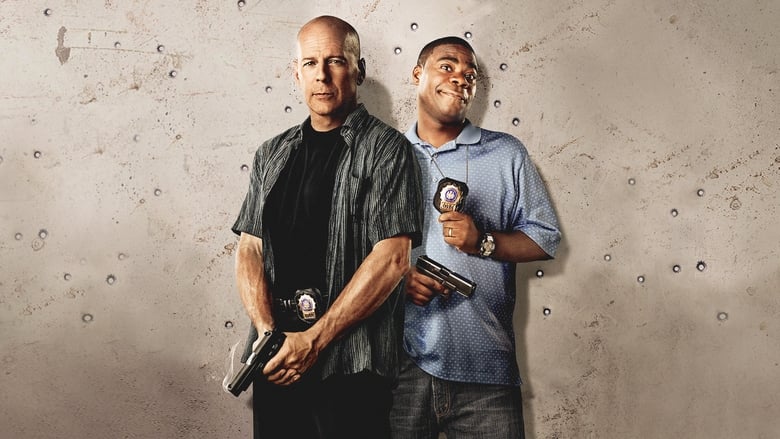
Cop Out
2010
-
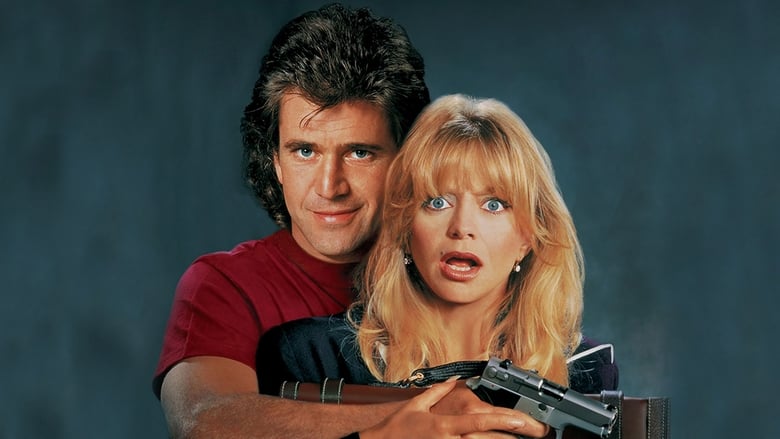
Bird on a Wire
1990
-
Teenage Mutant Ninja Turtles
1990
-
The Three Musketeers
1993
-
Taxi 2
2000
-
Lethal Weapon 4
1998
-
Charlie's Angels
2000
-
Shanghai Noon
2000
-
The Rundown
2003
-

Night at the Museum
2006