JFK
"The truth is a ghost that haunts the courtroom."
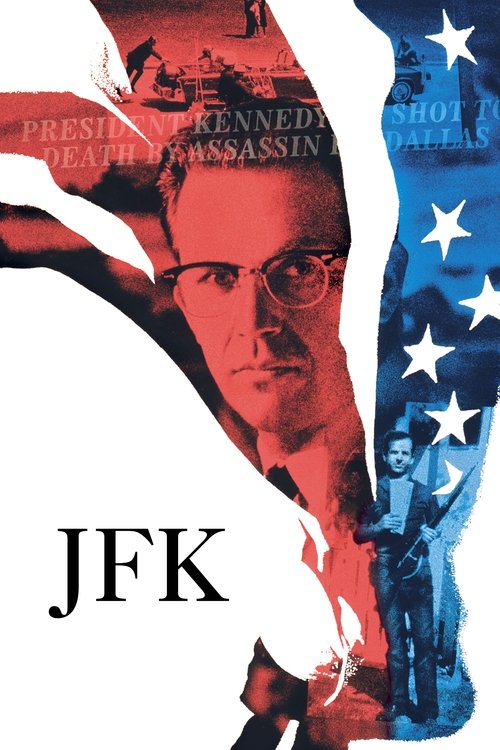
Three hours of grainy film stock, rapid-fire editing, and a sweating Joe Pesci shouldn’t be this addictive. I recently revisited Oliver Stone’s JFK on a rainy Tuesday while my radiator hissed like a conspirator in a dark hallway, and I was struck by how much this film feels like a fever dream that happened to have a $40 million budget. In 1991, the world wasn't quite ready for a mainstream blockbuster to look this chaotic, yet it remains one of the most successful "angry" movies ever made.
The Juggernaut of Paranoia
Most historical dramas walk you through events with a polite, steady hand. Oliver Stone, however, grabs you by the collar and throws you into a blender filled with 8mm home movies, black-and-white reenactments, and frantic newsreel footage. This was a massive technical gamble in the early 90s. Before digital non-linear editing became the industry standard, editors Pietro Scalia and Joe Hutshing had to physically cut and splice thousands of tiny fragments of film to create this rhythmic, hypnotic pace.
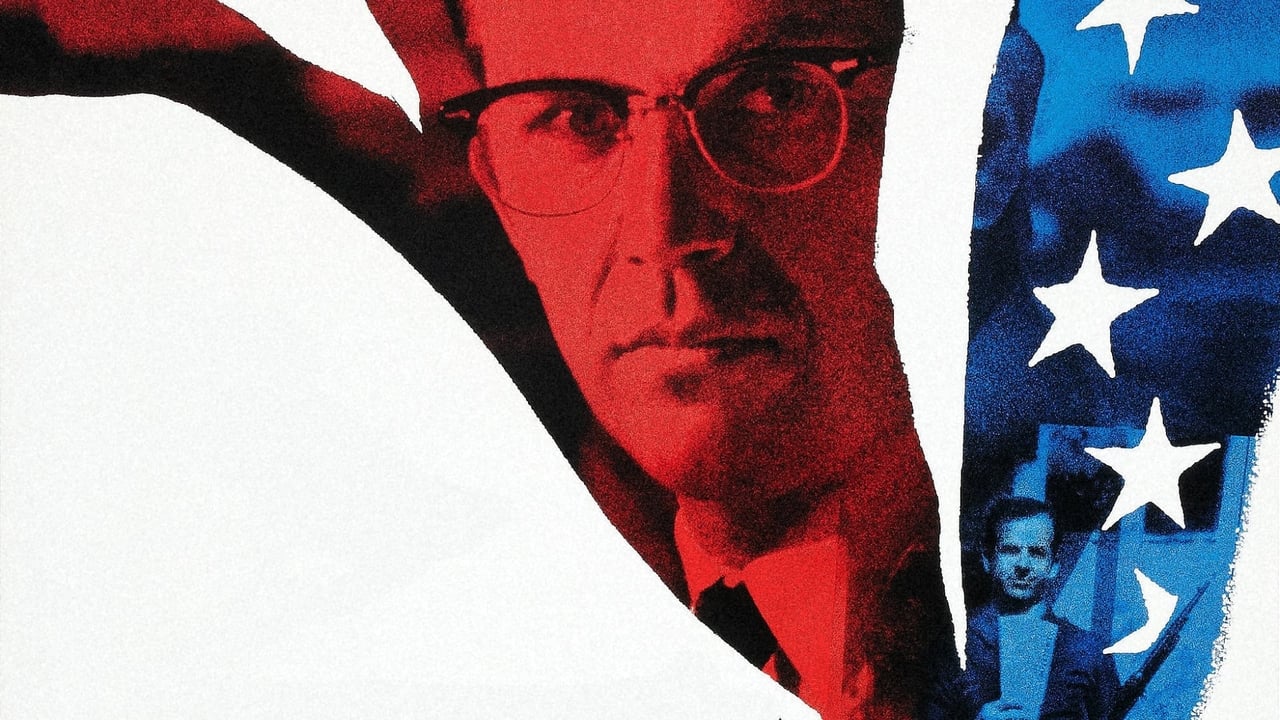
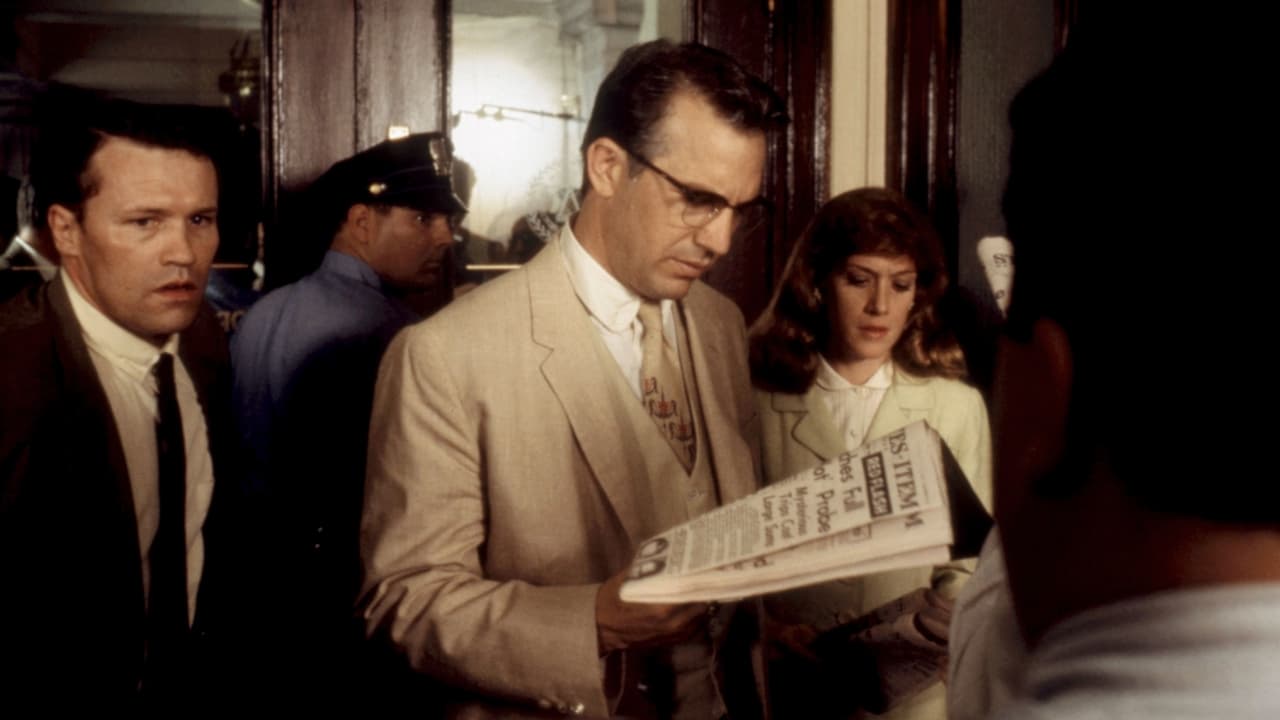
It’s a style that mirrors the mind of Jim Garrison, played with a sort of sturdy, Boy Scout intensity by Kevin Costner. As Garrison digs deeper into the New Orleans connection to the assassination, the movie starts to feel like a jigsaw puzzle where the pieces are vibrating. Oliver Stone is the patron saint of the 'Too Much' gene, and here, "too much" is exactly what the material requires. You don't just watch the conspiracy; you feel the walls closing in.
A Gallery of the Damned
The casting here is frankly ridiculous. It feels like every working actor in 1991 showed up for a day or two just to get a piece of the madness. We have Gary Oldman delivering a chillingly blank Lee Harvey Oswald, an actor who manages to look like a different person in every frame of film. Then there’s Tommy Lee Jones as Clay Shaw, wearing a silver wig and a layer of aristocratic arrogance that makes your skin crawl.
But the real MVP of the "weird energy" department is Kevin Bacon as Willie O'Keefe. His performance is a lightning strike—foul-mouthed, terrified, and utterly convincing as a man who knows too much and hates himself for it. Even Jack Lemmon pops up for a few minutes as Jack Martin, looking like a man who has lived on a diet of cigarettes and regret. The ensemble gives the film a weight that grounds the more outlandish theories; when actors of this caliber are looking this scared, you tend to believe them.
The Gospel of Mr. X
The centerpiece of the film isn't a car chase or a shoot-out, but a conversation on a park bench. Donald Sutherland appears as "Mr. X," a high-level deep-state informant who lays out the "why" of the assassination. It’s a twenty-minute monologue that should be boring, but Sutherland delivers it with the calm, terrifying authority of a man explaining the weather.
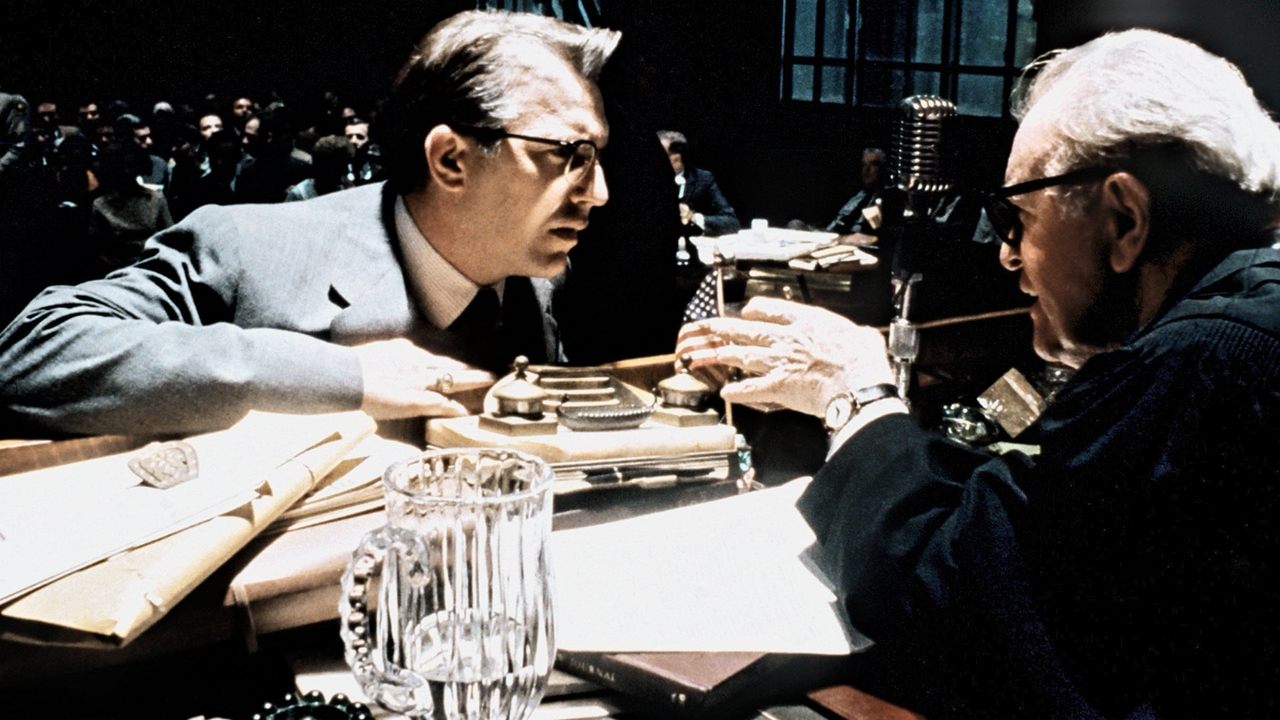
Looking back from our modern era of "fake news" and internet rabbit holes, this sequence hits differently. In 1991, Stone was accused of being a "cinematic historian" who played fast and loose with the facts. But Stone’s goal wasn't to provide a definitive textbook answer; it was to provide a "counter-myth" to the Warren Commission. He wanted to make the audience uncomfortable with the silence of the government. Costner’s closing monologue is basically a three-hour trial summarized by a man who sounds like he’s selling you a lawnmower, yet by the time he cries out about the "ghost of a President," I defy you not to feel a lump in your throat.

A Legacy Written in Law
It’s rare that a movie actually changes the world, but JFK did. The public outcry following the film’s release was so intense that it led to the Assassination Materials Disclosure Act of 1992, forcing the declassification of millions of pages of documents. That’s the power of a blockbuster done right—it doesn't just sell popcorn; it moves the needle on national policy.
The film's financial success ($205 million worldwide) proved that audiences in the 90s were hungry for adult, complex, and deeply cynical storytelling. It’s a dark, intense experience that offers no easy catharsis. You leave the film feeling like the world is a much smaller, scarier place than you thought it was. It captures that pre-Y2K anxiety perfectly: the feeling that the systems we trust are actually just shadows on a wall.
JFK is a towering achievement of 90s cinema, blending technical innovation with a relentless, investigative spirit. It’s a movie that demands your full attention and rewards it with a sense of dread that lingers long after the credits roll. Whether you believe the "magic bullet" theory or not, you cannot deny the sheer, pulse-pounding craft on display here. It’s a masterpiece of tension that reminds us why we go to the movies: to see the truth, or at least a very compelling version of it, fought for in the dark.
Keep Exploring...
-
Natural Born Killers
1994
-
Snowden
2016
-
The Doors
1991
-
A Perfect World
1993
-
The Impossible
2012
-
The Fugitive
1993
-

Platoon
1986
-
Born on the Fourth of July
1989
-
Ghost
1990
-
Cape Fear
1991
-
A Time to Kill
1996
-
Primal Fear
1996
-

Sleepers
1996
-
The Count of Monte Cristo
2002
-
Mystic River
2003
-
United 93
2006
-

The Imitation Game
2014
-
Munich
2005
-
Dawn of the Planet of the Apes
2014
-
Donnie Brasco
1997