Johnny Stecchino
"Double the Benigni, double the chaos."
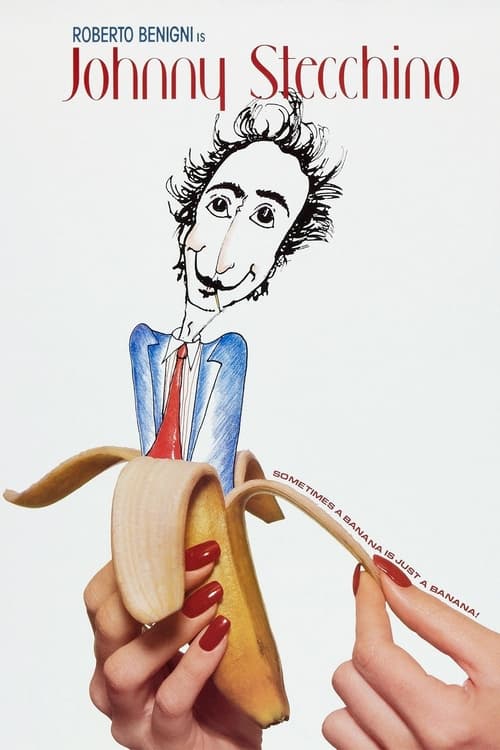
Before Roberto Benigni became the man who climbed over the backs of auditorium seats at the 1999 Oscars, he was Italy’s favorite human pogo stick. To most American audiences, he’s the tragicomic heart of Life is Beautiful, but if you dig back into the early 90s, you find the pure, distilled version of his manic energy. Johnny Stecchino is that version. It’s a film that arrived in the States during the height of the "Miramax years," when foreign films were being scooped up like shiny pebbles, yet it remains a bit of a forgotten curiosity compared to his later heavy-hitters.
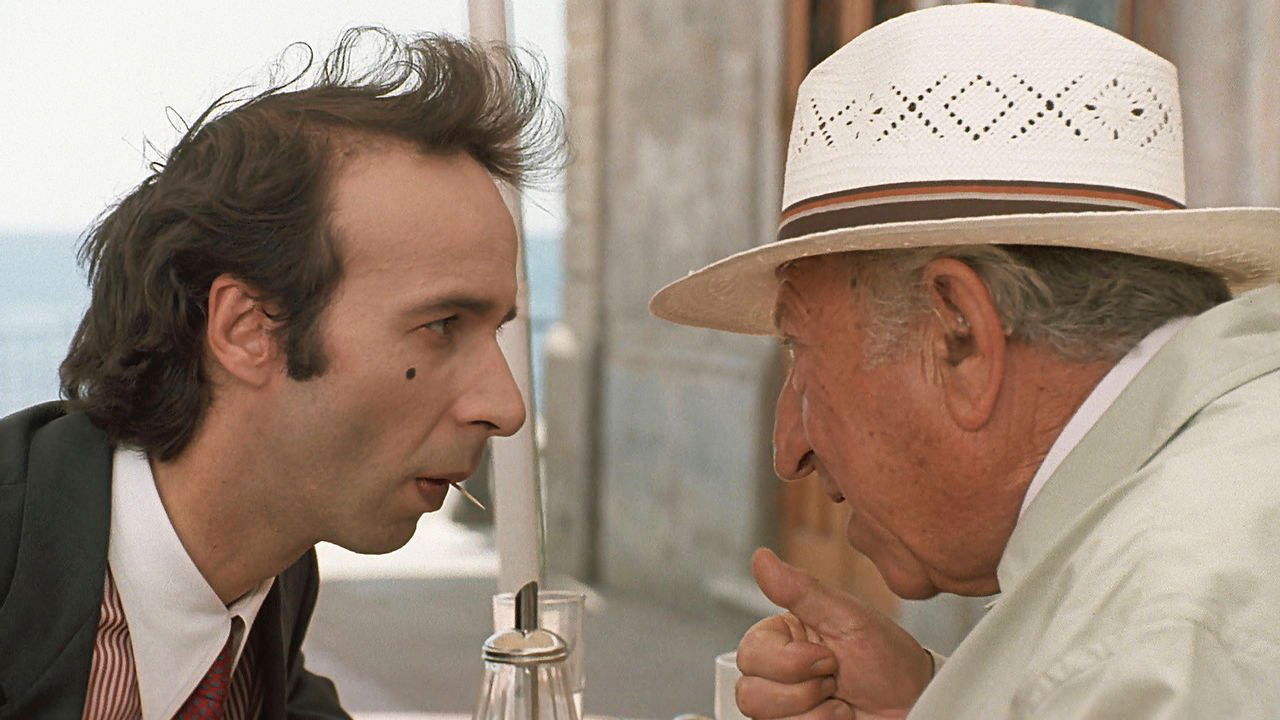
I watched this while nursing a lukewarm cup of espresso that had developed a weird film on top, which somehow felt like the most authentic way to consume 90s Italian farce. Looking back, it’s a fascinating snapshot of a comedian right before he decided he wanted to make the world cry. Here, he just wants to make you dizzy.
The Art of the Clueless Double
The premise is a classic Shakespearean "mistaken identity" trope given a shot of espresso. Roberto Benigni pulls double duty as Dante, a sweet-natured, incredibly dim-witted school bus driver, and the titular Johnny Stecchino, a toothpick-chewing "stool pigeon" mobster hiding out in a Sicilian basement.
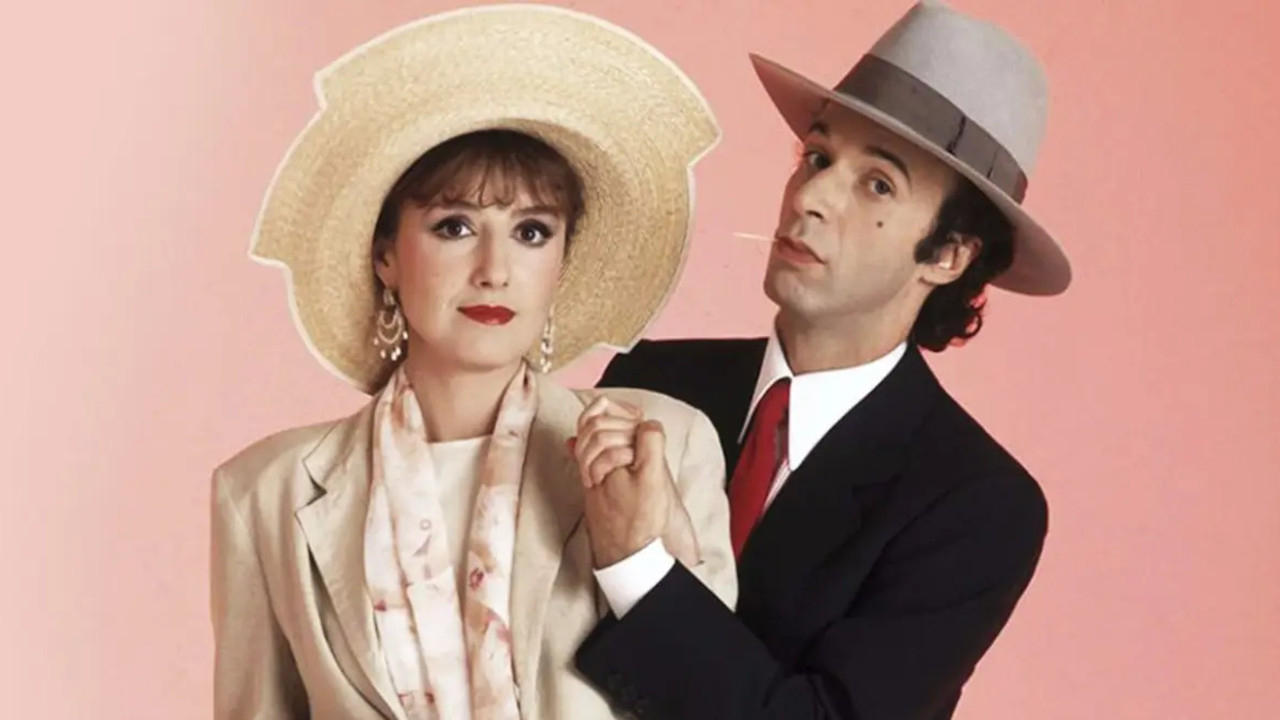
The plot kicks in when Johnny’s wife, Maria—played by Benigni’s real-life wife and frequent collaborator Nicoletta Braschi—spots Dante in a near-miss traffic accident. Seeing his uncanny resemblance to her hunted husband, she decides to lure Dante to Sicily to serve as a literal "body double"—the kind that ends up in a coffin so the real Johnny can escape.
Dante is basically a live-action Looney Tunes character with a caffeine addiction, and his total lack of situational awareness is the engine that drives the film. He arrives at a palatial villa, mistakes a mob lawyer for a friendly doctor, and assumes the locals are trying to kill him because he stole a banana. It’s thin, sure, but the commitment to the bit is absolute.
Slapstick in the Land of the Mafia
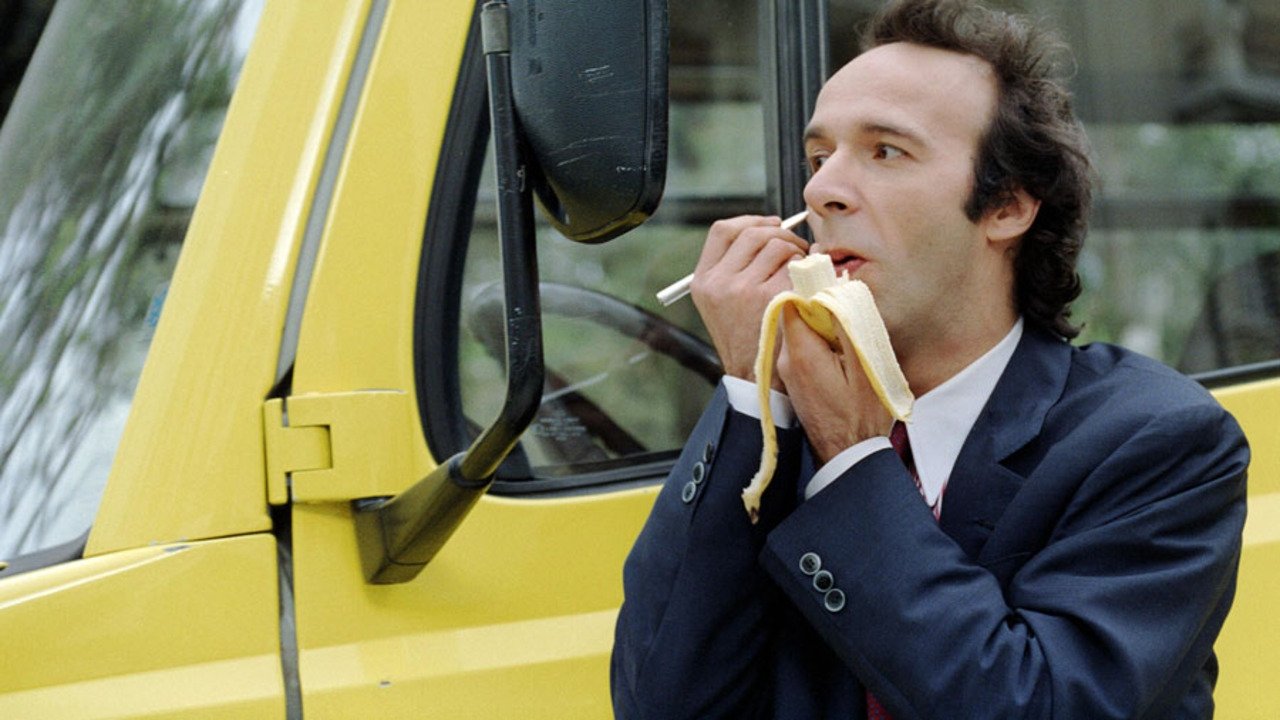
Comedy in the early 90s was undergoing a shift. In the US, we were moving toward the cynical and the observational, but Johnny Stecchino is a proud throwback to physical farce. Benigni’s performance is a masterclass in limb management. He doesn't just walk; he vibrates. There’s a specific scene involving a "stolen" banana and a police station that relies entirely on his ability to look genuinely terrified of a piece of fruit while the people around him think he’s a cold-blooded killer.
The humor functions through a series of escalating misunderstandings. The screenplay, co-written by Benigni and Vincenzo Cerami (who would later help him pen Life is Beautiful), treats the Mafia not as a terrifying entity, but as a backdrop for Dante’s oblivious bumbling. It’s satire, but it’s gentle. When Paolo Bonacelli’s character, the corrupt D'Agata, tries to explain the "rules" of the house to Dante, the gap between what is being said and what Dante hears is where the magic happens.
However, your mileage may vary depending on how much "Benigni" you can take. He is the sun, the moon, and the screaming stars of this movie. If his high-pitched frantic energy usually grates on your nerves, this film won't convert you. But if you appreciate the craft of a clown who knows exactly how to use his face to convey a total lack of internal thought, it’s a joy.
A Relic of the Subtitled Boom
Looking back at Johnny Stecchino from the digital age, it feels like a survivor of a specific era of film distribution. In 1991, it was the highest-grossing film in Italian history, but it didn't quite translate into a global phenomenon immediately. It sat on the shelves of independent video stores—the ones with the "International" section tucked behind the New Releases—waiting for people to discover it via word-of-mouth.
The film lacks the high-gloss CGI that would define the mid-90s. Instead, it leans on the beautiful, sun-drenched cinematography of Giuseppe Lanci, who captures Sicily with a warmth that contrasts hilariously with the dark intentions of the characters. It feels "analog" in the best way. There’s no digital trickery in the scenes where Dante and Johnny "interact"; it’s just clever blocking and Benigni working his tail off.
It’s interesting to see Ivano Marescotti and Franco Volpi filling out the supporting cast. They play their roles with a "straight man" gravity that allows Benigni to bounce off the walls. The film vanished from the mainstream conversation because it was eventually overshadowed by Benigni's own Oscar success, but it remains a essential watch for anyone trying to understand the DNA of 90s European comedy. It represents a time when a simple "banana joke" could carry a two-hour movie if the guy holding the banana was talented enough.
The film is a reminder that before the heavy themes of the Holocaust and the afterlife defined his career, Benigni was a pure creature of the stage and the gag. While the pacing occasionally drags in the second act—a common symptom of 90s comedies that felt they needed to be nearly two hours long—the "banana" payoff and the finale are worth the price of admission. It’s a light, breezy, and occasionally exhausting ride that proves that sometimes, a toothpick is just a toothpick, but a double is a disaster.
Keep Exploring...
-
Life Is Beautiful
1997
-
Nothing Left to Do But Cry
1984
-
Coffee and Cigarettes
2004
-
Mediterraneo
1991
-
The Legend of Al, John and Jack
2002
-
Cado dalle nubi
2009
-
What a Beautiful Day
2011
-

Arachnophobia
1990
-

Cry-Baby
1990
-

DuckTales: The Movie - Treasure of the Lost Lamp
1990
-
Barton Fink
1991
-
Father of the Bride
1991
-
The Fisher King
1991
-
What About Bob?
1991
-
My Cousin Vinny
1992
-

The Mighty Ducks
1992
-

The Muppet Christmas Carol
1992
-
The Player
1992
-

White Men Can't Jump
1992
-
Homeward Bound: The Incredible Journey
1993