Mediterraneo
"The most beautiful way to lose a war."
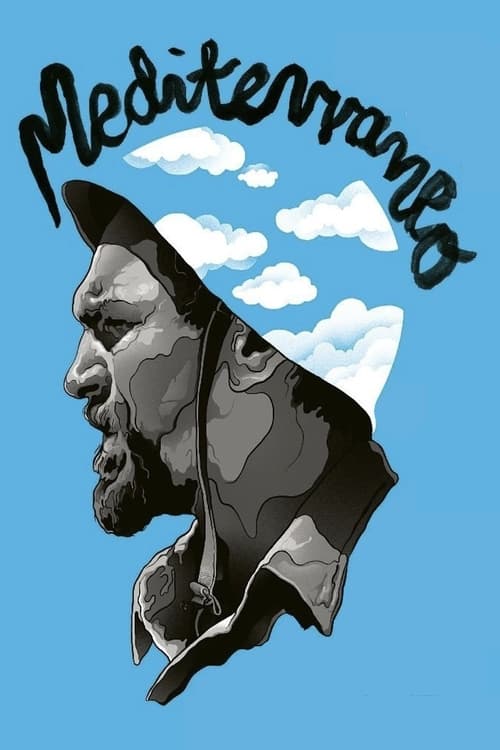
The 1992 Academy Awards were a testosterone-fueled affair, dominated by the grim shadows of The Silence of the Lambs and the gritty urban sprawl of Bugsy. Yet, tucked away in the Best Foreign Language Film category was a sun-drenched, whimsical Italian comedy that felt like it had been delivered from another planet entirely. While the world was reeling from the end of the Cold War and the beginning of a new, uncertain digital era, Gabriele Salvatores gave us a story about eight soldiers who simply decided to opt-out of history. I watched this again recently while nursing a slightly burnt piece of sourdough toast, and I realized that its message of "running away" feels more like a survival strategy than a punchline these days.
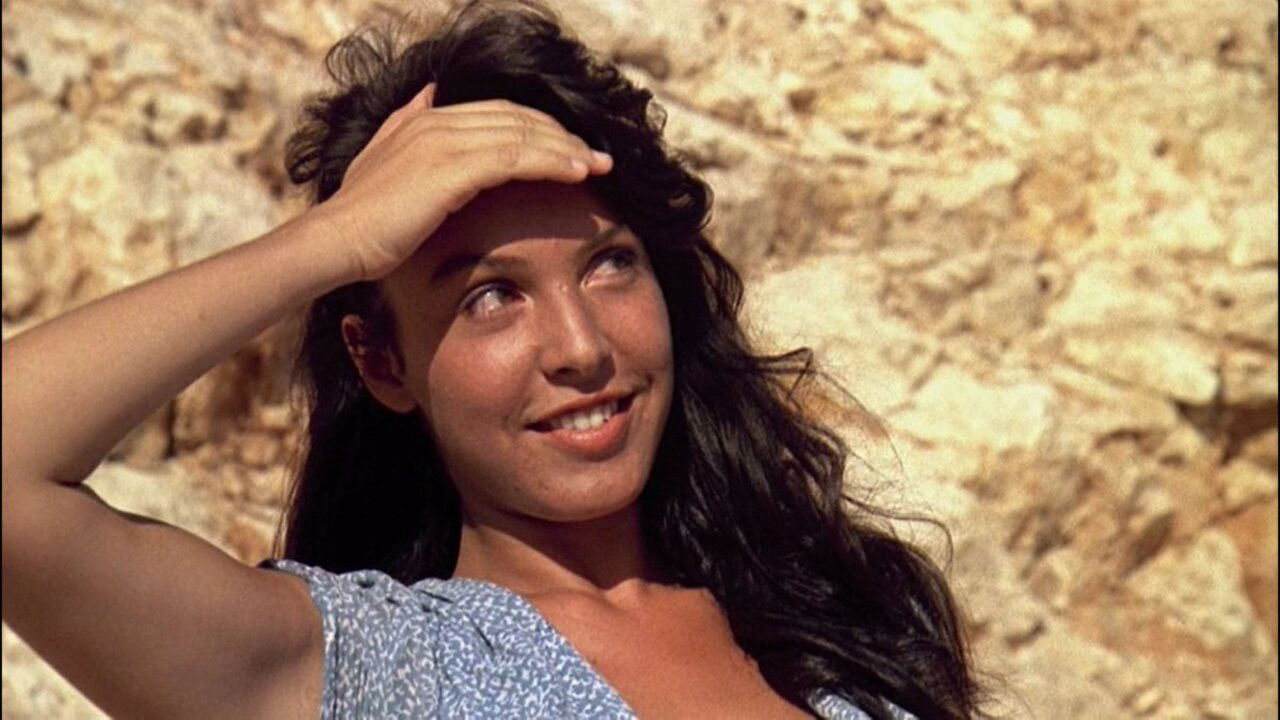
The Art of the Strategic Retreat
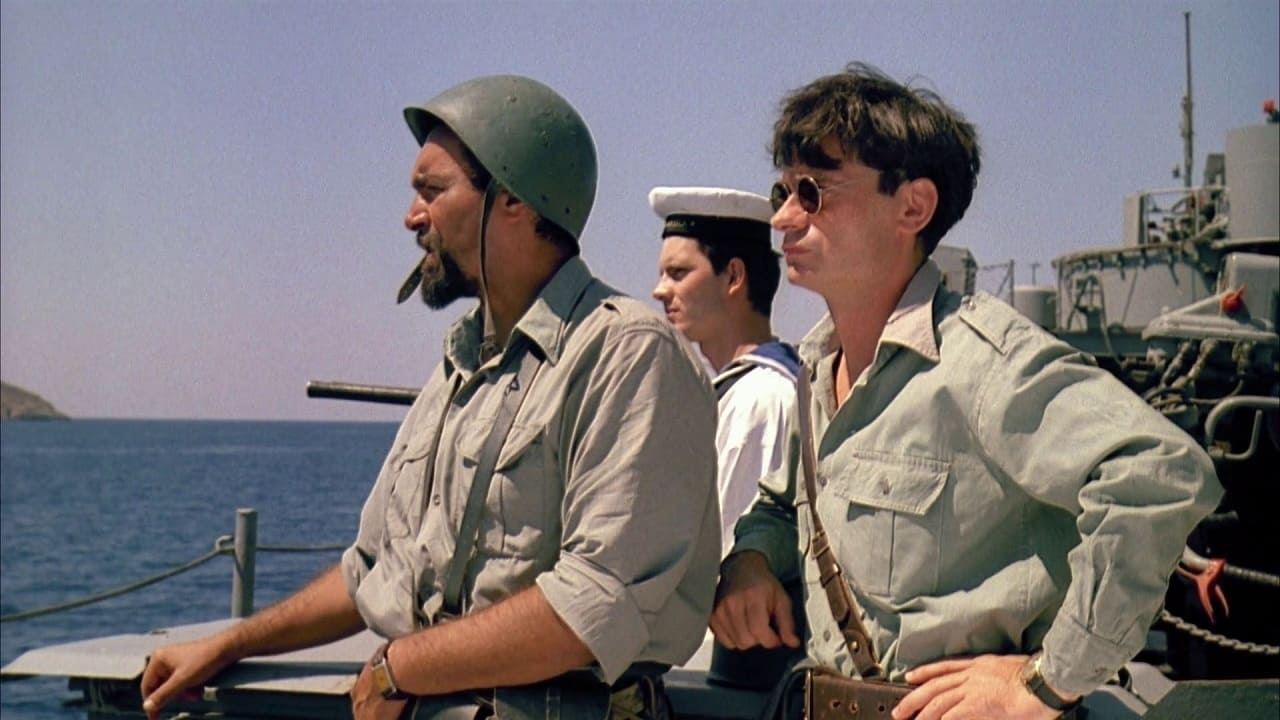
The premise is deceptively simple, almost like a joke: Eight Italian soldiers, a donkey, and a commander who’d rather paint frescoes than fire a rifle are dropped onto a tiny Greek island in the Aegean Sea. Their mission? Observe and report. The reality? Their ship is sunk, their radio is smashed, and they are forgotten by the very war they were supposed to be fighting.
What makes the comedy work here isn't slapstick or rapid-fire gags; it’s the slow, rhythmic dissolution of military ego. Diego Abatantuono, as Sgt. Nicola Lo Russo, starts the film as a blustering caricature of fascist bravado, but he eventually transforms into a man who realizes that his soul is better suited to making olive oil than commanding men. His timing is impeccable—watch the way his posture shifts from stiff-necked soldier to a man who has surrendered to the heat. It’s basically 'Gilligan’s Island' if the Professor had an existential crisis and Ginger was a local Greek prostitute who held the key to the universe.
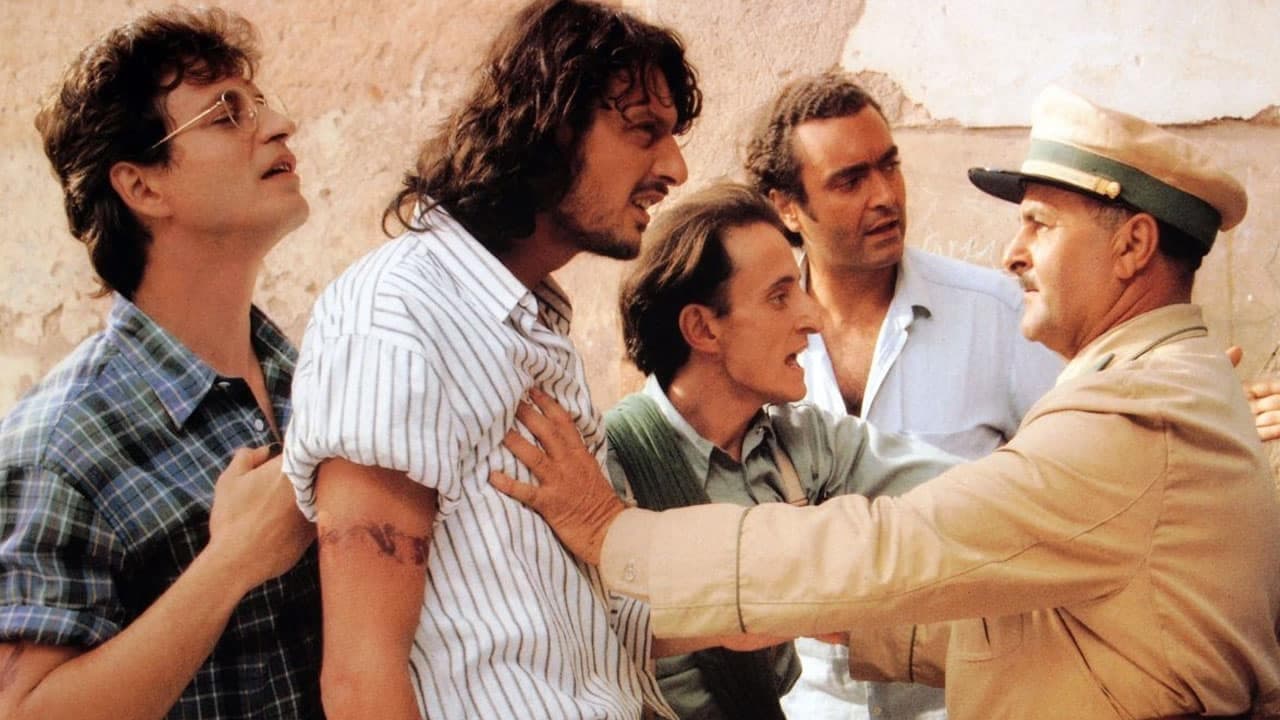
The humor is observational and deeply human. There’s a wonderful sequence involving a soccer game between the Italians and the Greek locals (who emerge from hiding once they realize these "invaders" are more interested in pasta than pillaging). The camera work by Italo Petriccione captures the dust and the sweat in a way that feels tactile; you can almost feel the Mediterranean sun beating down on your neck. It’s a comedy of errors where the "error" is the war itself, and the "correction" is the realization that these enemies share more in common than the generals back in Rome could ever understand.
Paradise with a Price Tag
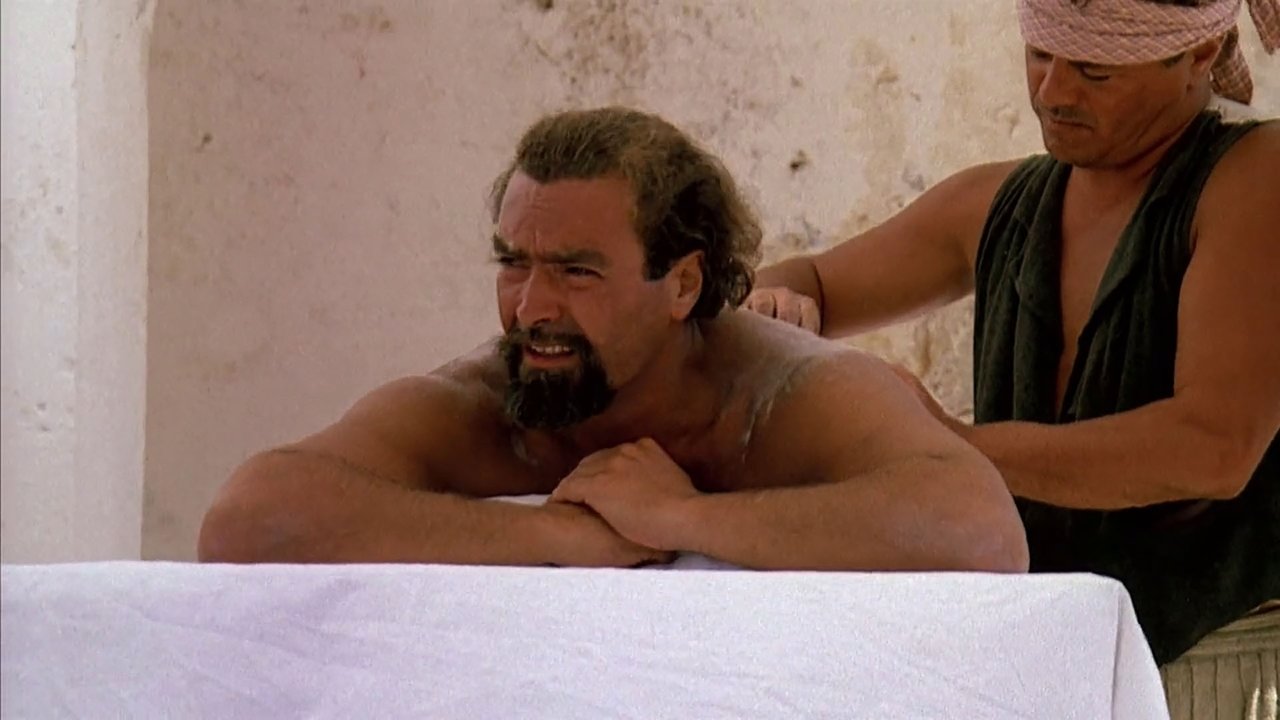
As the soldiers settle into the rhythms of island life—falling in love, smoking local herbs, and helping the villagers rebuild—the film takes on a dreamy, romantic quality. Giuseppe Cederna is heartbreakingly earnest as Antonio Farina, the soldier who falls for the local madam, Vasilissa. Their romance isn't some Hollywood gloss; it feels earned through shared silence and the slow passage of time.
Looking back at this film from the perspective of our hyper-connected, digital age, there’s a profound irony in their isolation. In 1991, the idea of being "unplugged" was a logistical accident caused by a broken radio. Today, it’s a luxury we pay thousands of dollars for at wellness retreats. The film taps into a very specific 90s sentiment—the "End of History" feeling where we thought we could finally put down our weapons and just... exist.
However, Gabriele Salvatores (who also directed the underrated I'm Not Scared) doesn't let us stay in the dream forever. The arrival of a pilot who accidentally lands on the island brings the crushing news that the war has been over for months. The outside world, with its politics, its borders, and its bitterness, is coming to reclaim them.
The Heavy Weight of Returning
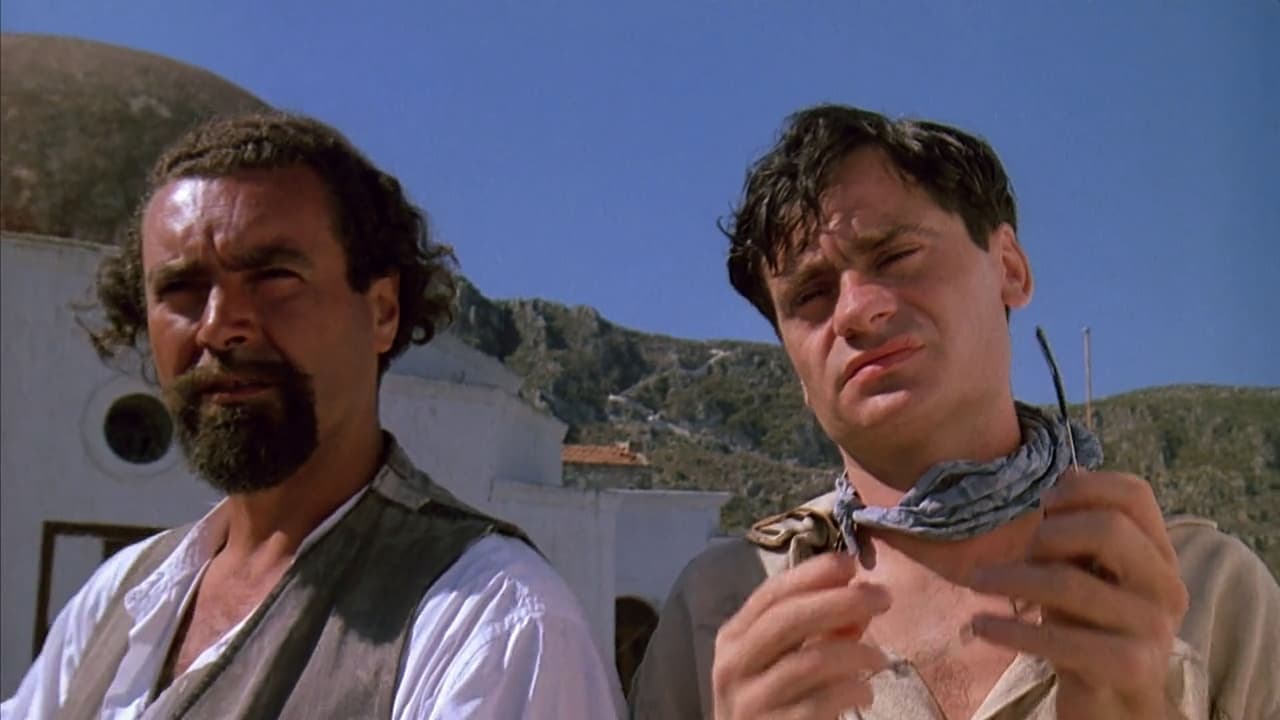
This is where the film earns its "Dark/Intense" stripes. The final act of Mediterraneo is a somber reflection on what happens when the dream ends. The soldiers return to an Italy that is broken, cynical, and vastly different from the one they left. The moral complexity here is subtle but piercing: Is it an act of cowardice to stay in paradise while your country suffers, or is it the only sane response to a world gone mad?
The ending—which jumps forward decades—is a gut-punch of nostalgia and regret. When we see the characters again as old men, the film asks us to reckon with the "lost years" of our lives. It suggests that the only real tragedy isn't losing a war, but losing the person you were when you were happy. It’s a theme that feels particularly heavy in a post-9/11 world, where the idea of "escaping" the headlines feels increasingly like an impossible fantasy.
The film is dedicated "To all those who are running away." In the early 90s, that felt like a playful nod to bohemianism. Today, it feels like a revolutionary act of self-preservation. It’s a film that manages to be a light, breezy comedy for eighty minutes and an existential weight on your chest for the last ten.
Mediterraneo is a rare bird—a foreign language hit that doesn't feel like "homework." It captures a specific moment in European cinema where the scars of the past were being treated with the balm of humor and humanism. While some of the gender dynamics in the village feel a bit dated by 2024 standards, the central yearning for a life unburdened by the "great events" of history remains universal. It’s a beautiful, bittersweet reminder that sometimes the best thing you can do for your country is to find a quiet place to sit down and watch the sunset.
Keep Exploring...
-

A Very Long Engagement
2004
-
Joyeux Noel
2005
-
I'm Not Scared
2003
-
The Last of the Mohicans
1992
-

Legends of the Fall
1994
-
The English Patient
1996
-
It Could Happen to You
1994
-

The Little Rascals
1994
-
A Goofy Movie
1995
-

Mallrats
1995
-
That Thing You Do!
1996
-
Wild at Heart
1990
-
Barton Fink
1991
-
Batman: Mask of the Phantasm
1993
-
Crimson Tide
1995
-
Fallen Angels
1995
-
The Mafia Kills Only in Summer
2013
-
Enemy at the Gates
2001
-
The Wind Rises
2013
-
The Legend of Al, John and Jack
2002