My Girl
"Growing up is the hardest thing to survive."
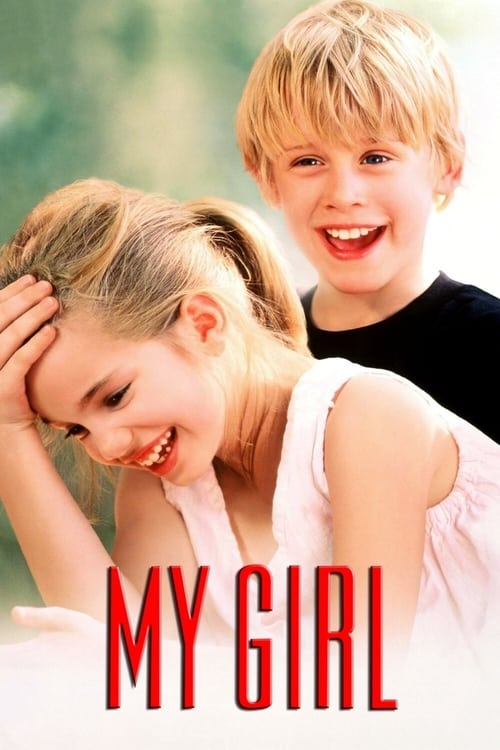
If you grew up in the early nineties, your emotional baseline was likely reset by a pair of horn-rimmed glasses and a swarm of bees. In an era where family films were often synonymous with slapstick hijinks or animated royalty, My Girl arrived like a polite, thumb-tacked note from the neighborhood mortician. It’s a film that shouldn’t work—a coming-of-age story centered on a hypochondriac pre-teen living in a funeral home—yet it remains a cornerstone of Gen X and Millennial childhood trauma for all the right reasons.
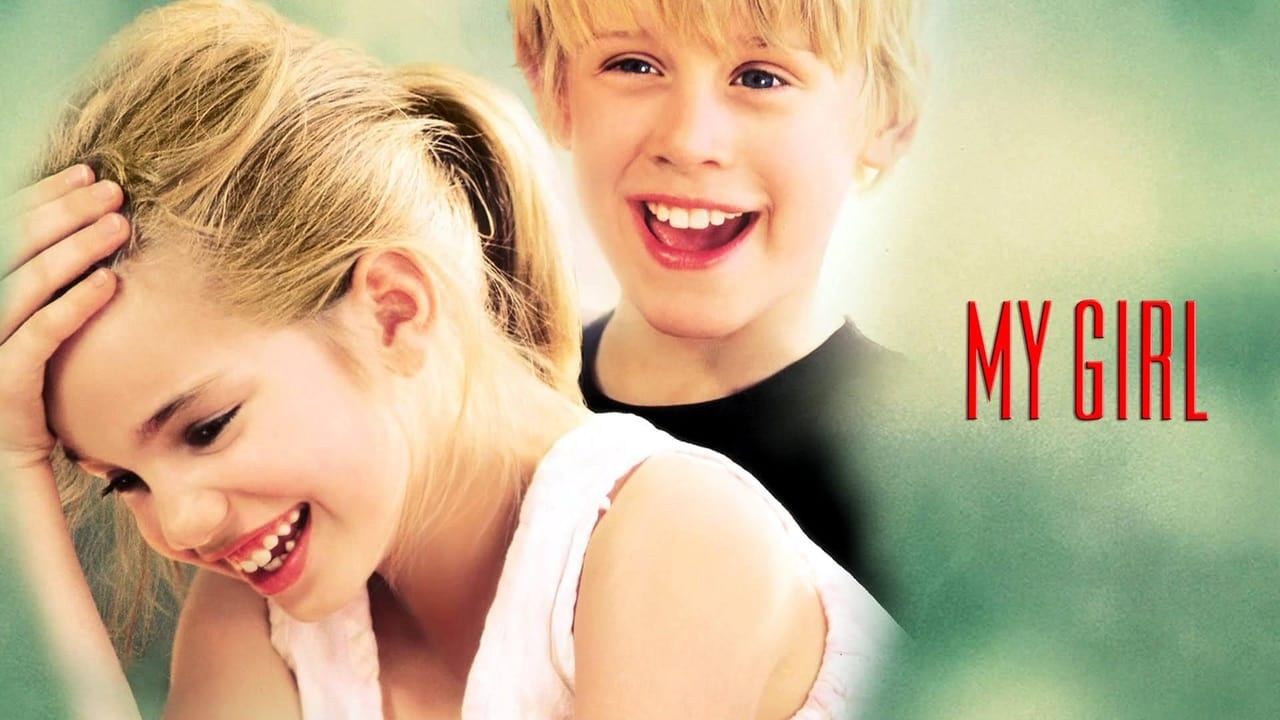
I recently re-watched this while eating a bowl of slightly-too-salty popcorn in a room that was definitely too cold, and it struck me how much the film relies on atmosphere rather than plot. We’re in 1972 Pennsylvania, but it feels like a dreamscape of willow trees and bike rides, punctuated by the occasional delivery of a cadaver to the basement.
Life in the Sultenfuss Morgue
At the heart of the film is Anna Chlumsky as Vada Sultenfuss. Looking back, it’s staggering that this was her feature debut. Most child actors of the early 90s were directed to be "precocious" (the dreaded "Disney Channel energy"), but Chlumsky plays Vada with a jagged, defensive intelligence. She is obsessed with death because she believes she killed her mother during childbirth. Her father, Harry (Dan Aykroyd), is a man who communicates primarily through grunts and the professional stoicism required to embalm the local mailman.
The arrival of Shelly (Jamie Lee Curtis), a freelance makeup artist who takes a job at the funeral parlor, is the catalyst for the film's "Modern Cinema" transition. It’s the classic 90s trope: the "free spirit" arrives to fix a repressed family. However, Curtis plays Shelly with a weary, blue-collar sincerity that keeps the character from becoming a caricature. When she starts dating Harry, Vada’s world—already built on the shaky foundation of mood rings and unrequited love for her English teacher—begins to crumble. Dan Aykroyd is actually a better dramatic actor than a comedic one when he isn't trying to sell me vodka in a crystal skull. His performance here is quiet, mournful, and deeply relatable to anyone who has ever had a dad who didn't know how to talk about feelings.
The Culkin Factor and the First Kiss
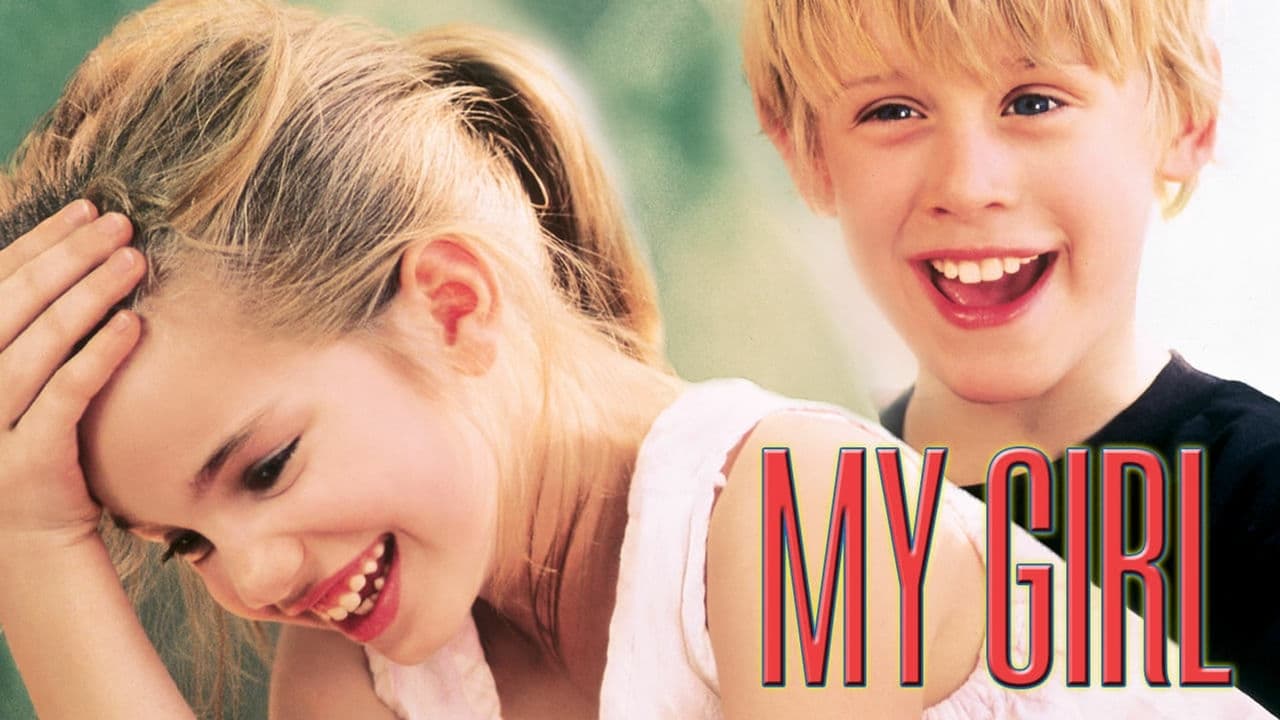
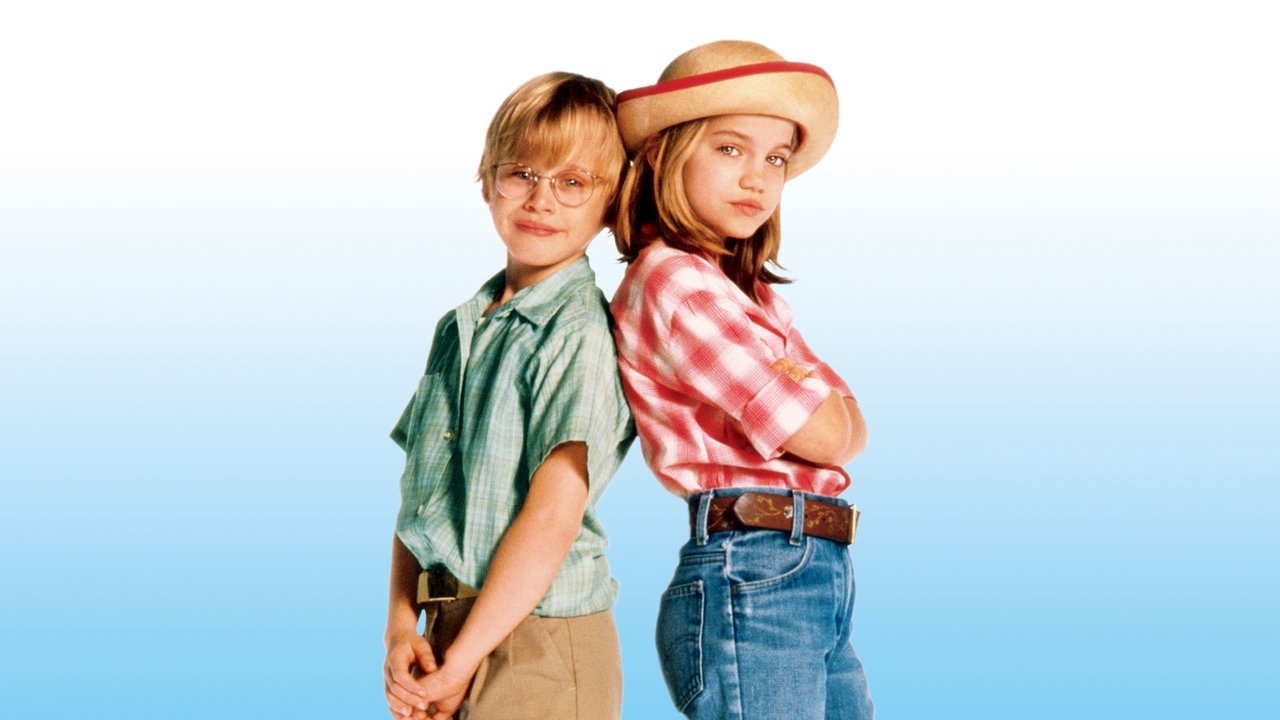
Then there is Thomas J. Sennett. Macaulay Culkin was at the absolute zenith of his powers here. Coming off the supernova success of Home Alone, he could have played another "clever kid against the world." Instead, he’s remarkably vulnerable as the boy who is "allergic to everything." The chemistry between Anna Chlumsky and Macaulay Culkin is the film's secret weapon. It’s not a "movie romance"; it’s that specific, sweaty-palmed summer friendship where you’re both trying to figure out if you’re supposed to be embarrassed to be seen together.
The "First Kiss" scene by the willow tree is legendary for its innocence, but I find their smaller interactions more moving—the way they walk their bikes, the way Thomas J. defends Vada even when she’s being a nightmare. Apparently, the production had to do fifteen takes of that kiss, and Culkin famously shouted "Yuck!" after every single one. That authenticity is why the cult following for this film has never waned. We weren't watching "stars"; we were watching kids.
The Sting That Never Goes Away
Of course, we have to talk about the "incident." For a film marketed as a lighthearted comedy-drama, killing Thomas J. was a ballsy move that modern Pixar movies wish they had the guts to pull. It’s the moment the film transitions from a nostalgic period piece into a brutal lesson on the permanence of loss.

The scene at the funeral where Vada has her breakdown—the "He can’t see without his glasses!" line—is arguably the most effective piece of acting in a 90s family film. It’s the point where the film earns its cult status. It isn't just a "sad movie"; it’s a film that respects a child’s capacity to grieve. I’ve found that as an adult, the scene hits differently. As a kid, you cry for Thomas J. As an adult, you cry for Vada, and for Harry, who finally realizes he hasn't been there for his daughter.
The trivia surrounding the film adds to its mystique. It was originally titled Born Jaundiced, which is a wonderfully weird title that the studio (Columbia Pictures) thankfully nixed. The film also sparked a massive resurgence in the song "My Girl" by The Temptations, reminding us that the 90s were obsessed with 60s and 70s nostalgia. It was a bridge between analog sensibilities and the coming digital age, shot on beautiful film stock by Paul Elliott that makes the Pennsylvania summer feel permanent and golden.
My Girl is a rare specimen: a film for children that deals with death, and a film for adults that perfectly captures the confusion of childhood. It avoids the saccharine traps of the era by grounding its story in the literal and metaphorical basement of a funeral home. It’s a movie that understands that the end of summer isn't just about going back to school—it's often about leaving a part of yourself behind.
Even thirty years later, it’s hard to watch that final bike ride without feeling a lump in your throat. The performances by Anna Chlumsky and the adult cast hold up remarkably well, proving that sincerity beats spectacle every time. If you haven't revisited the Sultenfuss residence in a while, it's time to put on your mood ring and head back to 1972. Just watch out for the bees.
Keep Exploring...
-

Dazed and Confused
1993
-
Ed Wood
1994
-
Sneakers
1992
-
Fear and Loathing in Las Vegas
1998
-

Rushmore
1998
-
10 Things I Hate About You
1999
-

Being John Malkovich
1999
-
High Fidelity
2000
-
The Royal Tenenbaums
2001
-
Adaptation.
2002
-
Punch-Drunk Love
2002
-
Bad Santa
2003
-
Thank You for Smoking
2005
-
Stranger Than Fiction
2006
-
High School Musical 2
2007
-

The Darjeeling Limited
2007
-
(500) Days of Summer
2009
-
A Serious Man
2009
-
It's Kind of a Funny Story
2010
-
Letters to Juliet
2010