My Own Private Idaho
"Nowhere to go, and nowhere to call home."
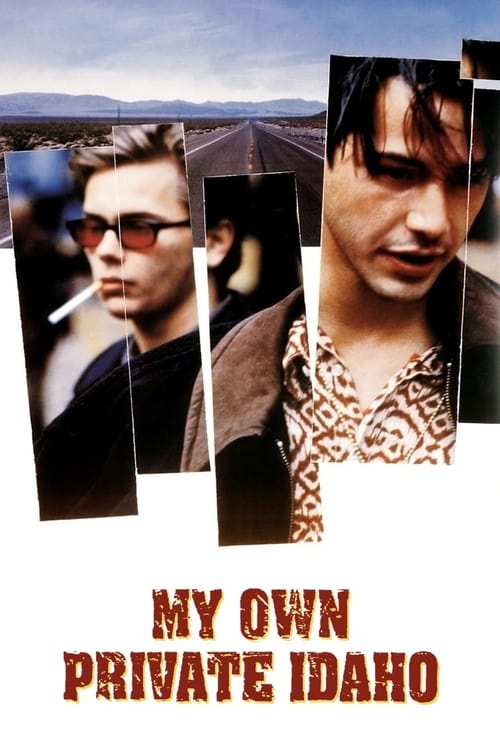
There is a specific kind of loneliness that only exists on a flat, gray stretch of highway in the Pacific Northwest. I first watched My Own Private Idaho on a DVD I’d picked up from a thrift store; the case was cracked and smelled faintly of Nag Champa incense, which, in retrospect, is the exact olfactory profile this movie deserves. As soon as the credits rolled, I felt like I needed to go outside and stare at the horizon for an hour.
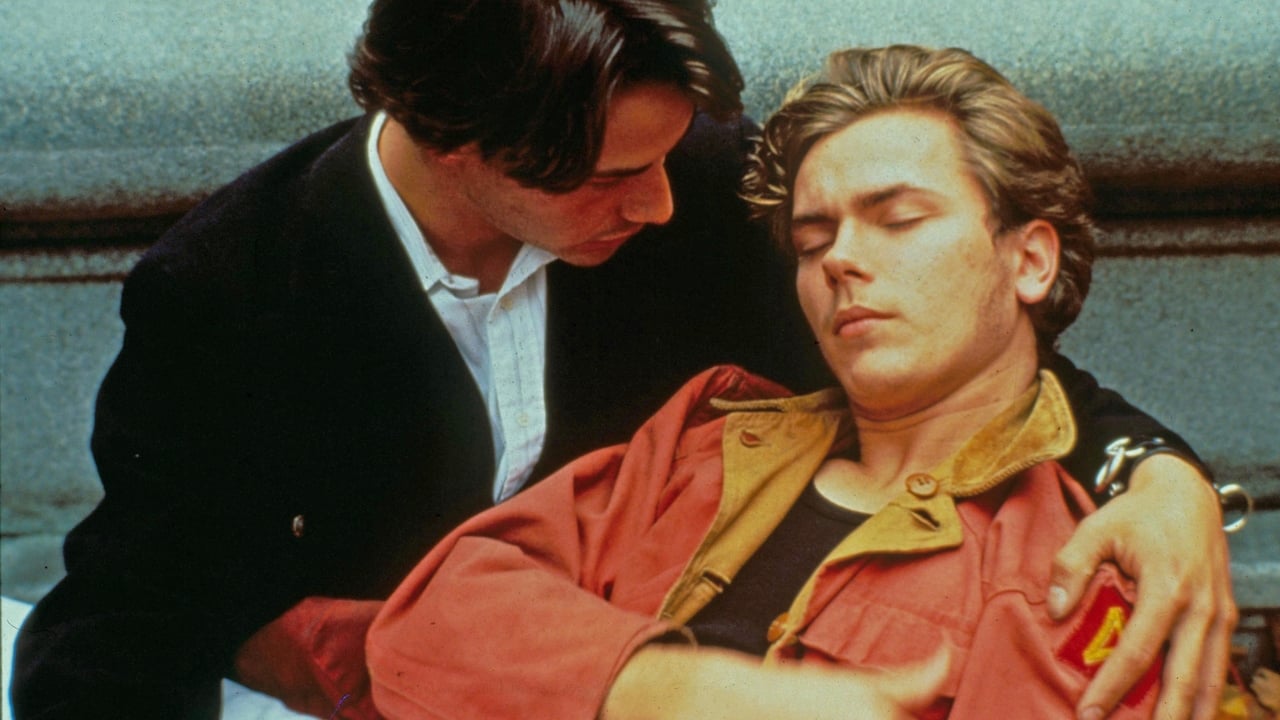
Gus Van Sant didn’t just make a movie in 1991; he captured a very specific, fleeting moment in American indie cinema where the rules were being gleefully shredded. This isn't a polished narrative. It’s a dream, a poem, and a gutter-level Shakespearean tragedy all rolled into one narcoleptic haze.
The Bard in a Biker Jacket
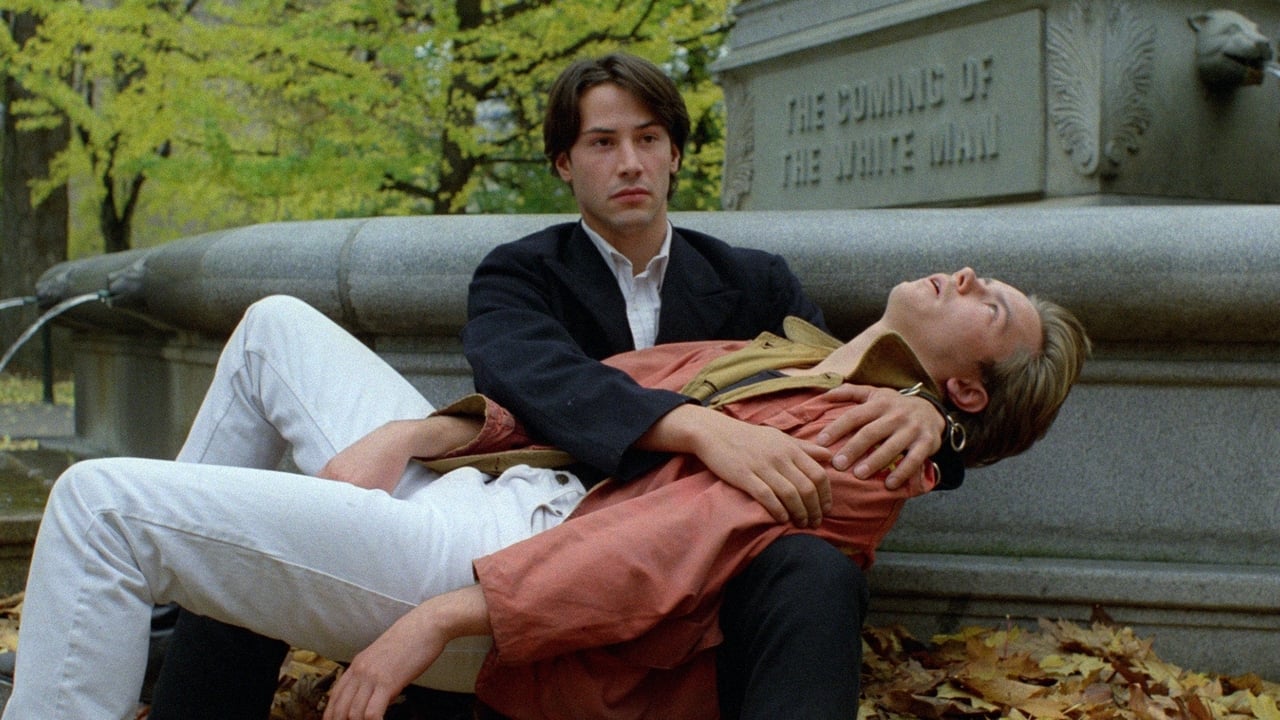
The premise is wild if you stop to think about it. Van Sant takes the "Prince Hal" and "Falstaff" dynamics from Shakespeare’s Henry IV and transplants them into the world of street hustlers in Portland, Oregon. Keanu Reeves plays Scott Favor, the rebellious son of the city’s mayor, who is essentially "slumming it" until his inheritance kicks in. He’s the cool, detached foil to River Phoenix’s Mike Waters, a sensitive, homeless soul looking for his mother while grappling with a sleep disorder that causes him to collapse whenever things get too stressful.
I’ll be honest: watching Keanu Reeves try to recite Shakespearean prose while dressed like a Portland punk is the exact moment the 90s truly began. It’s awkward, it’s bold, and it’s strangely effective. While Scott is performing a role—playing the rebel until it’s time to become the establishment—Mike is simply surviving. The contrast between them is the engine that drives the film, turning a simple road trip from Idaho to Italy into a devastating look at class and abandonment.
River Phoenix and the Art of Vulnerability
We have to talk about River Phoenix. Looking back from a world where he’s been gone for decades, his performance here feels almost too raw to watch. There’s no "movie star" ego on display. As Mike, he’s twitchy, soft-spoken, and heartbreakingly desperate for a connection he can't quite name.
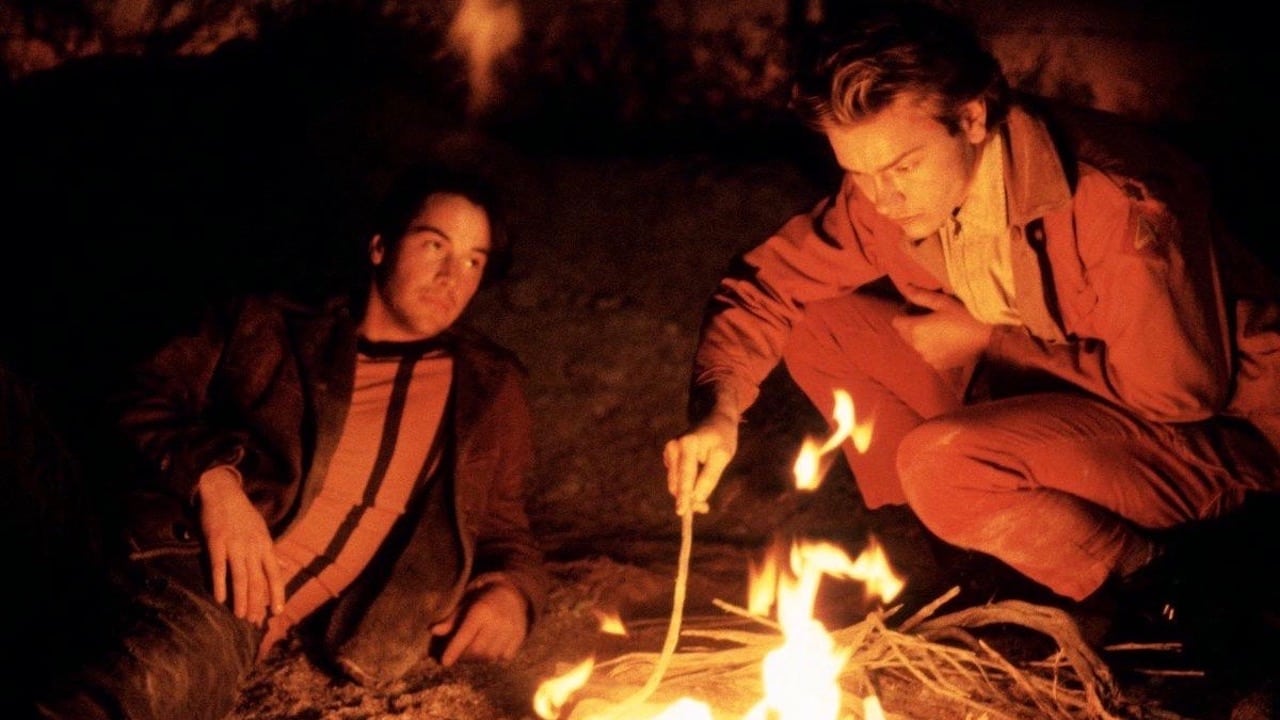
The famous campfire scene—where Mike confesses his love to Scott—is the soul of the film. Apparently, Phoenix actually rewrote that scene himself because he felt the original script didn't go deep enough. He was right. The way he curls into himself, trying to maintain his dignity while admitting his "one-sided" love, is a masterclass in subtlety. He doesn't play Mike as a tragic figure; he plays him as a person who has been told he doesn't matter, and he’s starting to believe it. It’s one of the few times in cinema where the chemistry between two male leads feels genuinely dangerous and delicate at the same time.
The Beauty of the Budget
Made for a modest $2.5 million, My Own Private Idaho is a prime example of the 90s indie explosion. Van Sant wasn't interested in Hollywood slickness. He used real street kids from Portland as extras and consultants to make sure the dialogue and the "look" of the hustle felt authentic. This was the era where directors were realizing they didn't need a studio's permission to be weird.
The film is full of these bizarre, experimental flourishes that still feel fresh today. There are time-lapse clouds, talking magazine covers, and a house that literally falls from the sky into the middle of the road. These aren't high-end CGI effects; they’re creative, low-budget solutions to visual storytelling. The falling barn sequence was actually a miniature, and its jarring, low-fi quality makes it feel more like a fever dream than a 2024 Marvel movie ever could. It’s the kind of creative risk that the "Sundance Generation" lived for.
Why It Still Hits
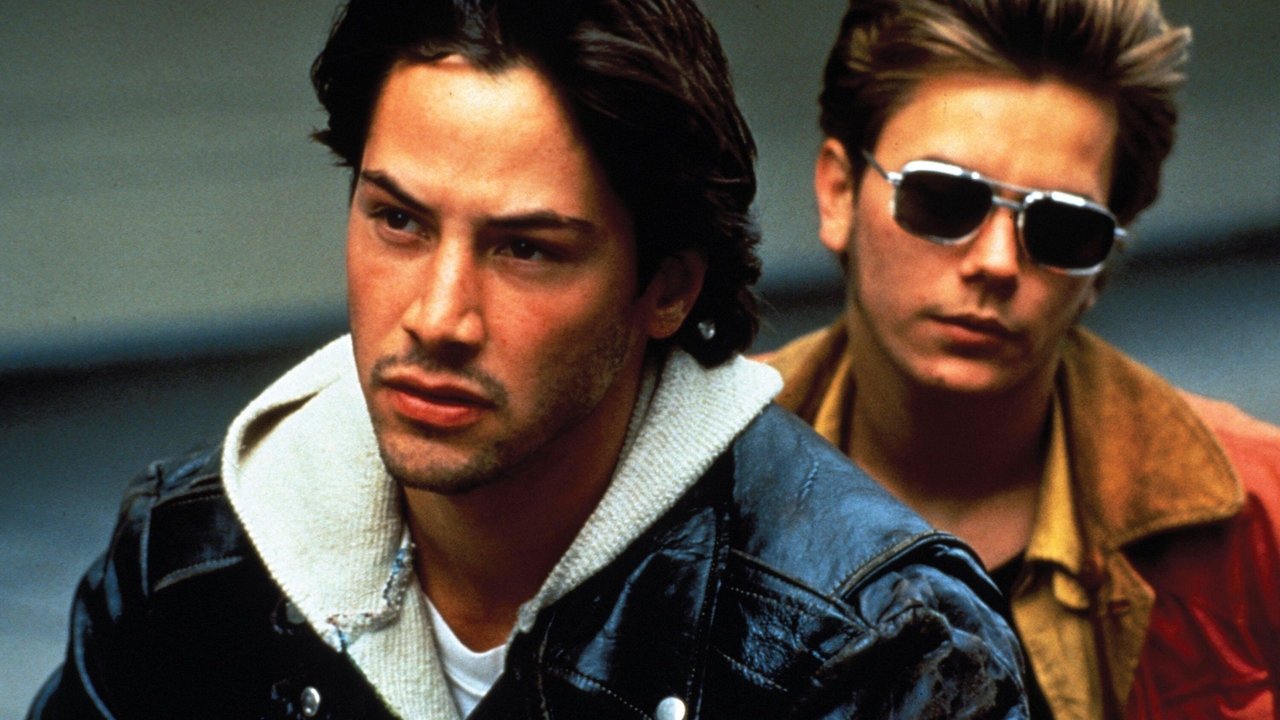
In the post-9/11 era, movies often became obsessed with "gritty realism," but My Own Private Idaho offers something different: emotional realism through surrealism. It captures the Y2K-adjacent anxiety of being young and purposeless, looking for a home in a world that feels increasingly cold and transactional.
What’s aged surprisingly well is the film’s handling of identity. It doesn't feel the need to label its characters with modern clinical precision. They are just people drifting through their lives, turning tricks for cash, and looking for a bit of warmth. There’s a beautiful, messy humanity in that. When William Richert—who plays the Falstaff-figure, Bob Pigeon—is on screen, the film leans into its theatrical roots, but it never loses its grounding in the rainy, gray Portland streets.
This isn't a film you watch for a tight plot or a happy ending. You watch it for the atmosphere, the legendary performances, and the way it makes you feel like you’re also standing on that Idaho highway, waiting for a car that might never come. It’s a landmark of independent film that manages to be both a period piece of the early 90s and a timeless story of unrequited everything. If you haven't seen it, find the grungiest copy you can and let it break your heart just a little bit.
Keep Exploring...
-
Elephant
2003
-
To Die For
1995
-
Finding Forrester
2000
-

Milk
2008
-
Night on Earth
1991
-
Bad Lieutenant
1992
-
Friday
1995
-
Kids
1995
-
Leaving Las Vegas
1995
-
The Basketball Diaries
1995
-
Bound
1996
-
Chungking Express
1994
-
The Adventures of Priscilla, Queen of the Desert
1994
-
The Postman
1994
-
Chasing Amy
1997
-

Hard Eight
1997
-
Buffalo '66
1998
-

Happiness
1998
-
Pi
1998
-
Donnie Darko
2001