Naked Lunch
"A bug's life for the terminally depraved."
The first time I sat down with Naked Lunch, I was in a cramped studio apartment that smelled faintly of old newsprint and even older coffee. I was trying to fix a jammed laser printer with a butter knife, and for a split second after the movie started, I genuinely expected the toner cartridge to sprout legs and start questioning my sexual orientation. That is the specific, oily magic of David Cronenberg. He doesn't just show you a world; he infects your immediate surroundings with a sense of biological dread.
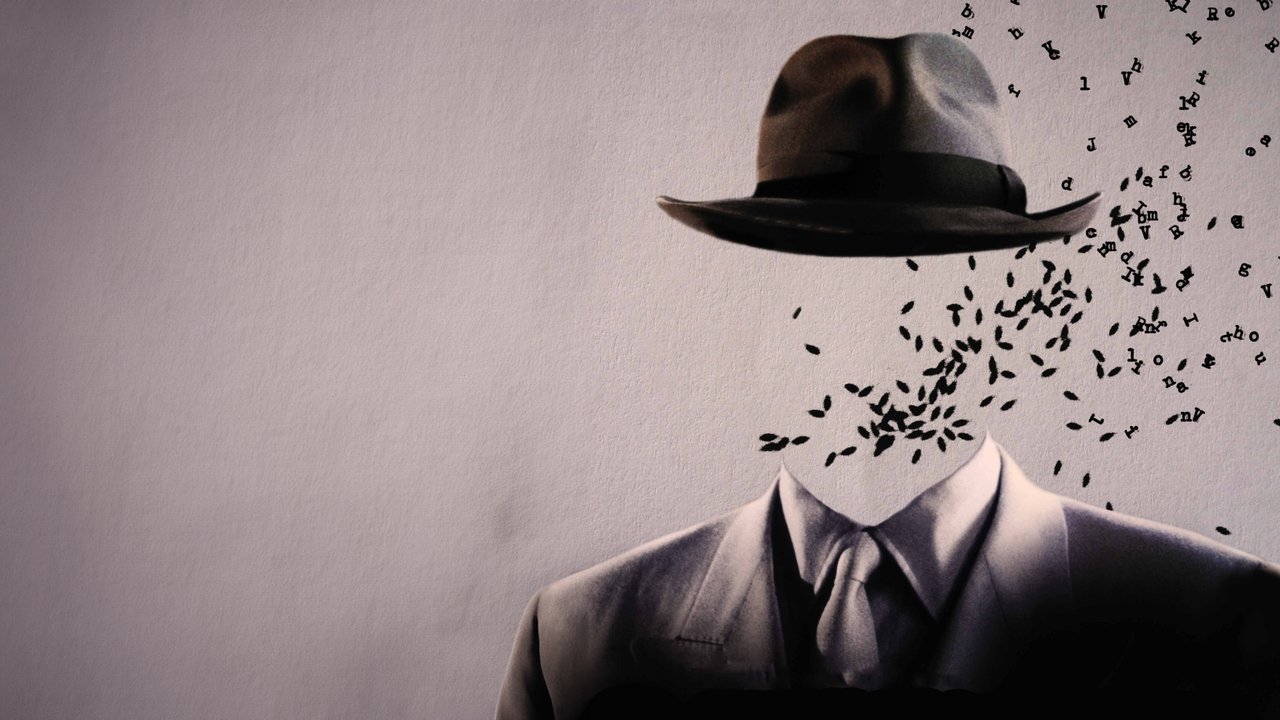
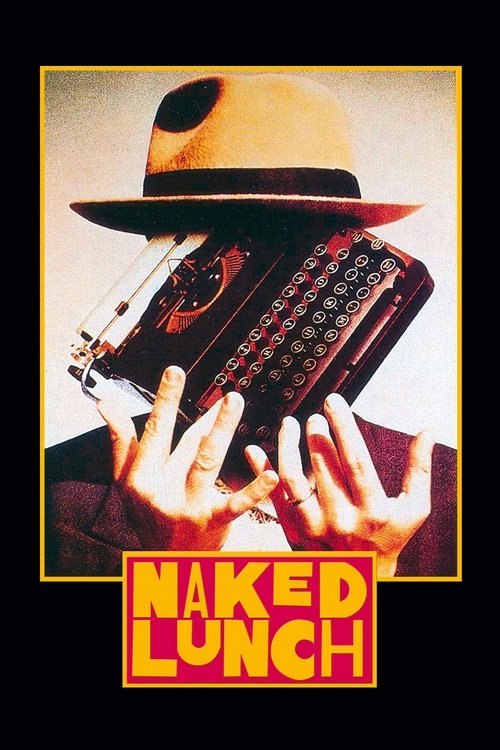
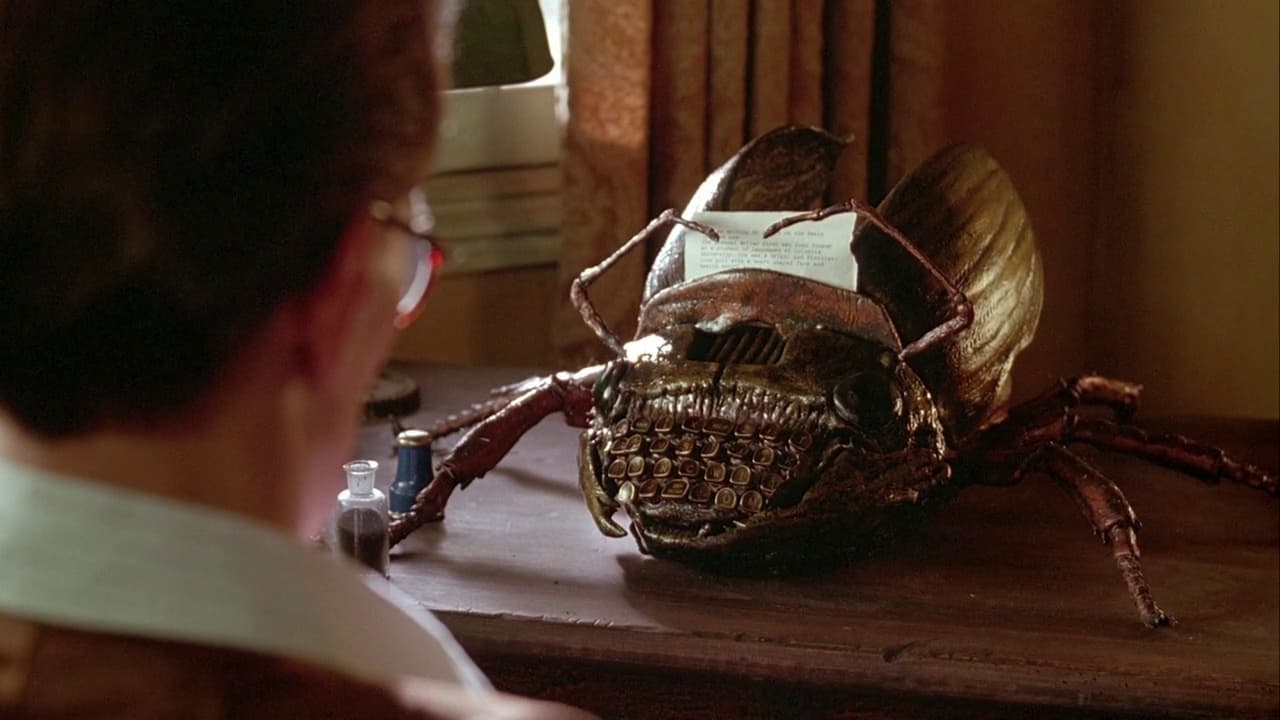
Based "sort of" on the unfilmable novel by William S. Burroughs, the 1991 film is less an adaptation and more a hallucinatory biography of the writing process itself. We follow Peter Weller as Bill Lee, a bug exterminator who realizes his wife, Joan (Judy Davis), is stealing his yellow "pyrethrum" bug powder to get high. Before long, Bill is high too, and his typewriter has transformed into a giant, talking cockroach that demands he become a secret agent in a place called "Interzone."
The Architecture of a Chemical Nightmare
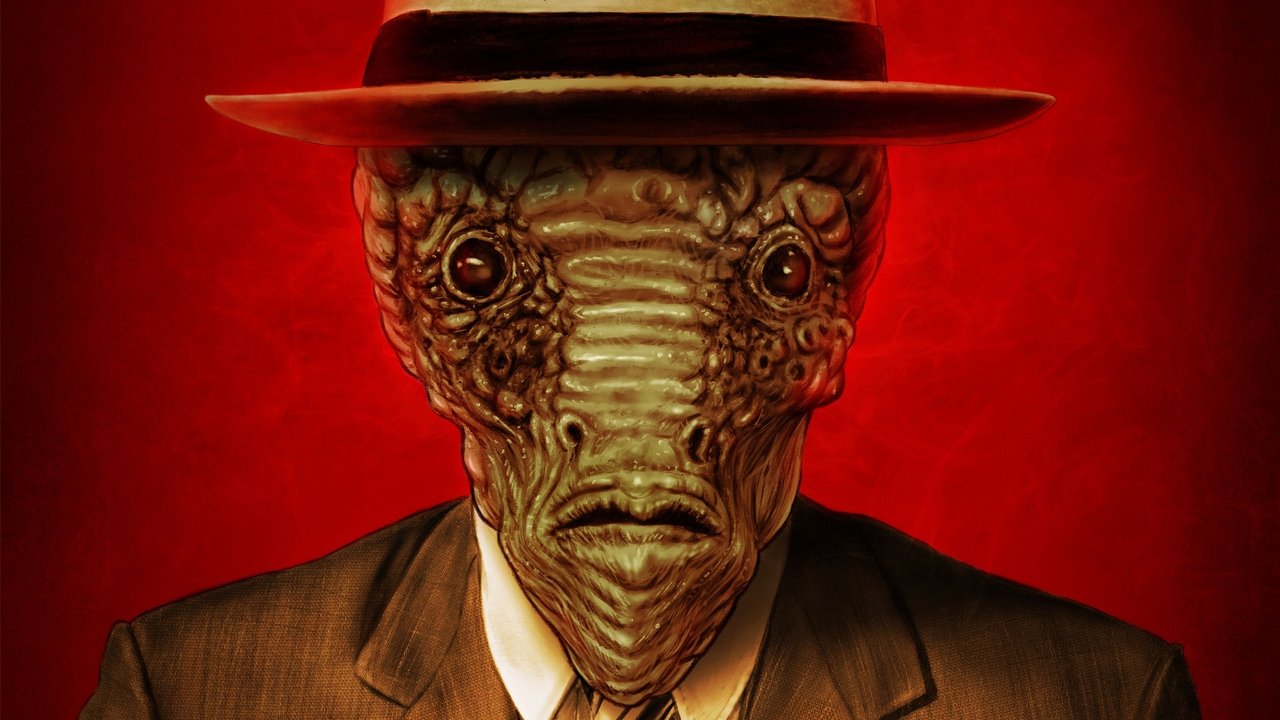
In the early 90s, Hollywood was flirting with digital possibilities, but Cronenberg remained a king of the physical. Naked Lunch is a triumph of rubber, slime, and clicking mandibles. There is a weight to the "Mugwumps"—those tall, skeletal creatures with weeping orifices—that CGI simply cannot replicate. They feel like they occupy space; they feel like they’d leave a stain on your upholstery.
The film dropped into theaters and promptly sank like a stone, earning a measly $2.6 million against a $16 million budget. Looking back, it’s easy to see why. It’s a "Crime/Drama" that features a talking bug-typewriter with a sphincter for a mouth. It’s a film for people who find David Lynch too upbeat and commercially accessible. In an era where the indie explosion was leaning toward the snappy dialogue of Tarantino, Cronenberg was off in Canada making a movie about the agonizing, sticky birth of a manuscript.
It’s dark, yes, but there’s a grim irony to the whole thing. Bill Lee moves through the most grotesque situations with the same flat, Midwestern affect as a man checking his mail. Peter Weller is the anchor here. Famous for RoboCop, he brings a similar robotic stillness to Bill Lee, but coats it in layers of guilt and heroin-chic exhaustion. He doesn't blink when his typewriter starts giving him orders; he just lights another cigarette and gets to work.
Performance in the Shadows
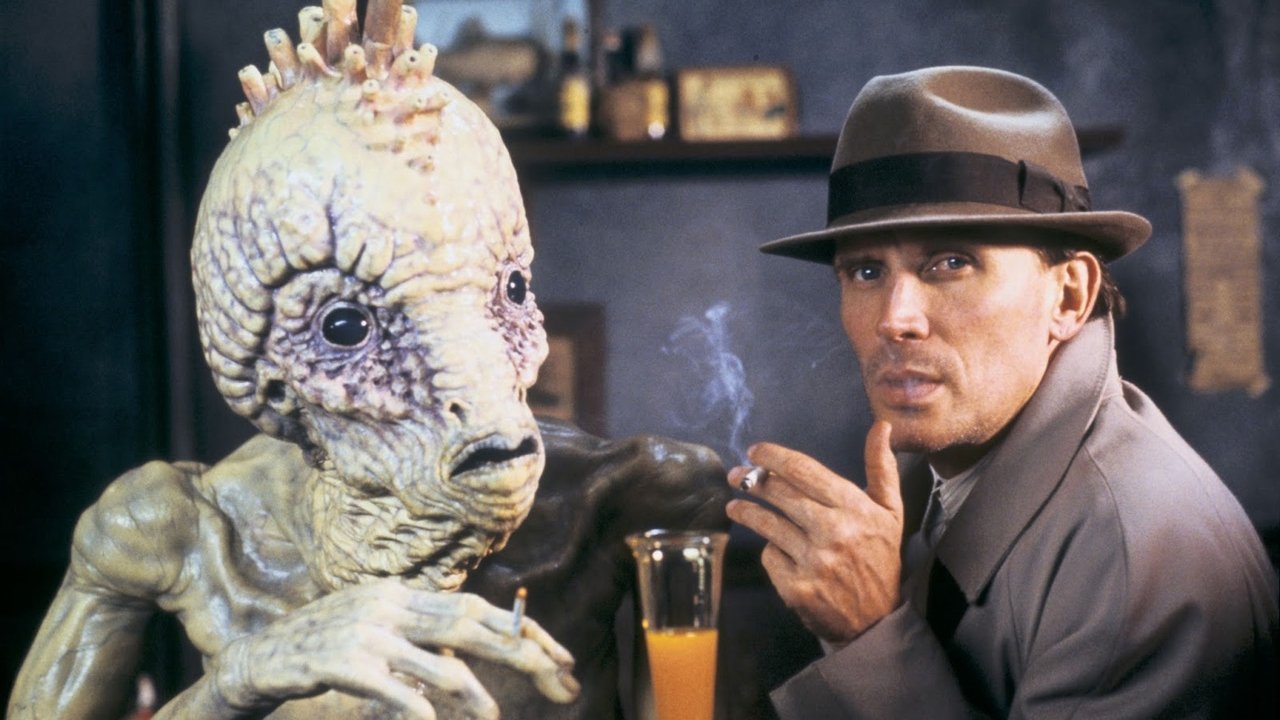
The chemistry between Peter Weller and Judy Davis is fascinatingly cold. Davis, who also plays a second character named Joan Frost later in the film, captures that specific "Beat" hollowness—intellectuals who have hollowed themselves out in search of a truth that probably doesn't exist. Their relationship is the emotional core, even if that core is a dark, shriveled thing.
Then you have Ian Holm as Tom Frost and Roy Scheider as the devilish Dr. Benway. Seeing Roy Scheider, the hero of Jaws, as a sinister, drug-dealing physician is the kind of casting against type that the 90s did so well. He brings a jovial, paternal menace to the role that makes the "centipede meat" he’s peddling seem almost appetizing.
The score by Howard Shore (before he went off to Middle-earth) is a jagged, jazz-infused masterpiece. It sounds like a migraine feels, but in the best way possible. It captures the frantic, paranoid energy of Tangier—or "Interzone"—where every character is an agent for some unknown power and every conversation is a potential trap.
Why the Interzone Still Matters
Apparently, William S. Burroughs himself was a frequent visitor to the set. The author, a man who famously lived through most of his own nightmares, reportedly loved the giant bugs. There’s a famous bit of trivia that Burroughs actually performed the "William Tell" act in real life, accidentally killing his wife. Cronenberg makes this the literal centerpiece of the film, turning a tragic accident into a gateway for Bill Lee's descent into the subconscious.
Naked Lunch is obscure today because it refuses to be "content." You can’t put it on in the background while you fold laundry. It demands you look at the textures—the way the bug powder puffs into the air, the way the "Clark Nova" typewriter’s keys clack like teeth. It’s a movie about the cost of creation: the idea that to write something truly "great," you might have to destroy everyone you love and lose your mind in a Mediterranean city that doesn't exist.
It is quite possibly the only movie where the protagonist’s primary weapon is a bottle of bug spray and a heavy conscience. If you missed it because it was overshadowed by the glossier blockbusters of 1991, find a copy. It’s a reminder of a time when "indie" meant something truly dangerous and "special effects" meant getting your hands dirty.
While it’s not exactly a "fun" Saturday night watch, Naked Lunch is an essential piece of 90s surrealism. It’s a film that understands that the mind is the scariest place on earth, especially when it’s trying to meet a deadline. It’s grim, it’s wet, and it’s utterly brilliant. Just don't eat anything with too many legs while you watch it.

Keep Exploring...
-

A History of Violence
2005
-
Crash
1996
-
Batman: The Dark Knight Returns, Part 1
2012
-

Batman: The Dark Knight Returns, Part 2
2013
-

Miller's Crossing
1990
-
Glengarry Glen Ross
1992
-
Batman: Mask of the Phantasm
1993
-
Strange Days
1995
-
The Rainmaker
1997
-
A Simple Plan
1998
-

Rounders
1998
-
Arlington Road
1999
-

Dancer in the Dark
2000
-
The Man Who Wasn't There
2001
-
Infernal Affairs
2002
-
Bad Education
2004
-
Capote
2005
-
The Protector
2005
-
Gridiron Gang
2006
-
Tell No One
2006