Night on Earth
"The world's smallest stage has four wheels."
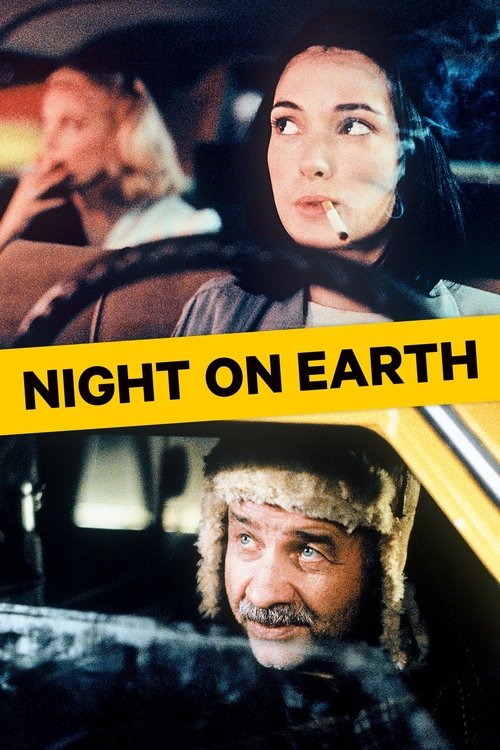
There is a specific, lonely magic to being in a taxi at 3:00 AM. You’re in a transient bubble, hurtling through a city that has mostly gone to sleep, sharing an intimate, temporary space with a stranger you will likely never see again. You can be anyone, tell any lie, or confess any truth. It was this exact frequency that Jim Jarmusch tuned into for Night on Earth, a film that feels less like a structured narrative and more like an anthology of short stories whispered through a cracked partition.
Released in 1991, just as the American indie scene was beginning to flex its muscles at festivals like Sundance, this movie captures a moment before the world went digital. There are no GPS screens, no Uber apps, and no smartphones to distract the passengers. It’s just people, cigarettes, and the hum of the asphalt. I watched this recently while wearing mismatched socks—one wool, one cotton—and that slight sense of being "off-kilter" felt like the perfect way to sync up with Jarmusch’s wavelength.
A Masterclass in Human Friction
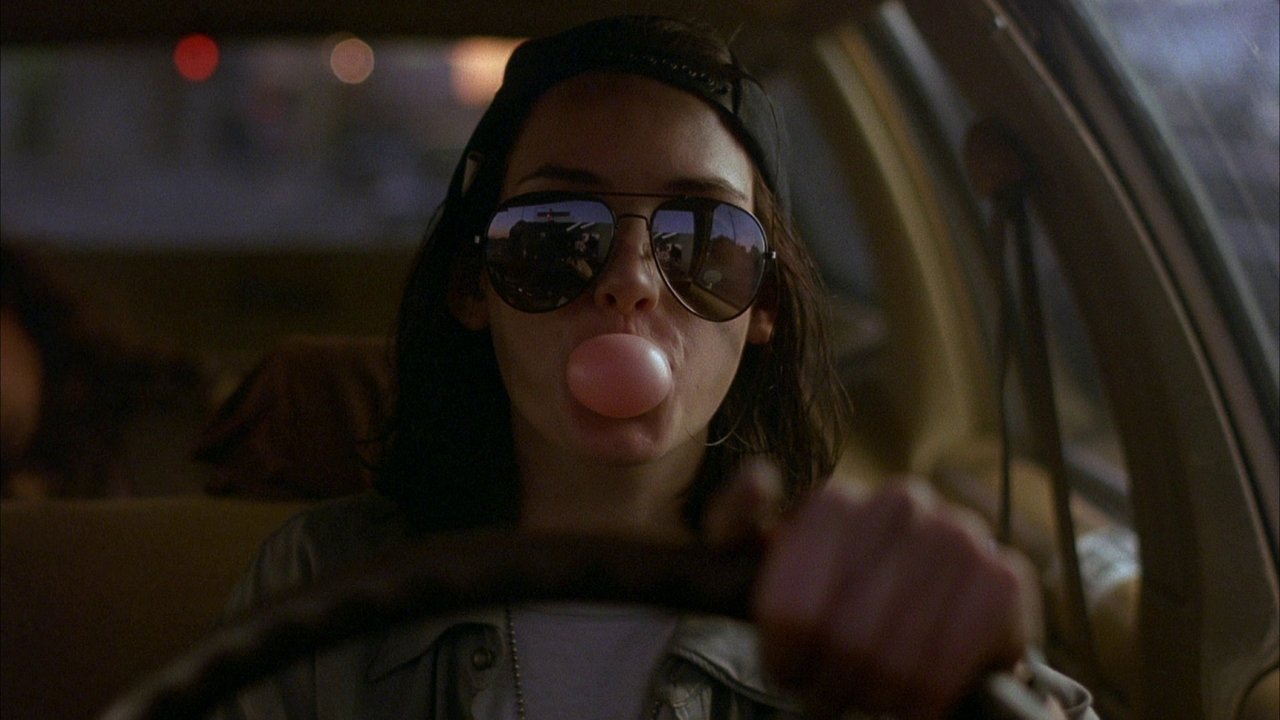
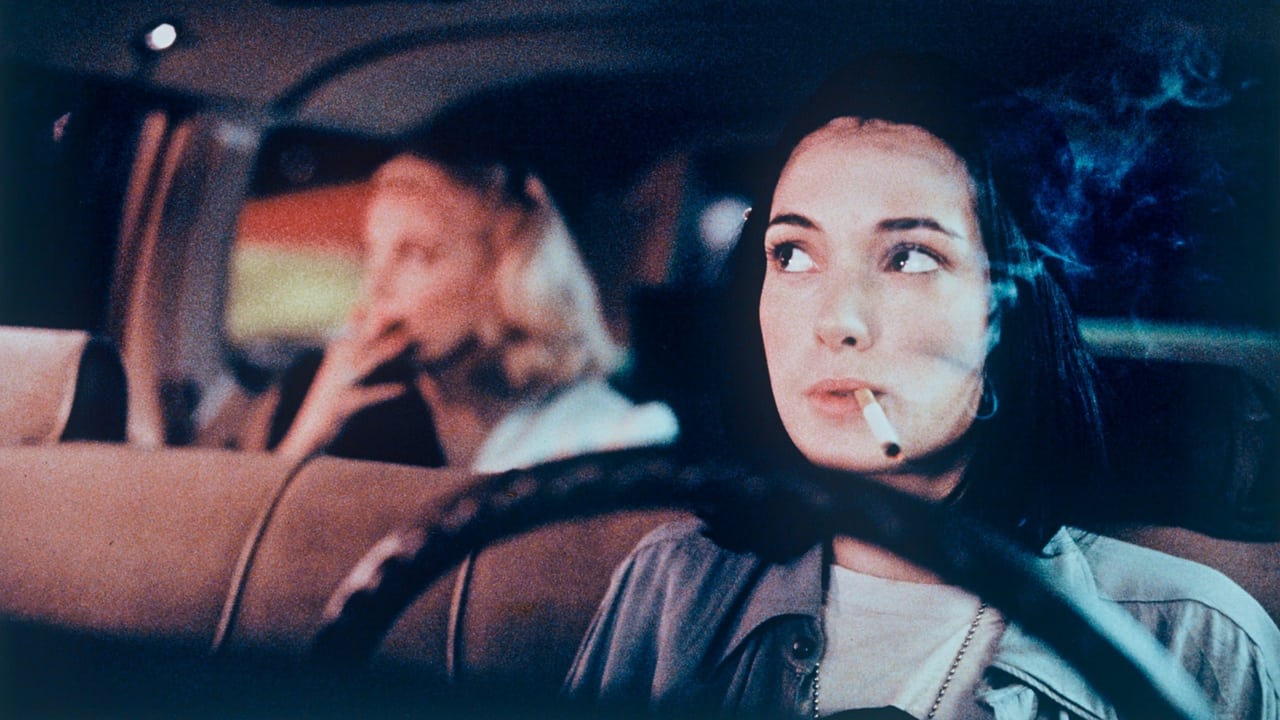
The film is divided into five segments, each taking place simultaneously across different time zones: Los Angeles, New York, Paris, Rome, and Helsinki. We start in the hazy, neon-lit sprawl of LA, where Winona Ryder plays Corky, a tomboyish, chain-smoking cabbie with a face full of grease and a dream of becoming a mechanic. She picks up Gena Rowlands, a high-powered Hollywood casting agent who represents everything Corky isn’t.
It’s a beautiful bit of subversion; usually, the story would be about the "diamond in the rough" being discovered. Instead, Corky looks a career in movies in the eye and says, "Nah, I’m good." Watching Winona Ryder chew gum with such aggressive indifference is a reminder of why she was the patron saint of 90s disaffection. Jarmusch basically invented the 'vibes only' genre before TikTok made it annoying, and this segment is the blueprint.
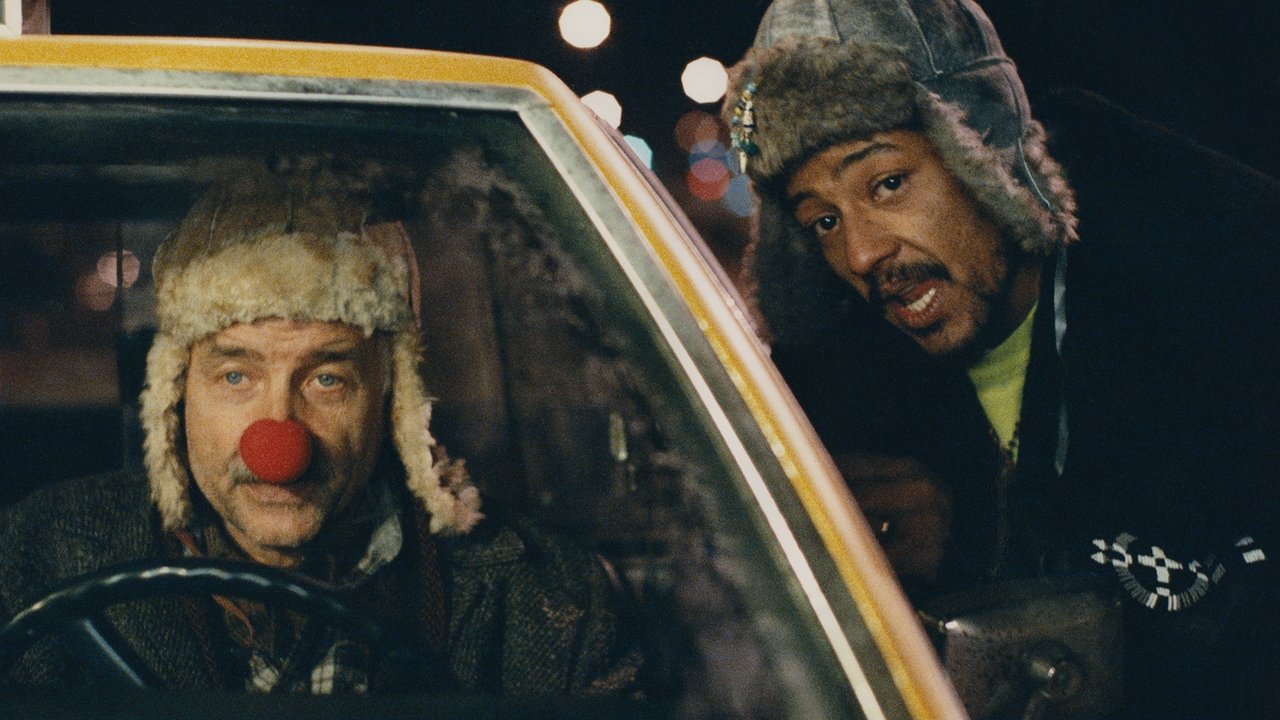
The energy shifts drastically when we hit New York. Giancarlo Esposito (long before he was terrifying us as Gus Fring) is YoYo, a man desperately trying to get home to Brooklyn. He’s picked up by Helmut (Armin Mueller-Stahl), an East German clown-turned-immigrant who doesn’t know how to drive an automatic or, frankly, where he is. The role reversal—the passenger driving the cab while the driver sits in the back—is pure comedic gold. When Rosie Perez enters the frame as YoYo’s sister-in-law, the volume triples and the screen practically vibrates with that specific, abrasive New York affection.
The Philosophical Engine
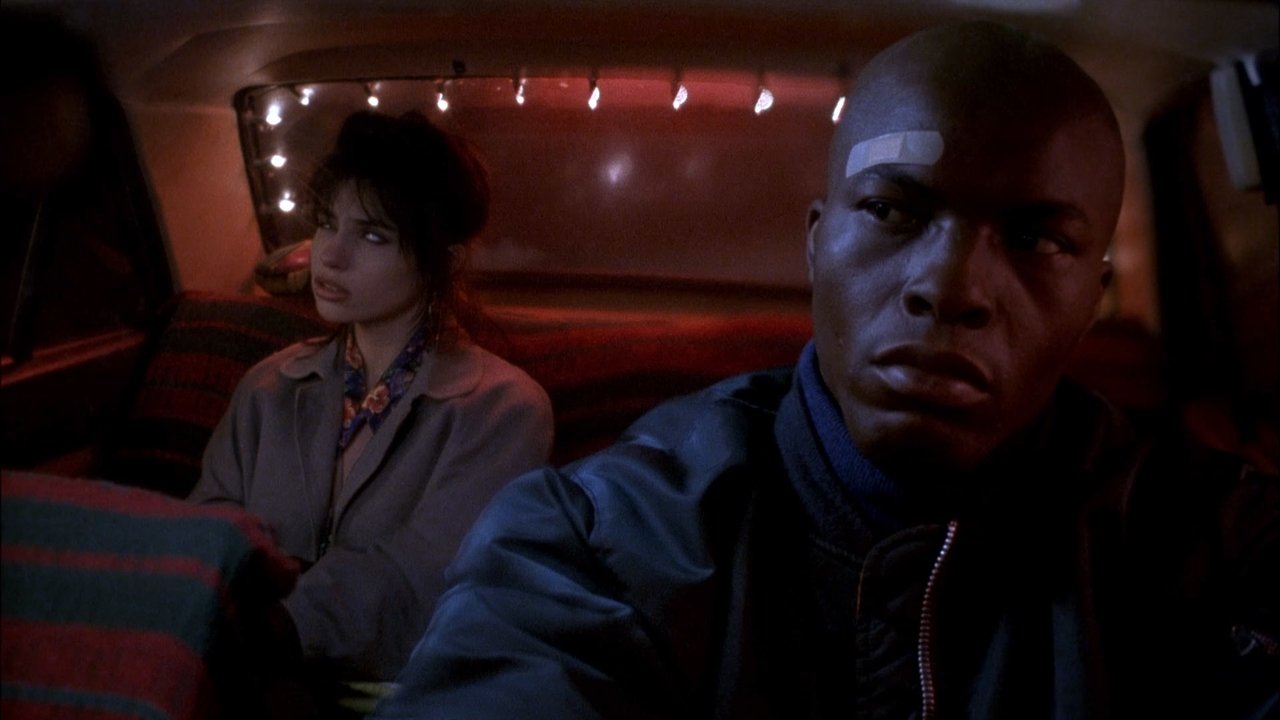
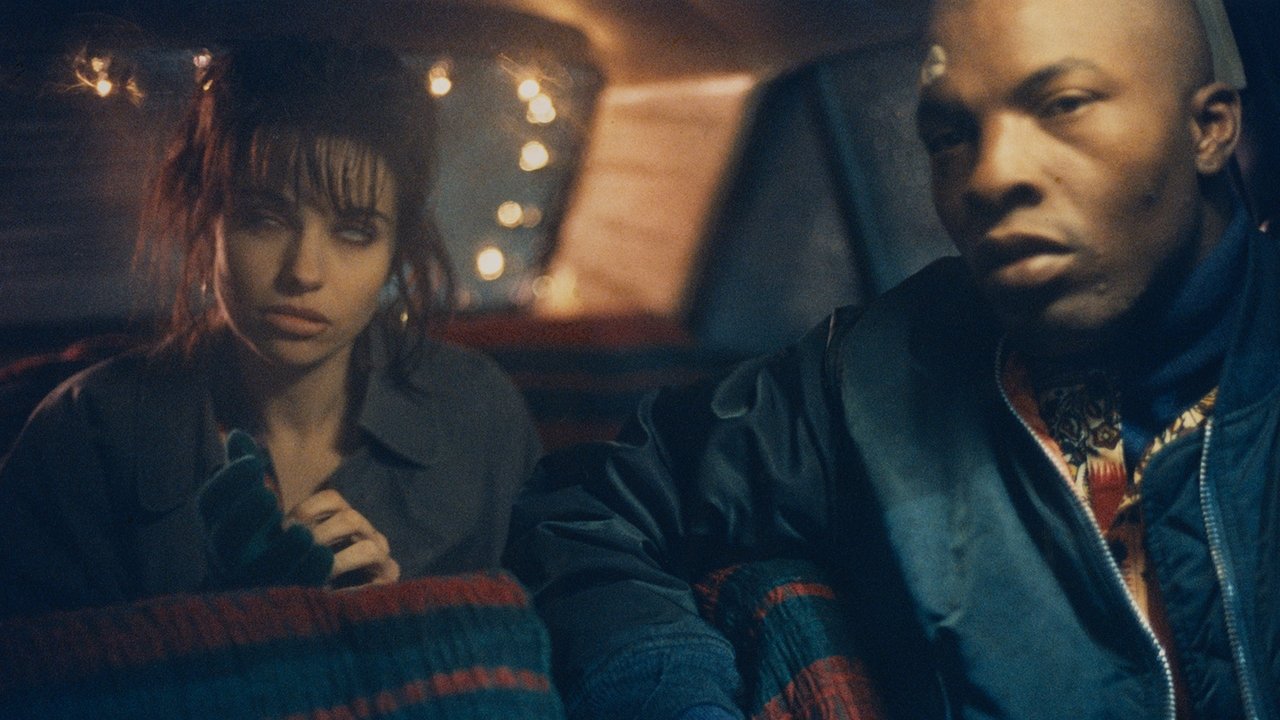
While the first half of the film leans into comedy, the later segments in Paris and Helsinki start to poke at the bruised ribs of the human condition. In Paris, Isaach de Bankolé delivers a stoic, brooding performance as a driver dealing with arrogant diplomats before picking up a blind passenger. The dialogue here is sharp, questioning our assumptions about disability and perception. It asks: who is actually "blind" to the world around them?
Jarmusch has always been a filmmaker interested in the "in-between" moments. He doesn't care about the destination; he cares about the red light. By the time we reach the final segment in Helsinki, the comedy has frozen over into a profound, chilling melancholy. A group of drunks tries to out-sad each other, only to be topped by their driver, played by Matti Pellonpää. It’s bleak, it’s snowy, and it’s deeply moving.
Looking back, Night on Earth feels like a time capsule of "Analog Cool." This was the era of the Indie Film Renaissance, where you could get a budget of $3.5 million to film people talking in cars and actually get it into theaters. It doesn't rely on CGI or flashy editing. Instead, it relies on the cinematography of Frederick Elmes, who captures the grime and glow of these cities with a painterly eye, and a raspy, clattering score by Tom Waits that sounds like a radiator dying in the best way possible.
Stuff You Didn't Notice
One of the coolest details about the production is that Jarmusch allegedly wrote the entire screenplay in about eight days. He wrote the roles specifically for his friends—he knew he wanted Beatrice Dalle for the Paris segment and Roberto Benigni for Rome because he wanted to capture their specific energies. Benigni, in particular, is a caffeinated whirlwind in his segment, delivering a confession to a priest that is so absurdly graphic it’s a wonder the film didn't get slapped with a higher rating.
The film was shot on location in all five cities, which was a massive undertaking for a relatively small indie crew. They had to wait for the "blue hour"—that perfect slice of dusk or dawn—to get the lighting just right for the transitions. It’s also worth noting that the budget was so tight that the "New York" streets you see are often just the same few blocks circled over and over again. Honestly, as someone who has spent too much time stuck in Manhattan traffic, that feels like the most authentic part of the whole movie.
Night on Earth is a film that rewards the patient viewer. It’s not about plot twists or high-stakes action; it’s about the realization that every person you pass on the street is the protagonist of their own weird, messy, heartbreaking drama. It captures the 90s indie spirit perfectly—intelligent, slightly cynical, but ultimately fascinated by the human animal. If you’ve ever felt like a ghost in your own city, this is the movie to watch at midnight with the lights turned low. It’s a ride worth taking, even if you’re not quite sure where you’re going.
Keep Exploring...
-
Coffee and Cigarettes
2004
-
Broken Flowers
2005
-
Ghost Dog: The Way of the Samurai
1999
-
The Postman
1994
-
Dead Man
1995
-
Good Bye, Lenin!
2003
-
Friday
1995
-
My Cousin Vinny
1992
-
Chungking Express
1994
-
The Adventures of Priscilla, Queen of the Desert
1994
-
Only Lovers Left Alive
2013
-
Chasing Amy
1997
-
Buffalo '66
1998
-

Happiness
1998
-
Secretary
2002
-
Garden State
2004
-

The Squid and the Whale
2005
-
High School Musical
2006
-
Super
2010
-
The Kids Are All Right
2010