Only Yesterday
"Your ten-year-old self is still watching you."
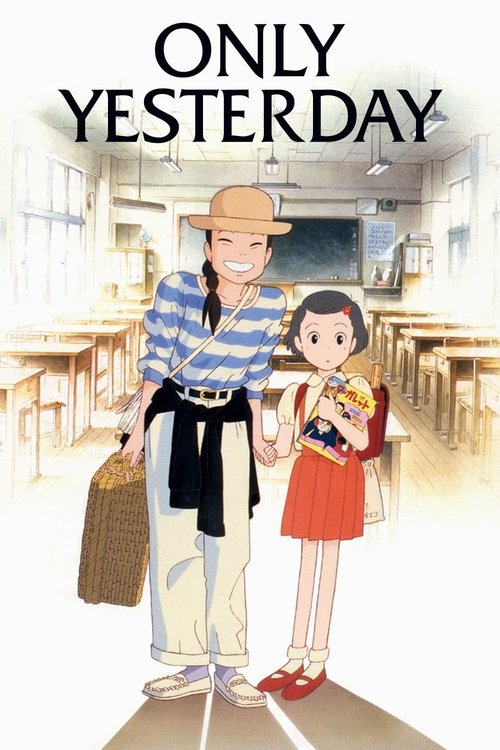
The first time I ate a fresh pineapple, I felt a deep sense of betrayal. It was fibrous, slightly acidic, and nowhere near the sugar-soaked rings I’d grown up eating out of a tin. I didn't realize until much later that my disappointment was actually a shared cultural touchstone, perfectly captured in Isao Takahata’s 1991 masterpiece, Only Yesterday. There is a scene where a family in 1966 Tokyo treats a whole pineapple like a sacred relic, only to realize that none of them actually know how to eat it. It is awkward, funny, and stinging in its honesty—just like being ten years old.
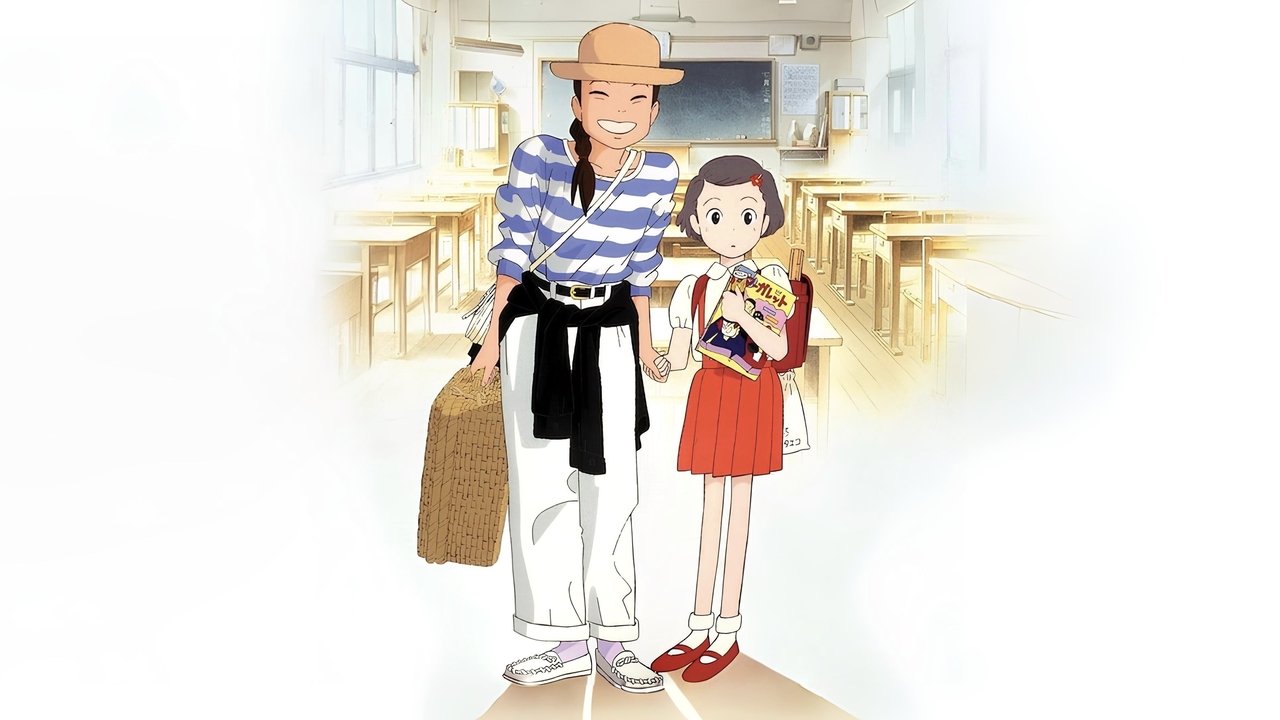
I watched this film again recently on a humid Tuesday afternoon while a fly performed a series of intricate kamikaze dives into my lukewarm oolong tea. Usually, that would be enough to break my immersion, but Only Yesterday has this incredible gravitational pull. It doesn't need high-concept magic or soot sprites to keep you anchored; it just needs the quiet, persistent hum of memory.
The Ghibli Movie That Disney Feared
For the longest time, Only Yesterday was the "lost" Studio Ghibli film in the West. While Hayao Miyazaki (who gave us My Neighbor Totoro) was becoming a household name, this film sat in a vault. Why? Because it’s a mature, grounded drama that dared to mention menstruation and the crushing boredom of fifth-grade math. When Disney bought the distribution rights to the Ghibli library in the 90s, they basically looked at this film’s frankness about puberty and decided it was too spicy for American toddlers, leaving it in the shadows for a quarter-century.
Looking back, that delay was a crime. This isn't a "kids' movie" in the traditional sense, but it’s a film that every adult needs to see. We follow Taeko (Miki Imai), a 27-year-old office worker who takes a vacation to the countryside to help with the safflower harvest. As she travels, her 10-year-old self (Yoko Honna) hitches a ride in her mind. It’s not a haunting; it’s a conversation. Taeko is at that precarious age where the "rest of your life" is starting to look like a fixed track, and she’s checking her 1966 compass to see if she’s still heading in the right direction.
The Art of the Facial Muscle
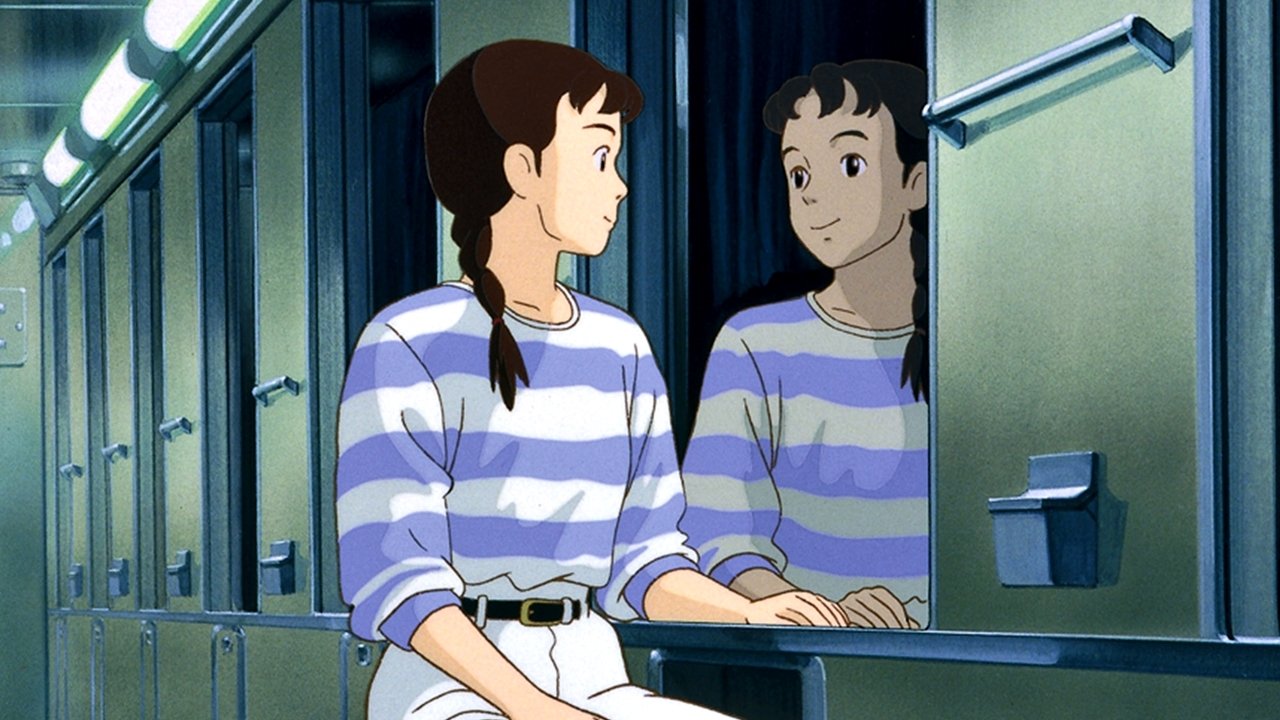
What struck me most this time around was the animation style, which was revolutionary for its era. Isao Takahata, who previously broke our hearts with Grave of the Fireflies, made a radical choice here. For the 1982 "present day" scenes, he had the voice actors record their lines first, then animated the characters to match their specific facial movements. If you look closely at adult Taeko when she laughs, you can see the nasolabial folds—the "smile lines"—around her mouth. It gives the characters a fleshy, human vulnerability that makes most modern CGI look like uncanny valley plastic.
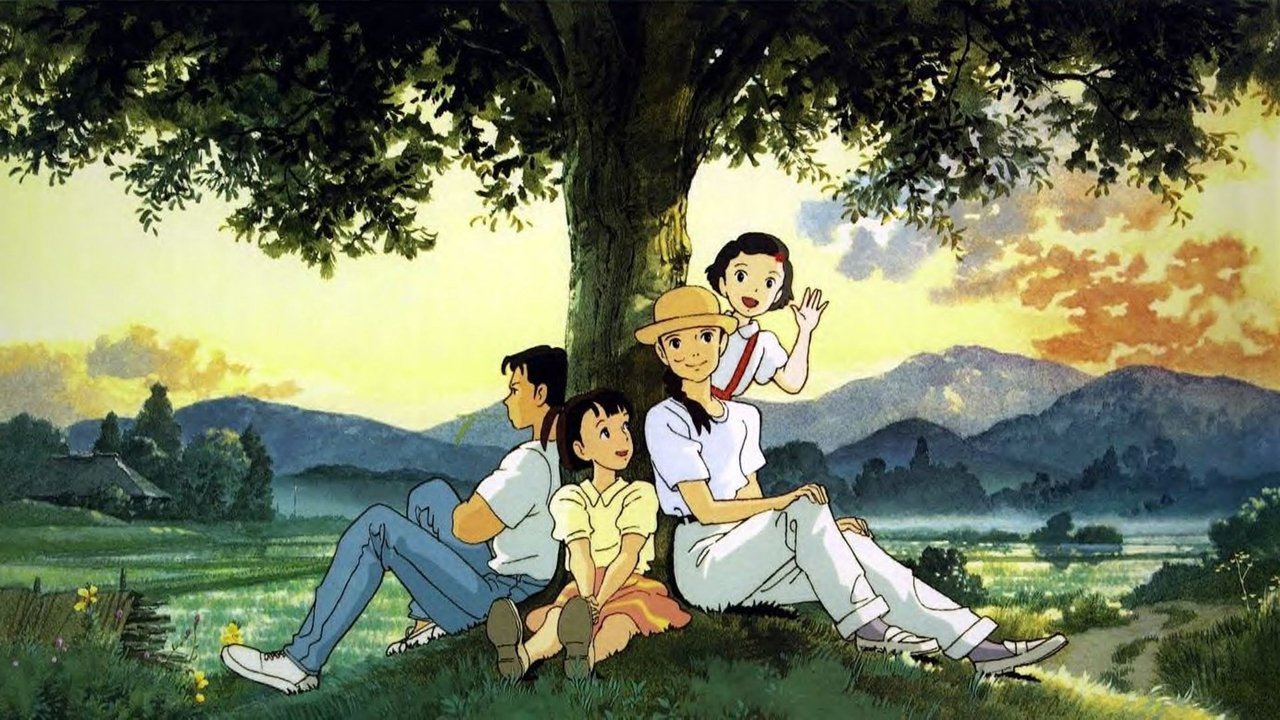
Conversely, the 1966 flashbacks are treated with a hazy, watercolor aesthetic. The edges of the frame bleed into white, as if the memories are fraying at the seams. It’s a brilliant visual metaphor for how we remember things: we don't see the whole room, just the color of the curtains and the way the light hit a particular face.
The chemistry between Taeko and Toshio (Toshiro Yanagiba), the young farmer who picks her up from the station, is wonderfully understated. Toshio is the kind of guy who is genuinely excited about organic farming—a hipster before hipsters were a thing—and their blossoming romance feels earned because it’s built on shared labor and long car rides rather than grand cinematic gestures.
Safflowers and Soul Searching
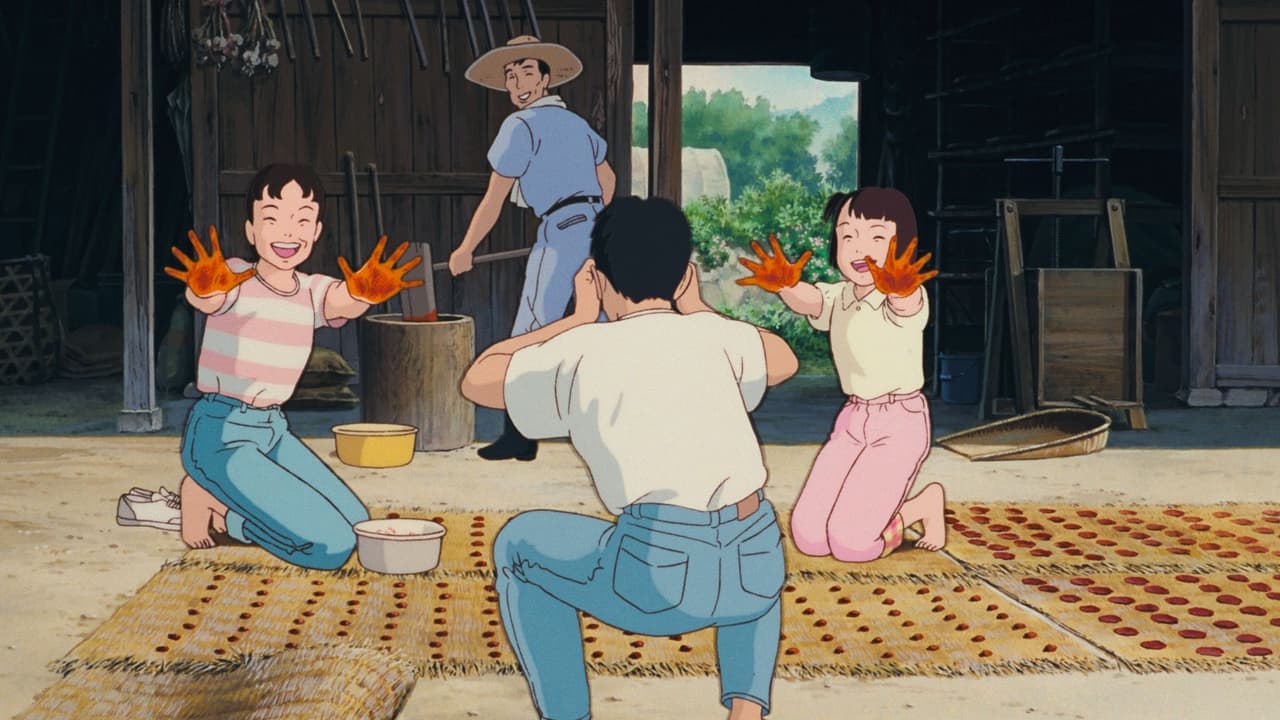
There’s a lot of talk about farming in this movie. Like, a lot. You will learn more about the chemical properties of safflower dye than you ever thought possible. In the hands of a lesser director, this would be a documentary-style slog. But Takahata uses the physical act of harvesting to ground Taeko’s existential crisis. There’s something about getting your hands dirty that forces you to stop overthinking your career path.
The film excels at highlighting the tiny, tectonic shifts of childhood. There’s a sequence involving a boy who refuses to shake Taeko's hand because he has a crush on her, and the way the animation shifts into a surreal, gravity-defying flight of fancy is pure magic. It captures that middle-school feeling of your heart being a balloon that someone just let go of.
Is it slow? Yes. If you're looking for Princess Mononoke levels of adrenaline, you’re in the wrong theater. But if you’ve ever looked in the mirror and wondered if your younger self would even recognize the person looking back, this film will hit you like a freight train.
The final five minutes of Only Yesterday are, quite frankly, some of the best ever committed to film. As the credits roll, the two timelines finally merge in a way that is so emotionally resonant it makes me want to call my third-grade teacher and apologize for being a brat. It’s a film that demands you sit still, put down your phone, and listen to the ghosts of your own past. Just make sure you bring your own tissues—and maybe skip the fresh pineapple.
Stuff You Didn't Notice
Pre-recording Innovation: As mentioned, the 1982 segments were animated to the voices, which was incredibly rare in Japan at the time. This is why the characters have such distinct cheekbones and jaw movements. The Safflower Research: The production team actually went to Yamagata to study the traditional "Benibana" (safflower) harvesting process. The scenes are so accurate they could be used as an instructional video for 19th-century farmers. A Soundtrack of the World: The score features a bizarrely delightful mix of Eastern European folk music. Takahata was a huge fan of Hungarian and Bulgarian music, believing its earthy, rural vibe matched the film's connection to the land. The 25-Year Gap: Because Disney didn't want to deal with the "period talk" scenes, the movie didn't get an official North American theatrical release until 2016 (distributed by GKIDS), featuring Daisy Ridley as the voice of Taeko.

Keep Exploring...
-
The Tale of The Princess Kaguya
2013
-
Pom Poko
1994
-
Ocean Waves
1993
-
Batman: Mask of the Phantasm
1993
-
Millennium Actress
2002
-
Whisper of the Heart
1995
-
5 Centimeters per Second
2007
-
The Garden of Words
2013
-
The Wind Rises
2013
-
Far and Away
1992
-
The Age of Innocence
1993
-

The Piano
1993
-
The Remains of the Day
1993
-
It Could Happen to You
1994
-
Little Women
1994
-

Three Colors: Red
1994
-
A Goofy Movie
1995
-
The Quick and the Dead
1995
-
Breaking the Waves
1996
-
That Thing You Do!
1996