Return to the Blue Lagoon
"Paradise found, then promptly lost again."
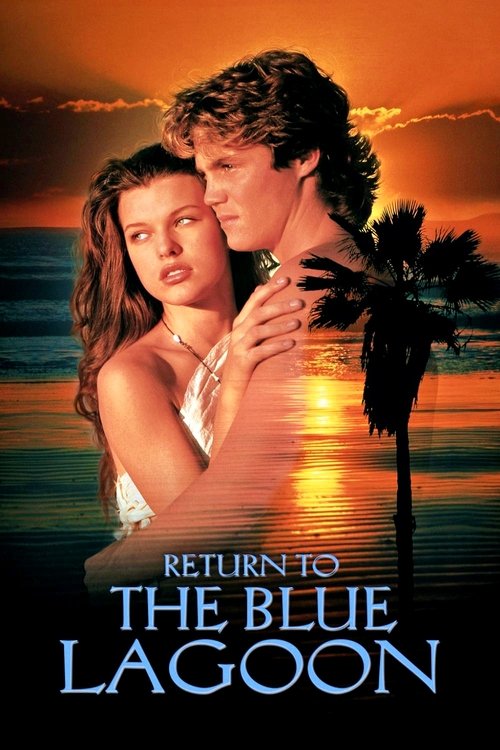
The early nineties were a strange, transitional time for the major studios. While the indie scene was beginning to boil over at Sundance, Columbia Pictures decided to double down on a decade-old brand of "tropical prestige." In 1991, the world didn’t necessarily ask for a follow-up to the Brooke Shields survival-romance, but we got one anyway. This film is the cinematic equivalent of a photocopy of a photocopy; the colors are still bright, but the image is getting a little blurry around the edges.
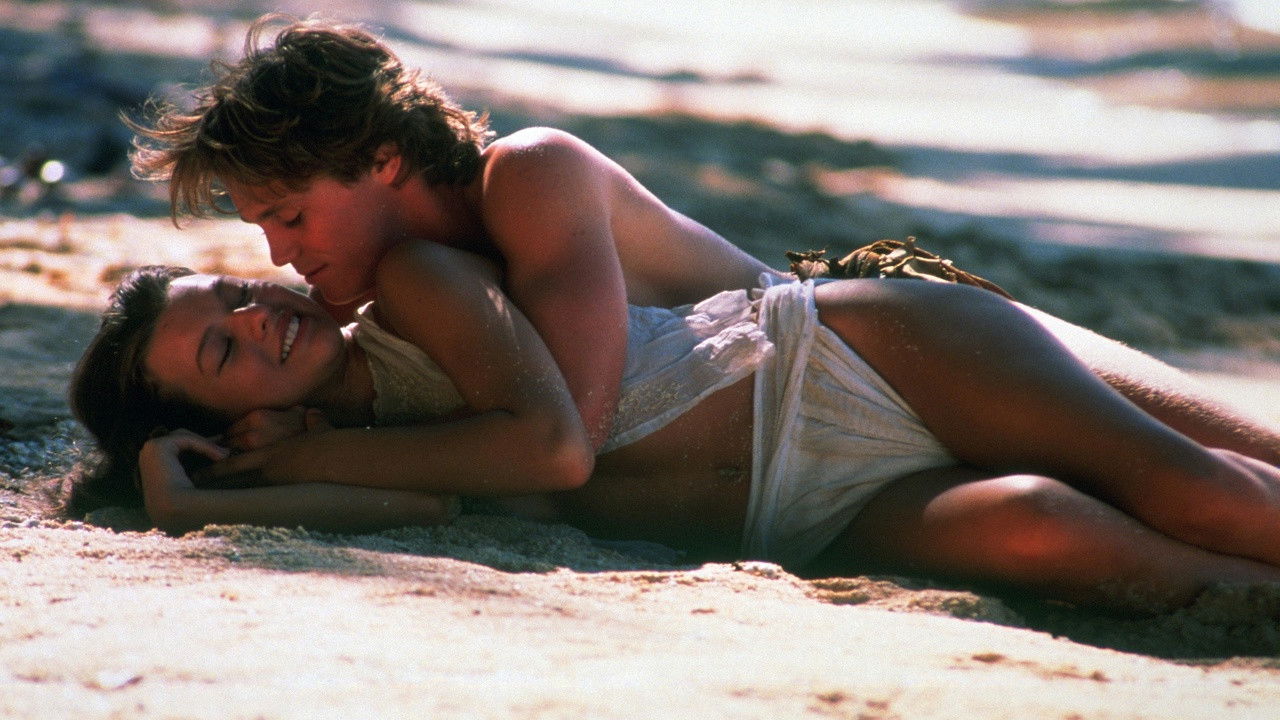
I remember watching this on a VHS tape that had a sticker from a long-defunct rental store called "Video Vibes," and the tracking was so bad that the ocean looked like it was made of static for the first ten minutes. Honestly, that bit of technological interference might have been more interesting than the first act.
A Sequel or a Mirror Image?
The story picks up almost exactly where the 1980 original left off—well, sort of. After the tragic ending of the first film, a ship finds the drifting boat containing the two original lovers and their young son. The parents are gone, but the baby survives. He is taken in by Lisa Pelikan (who you might recognize from Lionheart), playing Sarah Hargrave. Through a series of contrivances involving a cholera outbreak and a panicked crew, Sarah ends up in a lifeboat with the baby and her own infant daughter, Lilli.
Where do they land? You guessed it. They wind up on the exact same island from the first movie. It’s a bold narrative choice to suggest that the South Pacific is about the size of a backyard swimming pool, but the film leans into it. Sarah raises the two children—Richard and Lilli—until she eventually passes away, leaving two teenagers to figure out the birds, the bees, and how to survive a tropical storm without a roof.
The screenplay was penned by Leslie Stevens, the man who created The Outer Limits. You’d expect something a bit more avant-garde or sci-fi from him, but instead, we get a script that feels like it was written by someone who had only ever seen a travel brochure for Fiji. It’s less a sequel and more a high-gloss Witness Protection program for the original plot.
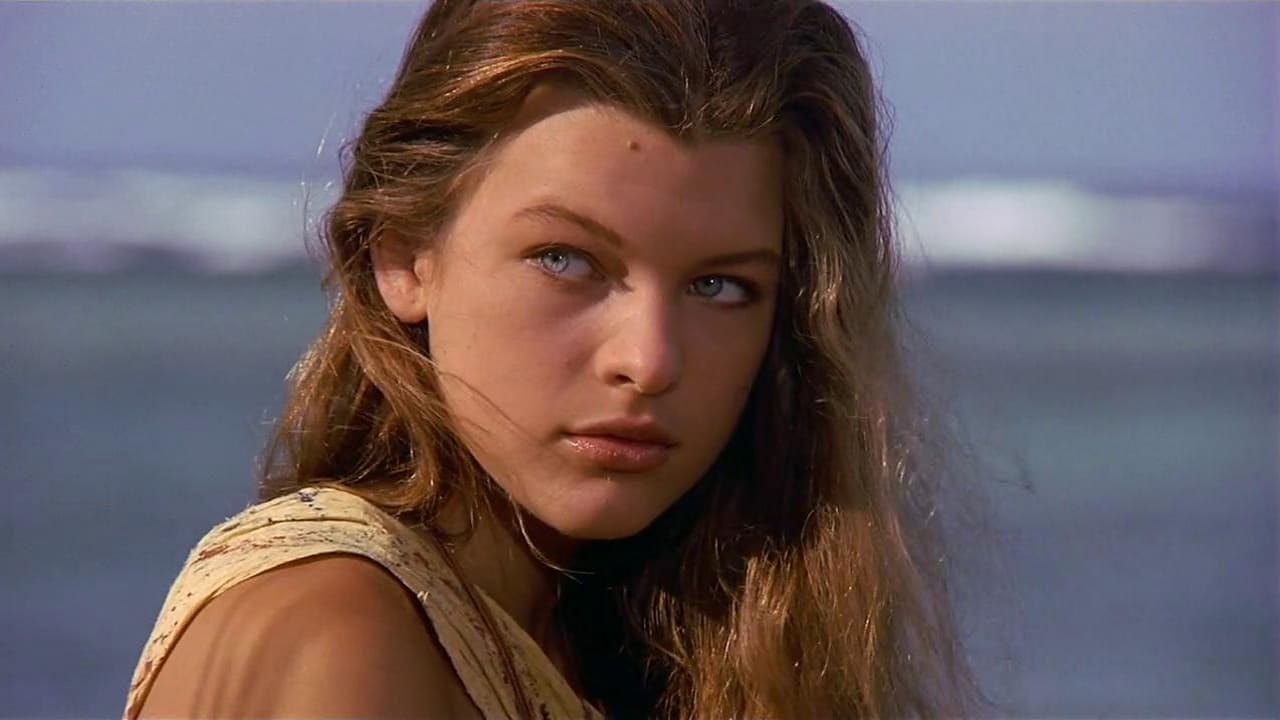
The Birth of a Star (and a Lot of Sunburn)
The real reason anyone still talks about this movie is the debut of a 15-year-old Milla Jovovich. Long before she was kicking zombies into the sun in Resident Evil or being the "perfect being" in The Fifth Element, she was Lilli. Looking back, you can see the screen presence that would eventually make her an icon. She has an intensity that the material doesn't quite know how to handle. Her counterpart, Brian Krause (later a staple of the show Charmed), plays Richard with a sort of earnest, wide-eyed confusion.
The chemistry between them is... fine. It’s very "90s Teen Magazine." They spend a lot of time looking at each other with soft-focus longing while the camera lingers on the scenery. The film tries to inject some drama in the final act when a civilization-bearing ship arrives, led by Brian Blain, but the conflict feels tacked on. We know exactly where this is going because we saw the 1980 version. It’s a drama that is deeply terrified of actually being dramatic.
The Technical Polish of a Vanishing Era

If there is one area where the film genuinely excels, it’s the aesthetic. This was directed by William A. Graham, a veteran of TV movies and Elvis’s final film Change of Habit. He knows how to make things look expensive. The cinematography by Robert Steadman captures the island with a lushness that makes you want to book a flight immediately. There’s no CGI here; this is pure, practical location shooting from an era just before digital effects would start replacing the need to actually fly a crew to Fiji.
The score is another highlight. Basil Poledouris, the genius who gave us the thunderous drums of Conan the Barbarian and the synth-heavy grit of RoboCop, returned to the franchise here. His music is far more epic than the movie deserves. It’s sweeping, romantic, and carries the emotional weight that the dialogue often fails to lift.
Interestingly, the film was a massive box office flop, recouping only a fraction of its $11 million budget. By 1991, the "scandalous" nature of the first film had evaporated. Audiences were moving toward the high-octane thrills of Terminator 2 or the cynical wit of the emerging indie scene. A slow-paced, earnest drama about two teenagers finding a pearl just didn't have the same bite. It’s a film that aged into obscurity the moment the credits rolled.
Ultimately, this is a beautiful, harmless, and entirely unnecessary piece of cinema history. It’s worth a look if you’re a Milla Jovovich completist or if you just need 98 minutes of high-quality ocean footage to soothe your brain. It’s a relic of a time when studios thought you could sell the exact same story twice just by changing the actors. It’s not a "good" movie in the traditional sense, but as a sunny, low-stakes time capsule of 1991’s attempt at a classic romance, it has a certain goofy charm. Just don't expect any deep thoughts to follow you off the island.
Keep Exploring...
-
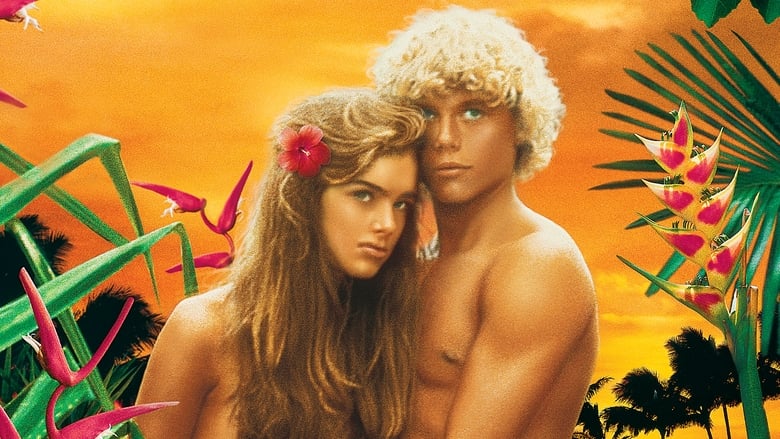
The Blue Lagoon
1980
-
The Messenger: The Story of Joan of Arc
1999
-
The NeverEnding Story II: The Next Chapter
1990
-
1492: Conquest of Paradise
1992
-
Wyatt Earp
1994
-
First Knight
1995
-
Flight of the Phoenix
2004
-
Walking Tall
2004
-
The Eagle
2011
-

On the Road
2012
-
Alive
1993
-
The River Wild
1994
-

Sahara
2005
-
Blue Lagoon: The Awakening
2012
-
Days of Thunder
1990
-
Far and Away
1992
-
Maverick
1994
-
Executive Decision
1996
-
Teenage Mutant Ninja Turtles II: The Secret of the Ooze
1991
-
The Good Son
1993