Star Trek VI: The Undiscovered Country
"Old soldiers don't fade away; they start a revolution."
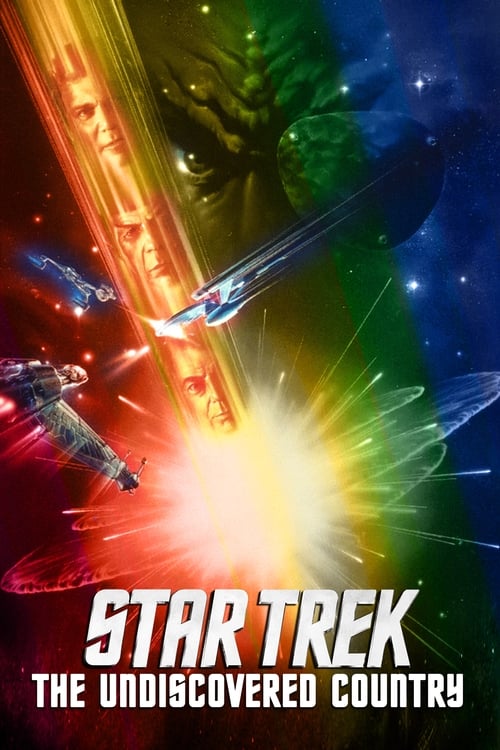
Most long-running franchises eventually suffocate under the weight of their own self-importance or, worse, become a parody of the very things that made them great. By 1991, the original Star Trek crew was looking a bit long in the tooth, and after the creative crater that was The Final Frontier, I honestly think most people were ready to let the Enterprise sail into a quiet sunset. But then Nicholas Meyer—the man who basically saved the series once before with The Wrath of Khan—returned to the captain’s chair. He didn't just give the old guard a goodbye; he gave them a cold, hard look in the mirror. I watched this recently on a Tuesday night while trying to ignore a persistent draft coming from my window, and the chill in the air actually suited the film’s icy, claustrophobic dread perfectly.
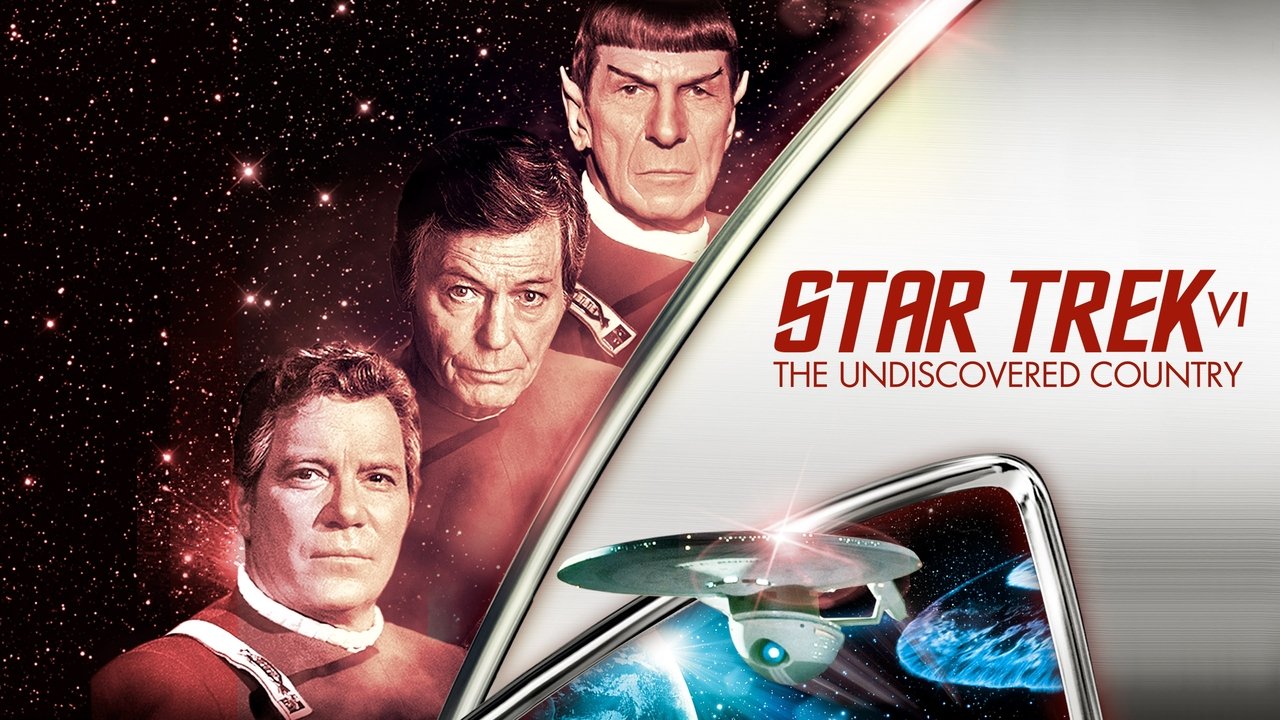
The Grime Beneath the Starfleet Polish
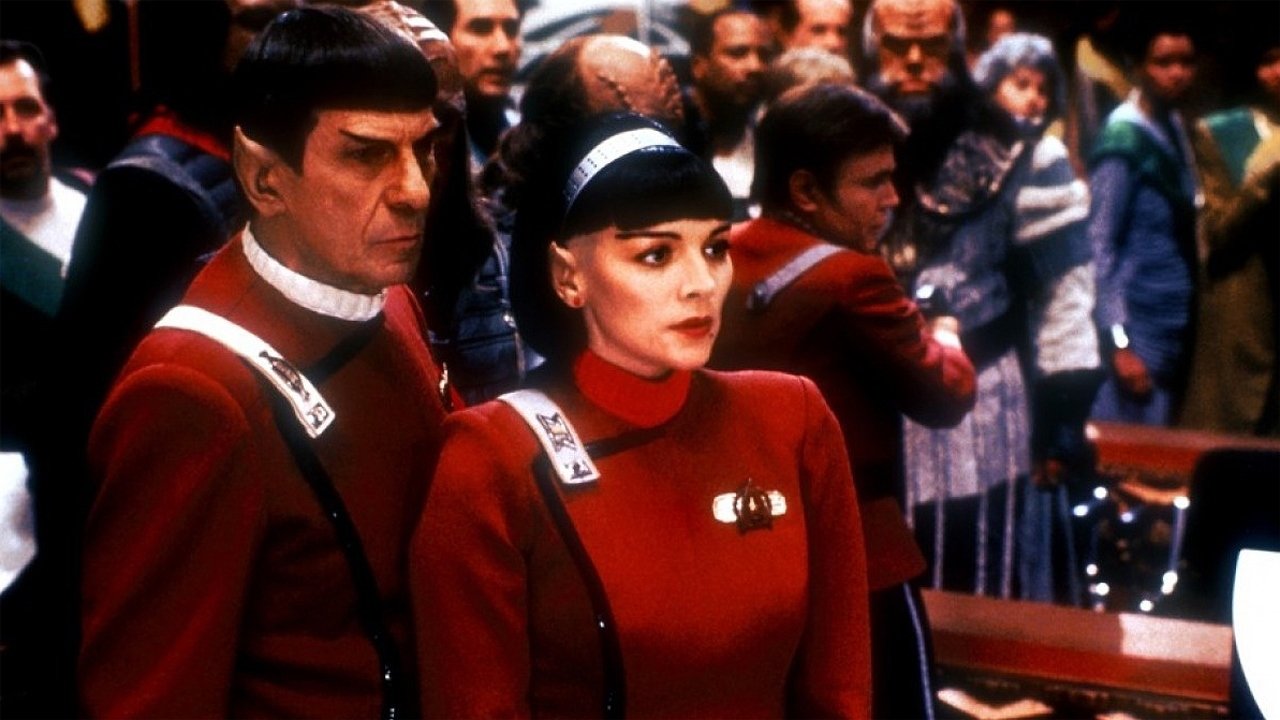
What strikes me most about The Undiscovered Country is how uncomfortably it sits within the "utopian" ideal of the Federation. This isn't a bright, shiny adventure; it’s a political thriller drenched in shadows and cigarette-smoke vibes (even if they don't actually smoke on the bridge). The film leans heavily into the real-world anxieties of 1991—the fall of the Berlin Wall and the collapse of the Soviet Union. When the Klingon moon Praxis explodes in the opening minutes, it’s a clear stand-in for Chernobyl, a catastrophe that forces a proud, warlike empire to finally sue for peace.
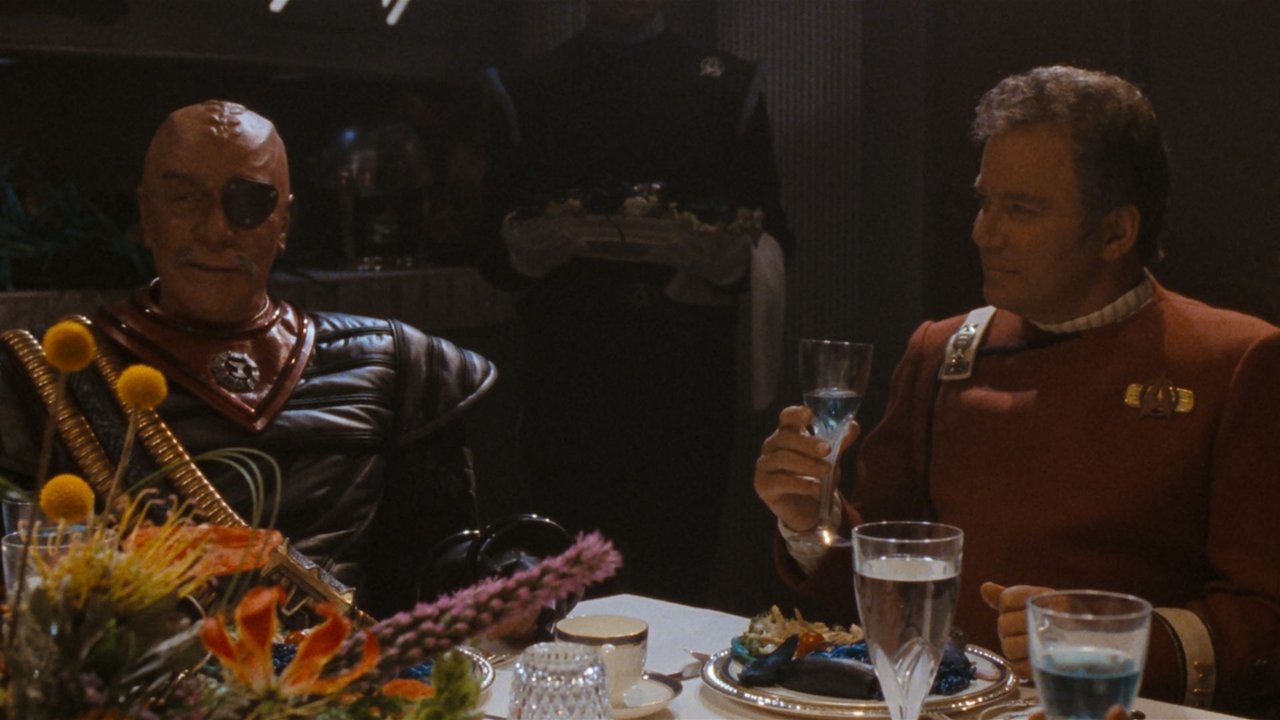
But the real darkness isn't in the explosion; it’s in the room where the peace is discussed. William Shatner gives what I consider his most nuanced performance as James T. Kirk here. He isn't the swashbuckling hero; he’s a bitter, grieving father who flatly admits, "I've never been able to forgive them for the death of my boy." Watching Kirk struggle with his own bigotry is a gut-punch. It’s a brave choice for a franchise built on "infinite diversity in infinite combinations" to admit that its lead hero is essentially a relic of a war he isn't ready to end.
The atmosphere is aided immensely by Hiro Narita’s cinematography. Everything feels heavy and metallic. The Enterprise corridors, usually so clinical, feel like a submarine under pressure. When the Klingon High Chancellor Gorkon, played with a weary majesty by David Warner (Tron, Titanic), is assassinated, the sequence is genuinely haunting. The gravity-free environment, the floating orbs of violet blood—which was a very early and effective use of CGI—and the sheer brutality of the hit-and-run set a tone that is far more Le Carré than Buck Rogers.
A Shakespearean Duel in the Dark
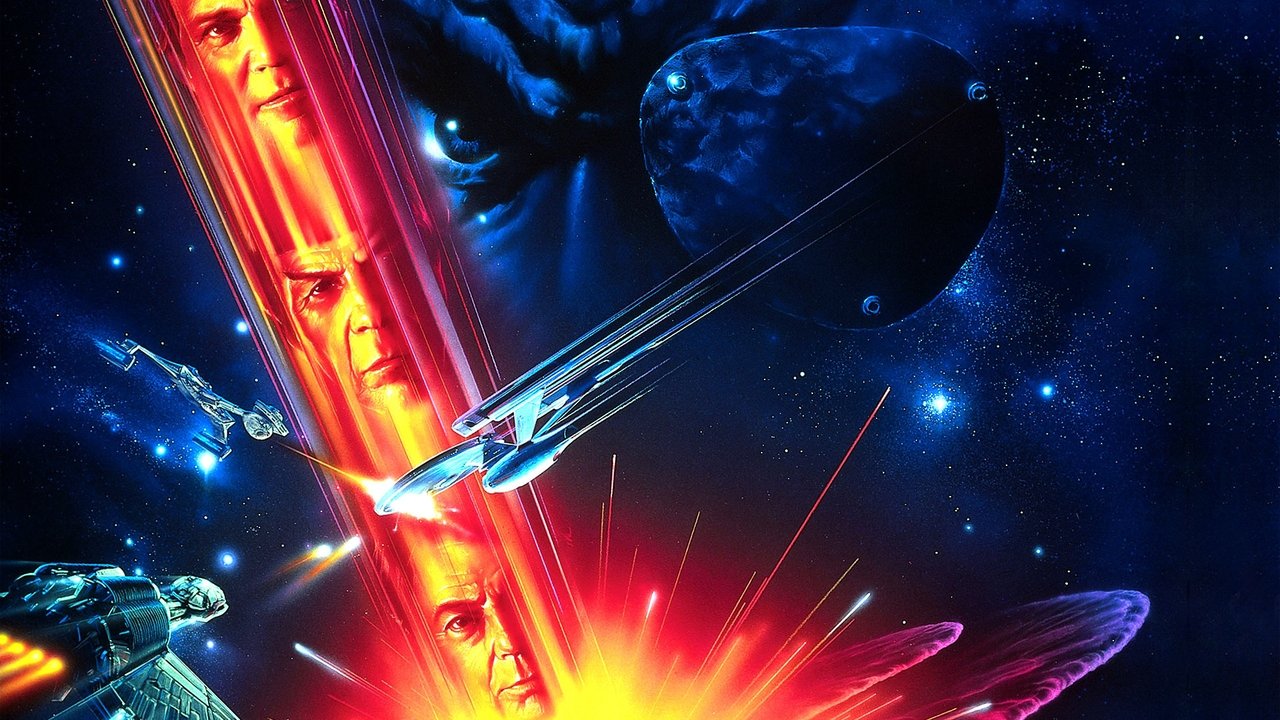
The action in Star Trek VI is tactical and tense rather than explosive for the sake of it. The centerpiece is the "Battle of Khitomer," a three-way ship-to-ship engagement that feels like a naval duel between ironclads. The stakes aren't just "save the ship"; it's "save the future from ourselves." Standing in the way is Christopher Plummer as General Chang.
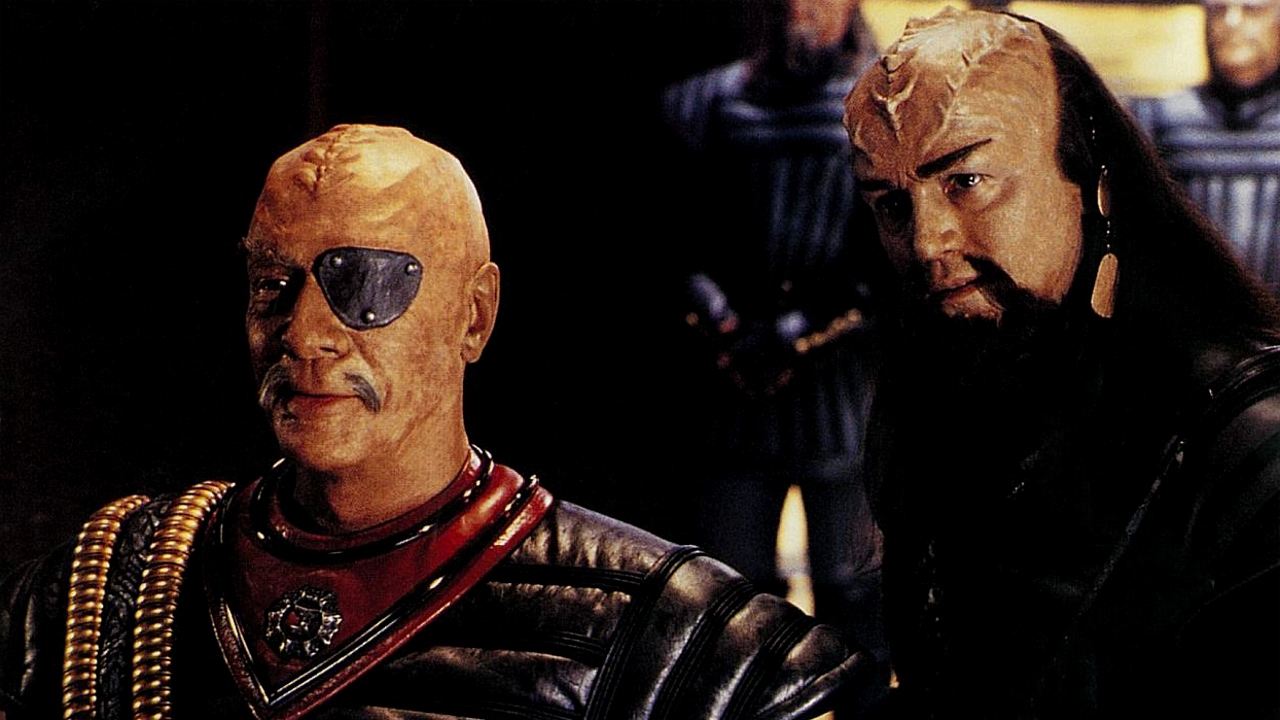
Plummer is clearly having the time of his life, sporting a metallic eyepatch bolted directly into his skull and quoting Shakespeare with every breath. Chang is basically a theater kid with a cloaking device, and he represents the terrifying reality that some people would rather see the universe burn than lose their identity as soldiers. The way Nicholas Meyer handles the pacing here is brilliant; the cross-cutting between the courtroom drama on the Klingon home world and the Enterprise’s frantic search for a "cloaked" assassin keeps the momentum from ever sagging.
There’s a grit to the practical effects here that CGI-heavy modern Trek often misses. When Kirk and DeForest Kelley’s Leonard McCoy are sent to the ice-prison of Rura Penthe, you can almost feel the frostbite. The production actually utilized the sets from Star Trek: The Next Generation to save money, but with the lighting turned way down and the smoke machines turned way up, you’d never know it. It feels lived-in, dangerous, and decidedly un-glamorous.
The Weight of the Final Voyage
The film’s "The Undiscovered Country" title refers to the future, and for the TOS cast, that future meant passing the torch. Looking back, this film feels like the bridge between the analog filmmaking of the 80s and the digital explosion of the 90s. It’s sophisticated, cynical, and ultimately hopeful in a way that feels earned. Even the supporting cast gets their moments; Nichelle Nichols has a fantastic, tense scene involving a stack of dusty Klingon translation books that reminds us that even in the future, technology can fail you when you’re under fire.
I’ve always felt that the "even-numbered Trek films are the good ones" rule was a bit reductive, but Star Trek VI makes a hell of a case for it. It’s a movie about the terror of change and the courage it takes to put down your gun when that’s all you’ve ever known. It’s the rare franchise finale that actually has something to say about the human condition, wrapped in a package of exploding starships and Shakespearean insults.
This is the definitive farewell for the crew that started it all. By trading camp for conspiracy and "monster-of-the-week" tropes for a grim meditation on prejudice, Nicholas Meyer delivered a film that feels just as relevant today as it did when the Soviet Union was crumbling. It’s a masterclass in how to age a cast with dignity while still delivering the high-stakes action fans crave. If you haven't revisited this one since your VHS copy wore out, it’s time to head back into the stars. Just watch out for the guys with the magnetic boots.
Keep Exploring...
-

Star Trek II: The Wrath of Khan
1982
-
Star Trek III: The Search for Spock
1984
-
Star Trek V: The Final Frontier
1989
-
Star Trek IV: The Voyage Home
1986
-
Star Trek: The Motion Picture
1979
-
Star Trek: First Contact
1996
-
Serenity
2005
-

Starship Troopers
1997
-

The Matrix Reloaded
2003
-

The Hunger Games
2012
-
The Count of Monte Cristo
2002
-
RoboCop 2
1990
-
Batman Beyond: Return of the Joker
2000
-
Darkman
1990
-

The Rocketeer
1991
-
Star Trek: Generations
1994
-

Predator
1987
-
Mission: Impossible
1996
-
The Rock
1996
-

9
2009