Teenage Mutant Ninja Turtles II: The Secret of the Ooze
"More ooze, less grit, and a whole lot of rap."
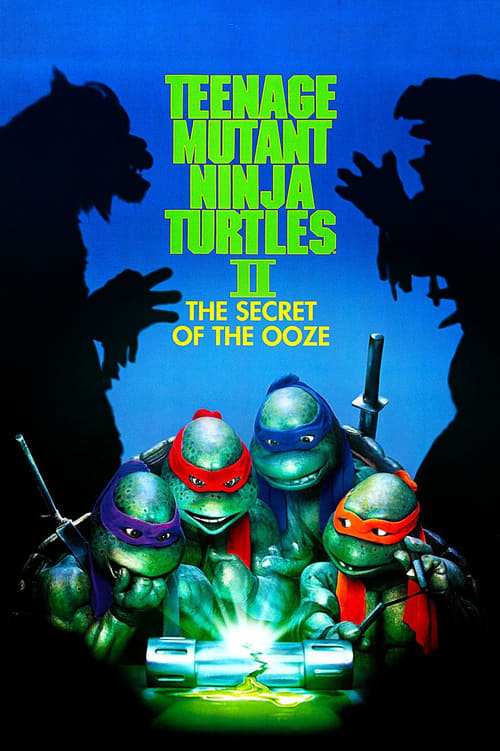
I remember sitting on my living room floor in 1991, wearing a pair of itchy green wool mittens my grandmother knitted for me—which I insisted made me look like a mutant turtle—and trying to eat a slice of Ellio’s pizza without using my thumbs. It was a greasy, glorious mess, much like Teenage Mutant Ninja Turtles II: The Secret of the Ooze. Looking back at this sequel through a modern lens, it’s a fascinating time capsule of a franchise in identity crisis, caught between the shadows of the gritty 1980s underground comics and the neon-soaked, toy-selling powerhouse of the early 90s.
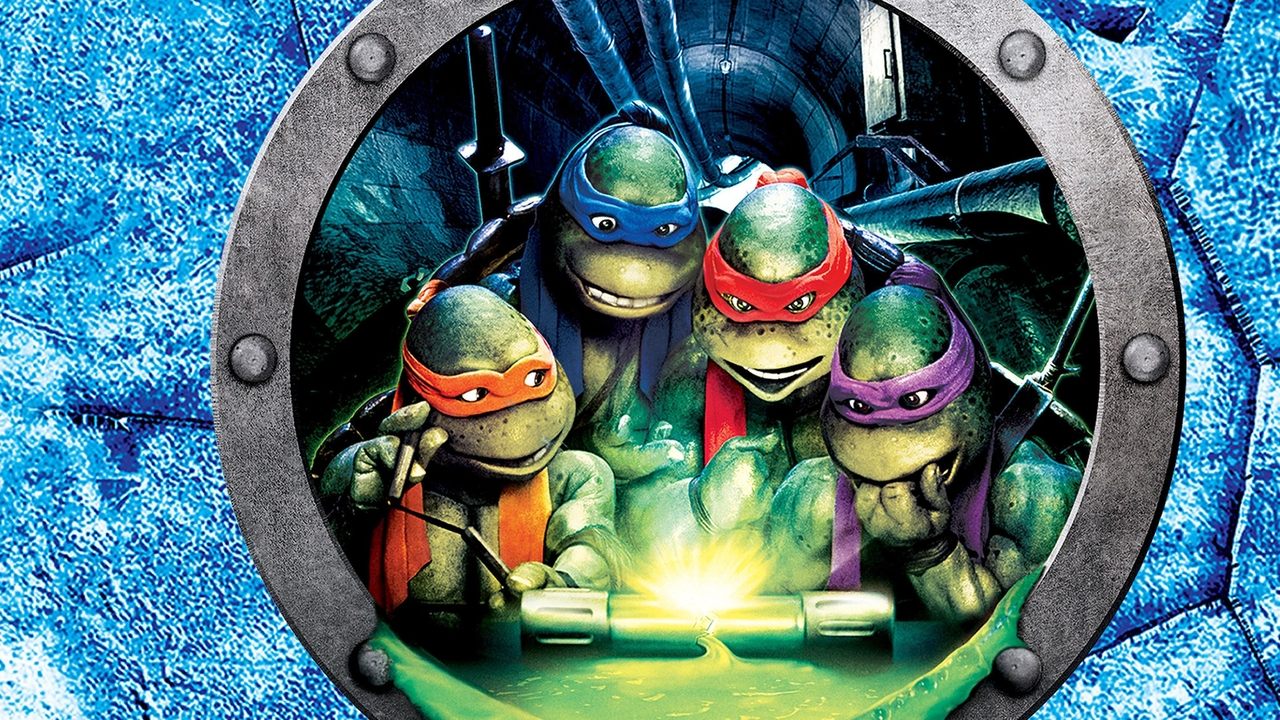
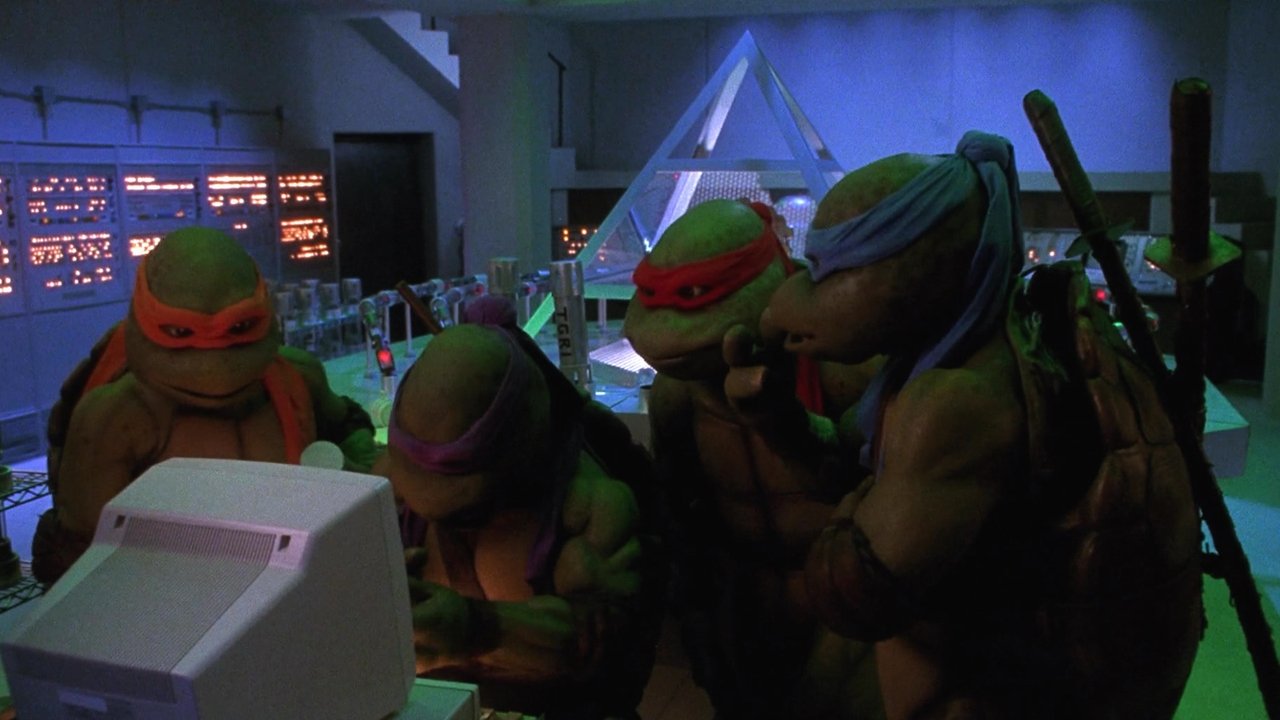
The 1990 original was a surprisingly moody, rain-slicked indie hit that actually carried some emotional weight. But parents in the early nineties were a different breed; they saw a turtle hit a Foot Soldier with a nunchuck and collectively lost their minds. The result? This 1991 follow-up is the cinematic equivalent of a sugar high. It’s brighter, louder, and notably, the Turtles almost never use their signature weapons. Instead of slicing and dicing, we get a slapstick buffet where Brian Tochi (Leonardo), Laurie Faso (Raphael), Robbie Rist (Michaelangelo), and Adam Carl (Donatello) spend most of the runtime fighting with sausages, toys, and oversized decorative mall ornaments.
Practical Magic in a Digital Dawn
Even if the tone shifted toward the "Saturday Morning Cartoon" demographic, the technical craft on display is still staggering. This was one of the final projects overseen by the legendary Jim Henson before his passing, and the animatronics from his Creature Shop remain miles ahead of the rubbery, weightless CGI we often see today. There is a tactile reality to the Turtles here. When Raph looks moody in a trench coat, you can practically feel the damp latex.
The "secret" of the title involves Professor Jordon Perry, played with a delightful, confused warmth by the great David Warner. I’ve always found it hilarious that Warner—a man who usually plays cold-blooded villains in films like Time After Time (1979) or Titanic (1997)—is the one explaining the origin of the TGRI ooze. He brings a touch of class to a movie that eventually features a giant snapping turtle and a mutant wolf cub. Speaking of which, the absence of Bebop and Rocksteady is the great "what-if" of this era. Due to rights issues and a desire for new toy designs, we got Tokka and Rahzar instead. They’re basically toddlers in monster suits, but their animatronic facial expressions are more expressive than half the actors on the CW.
The Rhythm of the 1991 Streets
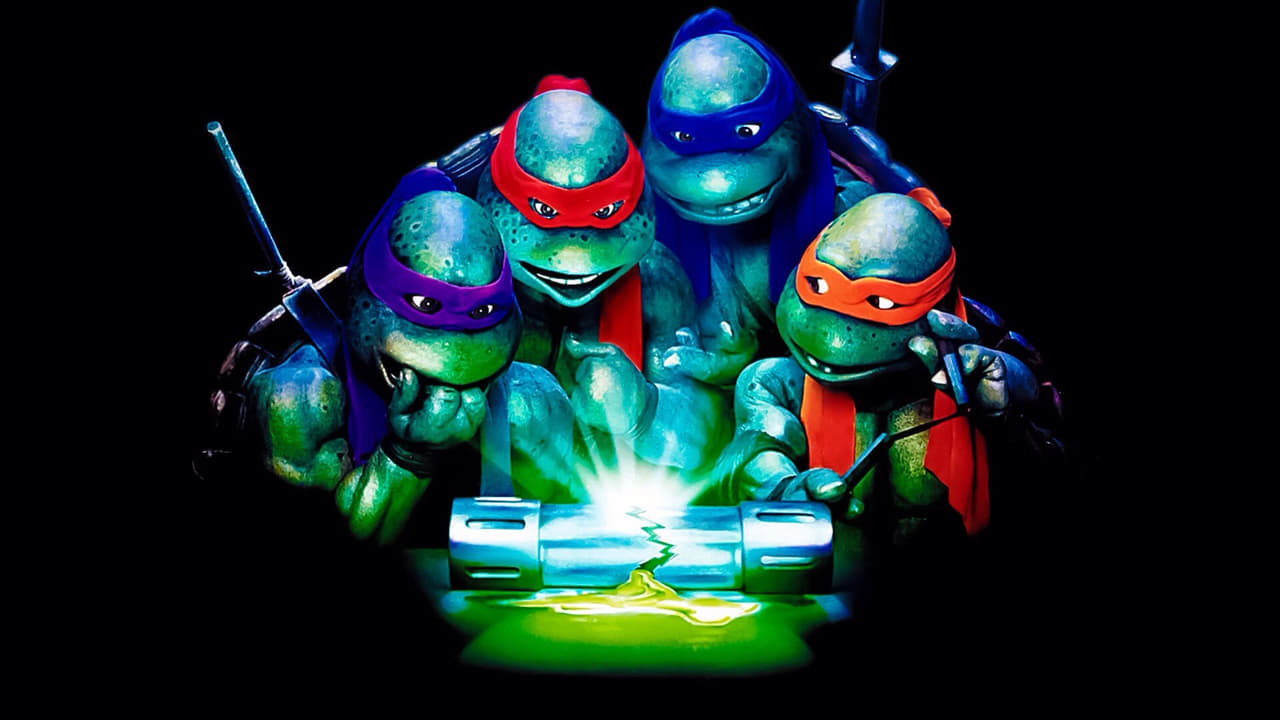
The action choreography, handled by director Michael Pressman, is a frantic blend of martial arts and Three Stooges routines. It lacks the impact of the first film, but it gains a weird, kinetic energy thanks to the inclusion of Ernie Reyes Jr. as Keno, the pizza delivery kid. Reyes Jr. was actually a stunt double in the first film, but he was so charismatic they gave him a starring role here. His high-kicking pizza delivery intro is peak 1990s cinema—pure, unadulterated "radical" energy.
And then, there’s the April O'Neil situation. Paige Turco takes over the yellow news jacket from Judith Hoag. While Hoag had a certain New York cynicism that grounded the first film, Turco plays April with a much softer, almost maternal vibe. It fits the movie’s friendlier aesthetic, even if she feels a bit sidelined by the sheer amount of turtle-related chaos happening in her apartment. The film’s pacing is breakneck, barely stopping for breath between Shredder’s inevitable resurrection and the climactic "Ninja Rap" at the nightclub.
Go Ninja, Go Ninja, Go
We have to talk about Vanilla Ice. Looking back, the nightclub scene is one of the most absurd sequences in action cinema history. The Turtles crash through a wall into a live concert, and instead of screaming in terror at the four-foot-tall bipedal reptiles, the crowd just starts synchronized dancing while Vanilla Ice improvises a rap about their fighting style. It is campy, it is dated, and I love every ridiculous second of it. It represents that brief, weird window in the early 90s where brands weren't quite sure how to market to kids yet, so they just threw everything at the wall—rap, ninjas, pizza, and neon—to see what stuck.
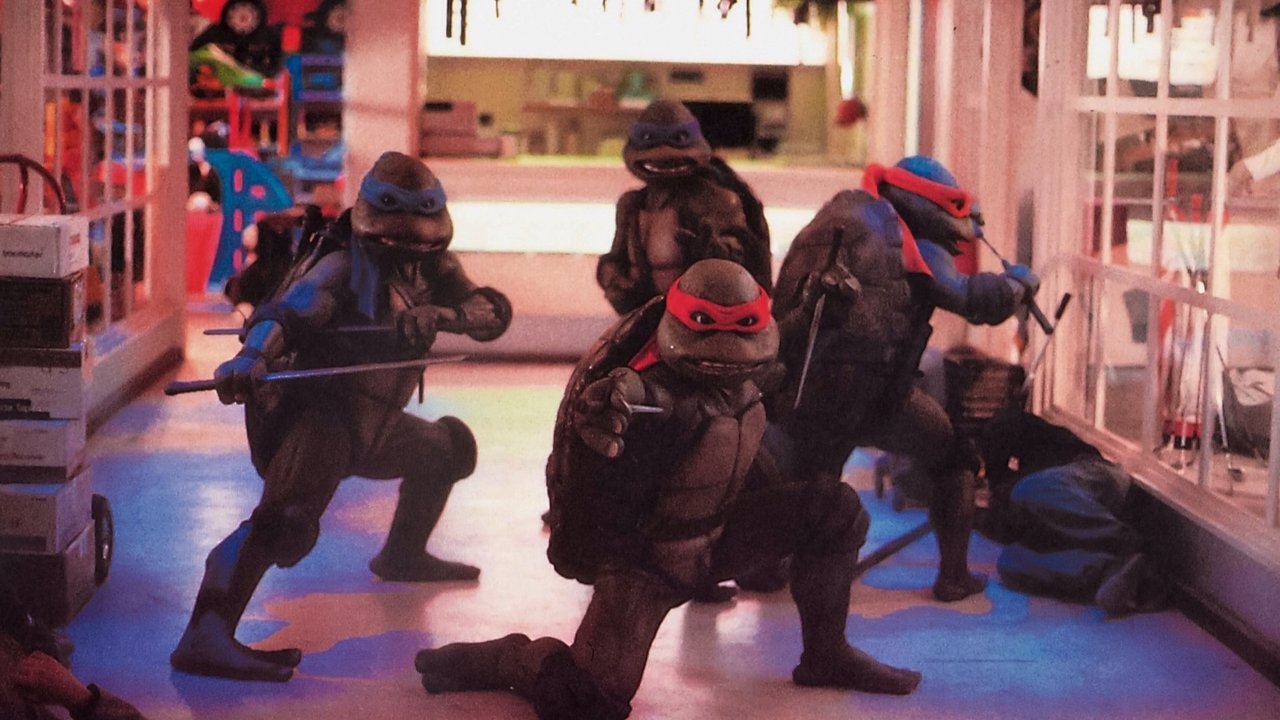
While The Secret of the Ooze definitely signaled the beginning of the "kiddie-fication" that would eventually lead to the disastrous third film involving time-traveling samurais, this second entry still holds a special place for me. It’s a movie that knows exactly what it is. It isn’t trying to be The Dark Knight; it’s trying to be a fun, ninety-minute distraction that sells a few million action figures. There's a genuine heart in the brotherly banter between the four leads, and the score by John Du Prez does a lot of heavy lifting to keep the energy high.
Ultimately, Teenage Mutant Ninja Turtles II is a victory for practical effects and nostalgic charm over narrative depth. It’s a film that reminds me of a time when movie sequels felt like big, messy events rather than interconnected homework assignments for a larger cinematic universe. If you can embrace the cheese—and there is a lot of it, both on the pizza and in the script—it’s a bodacious way to spend an afternoon. Just don't expect them to actually use their swords.

Keep Exploring...
-
Teenage Mutant Ninja Turtles
1990
-
Osmosis Jones
2001
-
Jimmy Neutron: Boy Genius
2001
-
Spy Kids
2001
-
Spy Kids 2: The Island of Lost Dreams
2002
-
Journey to the Center of the Earth
2008
-
Aliens in the Attic
2009
-

Mystery Men
1999
-

The Rocketeer
1991
-
Last Action Hero
1993
-
DuckTales: The Movie - Treasure of the Lost Lamp
1990
-
Bill & Ted's Bogus Journey
1991
-
Homeward Bound: The Incredible Journey
1993
-

The Swan Princess
1994
-
A Goofy Movie
1995
-

Hudson Hawk
1991
-
Maverick
1994
-
Major Payne
1995
-
Agent Cody Banks
2003
-

Sinbad: Legend of the Seven Seas
2003