The Doors
"He’s the Lizard King. He can do anything."
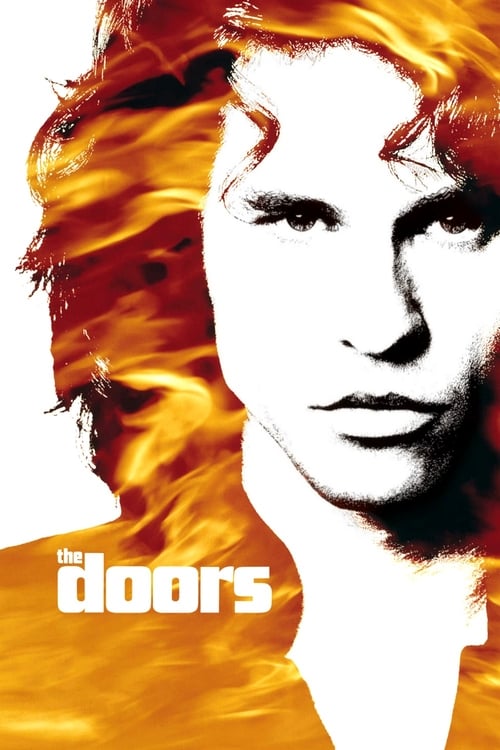
I watched The Doors on a Tuesday afternoon while eating a slightly stale cinnamon bagel, and honestly, the chewiness of the bread matched the dense, psychedelic atmosphere Oliver Stone was trying to bake. By the time the credits rolled, I felt like I needed a shower and a very long nap in a room with zero incense.

Coming out in 1991, this film occupies a fascinating space in cinema history. We were moving away from the glossy, synthesized 80s and into a decade that craved "authenticity," even if that authenticity was filtered through the hyper-stylized lens of a director who never met a camera angle he couldn't make dizzying. Stone didn’t just want to tell us what happened to Jim Morrison; he wanted us to feel the heat of the stage lights and the grit of the Mojave desert sand.
The Man Who Would Be Jim
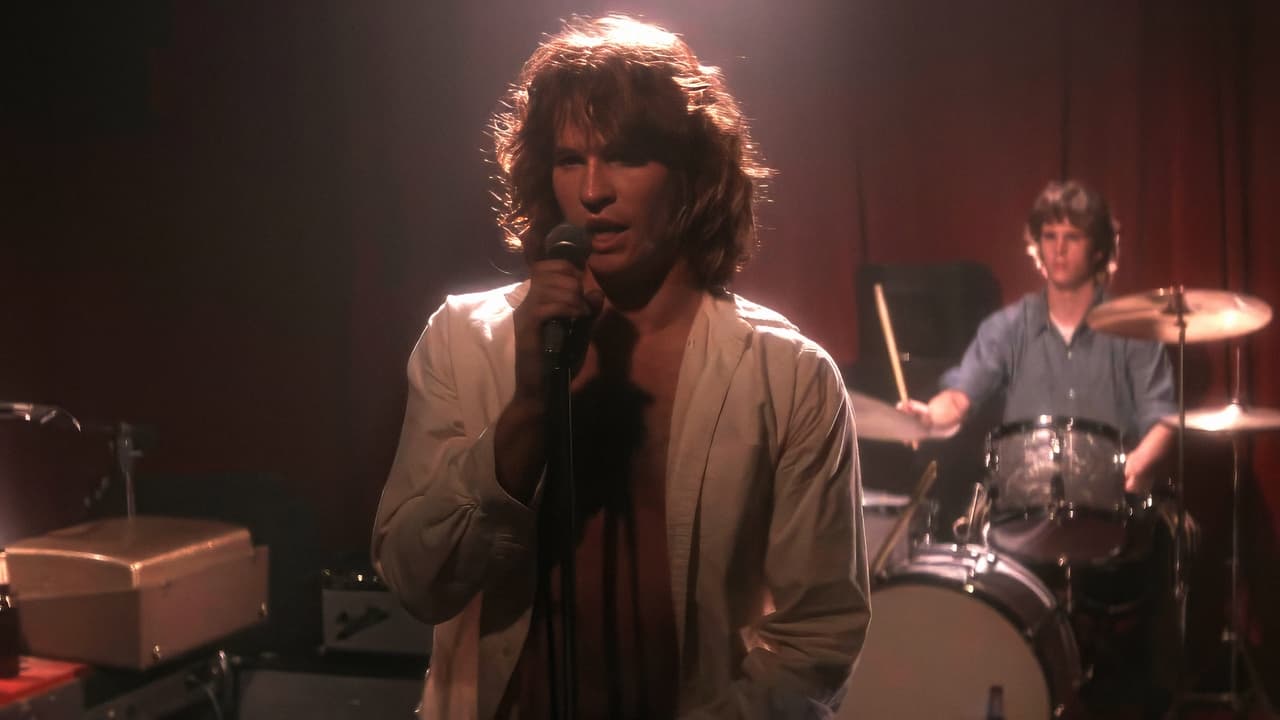
Let’s be clear: this movie belongs to Val Kilmer. If there were an Olympic sport for "disappearing into a human being," Kilmer would have taken home the gold, silver, and a lifetime achievement award. He doesn't just play Jim Morrison; he haunts the screen as him. I’ve gone back and watched side-by-side footage, and Val Kilmer is so good he makes you forget the real Jim Morrison was probably just a very loud drunk who read too much Nietzsche.
Kilmer famously learned to sing over fifty Doors songs and performed many of the vocals himself. Apparently, when the actual members of The Doors heard the tapes, they couldn't distinguish his voice from Jim’s. That level of dedication is what keeps the film grounded even when the script decides to fly off into the literal and metaphorical clouds. Beside him, Meg Ryan does her best as Pamela Courson, though the script doesn’t give her much to do other than look ethereal or concerned. She’s the "Modern Cinema" bridge here—the 80s rom-com queen trying to prove she can handle the dark, drug-fueled underbelly of the 60s.
A Fever Dream in 35mm
Oliver Stone treats this biopic less like a history book and more like a two-hour perfume ad for patchouli and bad decisions. This was the era before CGI could fix everything, so the concert scenes feel massive because they were massive. Using thousands of extras and real sets, Stone captures the chaotic energy of the 60s in a way that feels tactile. It’s grainy, sweaty, and uncomfortably close.
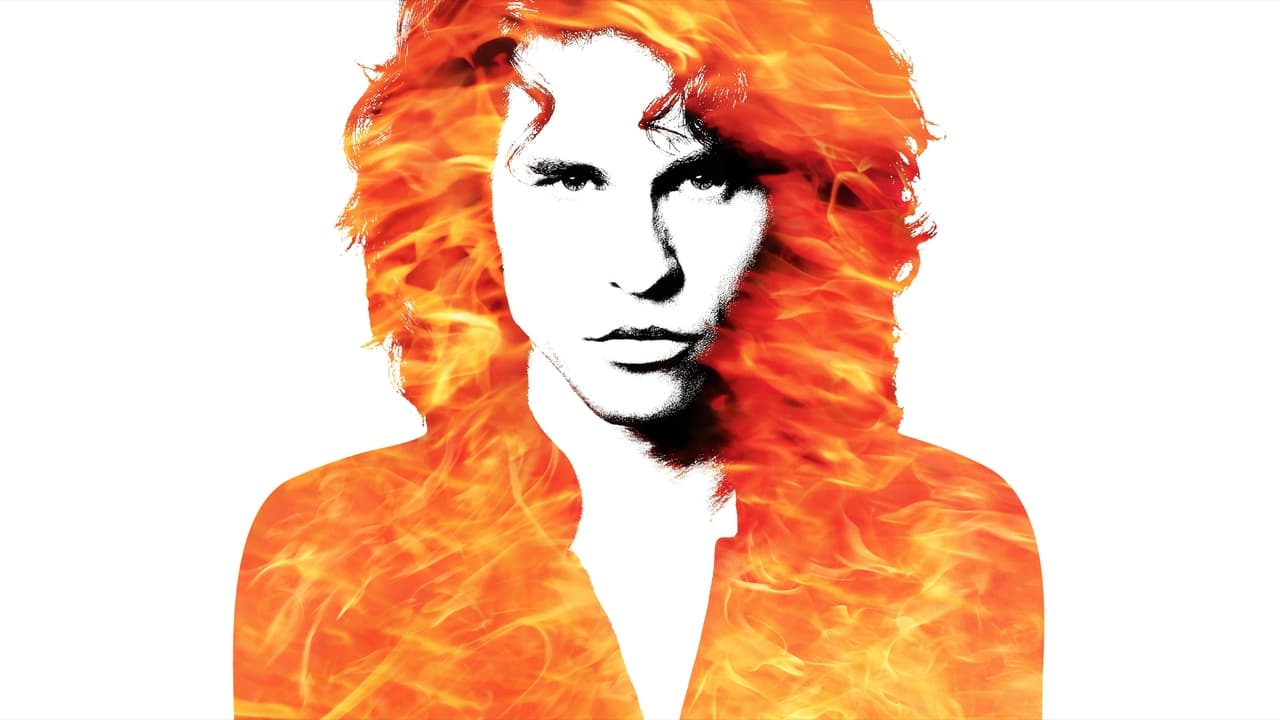
Looking back from our era of sleek, digital Marvel movies, there’s something refreshing about the practical messiness of The Doors. The cinematography by Robert Richardson is restless. It captures that early 90s obsession with "the vibe" over "the facts." However, this is also where the film stumbles for me. Stone is so enamored with the myth of the Lizard King that he ignores the actual band. Kyle MacLachlan, Frank Whaley, and Kevin Dillon are all excellent as Ray Manzarek, Robby Krieger, and John Densmore, but they are essentially treated like furniture in Jim’s living room. They are the guys who make the music while Jim does "poetry" in the desert.
Stuff You Didn't Notice
One of the more interesting bits of trivia is that the real-life Doors members weren't exactly thrilled with the final product. Ray Manzarek, in particular, was vocal about how Stone turned Jim into a "sociopathic leather-clad cartoon." If you watch closely during the party scenes, you’ll spot the real Robby Krieger in a cameo, and even the "Prince of Darkness" himself, Michael Wincott, shows up as producer Paul Rothchild, bringing that gravelly voice that defined 90s villainy.
The film also captures a specific transition in filmmaking technology. We see the beginnings of sophisticated makeup and prosthetic work that allowed Kilmer to age (and bloat) convincingly as the film moves toward Paris. It wasn't the digital de-aging we see today; it was hours in a chair with glue and paint, and it holds up remarkably well thirty years later.
The Legend vs. The Reality
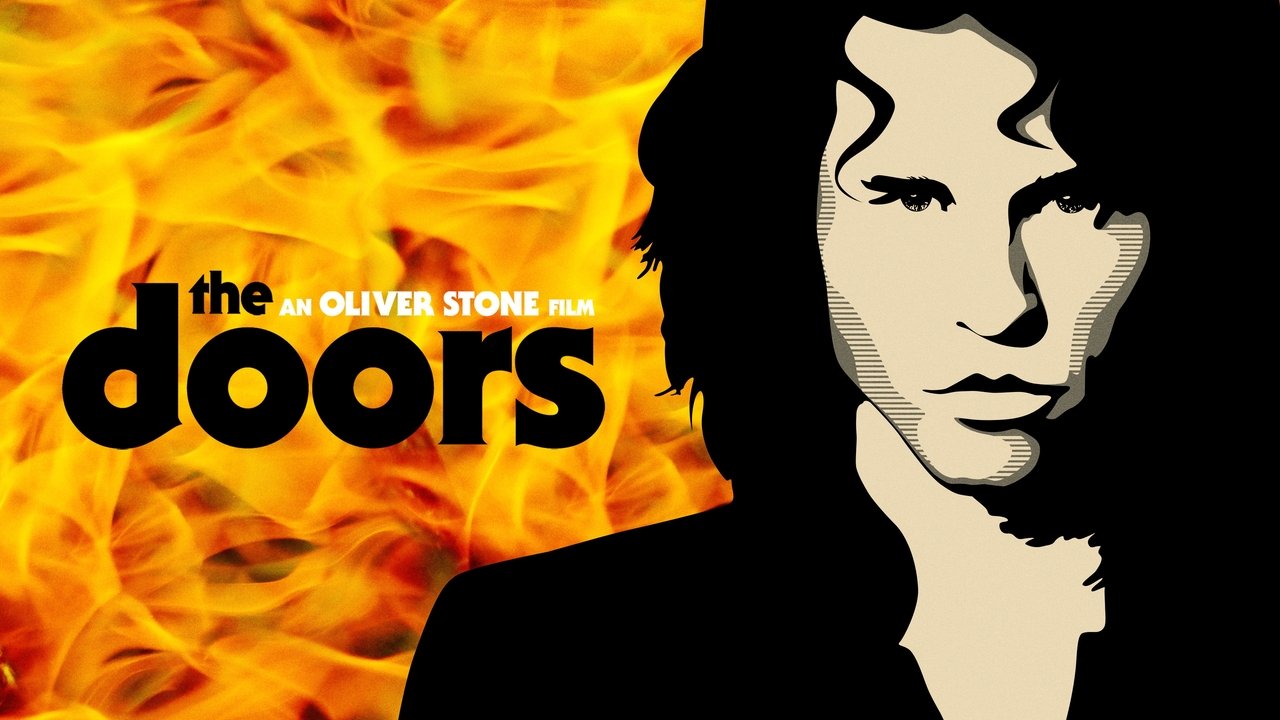
Is it a "good" biography? Probably not. It’s historically messy and prioritizes Jim’s alcoholism over his artistry. But as a drama about the price of celebrity and the danger of believing your own press, it’s a heavyweight. It’s less a movie and more a two-hour music video with a substance abuse problem, and I mean that as a compliment.
Stone was obsessed with the 60s (see: Platoon, JFK), and this feels like the middle chapter of his autopsy of the American soul. It captures the moment when the "Summer of Love" curdled into something darker and more cynical. Even if you aren't a fan of the music, the sheer commitment of the cast makes it a journey worth taking.
Ultimately, The Doors is a film that demands you meet it on its own hallucinatory terms. It’s loud, it’s indulgent, and it’s occasionally exhausting, but it’s never boring. It’s a testament to a time when directors were given $38 million to make a movie about a dead poet who liked to yell at his audience. If you’re looking for a factual account, read a book; if you want to see Val Kilmer give the performance of a lifetime while wearing the tightest pants in Hollywood history, hit play. Just maybe skip the stale bagel.

Keep Exploring...
-
JFK
1991
-
World Trade Center
2006
-
Natural Born Killers
1994
-
Any Given Sunday
1999
-
Selena
1997
-

Savages
2012
-

Alexander
2004
-
1492: Conquest of Paradise
1992
-
Malcolm X
1992
-

The Muppet Christmas Carol
1992
-
Alive
1993
-
Quiz Show
1994
-
That Thing You Do!
1996
-
Snowden
2016
-
The Count of Monte Cristo
2002
-
Wall Street: Money Never Sleeps
2010
-

Platoon
1986
-
Born on the Fourth of July
1989
-
Amistad
1997
-
Finding Forrester
2000