The Double Life of Véronique
"Two souls, one face, and the invisible thread."
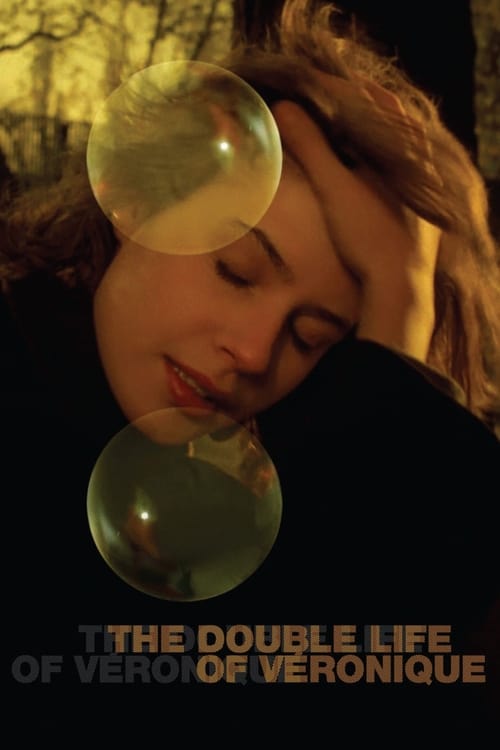
If you’ve ever walked through a crowded train station and felt a sudden, inexplicable jolt of recognition toward a stranger’s back—or felt a wave of grief for someone you’ve never met—then you’ve already lived a few frames of Krzysztof Kieślowski’s 1991 hauntingly beautiful The Double Life of Véronique. I first watched this on a scratched DVD while eating a bowl of slightly burnt popcorn that smelled suspiciously like old library books, and yet, the film’s golden, amber glow managed to make even my messy studio apartment feel like a cathedral of mysteries.
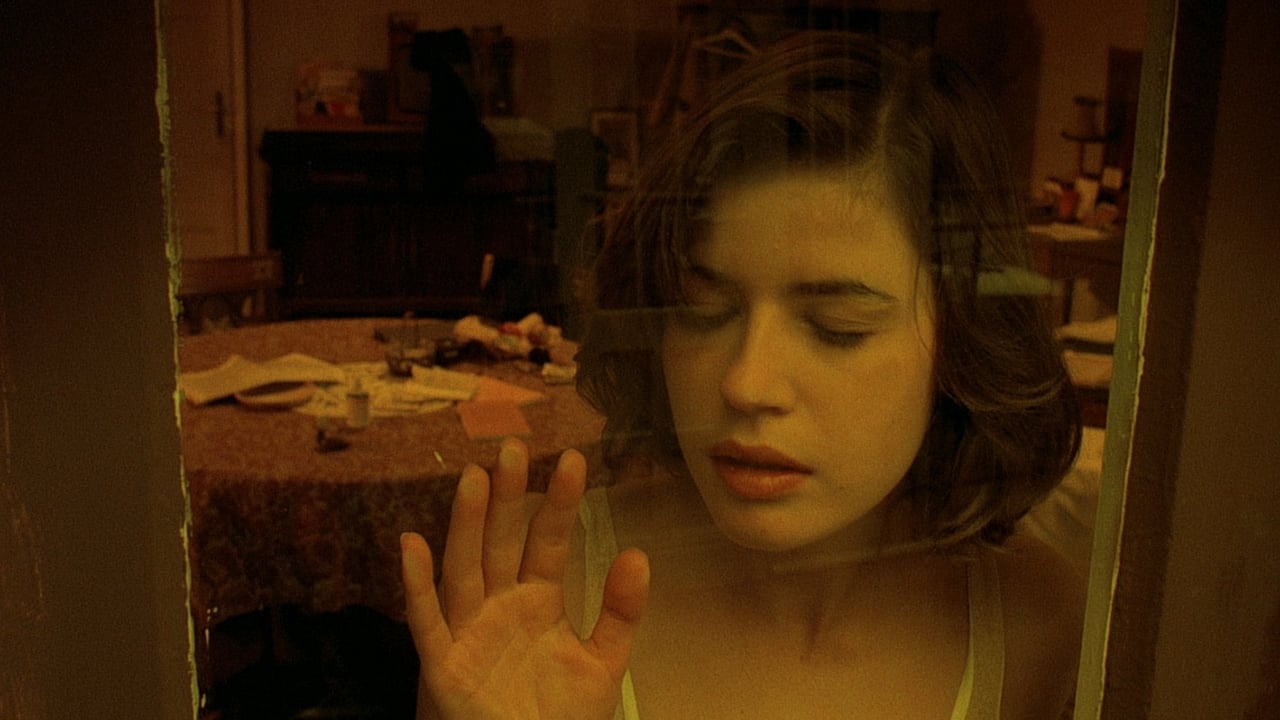
Released right at the dawn of the 1990s indie and foreign film boom, this wasn't just another subtitled drama. It was the moment the world truly met Irène Jacob, an actress who doesn't just perform; she seems to vibrate at a different frequency than the rest of us. She plays two women: Weronika in Poland and Véronique in France. They are identical, they share the same heart defect, and they share a soul that seems to have been split across borders.
The Golden Filter of the Nineties
Looking back from our era of hyper-sharp 4K digital clarity, there is something deeply tactile and "analog-mystical" about the way this film looks. Cinematographer Slawomir Idziak (who later brought that same gritty intensity to Black Hawk Down) used over two dozen different green and yellow filters to give the movie a jaundiced, dreamlike quality. It shouldn't work—it should look like everyone has a mild case of liver failure—but instead, it feels like you’re watching a memory through a piece of polished sap.
This was a pivot point in cinema. We were moving away from the Cold War grit of the 80s and into a more ethereal, borderless European identity. Kieślowski, fresh off his monumental The Decalogue, was playing with the idea that we are all connected by invisible strings. It’s a drama that acts like a ghost story, or perhaps a fantasy that refuses to show you the monster. The sheer lack of explosions or "twists" might bore a modern Marvel devotee to tears, but for anyone who likes their cinema to feel like a secret whispered in their ear, it’s intoxicating.
A Masterclass in the Unsaid
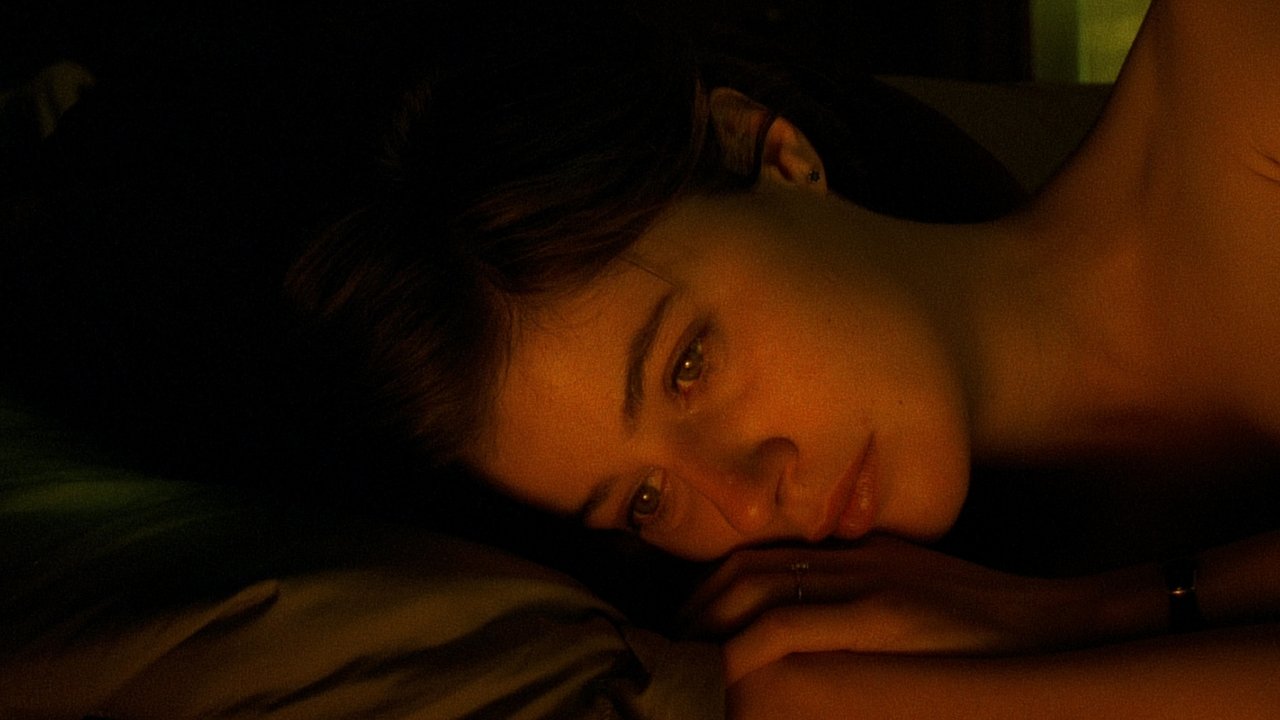
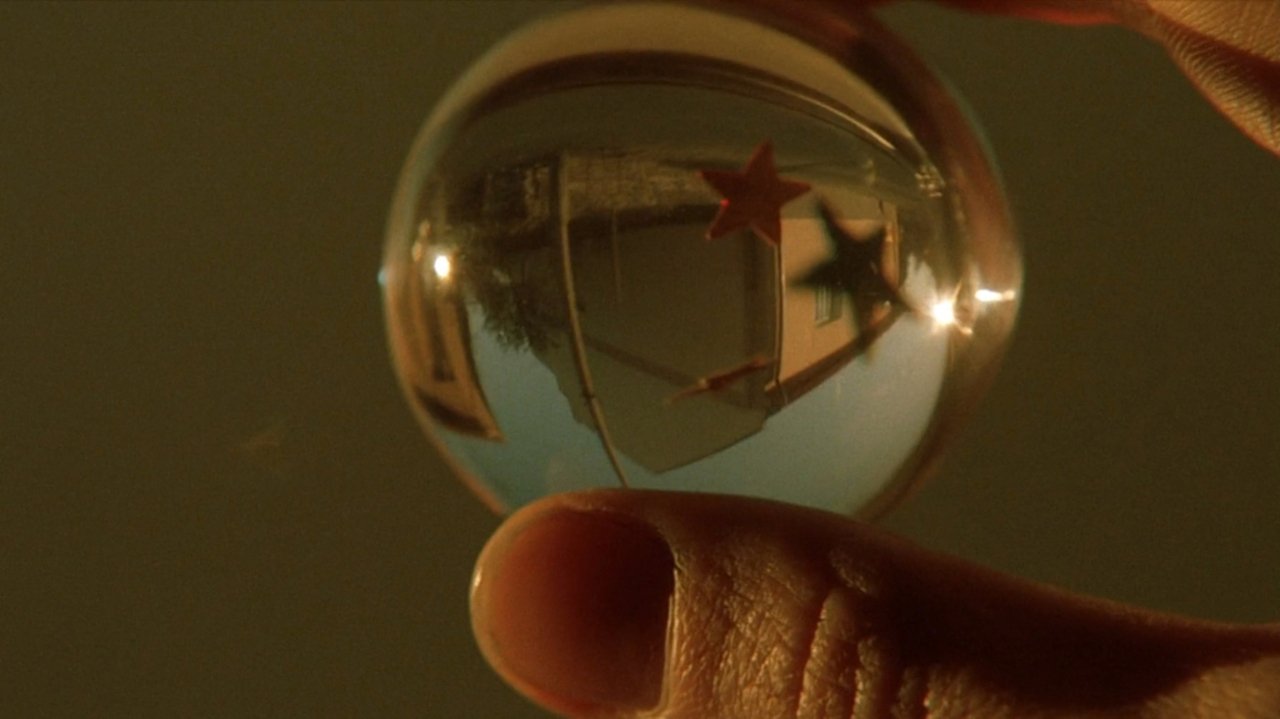
Irène Jacob won Best Actress at Cannes for this, and honestly, she deserved a second trophy just for the way she looks at a rubber ball. As Weronika, she is a creature of raw, tragic passion, singing her heart out in a rain-slicked Polish square. As Véronique, she is more reserved, haunted by a feeling of "loss" she can’t name.
The way Kieślowski directs her is a masterclass in restraint. He lets the camera linger on her face as she processes the strange "clues" sent to her by a mysterious puppeteer, Alexandre, played with a quiet, slightly unsettling intensity by Philippe Volter. There’s a sequence involving a cassette tape of background noises that Véronique uses to track down Alexandre's location that feels more thrilling than most modern spy chases. It’s all about the senses—the sound of a car, the squeak of a shoe, the texture of a tea bag.
Then there is the music. If you haven't heard Zbigniew Preisner’s score, stop reading this and go find it. The "Van den Budenmayer" music (a fictional composer Kieślowski and Preisner invented just to see if they could fool people) is the literal heartbeat of the film. It’s grand, operatic, and devastating. I’m convinced Preisner sold his soul to a very talented demon to write that soprano solo.
The Mystery of the Disappearing Masterpiece
Why don’t we talk about this film as much as Pulp Fiction or The Matrix? Part of it is the "Miramax effect." In the early 90s, Harvey Weinstein’s machine gobbled up films like this, marketed them as high-art trophies, and then let them languish in the "Special Interest" section of Blockbuster. It’s a film that requires you to put your phone in another room. It doesn't give you answers; it gives you a mood.
Interestingly, the film had multiple endings. Kieślowski was so obsessed with the "double" theme that he supposedly edited seventeen different versions of the movie to suit different territories. He wanted the viewing experience itself to be a reflection of the film’s fragmented reality. It’s this kind of obsessive, tactile craftsmanship that made 90s world cinema feel so dangerous and new. It wasn't about building a franchise; it was about building a feeling.
The film also serves as a strange time capsule of a Europe that was just starting to breathe again after the fall of the Iron Curtain. Weronika’s Poland is gray, crumbling, but spiritually alive; Véronique’s France is lush, wealthy, but spiritually searching. It’s a duality that defined the decade.
Ultimately, The Double Life of Véronique is a film about the things we know but can't prove. It’s about that weird intuition that tells you to turn left instead of right. It’s a fragile, translucent piece of art that somehow survived the roar of the 90s blockbuster era, and it remains the best argument for why we need to keep looking at the world through a slightly different lens. Watch it on a rainy Tuesday with the lights off; I promise you’ll start looking for your own double in the reflection of the window.

Keep Exploring...
-

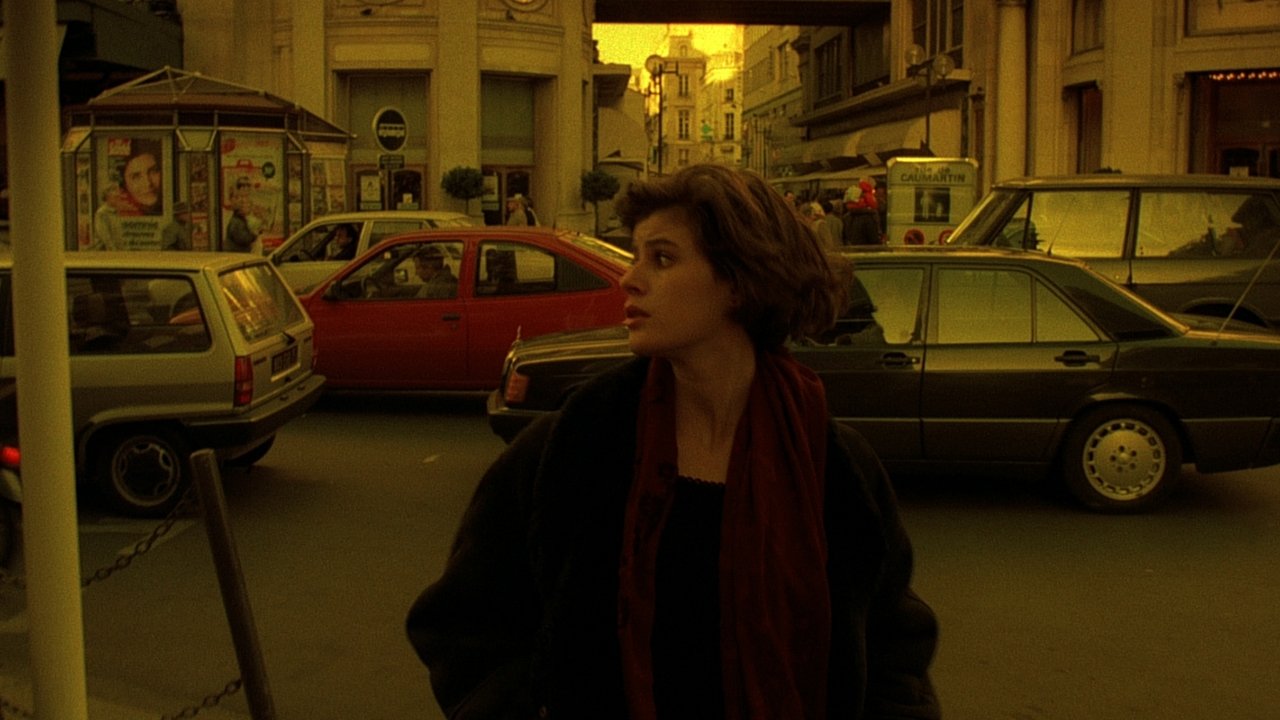
Three Colors: Red
1994
-
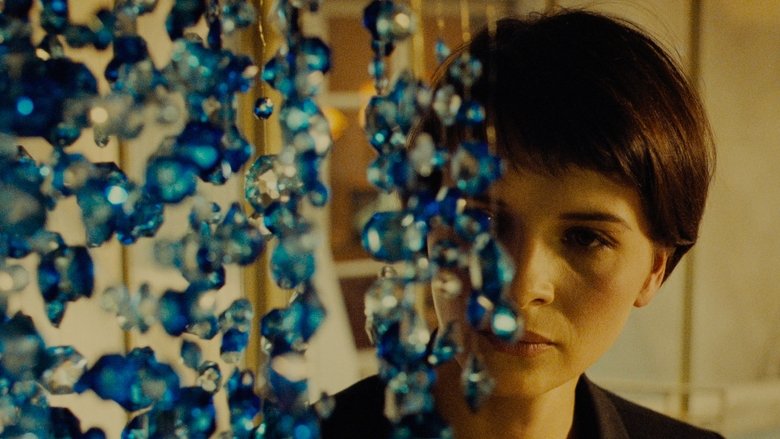
Three Colors: Blue
1993
-
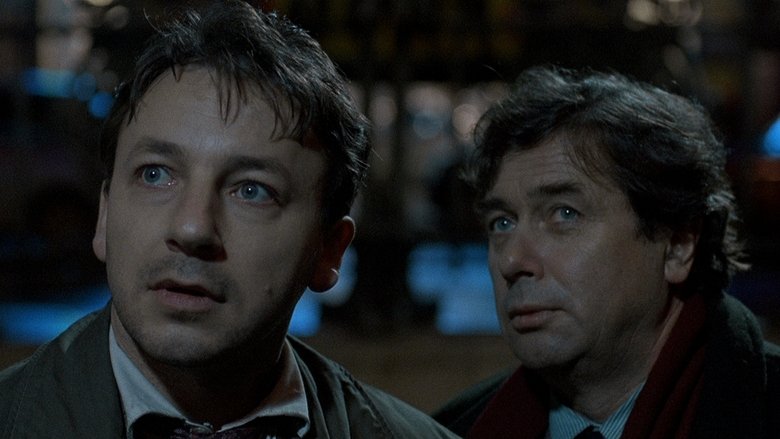
Three Colors: White
1994
-

The Muppet Christmas Carol
1992
-
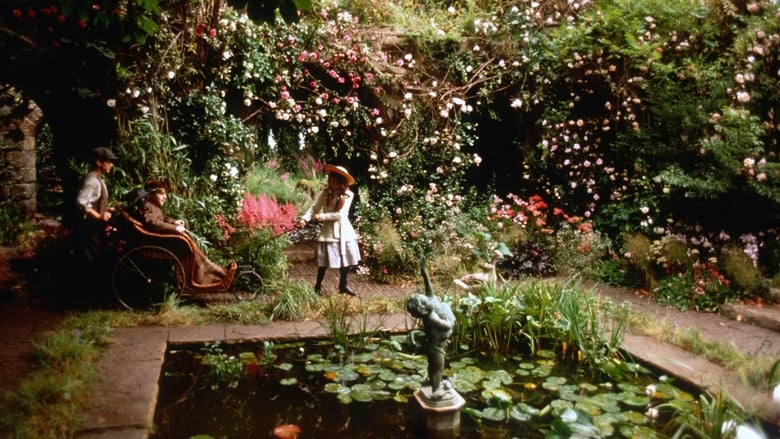
The Secret Garden
1993
-

Heavenly Creatures
1994
-

Miracle on 34th Street
1994
-
The Hudsucker Proxy
1994
-
A Little Princess
1995
-
Dead Man
1995
-
The Craft
1996
-
Neon Genesis Evangelion: The End of Evangelion
1997
-

Pleasantville
1998
-
Sliding Doors
1998
-
A Dog's Will
2000
-

Ginger Snaps
2001
-
Millennium Actress
2002
-
Inland Empire
2006
-

The Fall
2006
-
Across the Universe
2007