The Fisher King
"Sanity is overrated when you’re hunting for the Grail."
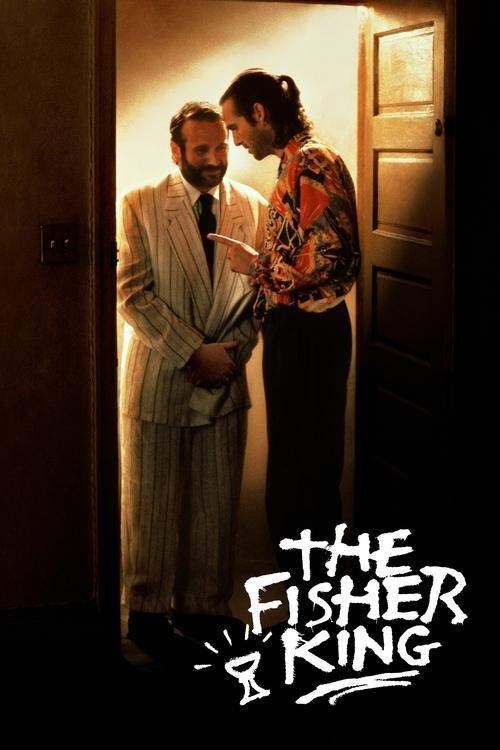
The first time I heard Jeff Bridges' voice in The Fisher King, I felt a genuine skin-crawl. As Jack Lucas, a shock-jock with the soul of a serrated blade, he tells a lonely caller to go "burn down the penthouse" with a nonchalance that feels terrifyingly familiar in our current era of digital vitriol. I watched this most recent viewing while sitting in a wooden chair that creaks every time I breathe, which added a nice, rhythmic percussion to the sound of the Red Knight's horse hooves galloping through Central Park. It’s a film that demands you feel a little uncomfortable before it lets you feel anything else.
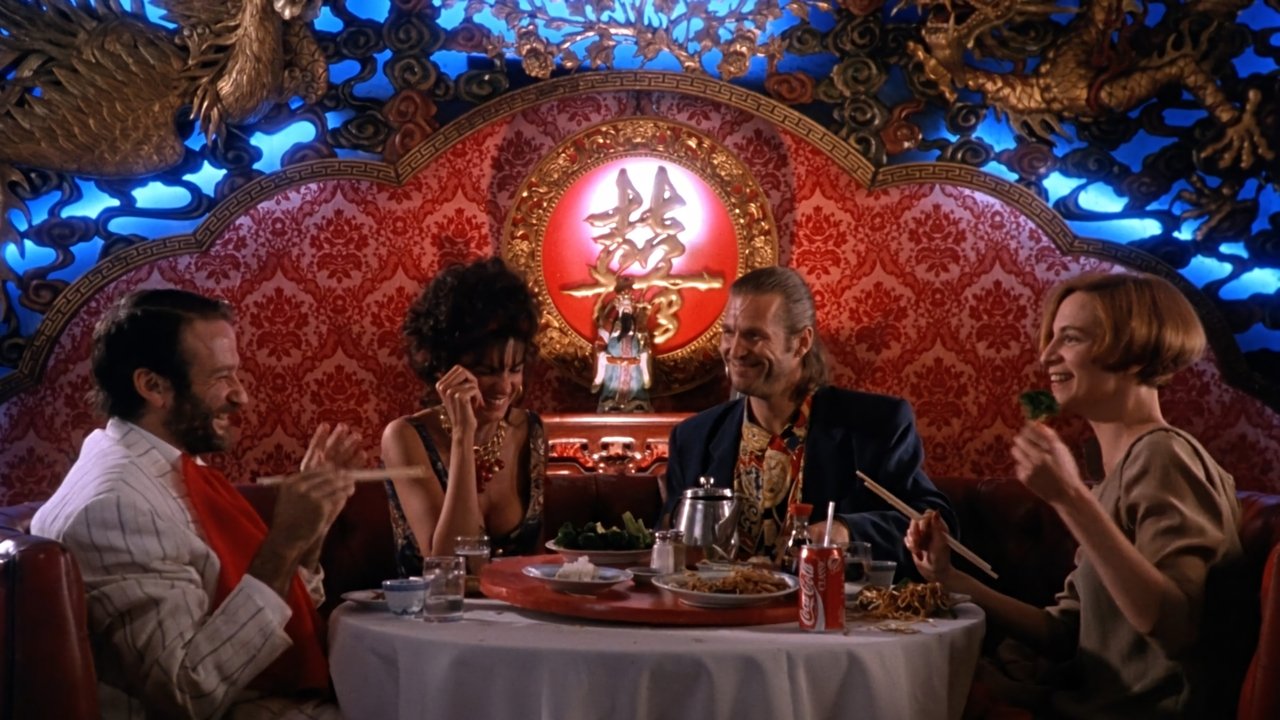
Released in 1991, The Fisher King sits at a fascinating crossroads. It arrived just as the 1980s "greed is good" ethos was curdling into 90s cynicism, but before the CGI revolution turned every cinematic fantasy into a polished pixel-fest. It’s a Terry Gilliam movie (Brazil, Twelve Monkeys), which usually means a visual headache of Dutch angles and steampunk clutter, but here, the madness is grounded in the literal asphalt and grime of New York City.
The Most Human Kind of Madness
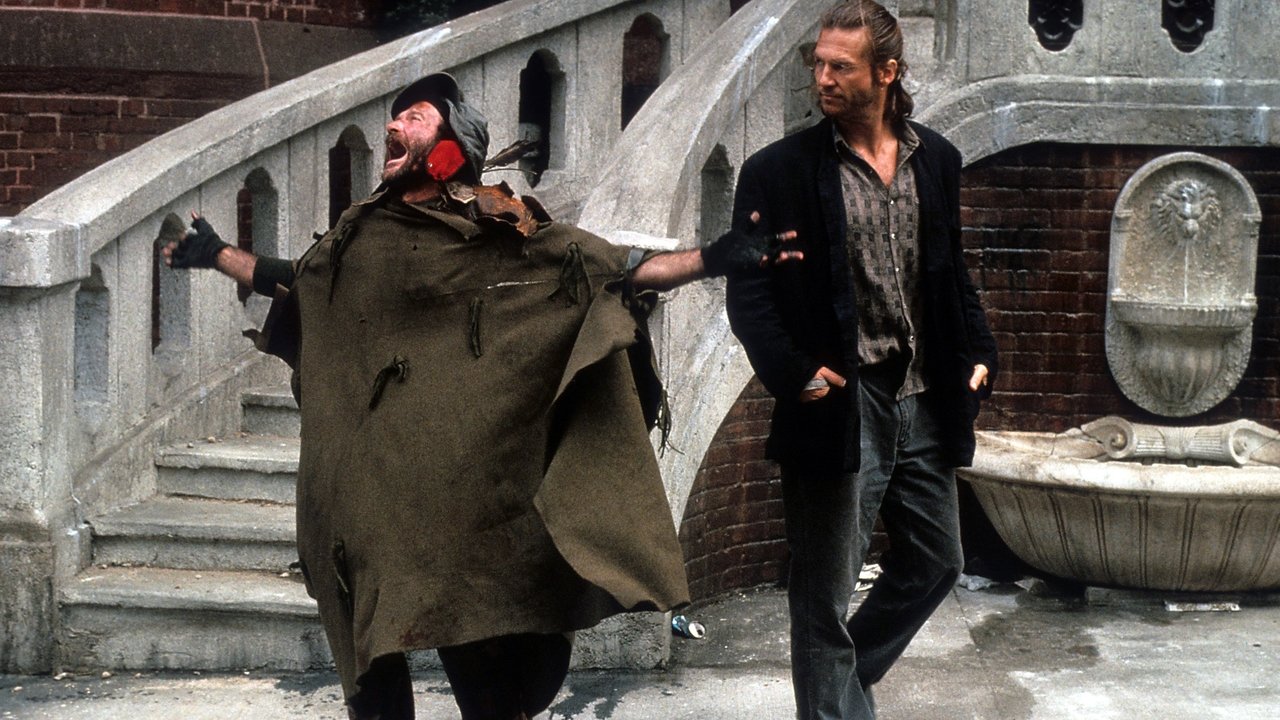
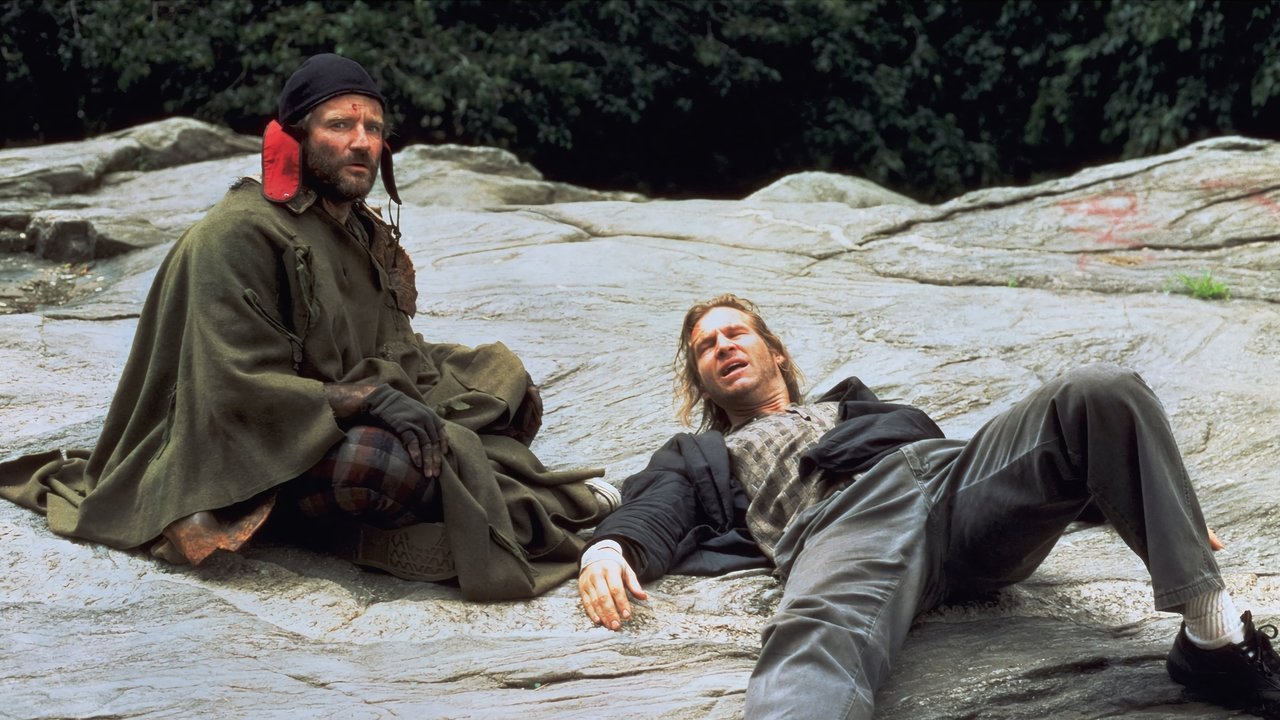
The story kicks off when Jack’s arrogance inadvertently triggers a mass shooting at an upscale bar. Three years later, Jack is a suicidal drunk living off his girlfriend, Anne (Mercedes Ruehl), when he’s rescued from a gang of thugs by Parry, played by Robin Williams. Parry is a homeless man living in a delusional quest for the Holy Grail, which he believes is sitting in a billionaire’s library on the Upper East Side. The twist—the kind that hits you like a gut punch in the second act—is that Parry used to be a professor until his wife was murdered in that very same shooting Jack provoked.
Watching Robin Williams here is a bittersweet experience. We’re used to his hyperactive "on" switch, but Gilliam manages to channel that energy into something profoundly fragile. When Parry is "on," it’s a defense mechanism against the terrifying hallucinations of a flaming Red Knight that haunts him. It’s a performance that doesn't just ask for pity; it demands empathy. Bridges, meanwhile, plays the "straight man" with a wonderful, slow-burn transformation. He’s a guy trying to buy his way out of guilt, realizing too late that redemption doesn't have a convenient retail price.
A Waltz in the Dust
What holds up beautifully thirty years later is Gilliam’s refusal to play it safe with the visuals. There’s a scene in Grand Central Station where the commuting crowd suddenly breaks into a synchronized waltz while Parry tracks his crush, Lydia (Amanda Plummer). It’s one of the most romantic things ever put on celluloid, and it was done with hundreds of extras and actual choreography, not a green screen in sight. The waltz is the only time New York has actually looked like a fairy tale without smelling like hot garbage.
The film also captures a version of NYC that feels extinct—the pre-Giuliani, pre-Disneyfied version where the gap between the penthouse and the pavement felt like a jagged canyon. This wasn't a set; they shot on the streets, and you can practically smell the steam rising from the manholes. It’s the kind of mid-budget adult drama that studios simply stopped making once the "franchise fever" of the 2000s took hold. It’s messy, it’s loud, and it’s occasionally over-indulgent, but it has a heartbeat.
The Power of the Supporting Cast
While the Bridges-Williams chemistry is the engine, Mercedes Ruehl is the fuel. She won an Oscar for this, and rightfully so. As Anne, the video store owner who loves Jack despite his monumental narcissism, she provides the reality check the movie desperately needs. She’s the one who points out that Jack’s "tragic" journey is a luxury compared to the women left cleaning up the mess.
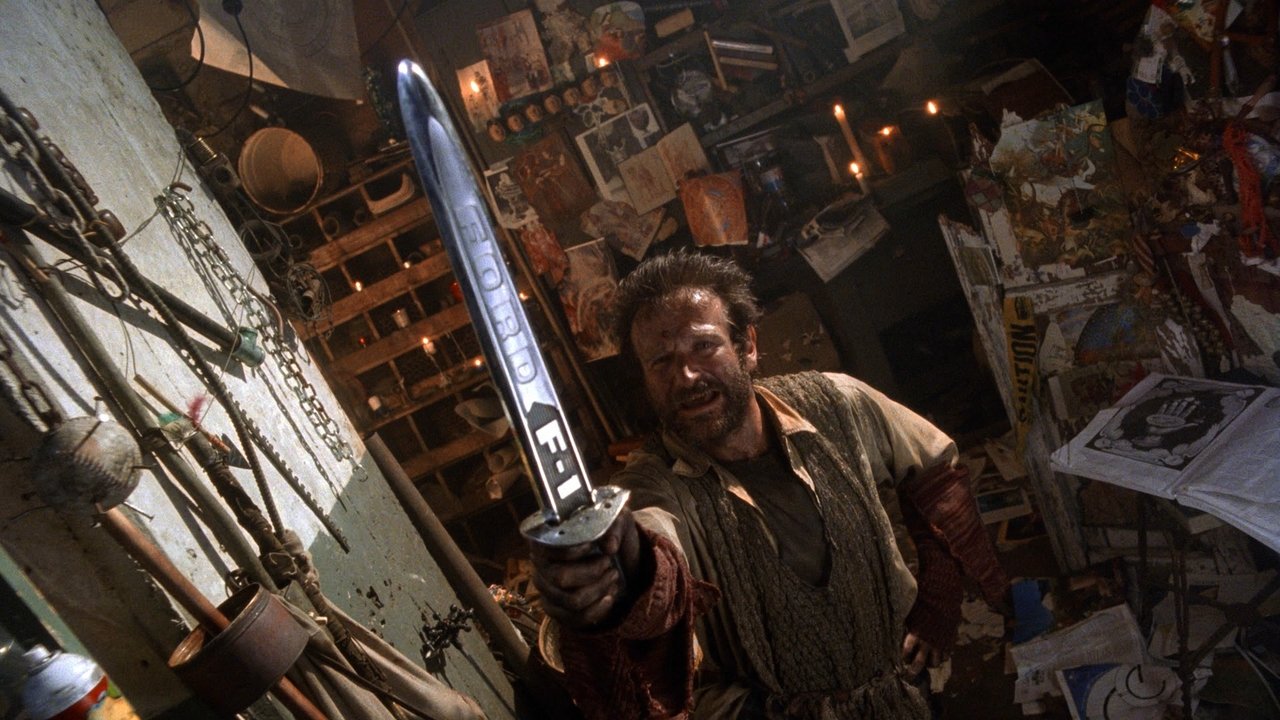
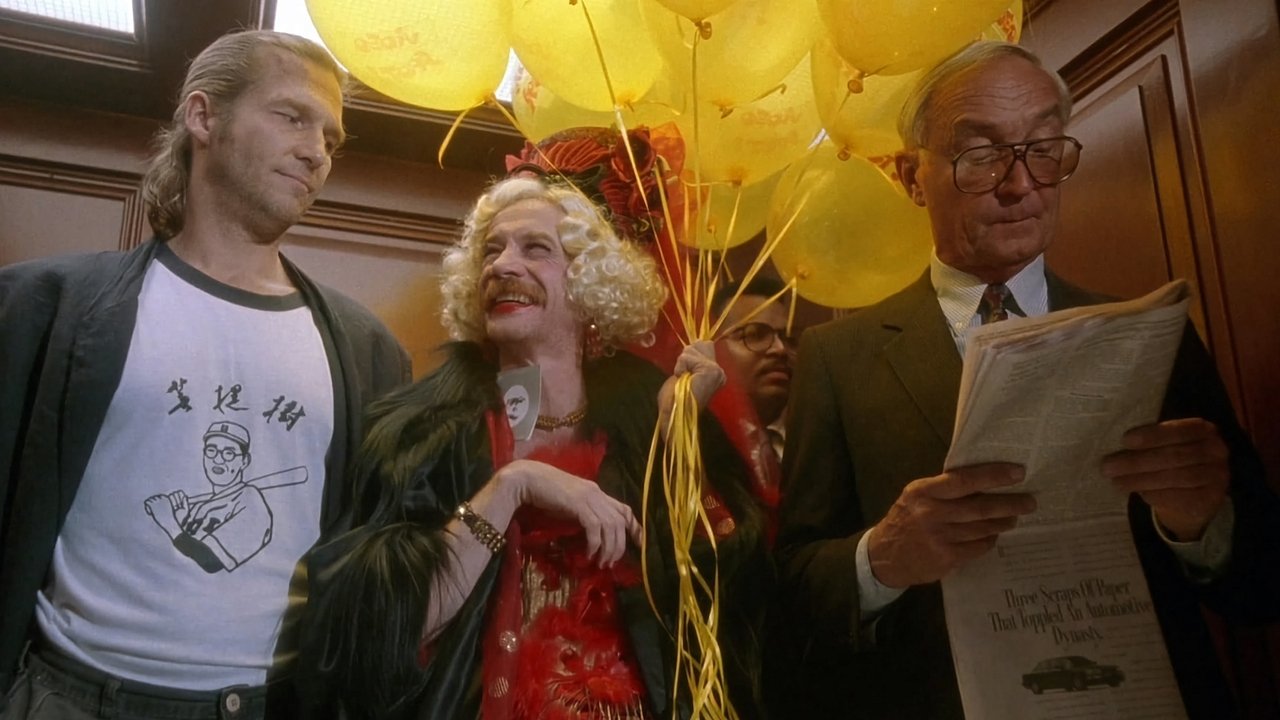
And then there’s Michael Jeter. If you want to see a scene that defines "90s indie energy," look no further than his cabaret performance in a hospital basement. It’s high-camp, heart-wrenching, and completely unexpected. It’s these small, weird pockets of humanity that make The Fisher King more than just a "homelessness drama." It’s a movie about the stories we tell ourselves to survive the things we can’t fix.
The "modern" viewer might find some of the pacing a bit loose—it clocks in at over two hours—but every minute spent in this version of Manhattan feels earned. It’s a reminder that before he became a meme of "wacky Robin," Williams was one of our most capable dramatic heavyweights, able to turn a monologue about a fat girl’s shoes into a spiritual epiphany.
The Fisher King is a rare bird: a big-studio movie with a boutique soul. It captures a specific moment in film history where directors were allowed to be weird, actors were allowed to be ugly, and the Holy Grail could be found in a juice cup. If you’ve only ever seen Williams in his more sanitized roles, or Bridges as the "Dude," do yourself a favor and watch them collide in the trash-strewn streets of 1991. It’s a trip worth taking, even if you have to dodge a flaming knight or two along the way.
Keep Exploring...
-
Fear and Loathing in Las Vegas
1998
-
Mrs. Doubtfire
1993
-
Barton Fink
1991
-
My Cousin Vinny
1992
-
The Mighty Ducks
1992
-

The Muppet Christmas Carol
1992
-
The Player
1992
-

White Men Can't Jump
1992
-
It Could Happen to You
1994
-
The Hudsucker Proxy
1994
-
To Die For
1995
-
Bottle Rocket
1996
-
That Thing You Do!
1996
-
Maverick
1994
-
A Little Princess
1995
-
Deconstructing Harry
1997
-
Wag the Dog
1997
-

EverAfter
1998
-
Blast from the Past
1999
-
Election
1999