The Last Boy Scout
"The water’s wet, the sky’s blue, and Joe Hallenbeck is screwed."

If you want to understand exactly where the 1980s ended and the cynical, grime-streaked 1990s began, look no further than the first five minutes of The Last Boy Scout. It opens with a professional football player mid-game, suffering a mental break, pulling a handgun out of his waistband, and shooting his way toward the end zone. It’s dark, it’s bizarrely stylish, and it tells you everything you need to know: the "feel-good" era of the blockbuster is officially dead.
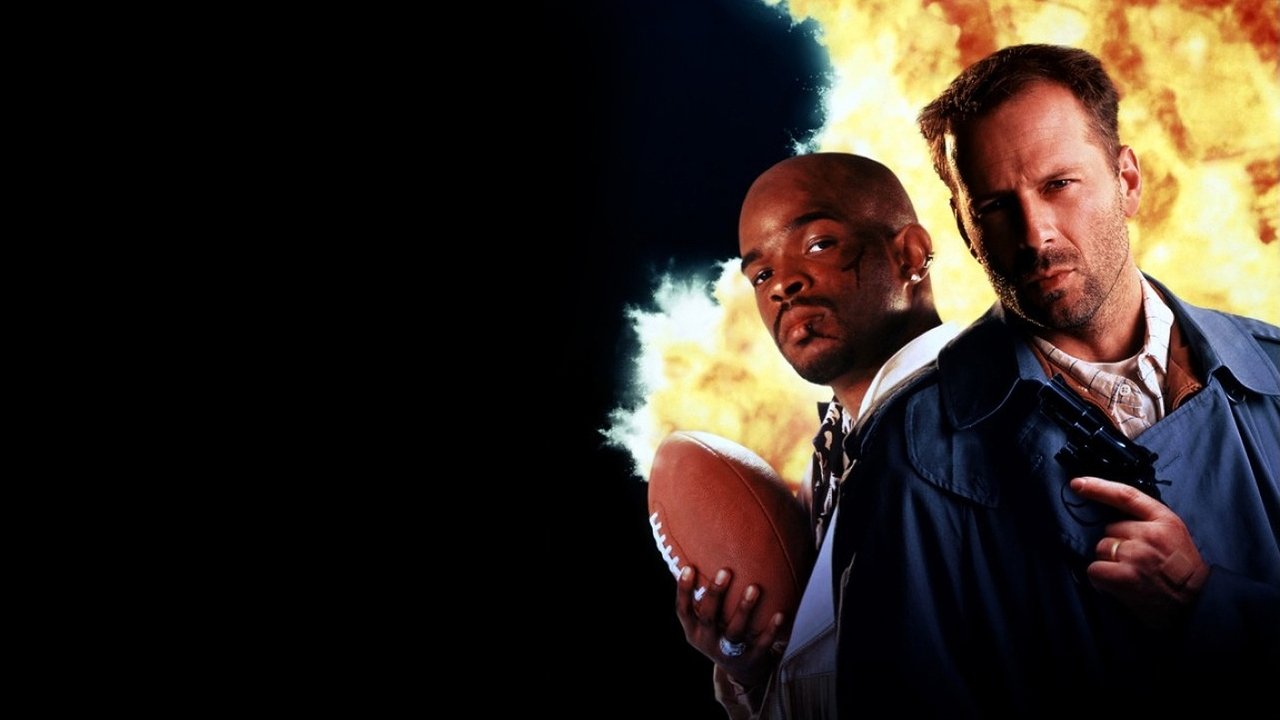
I watched this on a dusty DVD I found at a garage sale for fifty cents, and the disc had a smudge of what I’m 90% sure was nacho cheese on it, which felt like the most appropriate way to experience this specific movie. This isn't a film that asks for a pristine 4K restoration; it’s a movie that smells like a leather jacket soaked in cheap bourbon and gunpowder.
The $1.75 Million Dollar One-Liner Machine
At the heart of this chaos is the script by Shane Black, who had already redefined the genre with Lethal Weapon (directed by Richard Donner). In 1990, the spec script for The Last Boy Scout sold for a then-record $1.75 million, sparking a massive bidding war. You can hear every penny of that price tag in the dialogue. Bruce Willis plays Joe Hallenbeck, a disgraced Secret Service agent turned bottom-feeding private eye who is essentially John McClane if he’d spent ten years eating glass for breakfast.
Joe is paired up with Jimmy Dix (Damon Wayans), a banned superstar quarterback who is just as broken and bitter as he is. Their chemistry isn't built on mutual respect; it’s built on the fact that they are the only two people in Los Angeles who can tolerate each other's insults. Wayans brings a surprising amount of pathos to a role that could have been a cardboard cutout, but make no mistake—this is the Bruce Willis show. This was peak Willis, back when he still seemed to enjoy the physical toll of an action role, delivering lines like "I'm the guy who’s gonna find out who done it and then I'm gonna beat 'em up" with a tired, lethal sincerity.
Blue Smoke and Bloody Noses
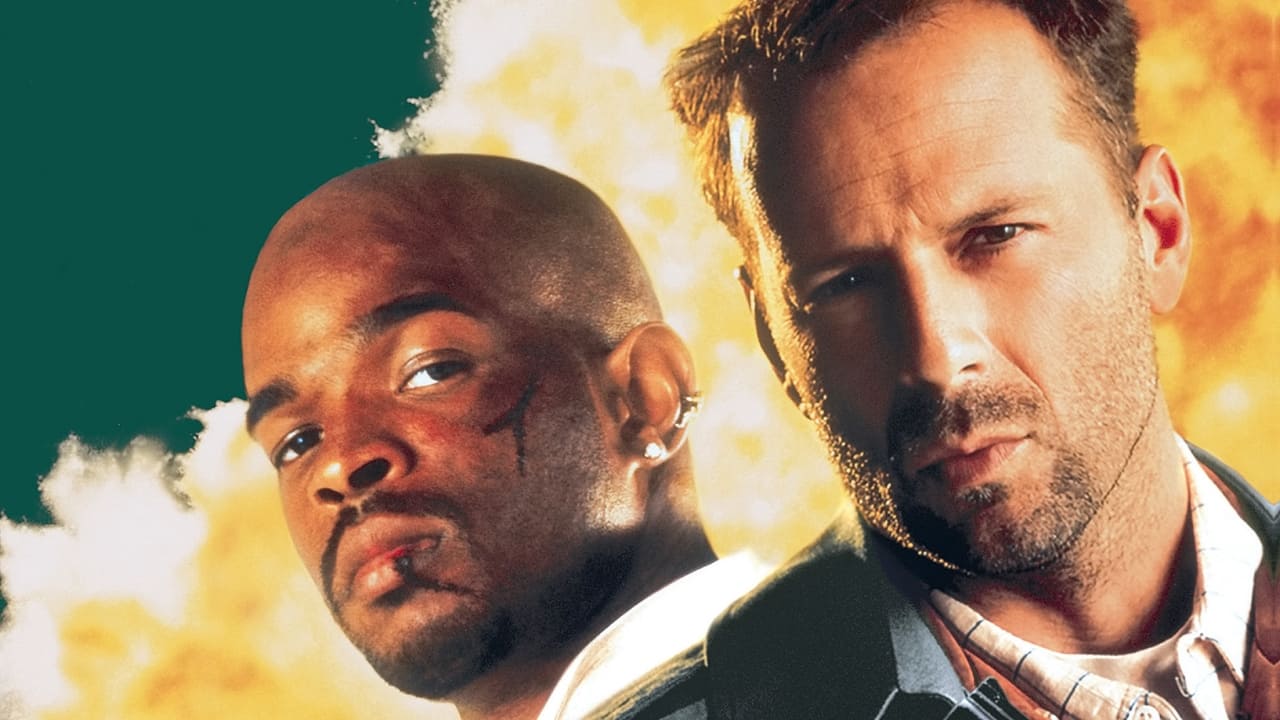
While the script provides the "what," director Tony Scott provides the "how." Fresh off Days of Thunder and Top Gun, Scott was the undisputed king of the "high-contrast" look. Along with cinematographer Ward Russell, he fills every frame with cigarette smoke, swirling dust, and long shadows. Even a simple conversation in a kitchen looks like it’s happening inside a neon-lit cathedral.
The action is staged with a relentless, punishing weight. There’s a scene involving a puppet and a handgun that is so delightfully absurd and well-choreographed it makes most modern CGI shootouts look like a game of laser tag. Scott understood that action works best when you feel the impact. When someone gets hit in this movie, they don't just fall over; they fly through a plate-glass window or tumble down a hillside in a flurry of quick cuts that maintain the energy without sacrificing spatial awareness. It’s a masterclass in how to use the "MTV style" of the early 90s to enhance the stakes rather than just obscure them.
The Buddy Cop Movie from Hell
Despite the $114 million box office success, the production was a legendary nightmare. Producer Joel Silver (the man behind Die Hard and The Matrix) and Bruce Willis reportedly clashed with Tony Scott throughout the shoot. Scott later described the experience as a "nightmare," and Shane Black was so disillusioned by the constant rewrites and studio meddling that he took a long hiatus from the industry afterward.
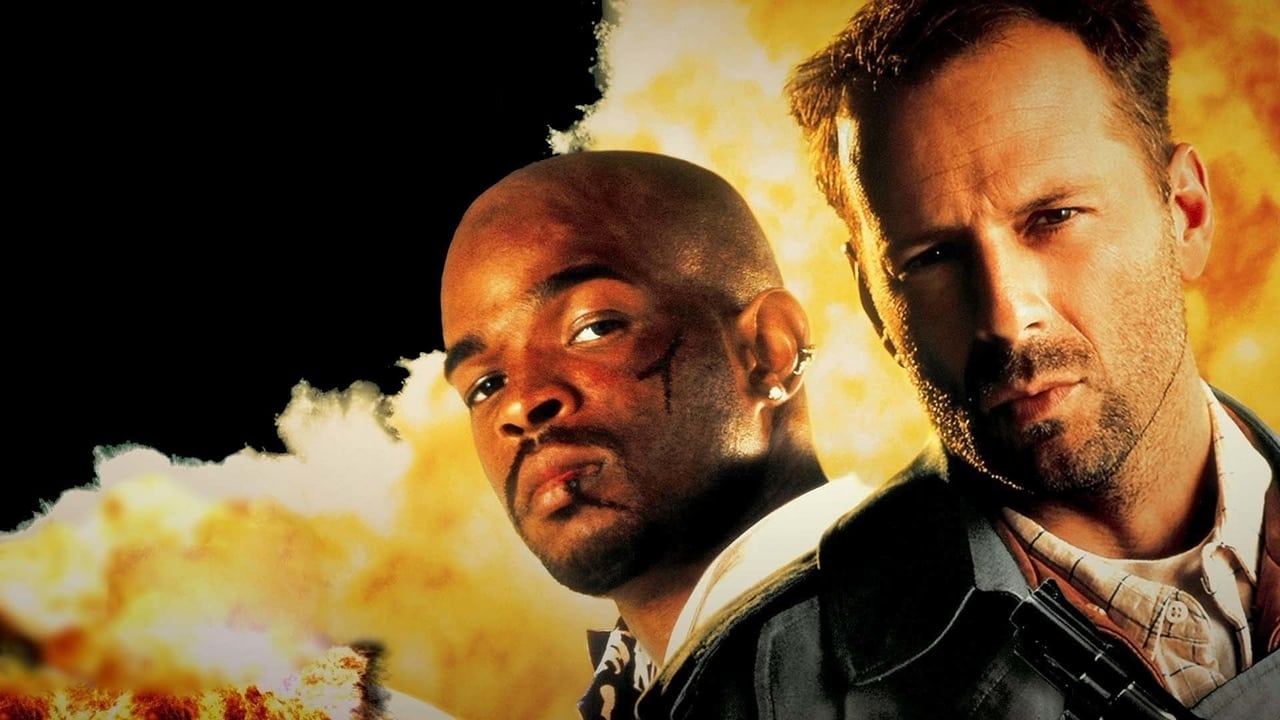
You can see the scars of that battle on the screen. The film is aggressively mean-spirited at times, featuring a villain in Milo (Taylor Negron) who is genuinely unsettling. Negron, who you might remember from Better Off Dead, plays Milo with a soft-spoken, reptilian grace that makes him one of the most underrated antagonists of the era. The plot involving corrupt football owners and legalized gambling (led by a sneering Noble Willingham) feels like a precursor to the gritty sports dramas we’d see a decade later, just with more explosions.
Even Danielle Harris, who plays Joe’s daughter, avoids the "annoying kid" trope by being just as foul-mouthed and cynical as her father. It’s a family dynamic that feels weirdly honest for a movie where a car flies into a swimming pool. Looking back, this was a pivotal moment in the transition from analog stunts to the digital era. The practical effects—real cars, real pyrotechnics, real people hanging off helicopters—give the film a permanence that digital effects often lack. It captures a specific Hollywood moment when the budgets were huge, the egos were bigger, and the stunts were actually dangerous.
The Last Boy Scout is the ultimate "they don't make 'em like this anymore" movie. It’s a relic of an era when a major studio would bankroll a deeply nihilistic, R-rated action-noir just because it had a hot script and a superstar lead. It’s loud, it’s obnoxious, and it’s brilliantly directed. If you can stomach the early-90s machismo, you’ll find one of the tightest, most visually arresting thrillers of the decade. Put on your best leather jacket, grab a drink, and enjoy the spectacle of two guys who absolutely hate each other saving the day.
Joe Hallenbeck might be a loser, but for 105 minutes, he’s the coolest guy in the room. This isn't just a movie; it's a mood, draped in blue smoke and punctuated by gunfire. It’s the perfect reminder that sometimes, the best heroes are the ones who have already given up. Next time you're scrolling through a sea of sanitised superhero flicks, give this one a spin—just check the disc for nacho cheese first.

Keep Exploring...
-
Crimson Tide
1995
-
Die Hard 2
1990
-
Die Hard: With a Vengeance
1995
-
Timecop
1994
-

Enemy of the State
1998
-
Spy Game
2001
-
Man on Fire
2004
-
The Taking of Pelham 1 2 3
2009
-
Unstoppable
2010
-
Armageddon
1998
-
Live Free or Die Hard
2007
-

RED
2010
-

Domino
2005
-
Déjà Vu
2006
-
Another 48 Hrs.
1990
-
The Hunt for Red October
1990
-
Lethal Weapon 3
1992
-
Patriot Games
1992
-

Under Siege
1992
-
Universal Soldier
1992