The Naked Gun 2½: The Smell of Fear
"Proof that lightning—and stupidity—can strike twice."
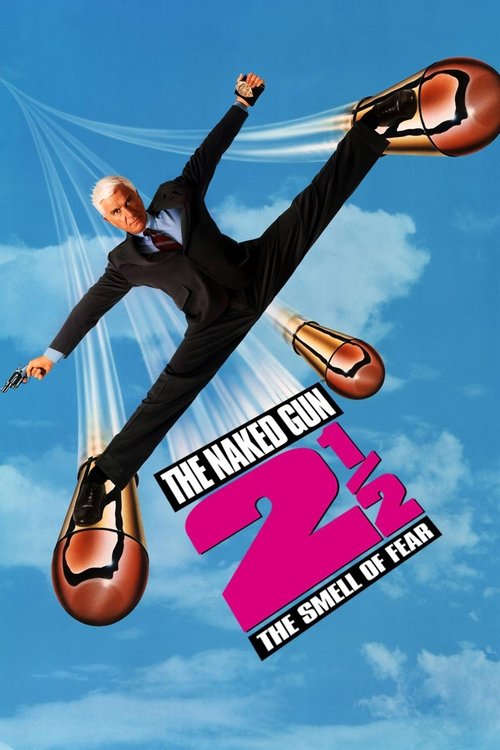
There is a moment early in The Naked Gun 2½: The Smell of Fear where Leslie Nielsen’s Frank Drebin tries to console a grieving woman by handing her a photo of her late husband. Except it’s a photo of the man being eaten by a Great White shark. And Drebin hands it to her face-down, then flips it over with a look of genuine, misplaced empathy. It is high-velocity stupidity, and I laughed so hard I nearly choked on the lukewarm Diet Coke I was drinking while my cat stared at me with profound, feline judgment. That’s the magic of this particular era of comedy: it doesn't want your respect; it just wants your oxygen.
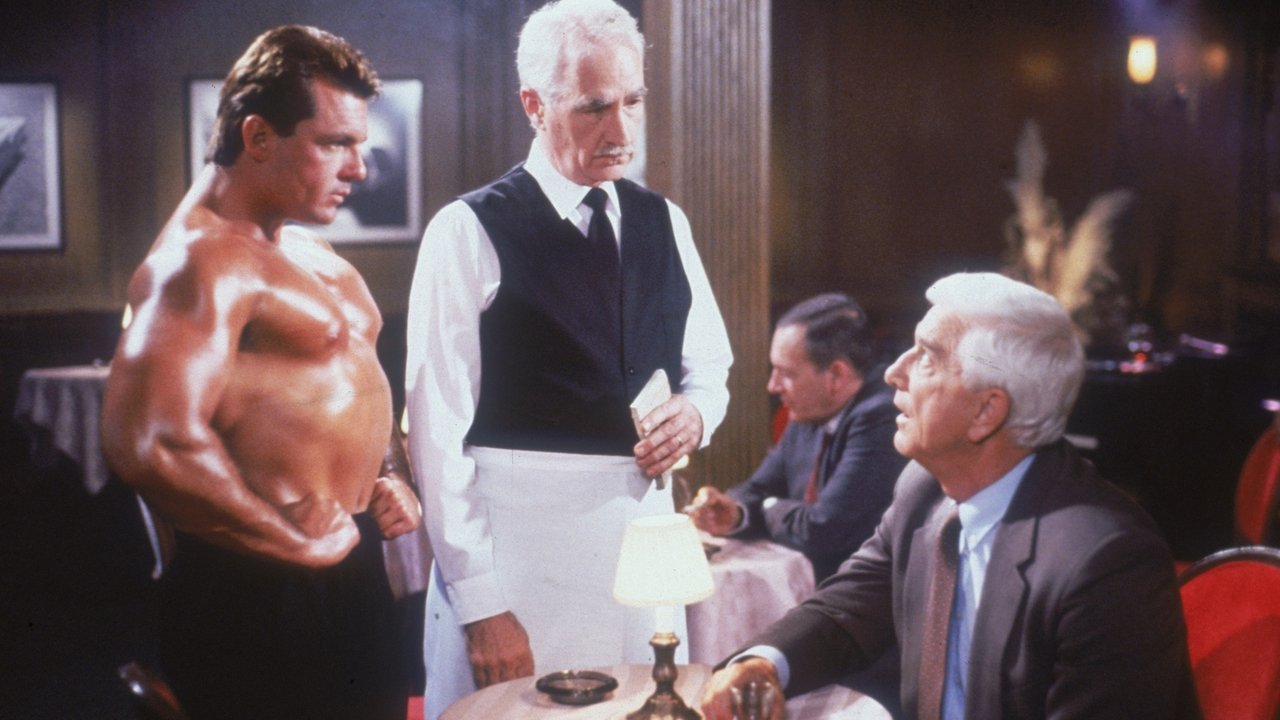
The Art of the Straight Face
Released in 1991, The Smell of Fear arrived at the absolute peak of the "gag-a-second" spoof movie. While the late 80s and early 90s were often defined by the rise of the high-concept blockbuster, director David Zucker was perfecting a different kind of craft: the architecture of the absurd. The success of this film—and it was a massive hit, raking in over $190 million on a modest $23 million budget—relies entirely on the shoulders of Leslie Nielsen.
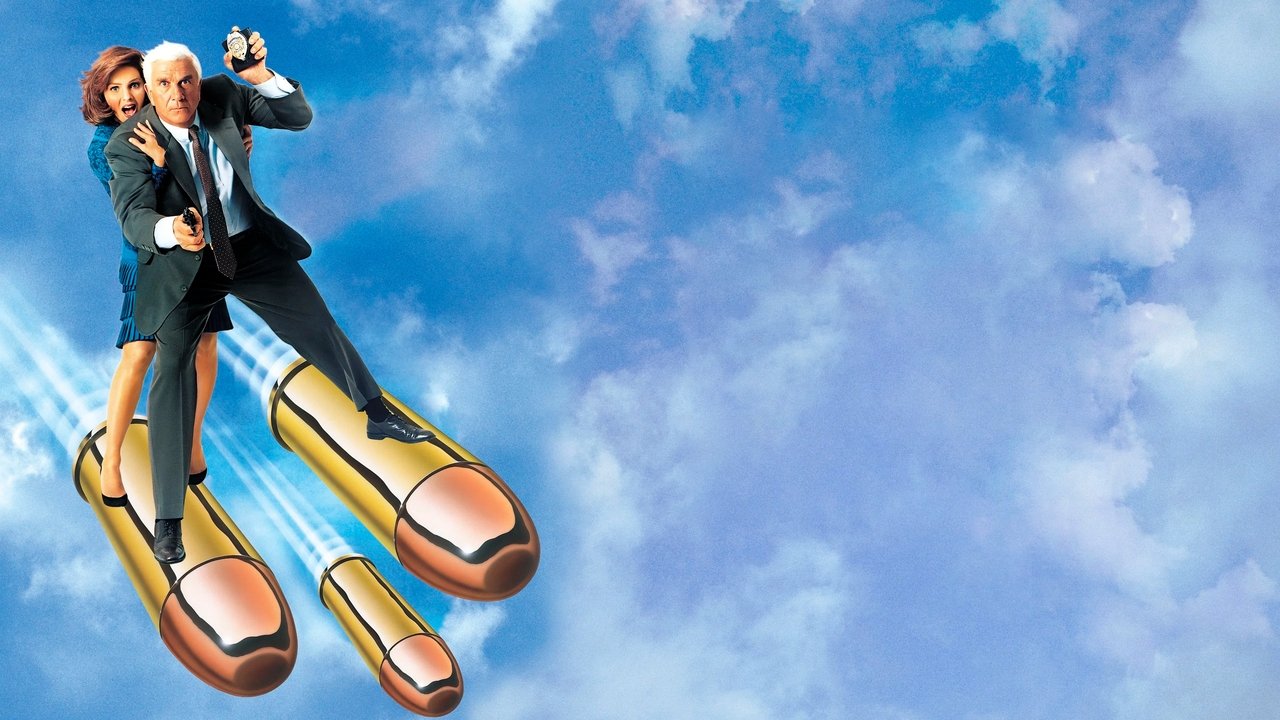
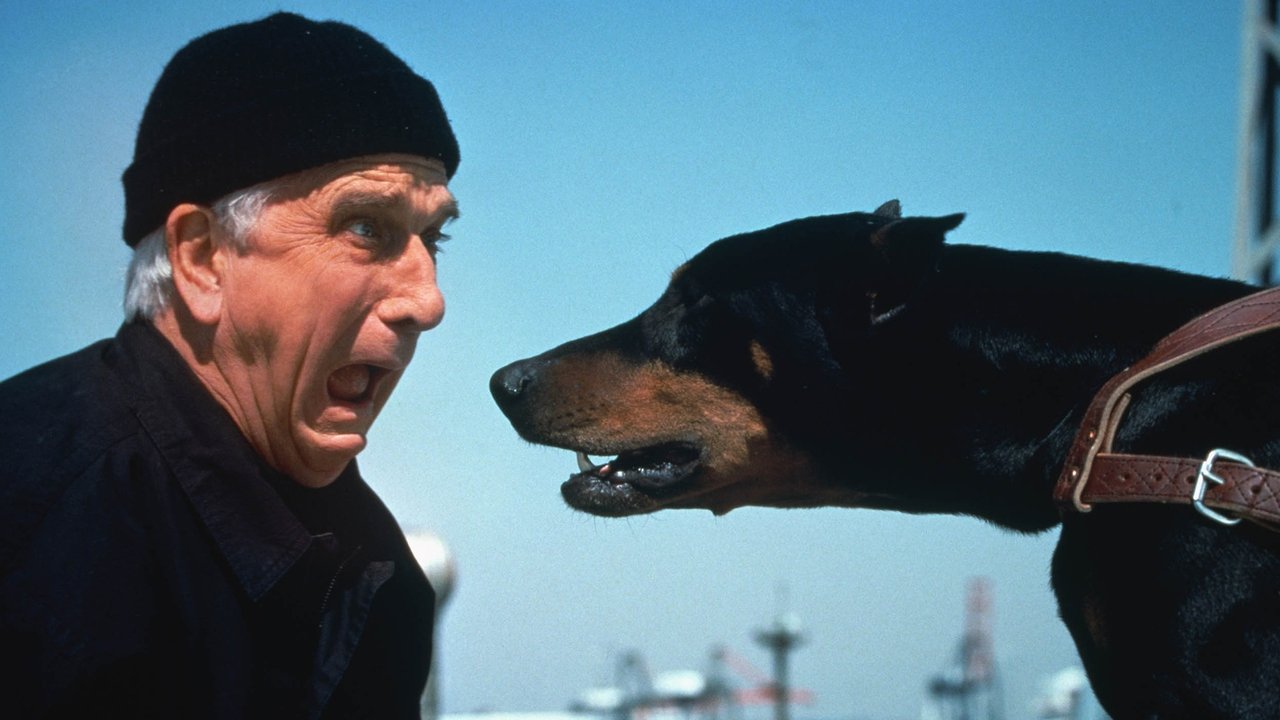
Nielsen’s late-career reinvention as a comic genius is one of Hollywood's best pivot stories. Looking back, it’s incredible to realize he spent decades as a serious dramatic actor before Airplane! (1980) unlocked his true calling. In this sequel, he plays Frank Drebin with the absolute conviction of a man who believes he is in a gritty police procedural, even while he’s accidentally destroying a priceless Ming vase or getting stuck in a giant pair of mechanical lips. He treats the script’s most ridiculous puns with the gravity of a Shakespearean monologue. To me, it’s essentially a live-action Looney Tunes short with a prostate exam subplot, and Nielsen is the only person who could anchor that chaos.
A Sequel That Recycles (The Good Way)
The plot, for those who care about such things, involves an energy crisis. The "Big Three" of the energy industry—coal, oil, and nuclear—are conspiring to kidnap a pro-environment scientist, Dr. Meinheimer (Richard Griffiths), to ensure their monopoly remains intact. It’s a very 1991 conflict, reflecting the early-90s anxiety about environmentalism that also gave us Captain Planet.
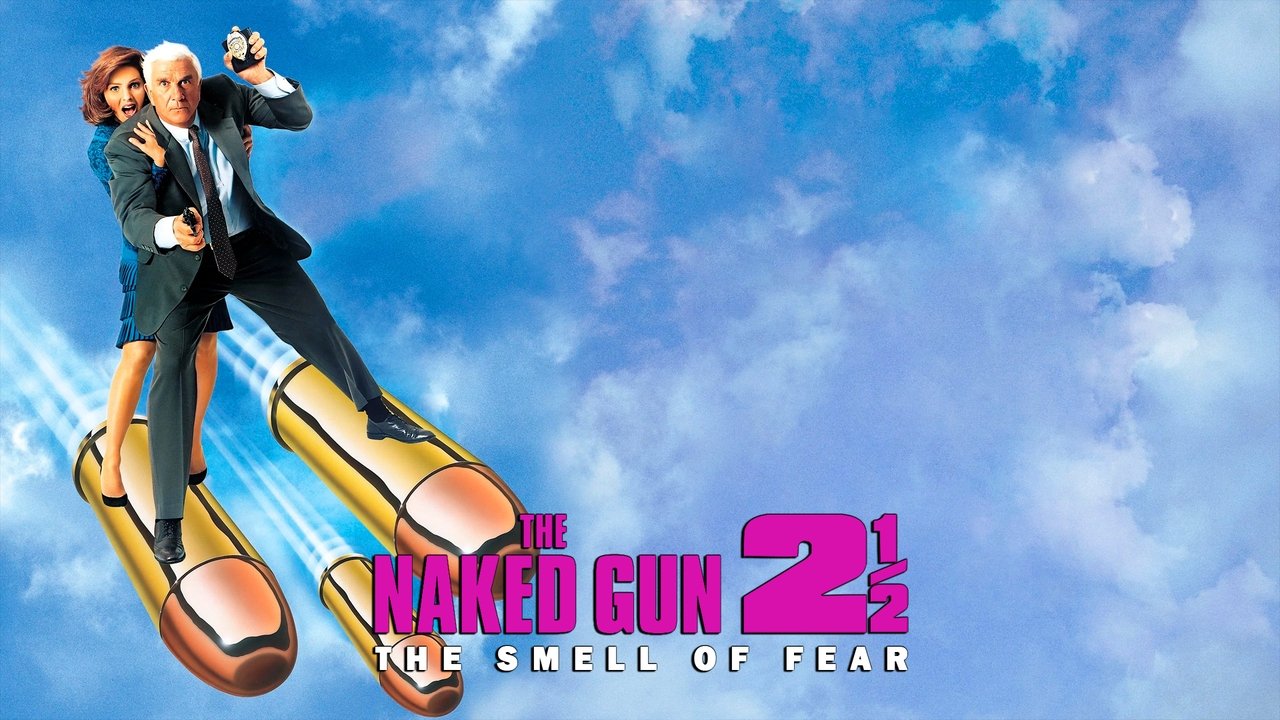
Robert Goulet steps in as the villain, Quentin Hapsburg, and he is a revelation. There’s something inherently funny about a sophisticated lounge singer playing a corporate shark, and his chemistry with Priscilla Presley’s Jane Spencer provides just enough "plot" to keep the movie from drifting into a sketch show. Presley deserves more credit than she gets; playing the straight woman in a ZAZ (Zucker, Abrahams, Zucker) movie is like being the only sober person at a bachelor party—it requires immense discipline.
Of course, we have to talk about the Nordberg in the room. Watching O. J. Simpson as the bumbling, perpetually injured partner is a surreal experience in a post-1994 world. In 1991, he was the lovable physical comedian of the franchise; today, his scenes carry a layer of meta-textual baggage that the filmmakers could never have anticipated. Looking back at it now, his slapstick highlights—like getting trapped under a bus—feel like a transmission from a completely different timeline.
The 1991 Time Capsule
What makes this film hold up better than the endless "Movie" spoofs of the 2000s (Scary Movie, Epic Movie, etc.) is the density of the visual gags. Most modern comedies rely on pop culture references that expire in six months. The Naked Gun 2½ certainly has those (look for the Ghost pottery scene parody), but it prioritizes "background humor." You can watch this movie three times and still miss a funny sign in the background or a ridiculous extra doing something weird in the corner of the frame.
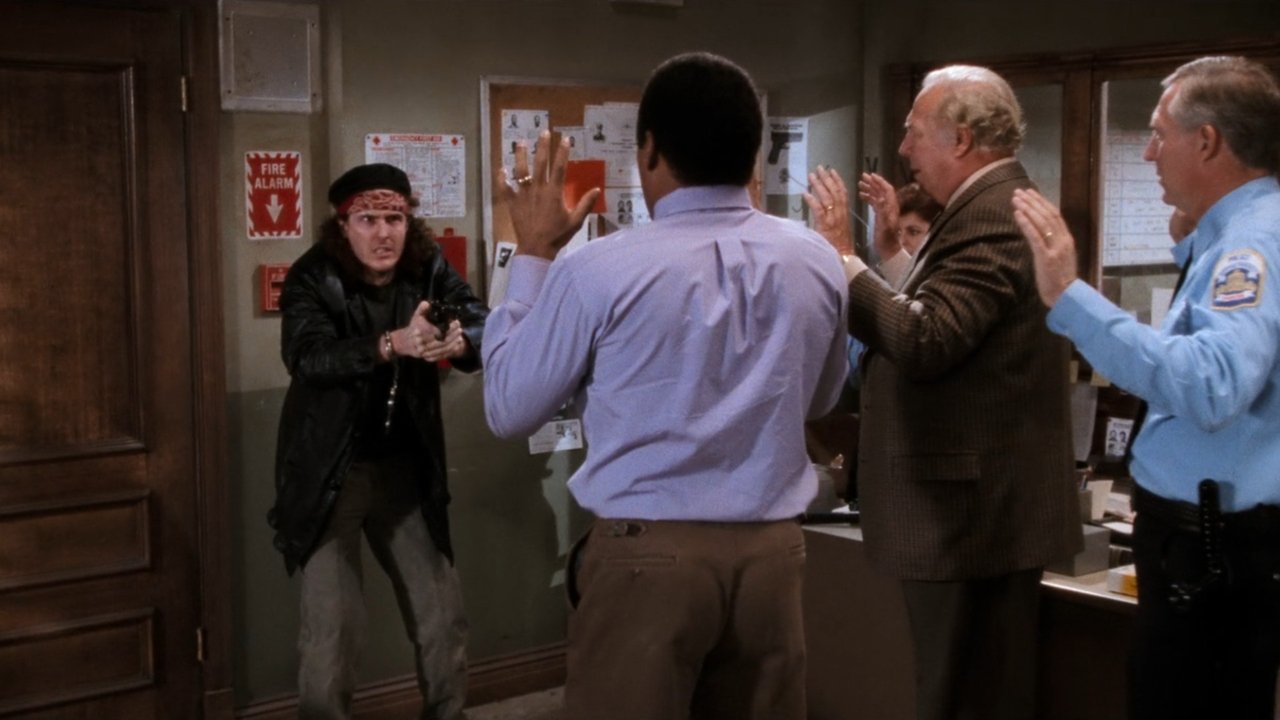
It also represents a turning point in production value. This was the era where comedy budgets were ballooning because the studios realized that stupidity, when properly funded, is a license to print money. The set pieces here are bigger than the first film—the explosion at the "Blue Note" club and the climactic rooftop fight feel like genuine action movie sequences, which only makes the punchlines land harder.
Is it as tight as the original? No. Some of the jokes feel like B-sides from the Police Squad! TV show, and the pacing occasionally trips over its own shoelaces. But it’s about as subtle as a brick to the forehead, and sometimes that’s exactly what a Friday night requires. It reminds me of a time before comedy became a series of improvised riffs in medium close-up—back when a joke required a carpenter, a stuntman, and a very brave guy in a mascot suit.
The film is a masterclass in the "throw everything at the wall" philosophy of screenwriting. While not every joke sticks, the hit rate is high enough to keep you in a state of consistent, low-level delirium. It’s a relic of a time when the biggest star in the world was a silver-haired man who could make a fart joke feel like high art, and I wouldn't have it any other way.
The Naked Gun 2½ is the cinematic equivalent of a giant tub of movie theater popcorn: it has almost zero nutritional value, it’s probably bad for your heart, and you’ll find yourself reaching for more before you’ve even finished the first handful. If you can watch the "dinghy" scene without cracking a smile, you might want to check your pulse. Frank Drebin is the hero we deserved in 1991, and frankly, we could use a little more of his confident incompetence today.
Keep Exploring...
-
The Naked Gun: From the Files of Police Squad!
1988
-
Naked Gun 33⅓: The Final Insult
1994
-
Scary Movie 3
2003
-
Another 48 Hrs.
1990
-
Lethal Weapon 3
1992
-
Sneakers
1992
-
Ace Ventura: Pet Detective
1994
-
The Mask
1994
-
Ace Ventura: When Nature Calls
1995
-
Bad Boys
1995
-
Get Shorty
1995
-

Hot Shots!
1991
-

Hot Shots! Part Deux
1993
-
Rush Hour
1998
-
Austin Powers: The Spy Who Shagged Me
1999
-
Big Momma's House
2000
-
Miss Congeniality
2000
-
Chicago
2002
-
White Chicks
2004
-
Hoodwinked!
2005