The Silence of the Lambs
"To find the monster, she must trust the nightmare."
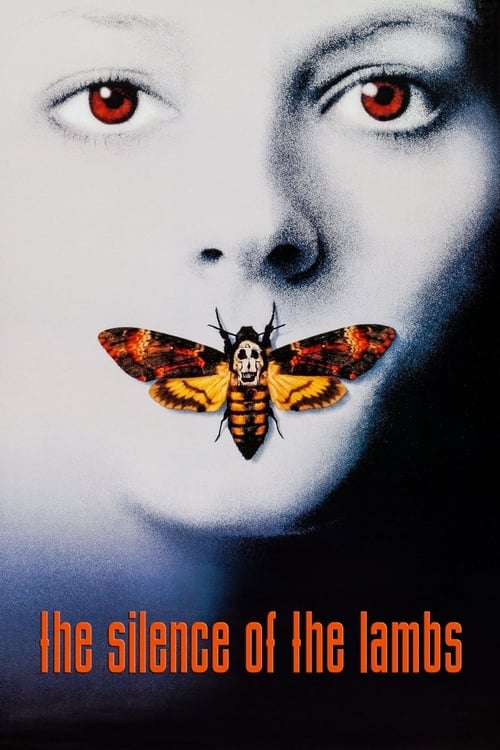
The camera looks right at you. Not just near you, but directly into your pupils, as if the late Jonathan Demme wanted to implicate the audience in every uncomfortable, suffocating conversation Clarice Starling has. I first watched The Silence of the Lambs on a grainy VHS tape while nursing a lukewarm cup of instant coffee that had a weird oily film on top, and even through that low-res fuzz, the intensity was enough to make me forget to take a single sip. It’s a film that doesn’t just show you a story; it traps you in a room with it.
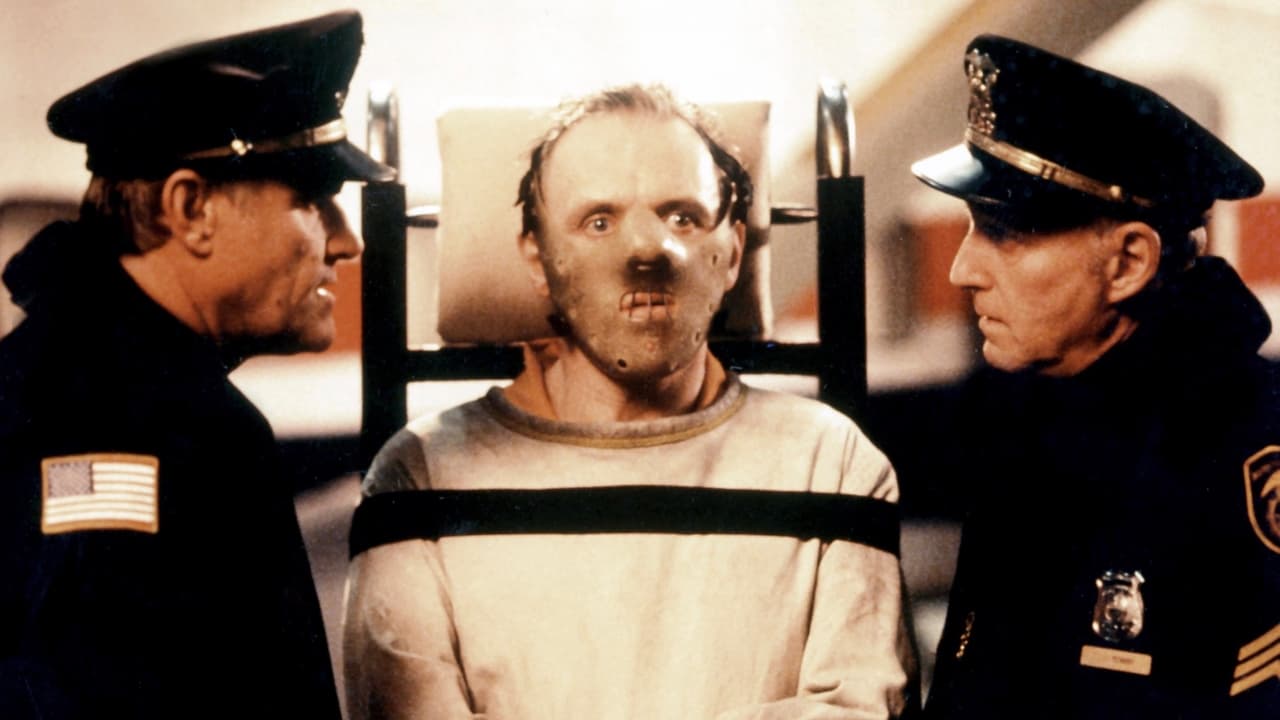
Released in February 1991—hardly the traditional window for "prestige" cinema—this movie did something almost impossible. It took the grimy, often-dismissed tropes of the serial killer slasher and elevated them through sheer artistic willpower into a psychological drama that remains the gold standard for the genre. Looking back, it’s the bridge between the analog 80s and the clinical 90s, replacing jump-scares with a persistent, low-frequency dread that vibrates in your teeth.
The Gaze that Cuts Like a Scalpel
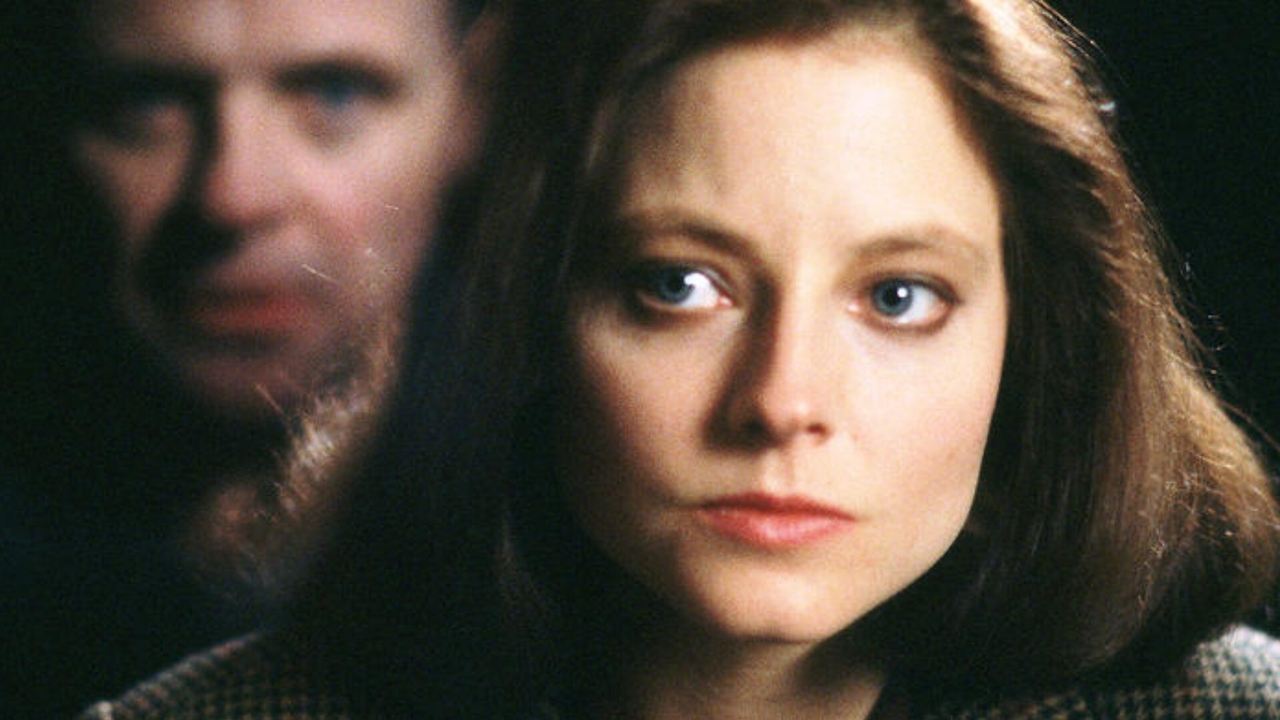
At its heart, this isn't really a movie about a man who eats people; it’s a movie about a woman navigating a world of men who want to consume her in different ways. Jodie Foster gives a performance that I find more impressive every time I revisit it. As Clarice Starling, she’s not a superhero; she’s a student. You see the gears turning behind her eyes, the way she consciously flattens her West Virginia accent to sound more "FBI," and the physical way she carries herself in rooms full of tall men who look at her like she’s a clerical error.
Then there’s the elephant in the cell. Anthony Hopkins as Dr. Hannibal Lecter is a performance so etched into the cultural consciousness that it’s easy to forget how little he’s actually on screen. Clocking in at just under 25 minutes of total screen time, he looms over the entire 119-minute runtime like a shadow. His stillness is what gets me. Most movie monsters are frantic, but Lecter is a statue that breathes. When he finally does move, it’s with the terrifying precision of a shark in a tank.
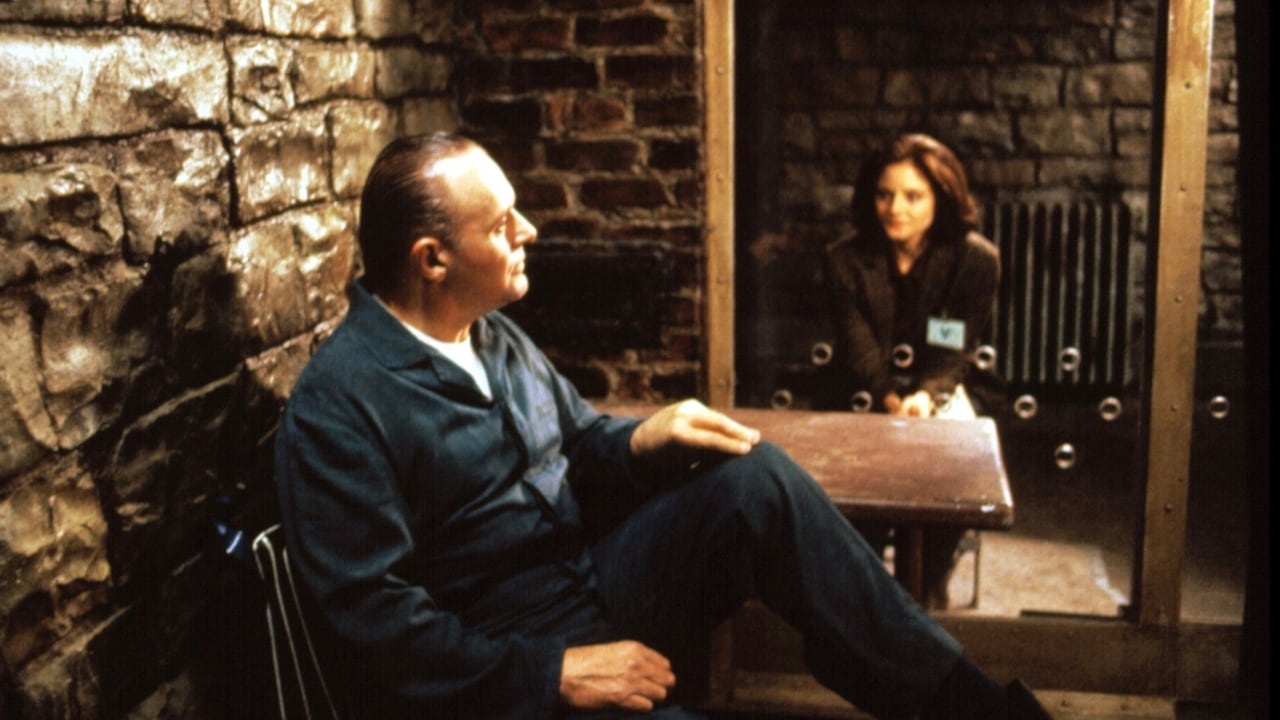
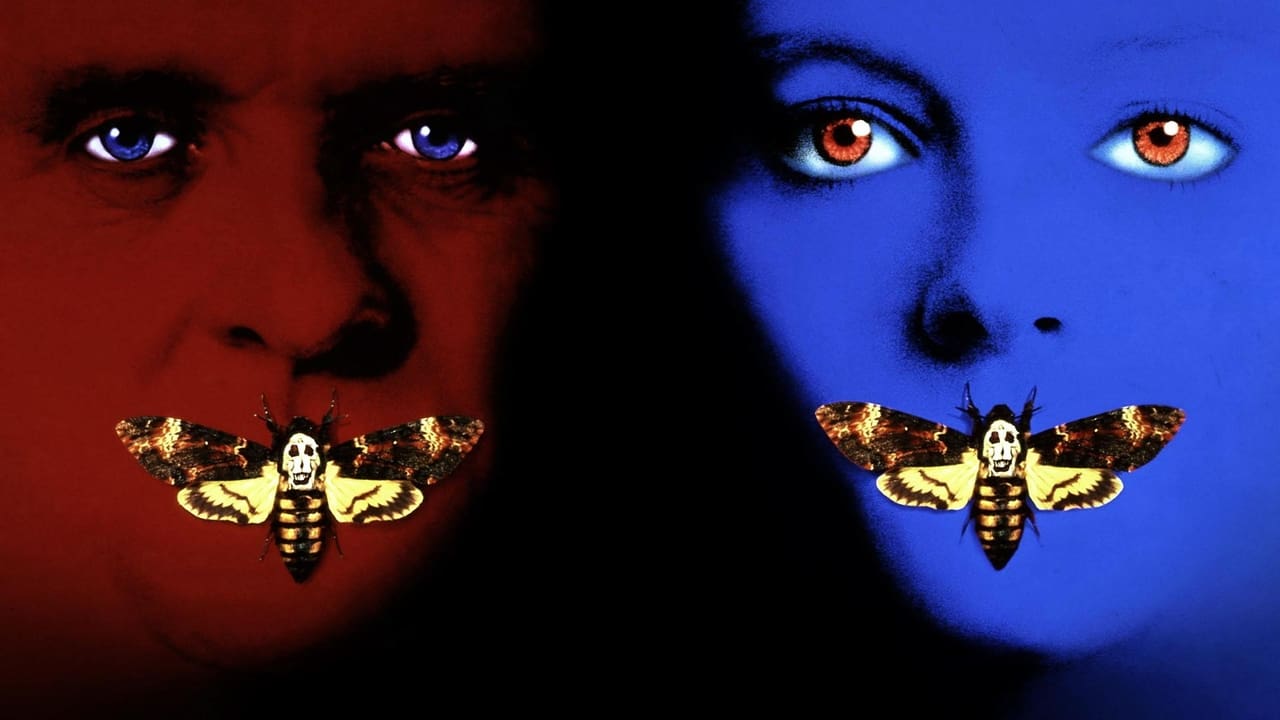
The chemistry between Foster and Hopkins is legendary, but I’ve always been struck by the way Demme shoots their interactions. By having the actors look directly into the lens during close-ups, he forces us into Clarice’s shoes. We aren't just watching her interview a monster; we are the ones being interviewed. It’s a bold choice that made the FBI academy look like a glorified frat house for middle-aged men in cheap suits, highlighting Clarice's isolation long before she ever steps into the basement of a mental hospital.
Prestige in the Pits of Horror
While the Clarice/Lecter dynamic gets the lion's share of the credit, the hunt for "Buffalo Bill" provides the film’s agonizing momentum. Ted Levine is haunting as Jame Gumb. In an era where villains were often caricatures, Levine brings a fractured, pathetic humanity to a character doing monstrous things. The climax in the pitch-black basement, shot through the neon-green lens of night-vision goggles, is a sequence that still makes my pulse spike. It’s a masterclass in spatial awareness—knowing exactly where the hunter and the prey are, even when the lights are out.
Technically, the film is a triumph of "Modern Cinema" transitions. We see the early 90s obsession with procedural detail—the autopsies, the bug experts, the microfiche—long before the CSI franchise turned it into a repetitive formula. The cinematography by Tak Fujimoto (who also shot The Sixth Sense) uses a muted, almost sickly palette of sepias and cold blues that makes the world feel lived-in and decaying. It’s a far cry from the glossy, hyper-saturated thrillers we see today; it feels heavy, like it was filmed in a basement that hasn't seen sunlight in a decade.
The Echo of the Big Five Sweep
The legacy of The Silence of the Lambs is cemented by its historical awards run. It remains one of only three films in history to win the "Big Five" Academy Awards: Best Picture, Director, Actor, Actress, and Screenplay. For a film featuring skinning and cannibalism to achieve that is nothing short of miraculous. It forced the Academy to take "genre" filmmaking seriously, though, ironically, it’s so well-made that people often insist on calling it a "psychological thriller" just to avoid the "horror" label.
A lot of that prestige comes from the script by Ted Tally, adapted from Thomas Harris’s novel. The dialogue is sharp, purposeful, and littered with iconic lines that have been quoted into oblivion. But beyond the quotes about fava beans and Chianti, it’s the quiet moments—the way Scott Glenn's Jack Crawford subtly uses Clarice, or the slimy, bureaucratic villainy of Anthony Heald as Dr. Chilton—that give the film its weight. Even the score by Howard Shore avoids the typical stabs of a slasher movie, opting instead for a somber, orchestral gravity that treats the tragedy of the victims with actual respect.
Ultimately, The Silence of the Lambs works because it refuses to blink. It’s a dark, intense exploration of the costs of ambition and the reality of evil, anchored by two of the greatest performances ever captured on celluloid. It captures that specific 1991 energy where the world felt like it was getting smarter and more technical, yet the monsters remained just as primal as ever. If you haven't seen it in a few years, watch it again—just maybe skip the fava beans for dinner.
Keep Exploring...
-
Red Dragon
2002
-
Carlito's Way
1993
-
The Usual Suspects
1995
-
Fargo
1996
-
Hannibal
2001
-
L.A. Confidential
1997
-
Prisoners
2013
-

Miller's Crossing
1990
-
A Perfect World
1993
-
Bound by Honor
1993
-

Falling Down
1993
-
A Time to Kill
1996
-
Primal Fear
1996
-

Sleepers
1996
-
The Departed
2006
-
The Dark Knight
2008
-
Memories of Murder
2003
-
GoodFellas
1990
-
The Shawshank Redemption
1994
-
Donnie Brasco
1997