Thelma & Louise
"A weekend trip where the road never ends."
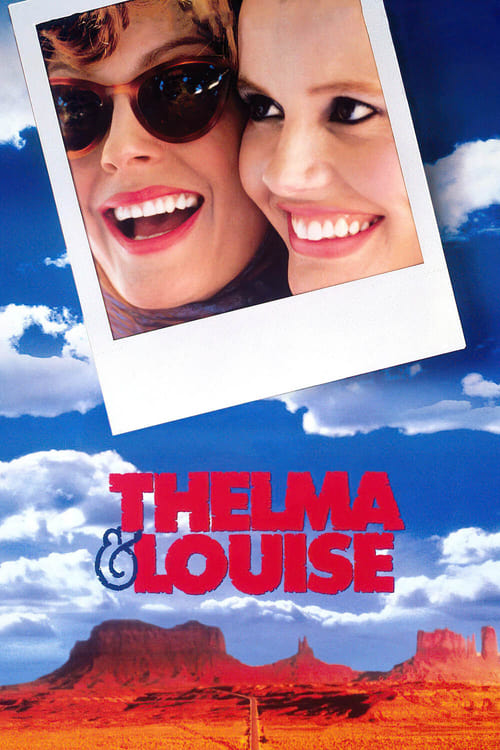
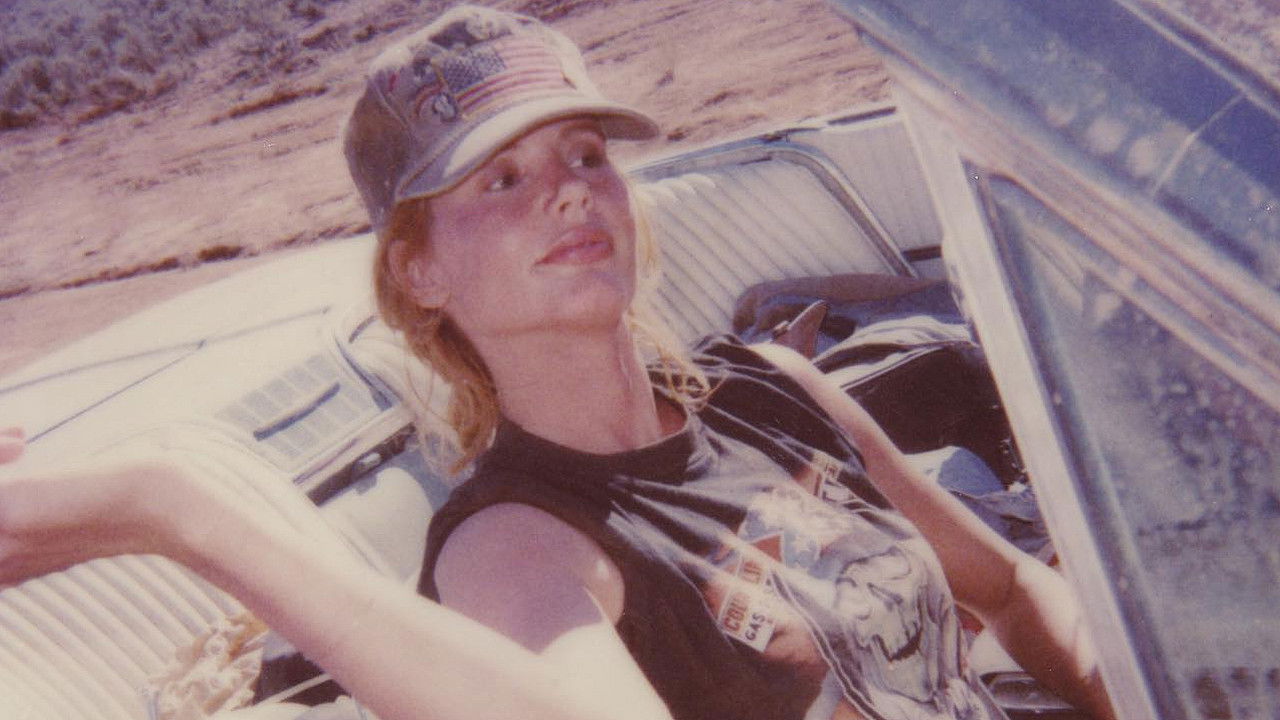
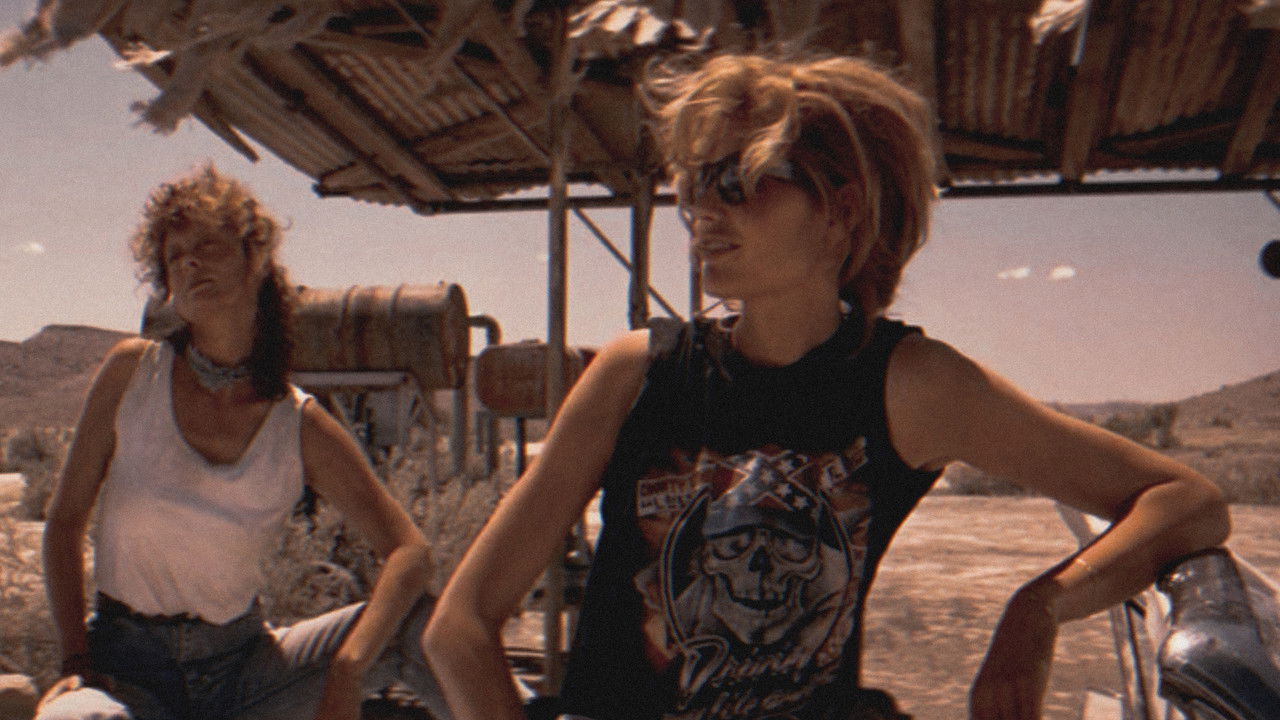
The 1966 turquoise Ford Thunderbird isn't just a car in this movie; it’s a pressurized escape pod from a world that wants to keep women small. I first saw this film while eating a bag of slightly stale pretzel sticks—the kind with so much coarse salt they make your tongue hurt—and for some reason, that stinging grit felt like the perfect companion to the dusty, sun-bleached landscapes Ridley Scott splashed across the screen.
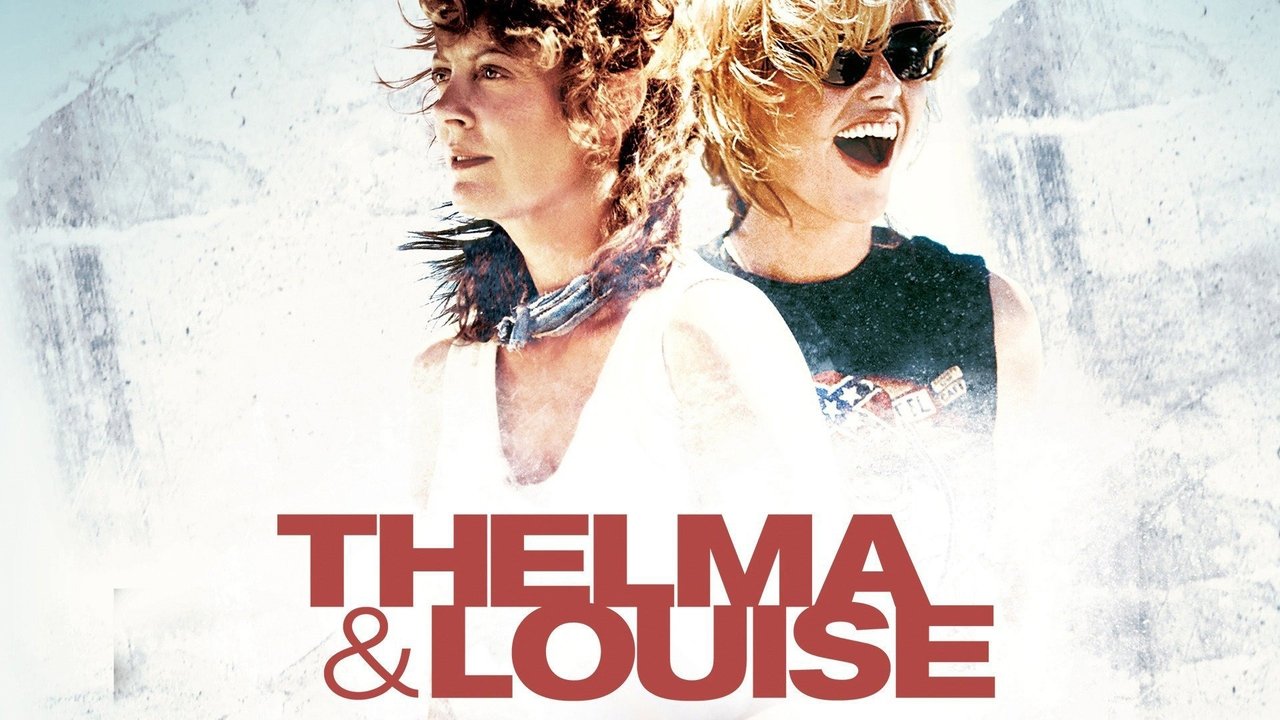
When we think of Ridley Scott, we usually think of the rain-slicked neon of Blade Runner or the claustrophobic corridors of Alien. In 1991, seeing him tackle a "road movie" about two women from Arkansas felt like a strange pivot. But looking back, it makes total sense. Scott treats the American Southwest with the same mythic scale he gave deep space, turning a desperate flight from the law into a grand, tragic opera.
Dust, Denim, and the Point of No Return
The story starts with a simple, relatable itch: Thelma (Geena Davis) and Louise (Susan Sarandon) just want a couple of days away from their suffocating lives. Thelma is married to Darryl (Christopher McDonald), a man who wears his hair like a weaponized pompadour and treats his wife like a mildly annoying piece of furniture. Louise is a waitress with a history she keeps under a tight lid and a boyfriend, Jimmy (Michael Madsen), who can’t quite commit.
The gear-shift from a "girls' weekend" to a crime drama happens with a sickening thud in a parking lot. It’s a sequence that still carries a heavy, jagged weight today. When Louise shoots the man attempting to rape Thelma, the movie sheds its skin. It stops being a comedy of manners and becomes a somber meditation on the fact that, for some people, there is no "going back to normal." Darryl is actually a more realistic villain than most of the high-stakes serial killers in 90s cinema because his brand of casual, domestic cruelty is so recognizable it makes your skin crawl.
The Evolution of the Outlaw
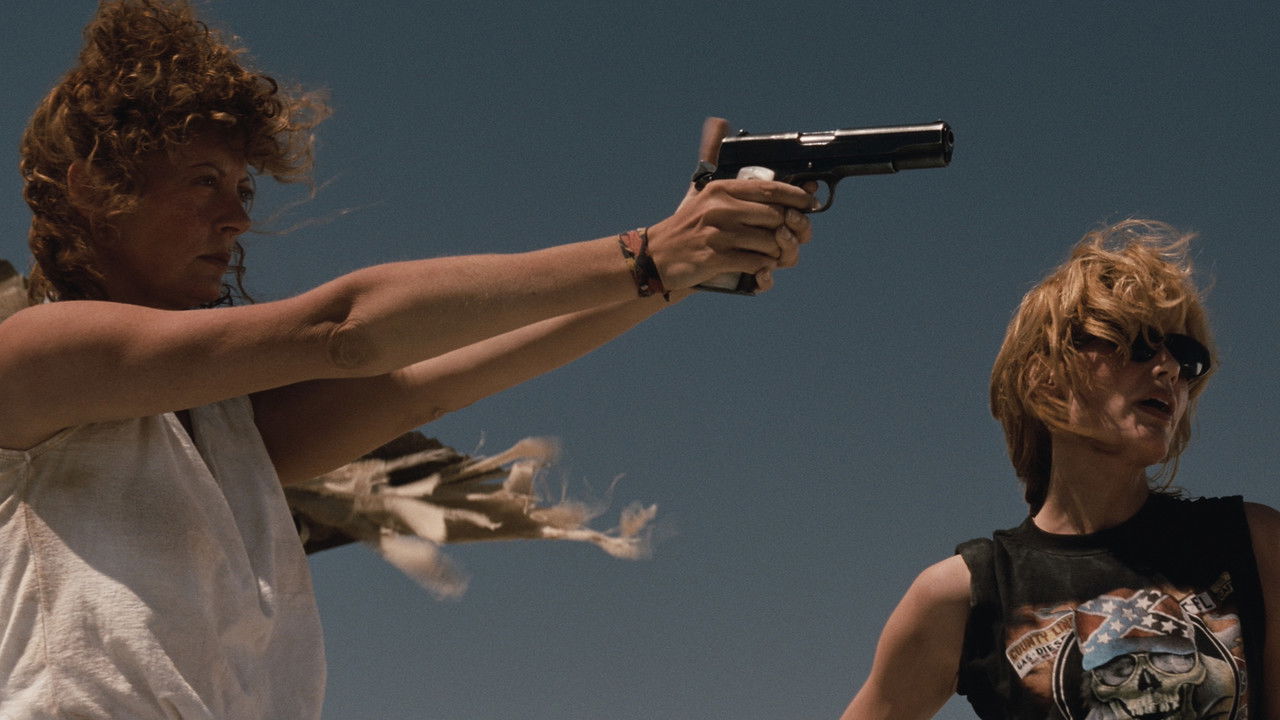
What really earns this film its place in the permanent collection is the chemistry between Susan Sarandon and Geena Davis. Watching them is like watching a slow-motion chemical reaction. Sarandon plays Louise with a flinty, world-weary competence that masks a deep well of trauma. She’s the one who knows how to pack a suitcase, how to plan a route, and how to keep her cool—until she can't.
But the real shocker is Geena Davis. Her transformation from a fluttering, insecure housewife to a denim-clad outlaw with a steady hand is one of the best arcs of the 90s. By the time they’re outrunning the FBI, led by a surprisingly empathetic Harvey Keitel, Thelma has found a version of herself that was never allowed to exist back in the suburbs. There’s a specific scene where she robs a convenience store with a polite, terrifying efficiency that she learned from watching a drifter. It’s hilarious, but it’s also heartbreaking because you realize she’s finally "good" at something—and that something is being a fugitive.
The Abs, the Dirt, and the DVD Commentary
You can’t talk about Thelma & Louise without mentioning the "discovery" of Brad Pitt. As J.D., the hitchhiking thief with a penchant for shirtless hair-dryer demonstrations, Pitt basically walked onto the screen and reset the bar for movie-star charisma. Legend has it that he was cast only after several other actors (including George Clooney) were passed over, and his $6,000 paycheck is one of the best investments in Hollywood history.
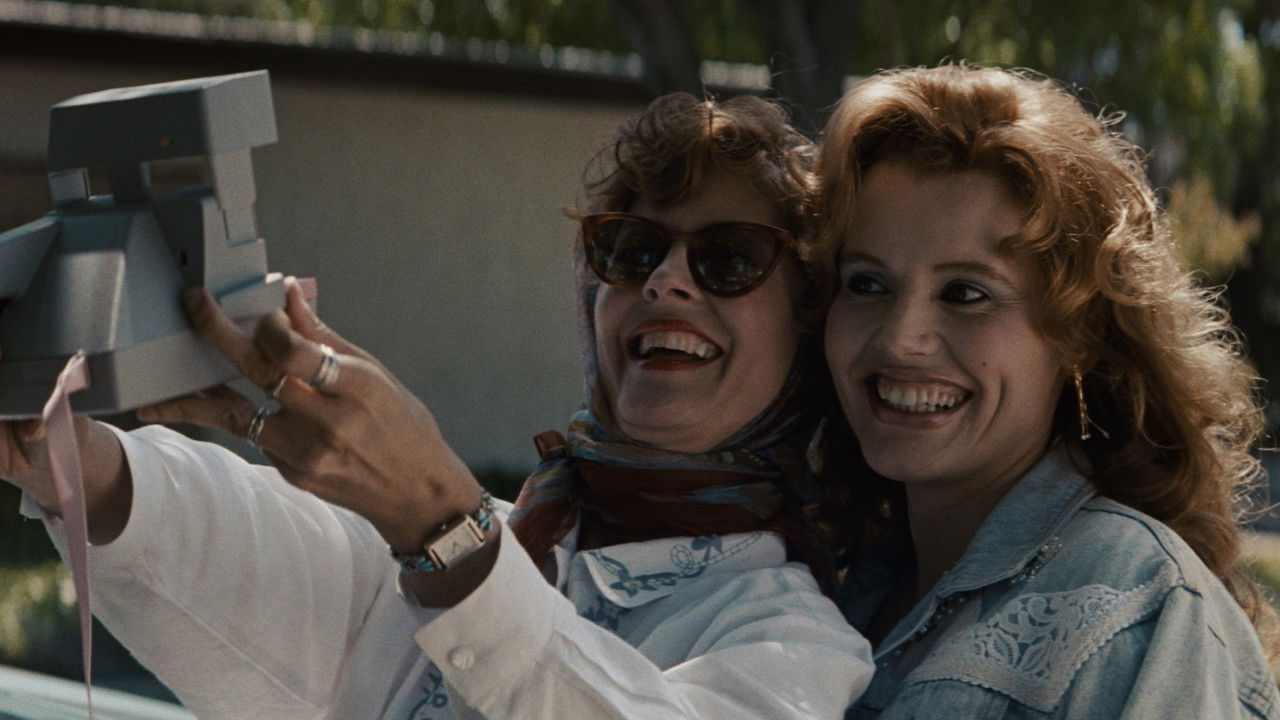
Looking back from our era of digital everything, there’s a tactile beauty to this film that feels lost. The cinematography by Adrian Biddle (who worked on Aliens and The Princess Bride) captures a version of the West that feels infinite and indifferent. You can almost feel the heat radiating off the asphalt. This was also an era where a "small" drama could still get a massive Hans Zimmer score—this one full of twanging, lonely slide guitars—and dominate the cultural conversation for months.
The film's cult status didn't come from midnight screenings with costumes; it came from the way it sparked a literal firestorm of debate. It was on the cover of Time magazine with the headline "Why Thelma & Louise Strikes a Nerve." Men were terrified of it; women felt seen by it. It’s a movie that refuses to offer the easy, comforting "trial by jury" ending. It understands that for these two, the law was never designed to protect them in the first place.
The final act is a masterclass in tension, leading toward that iconic, freeze-frame plunge into the Grand Canyon. It’s an ending that was heavily debated in the editing room—Ridley Scott even filmed a version where the car keeps falling—but the choice to end on that moment of suspended flight was the right one. It preserves their freedom forever. Even thirty years later, it’s a film that leaves you feeling a strange mix of exhilaration and deep, quiet sadness. It’s a reminder that sometimes the only way to find yourself is to drive straight off the map.
Keep Exploring...
-
Kingdom of Heaven
2005
-

American Gangster
2007
-
Matchstick Men
2003
-
Boyz n the Hood
1991
-
A Bronx Tale
1993
-

Falling Down
1993
-
Natural Born Killers
1994
-
The Next Three Days
2010
-
The Godfather Part III
1990
-

Sleepers
1996
-

Jackie Brown
1997
-
American Psycho
2000
-
Training Day
2001
-
25th Hour
2002
-
Adaptation.
2002
-
John Q
2002
-
21 Grams
2003
-
Monster
2003
-
Lucky Number Slevin
2006
-
Gone Baby Gone
2007