What About Bob?
"Baby steps to a full-blown nervous breakdown."
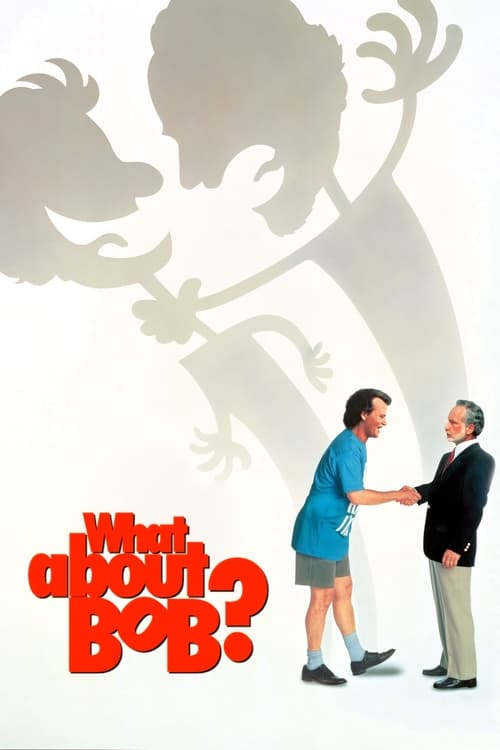
I once watched this movie on a grainy VHS tape while nursing a sunburn so severe I smelled like a burnt marshmallow, and somehow, watching Richard Dreyfuss slowly lose his mind made my peeling skin feel like a minor inconvenience. There is a specific kind of magic in early 90s comedies that we’ve moved away from—a willingness to be genuinely mean-spirited under a veneer of sunshine and "family values." What About Bob? is the crown jewel of that era, a film that masquerades as a lighthearted romp but plays out like a slow-motion home invasion thriller where the intruder brings his own goldfish.

The setup is deceptively simple: Bill Murray plays Bob Wiley, a man so paralyzed by phobias that he views "sailing" as something you do while tied to the mast of a boat screaming for help. He’s the nightmare patient of Dr. Leo Marvin (Richard Dreyfuss), a world-class egotist who is one book tour away from becoming a household name. When Leo tries to ditch Bob for a family vacation at Lake Winnipesaukee, Bob does the unthinkable: he follows.
The Art of the Slow-Burn Gaslight
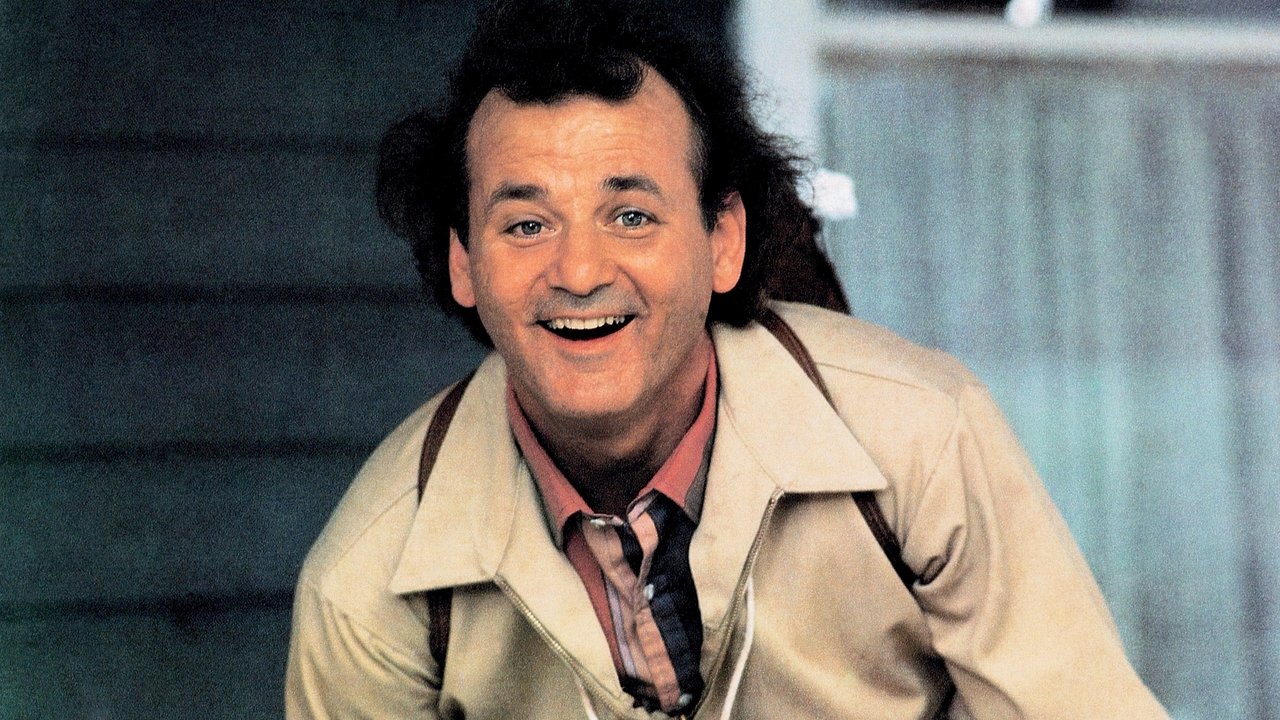
What makes this work—and what keeps it from being a generic "annoying neighbor" flick—is the sheer, vibrating friction between the two leads. It’s no secret now that Bill Murray and Richard Dreyfuss reportedly despised each other on set. Apparently, Murray even threw a heavy glass ashtray at Dreyfuss during a production dispute. Looking back, that off-screen hatred is the secret sauce that makes the movie delicious. You can see the genuine, unscripted vein-throbbing in Dreyfuss’s neck as Bob wins over Leo’s wife (Julie Hagerty) and kids with his "Baby Steps" philosophy.
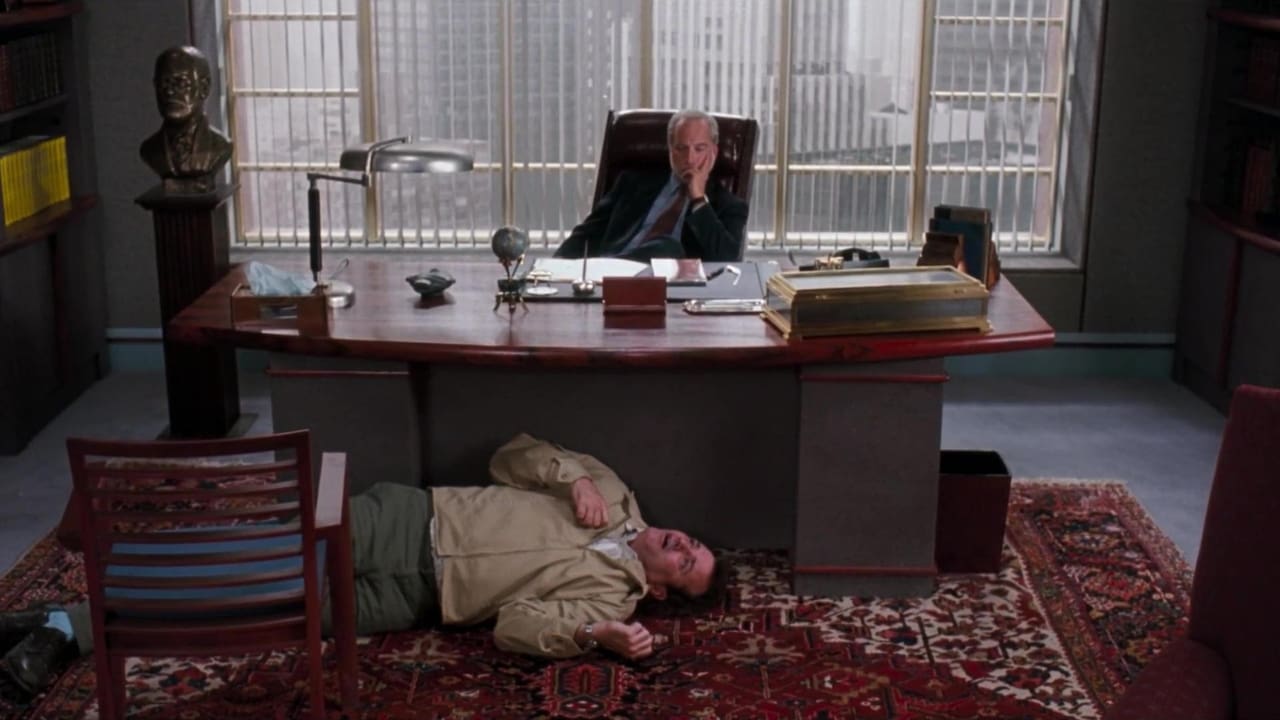
Richard Dreyfuss delivers one of the most underrated comedic performances of the 90s here. Most actors would play Leo as a cartoon villain, but Dreyfuss plays him as a man who believes he is the hero of a high-brow intellectual drama, only to realize he’s been trapped in a slapstick nightmare. His descent from "professional composure" to "trying to blow up his patient with black powder" is a masterclass in comedic pacing. By the time he’s twitching in the woods, you realize this isn't a movie about a man helping a patient; it's a movie about a man being dismantled by a human parasite.
The Era of the "Nice Guy" Invader
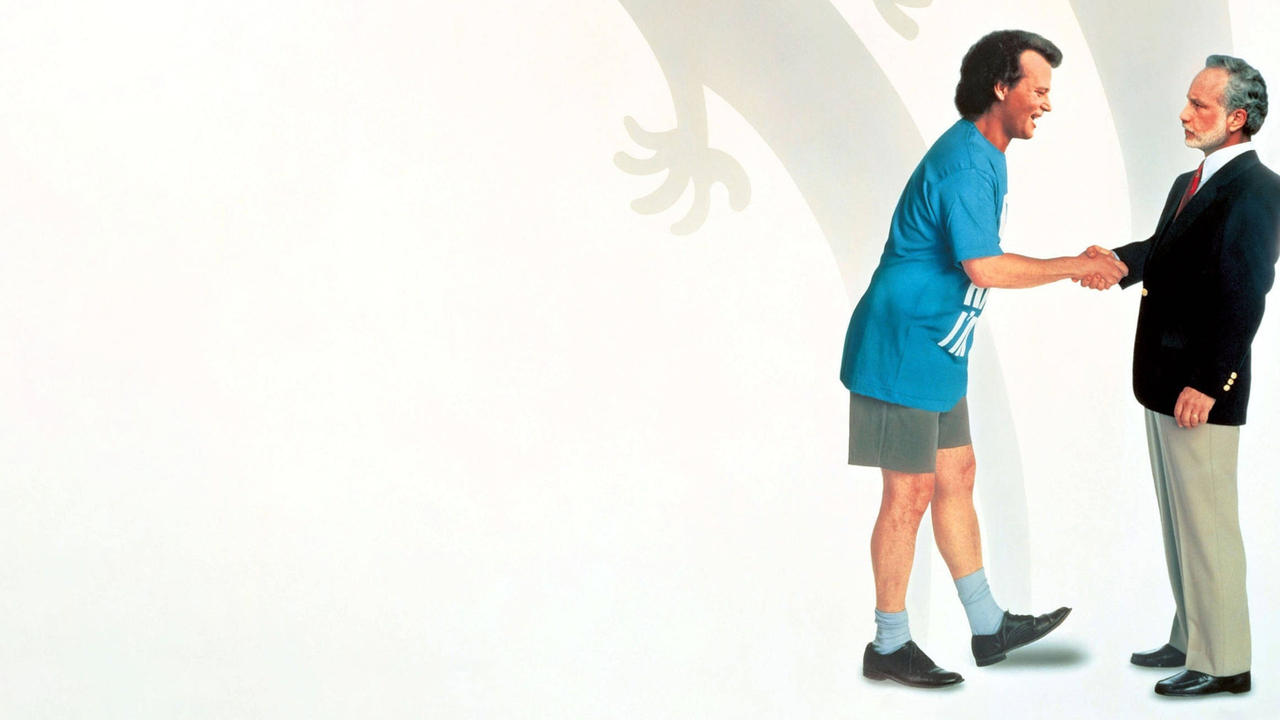
Watching this in the 2020s feels different than it did in 1991. Back then, Bob was just a lovable kook. Today, Bob Wiley is a high-level psychological predator who would definitely have a very successful, very annoying TikTok channel. The film thrives on the "Invader" trope that defined a lot of early 90s cinema—think The Hand That Rocks the Cradle or Single White Female, but with more "mm-mm-mm" corn-on-the-cob noises.
Director Frank Oz, who gave us the darkly hilarious Little Shop of Horrors, keeps the camera tight on the reactions. He understands that the joke isn't Bob being weird; the joke is Leo’s reaction to Bob’s weirdness. The cinematography by Michael Ballhaus (who worked with Scorsese on Goodfellas) gives the Lake Winnipesaukee setting a lush, idyllic glow that contrasts beautifully with the psychological warfare happening on the front porch. It captures that specific "New England Vacation" aesthetic that feels like it belongs to a world before iPhones, where the only way to escape someone was to literally hide in the woods.
Why It’s Drifting Into the "Must-Revisit" Pile
While it was a hit at the time, What About Bob? often gets lost in the shuffle of Bill Murray’s career, overshadowed by the existential weight of Groundhog Day or his later, "sad-dad" collaborations with Wes Anderson. But this is Murray at his most chaotically physical. Whether he’s fake-sobbing in a psychiatrist’s office or "sailing" by being duct-taped to a mast, he’s a force of nature.
The film also benefits from a stacked supporting cast. Julie Hagerty (the legendary lead from Airplane!) provides the perfect, airy counterbalance to the male ego-clash, playing Fay Marvin with a sweetness that makes Leo’s frustration even funnier. If she were a little bit meaner to Bob, Leo might have stayed sane. Instead, her kindness is the final nail in her husband’s coffin.
There’s a certain "test screening" feel to the ending—the "Death Therapy" climax feels like the studio stepped in to ensure things didn't get too dark—but the journey there is flawless. It’s a relic of a time when a major studio would bank $35 million on a movie about two men screaming at each other in the woods, and for that alone, it deserves a spot in your rotation.
If you haven't seen this since the days of Blockbuster rentals, it’s time for a rewatch. It’s a rare comedy that feels more biting as you get older and realize that we all have a "Bob" in our lives—someone who is perfectly nice to everyone else but seems specifically designed by the universe to ruin your day. Take some baby steps to your remote and put this on; just make sure your goldfish is secure.

Keep Exploring...
-

Death at a Funeral
2007
-
Bowfinger
1999
-
Little Shop of Horrors
1986
-
Dirty Rotten Scoundrels
1988
-

Broken Flowers
2005
-

Dick Tracy
1990
-
Groundhog Day
1993
-

Arachnophobia
1990
-

Cry-Baby
1990
-

DuckTales: The Movie - Treasure of the Lost Lamp
1990
-
Barton Fink
1991
-
Bill & Ted's Bogus Journey
1991
-
Father of the Bride
1991
-
Teenage Mutant Ninja Turtles II: The Secret of the Ooze
1991
-
The Fisher King
1991
-
My Cousin Vinny
1992
-

The Mighty Ducks
1992
-

The Muppet Christmas Carol
1992
-
The Player
1992
-

White Men Can't Jump
1992