A River Runs Through It
"Silence is the deepest water in the family stream."
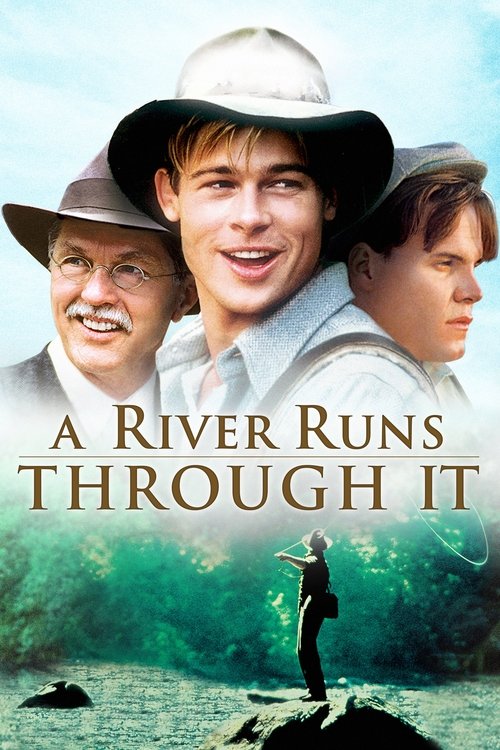
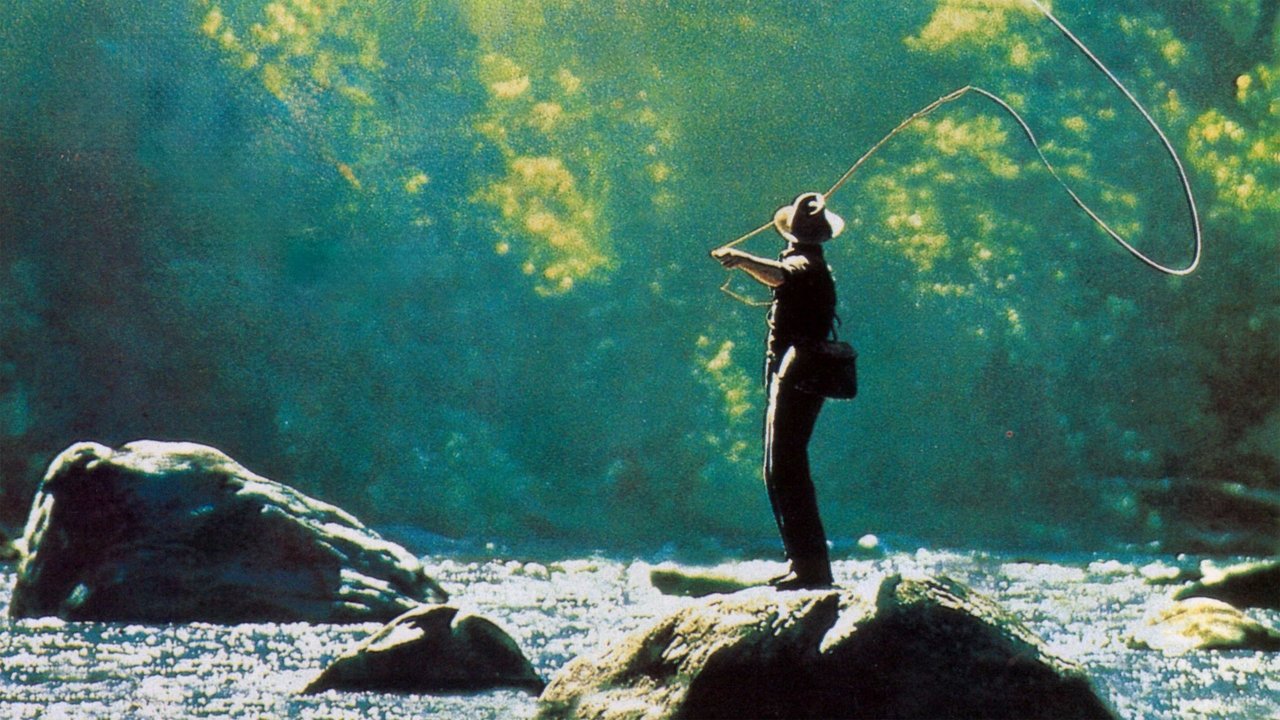
The sound of a fly line cutting through the Montana air has a very specific, rhythmic hiss—a four-count beat that Robert Redford treats with the same reverence a conductor might give a metronome. It’s the heartbeat of a film that, on paper, sounds like a nightmare for anyone with an active social life: two hours of two brothers and their dad standing in cold water talking about God and trout. But looking back at 1992, A River Runs Through It didn’t just succeed; it became a cultural touchstone that temporarily made every suburban dad in America believe he could look graceful in thigh-high rubber waders.
I recently revisited this one on a rainy Sunday while nursing a lukewarm can of sugar-free ginger ale that had lost its fizz twenty minutes earlier, and I was struck by how much the film benefits from the "pre-digital" haze of the early 90s. This was a time when prestige dramas were allowed to be slow, beautiful, and deeply earnest without looking over their shoulder to see if the audience was checking their phones.
The Golden Boy and the Steady Son
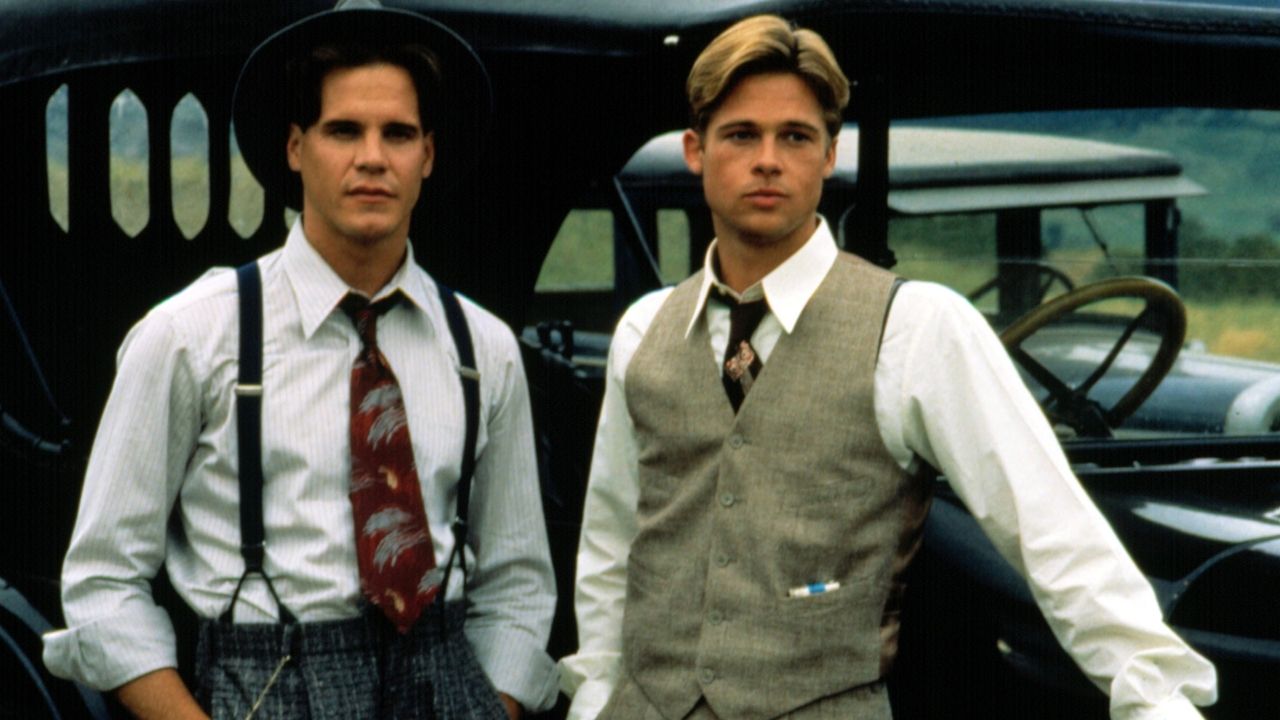
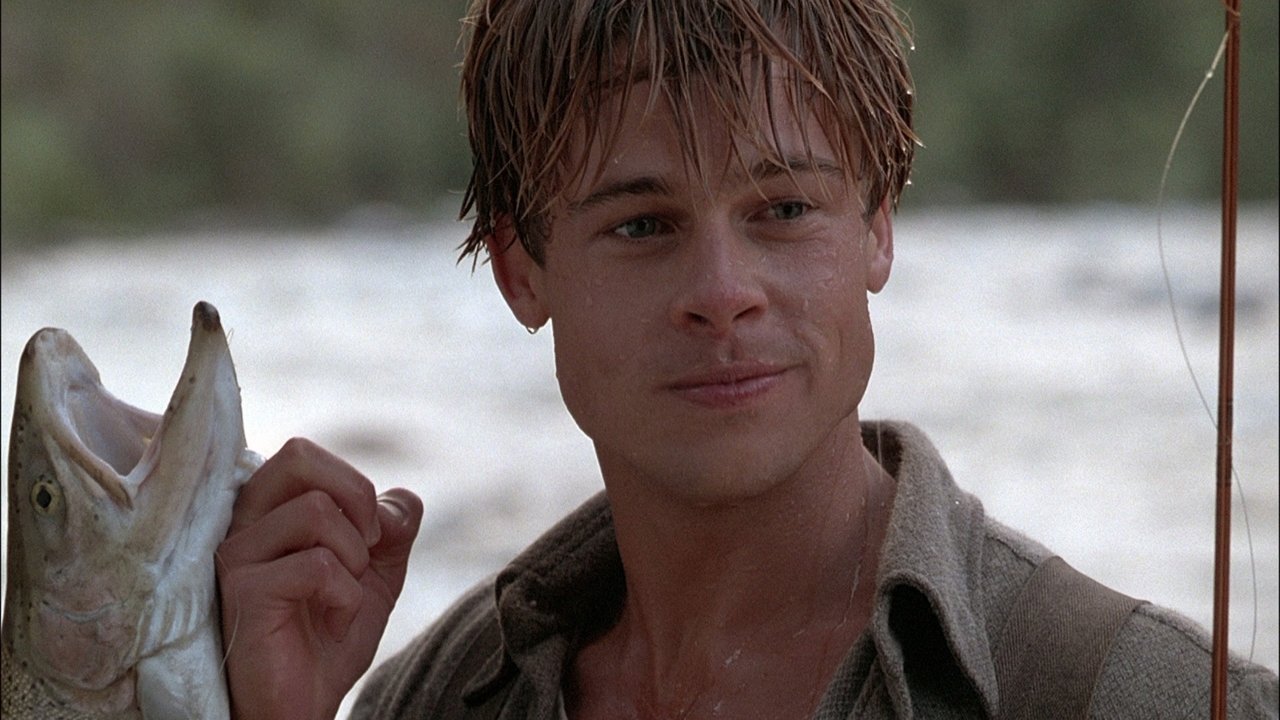
While Robert Redford (who also directed Ordinary People and The Horse Whisperer) stays behind the camera, his presence is felt in every frame. He famously narrated the film himself, but his true surrogate is a young, incandescent Brad Pitt. If you want to know exactly when Pitt transitioned from "that guy in Thelma & Louise" to a legitimate movie star, it’s the moment he flashes that reckless, lopsided grin as Paul Maclean. He looks so much like a young Redford that it’s almost eerie—a genetic passing of the torch caught on celluloid.
Paul is the "bad" brother, the one who drinks too much, gambles too hard, and treats the local fish like personal rivals. Opposite him, Craig Sheffer plays Norman, the dutiful son who goes off to Dartmouth and returns to find his brother has become a local legend and a ticking time bomb. Craig Sheffer often gets a bad rap for being the "boring" one, but he’s actually the essential emotional anchor that keeps the movie from drifting off into a high-end cologne commercial. Without his grounded, slightly stiff presence, Paul’s self-destruction wouldn’t hurt nearly as much.
Poetry in the Cast
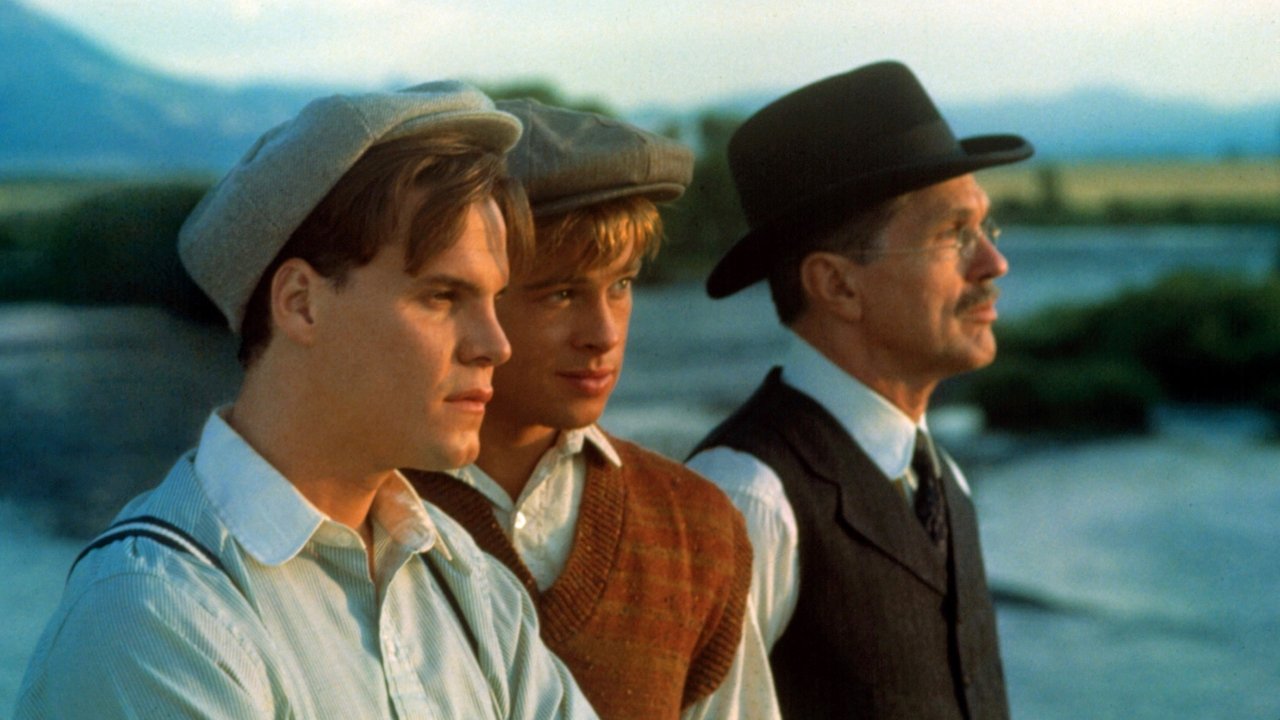
The film is held together by Tom Skerritt as the Reverend Maclean. He plays the father with a quiet, terrifyingly precise dignity. He’s a man who believes that "all good things—trout as well as eternal salvation—come by grace and grace comes by art and art does not come easy." It’s a performance of few words but immense weight. When he looks at his sons, you see the struggle of a man who can interpret the Bible but has no idea how to read the hearts of his own children.
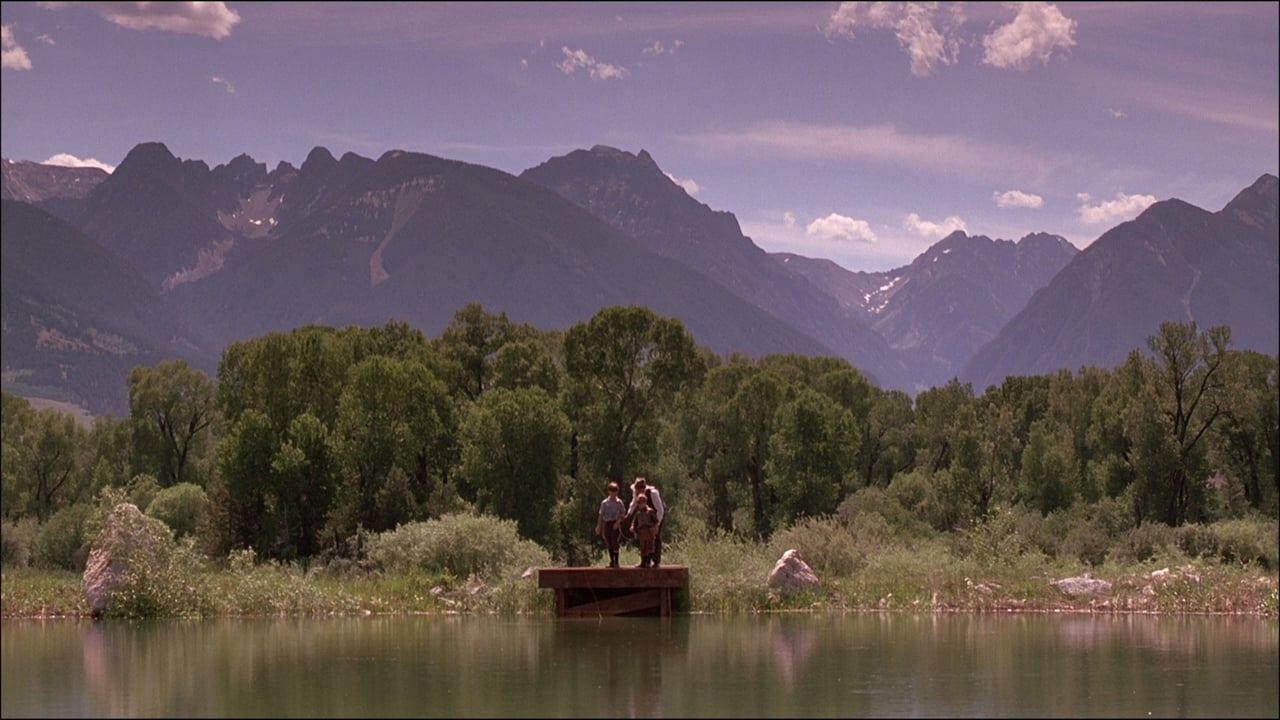
Then there’s the cinematography by Philippe Rousselot, which deservedly won an Oscar. In an era before every mountain range was "enhanced" by CGI, the Montana landscape here is breathtakingly real. The way the light hits the Blackfoot River makes the water look like molten silver. It’s the kind of visual storytelling that makes you understand why these men are so obsessed with the river; it’s the only place where the world makes sense to them.
Why It Holds Its Line
Looking back, A River Runs Through It feels like the peak of the "Heritage Film"—movies that were obsessed with a lost American pastoral. It arrived just as the indie film revolution was starting to get gritty with movies like Reservoir Dogs, yet Redford’s film felt rebellious in its own way by being so stubbornly traditional. It’s a drama that trusts its audience to understand subtext. When the brothers are fishing together, they aren't just catching fish; they are communicating in the only language their father allowed them to learn.
People who say this movie is just about fishing probably think Moby Dick is a helpful guide to whale oil. The fishing is the ritual that masks the tragedy. It’s about the frustration of loving someone you cannot help—a theme that feels just as sharp now as it did thirty years ago. The film captures that specific 90s transition where movies still had the DNA of 70s character studies but were wrapped in the high-gloss production values of a new decade.
Interestingly, despite its massive success, the film hasn't been "franchised" or remade, which adds to its status as a singular piece of work. It’s a "Dad Movie" in the best sense—sturdy, reliable, and surprisingly emotional once you get past the gruff exterior.
The final minutes of this film contain some of the most beautiful prose ever spoken in cinema, borrowed directly from Norman Maclean’s semi-autobiographical novella. It leaves you with a lingering sense of melancholy that’s hard to shake. Even if you’ve never held a fishing rod in your life, the ending hits like a physical weight. It’s a reminder that we can love completely without ever truly understanding the people we share our lives with. It’s a quiet masterpiece of the early 90s that deserves to be pulled out of the attic and watched on the biggest screen you can find.
Keep Exploring...
-
Quiz Show
1994
-
The Mighty Ducks
1992
-

The Muppet Christmas Carol
1992
-
The Secret Garden
1993
-
A Little Princess
1995
-

Miracle on 34th Street
1994
-
Holes
2003
-
What a Girl Wants
2003
-

Ice Princess
2005
-

Soul Surfer
2011
-
The Odd Life of Timothy Green
2012
-
Free Willy
1993
-
Mrs. Doubtfire
1993
-

The Santa Clause
1994
-

Babe
1995
-

Jack
1996
-
The Horse Whisperer
1998
-
The Legend of Bagger Vance
2000
-
Joseph: King of Dreams
2002
-
The Triplets of Belleville
2003