Alien³
"In the far reaches of space, no one can hear you pray."
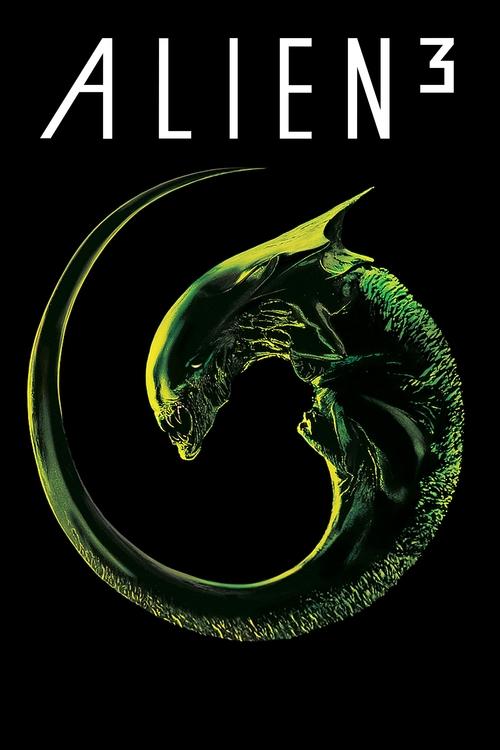
The first time I sat down to watch Alien³, I was actually in a tiny basement apartment in London, nursing a lukewarm cup of Earl Grey that had a single, sad biscuit floating in it. That soggy digestive is a pretty accurate metaphor for how most audiences felt when the lights came up in 1992. After the high-octane, "get away from her, you bitch!" adrenaline of James Cameron’s Aliens, David Fincher (in his feature debut) handed us a cold, nihilistic bucket of industrial grime.
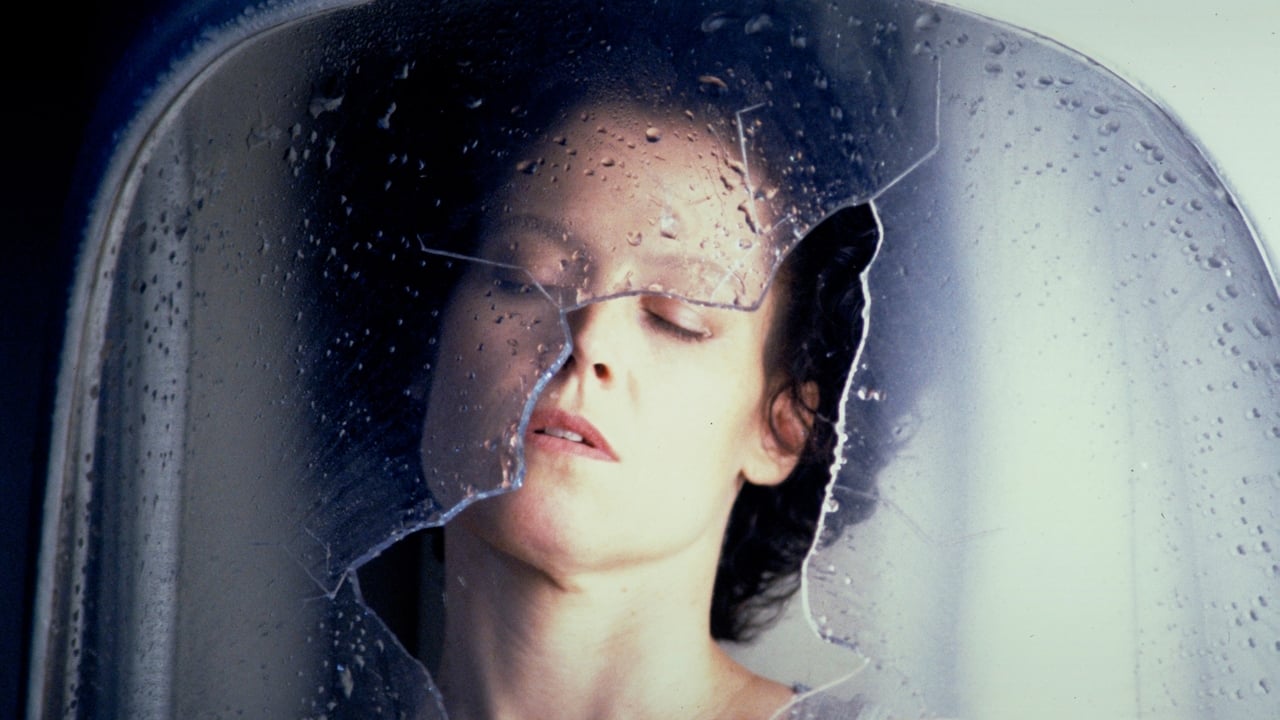
It starts with a massive middle finger to the fans: Newt and Hicks, the two characters we spent the entirety of the previous movie trying to save, are killed off-screen before the opening credits even finish. It was a move so bold it bordered on malicious. But looking back at it now, through the lens of a director who would eventually give us Seven and The Social Network, you can see the skeleton of a fascinating, albeit fractured, gothic horror film.
A Funeral for the Franchise
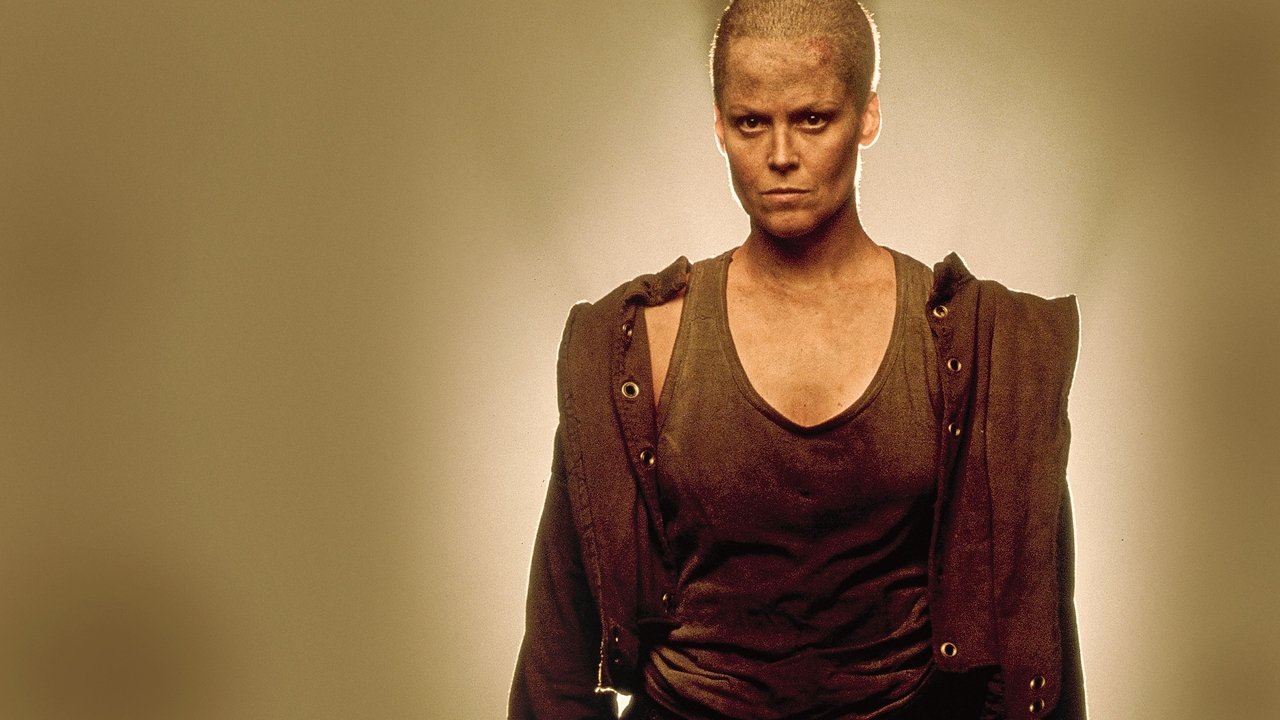
If Alien was a haunted house in space and Aliens was a Vietnam-style war movie, Alien³ is a monastery in a coal mine. We find Sigourney Weaver’s Ripley washed up on Fiorina 161, a "double-Y" chromosome prison planet populated by a group of celibate, fanatical inmates. There are no pulse rifles here. No smart-guns. Just a lot of bald men in brown robes looking for redemption in a world that smells like wet rust.
Sigourney Weaver is, as always, the grounded soul of the machine. Watching her shave her head and confront the inevitability of her own death is powerful stuff. She plays Ripley with a weary, bone-deep exhaustion that feels earned. By this point, she’s not just fighting a monster; she’s fighting a universe that won’t let her rest. Charles Dance (long before he was a Lannister) provides a rare moment of warmth as Clemens, the prison doctor with a checkered past. His chemistry with Weaver is the highlights of the first act, making it all the more painful when the movie inevitably pulls the rug out from under us.
The Fincher Factor and the "Runner"
It’s no secret that David Fincher hates this movie. He was a 28-year-old music video wunderkind thrown into a production that started filming without a finished script. The set was a battlefield between him and the executives at 20th Century Fox, and you can feel that friction on screen. Yet, despite the chaos, the movie looks incredible. Alex Thomson's cinematography captures a claustrophobic, amber-hued world that feels lived-in and decaying.
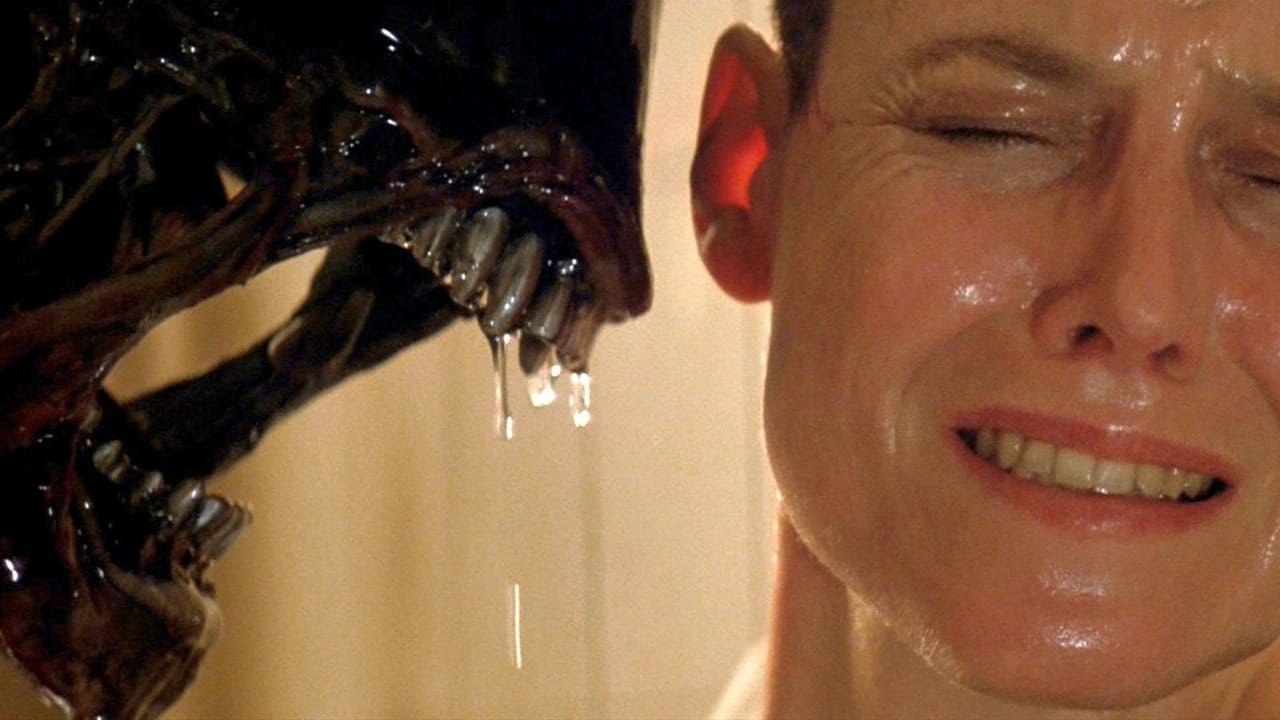
Then there’s the Alien itself. Eschewing the humanoid bipedalism of the previous films, this "Runner" or "Dog Alien" (born from an ox in the theatrical cut, a dog in others) is a lean, mean, wall-crawling machine. While the puppet work—often mistaken for early CGI—results in some floating-sticker effects that look like they were cut out of a magazine and pasted onto the frame, the practical creature effects by Tom Woodruff Jr. and Alec Gillis are top-tier. The scene where the Xenomorph gets "close and personal" with a cornered Ripley is one of the most iconic images in 90s cinema, perfectly capturing the predatory intimacy that defines the series.
The Assembly Cut Savior
We have to talk about the "Assembly Cut." If you’ve only seen the 114-minute theatrical version, you’ve only seen the "CliffNotes" version of a much more interesting disaster. The 2003 restoration (available on the legendary Alien Quadrilogy DVD set) adds nearly 30 minutes of footage, fleshing out Charles S. Dutton’s powerhouse performance as Dillon and giving Paul McGann’s character, Golic, a much creepier, plot-essential arc.
The decision to kill off Newt and Hicks was actually the bravest thing a franchise has ever done, even if it felt like a slap in the face at the time. It stripped Ripley of everything, forcing her into a pure, sacrificial role that brings the trilogy to a definitive, poetic close. It’s a movie about the inevitability of death, which isn't exactly what people wanted when they bought their popcorn in the summer of '92.
In the grand scheme of the Alien Collection, this is the "problem child" that eventually grew up to be an interesting adult. It’s flawed, frequently miserable, and lacks the pure entertainment value of its predecessors. However, as a piece of 90s corporate-horror-met-auteur-vision, it’s a fascinating relic. It proved that David Fincher could create atmosphere out of thin air, even while the studio was breathing down his neck. It’s not the sequel we wanted, but in retrospect, its nihilistic commitment to its own gloom makes it stand out in an era of increasingly safe blockbusters.

Keep Exploring...
-
Alien Resurrection
1997
-
Aliens
1986
-

Species
1995
-

Resident Evil: Afterlife
2010
-

Resident Evil: Retribution
2012
-

Resident Evil
2002
-

Resident Evil: Extinction
2007
-
AVP: Alien vs. Predator
2004
-
Stargate
1994
-
Congo
1995
-
Outbreak
1995
-

Independence Day
1996
-

The Lost World: Jurassic Park
1997
-
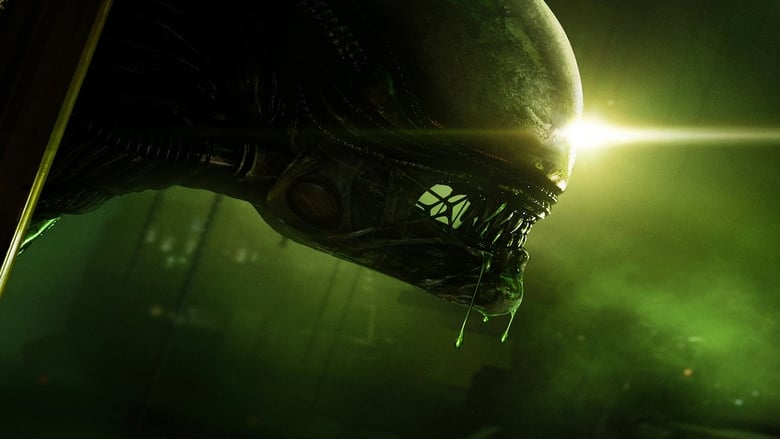
Alien
1979
-
Blade: Trinity
2004
-

World War Z
2013
-
Dracula Untold
2014
-
Teenage Mutant Ninja Turtles
1990
-
Universal Soldier
1992
-
Star Trek: Generations
1994