Bad Lieutenant
"One man’s hell is another man’s precinct."
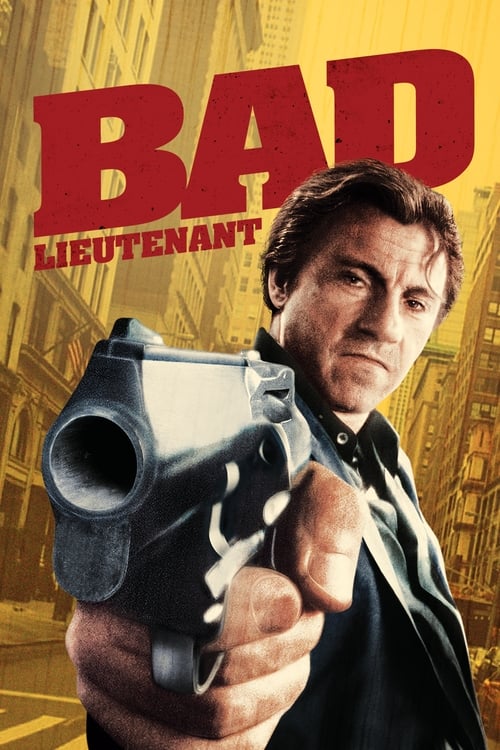
If you’re looking for the exact moment the 1990s independent film movement decided to stop playing nice, it’s probably buried somewhere in the back of a stolen precinct car with Harvey Keitel. Released in 1992, Bad Lieutenant didn't just push the envelope; it shredded it, set it on fire, and then asked for a hit of whatever was left in the ashes. I watched this most recently on a laptop with a slightly cracked screen while my neighbor was loudly arguing with a delivery driver about a missing side of ranch, and honestly, the ambient chaos of my apartment felt like the only appropriate way to consume Abel Ferrara’s polarizing study of spiritual rot.
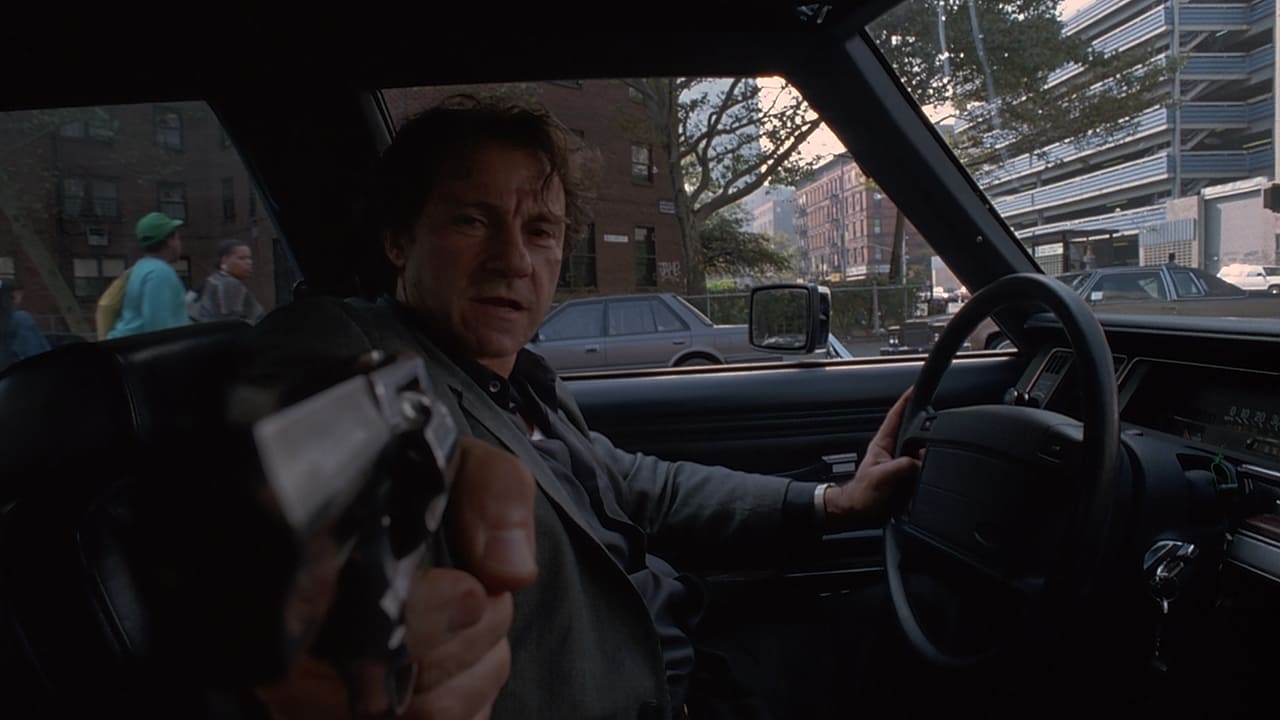
This isn't a "police procedural" in any sense that a Law & Order fan would recognize. It’s a high-wire act of absolute desperation. We follow a nameless New York City detective, played by Keitel at his most feral, as he snorts, gambles, and steals his way through a city that looks like it hasn't seen a sunrise since 1977. When a young nun is brutally raped in a church, the Lieutenant sees not a case to be solved, but a bizarre opportunity for a twisted kind of salvation—provided he can stop betting against the Dodgers long enough to find it.
Spiritual Collapse in the City of Dreams
The early 90s were a fascinating time for the "New York Movie." Before the city was polished into the luxury playground we see today, directors like Abel Ferrara were still capturing the grime of the pre-Giuliani era. Harvey Keitel’s performance here is legendary for a reason: it is entirely, terrifyingly unmasked. He isn't just "acting" high or "acting" conflicted; he’s vibrating with a level of self-loathing that feels dangerous to watch. Watching Keitel in this movie is like watching a car crash in slow motion where you’re secretly rooting for the car.
There is a sequence in a church where the Lieutenant finally breaks down, howling at an apparition of Christ, that remains one of the most uncomfortable things ever committed to 35mm. It’s the kind of performance that reminded me why Keitel was the king of the indie renaissance. While his work in Quentin Tarantino's Reservoir Dogs (released the same year) showed his cool-headed authority, Bad Lieutenant showed his willingness to be pathetic, ugly, and exposed.
The $1 Million Exorcism
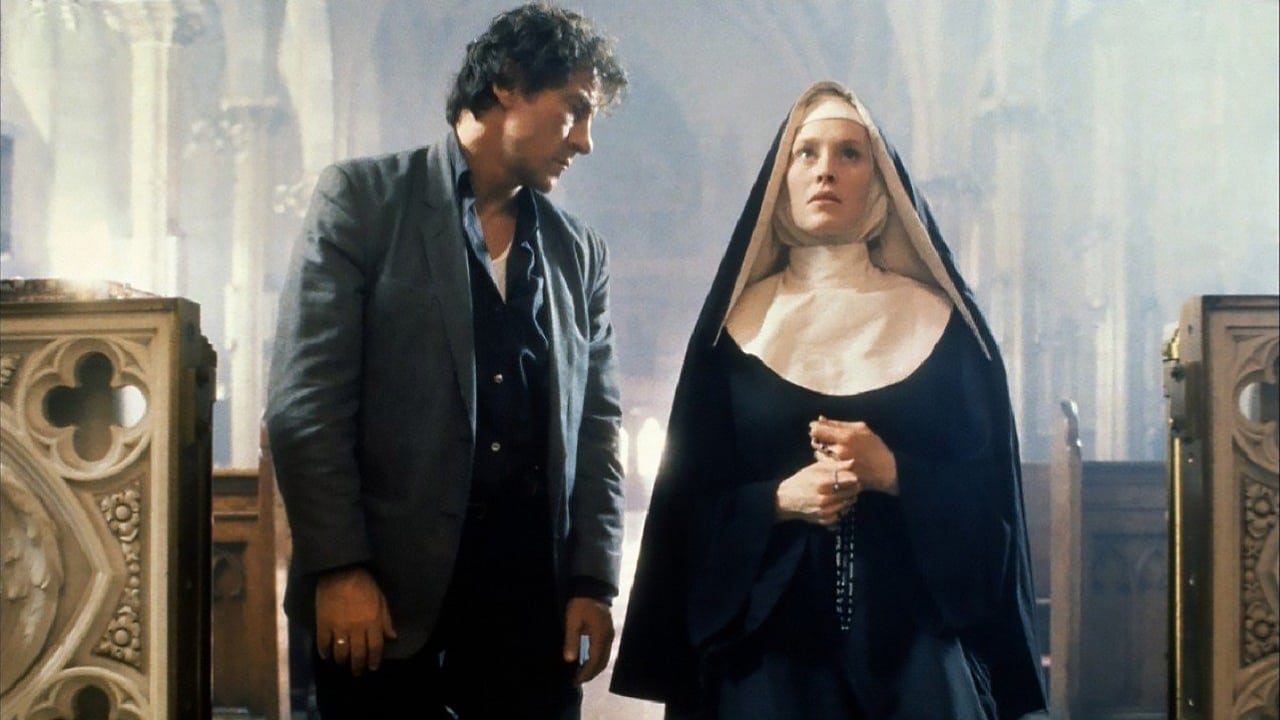
Looking back, the production of this film is a masterclass in indie resourcefulness. Shot on a shoestring budget of about $1 million, Ferrara and cinematographer Ken Kelsch turned the limitations of their bank account into a stylistic virtue. The film feels handheld, immediate, and painfully real. They didn't have the budget for massive lighting rigs, so they used the harsh, yellow glow of NYC streetlights and the oppressive shadows of cramped apartments. It’s an aesthetic that would later influence the "gritty" reboot era of the 2000s, but here it isn't a filter—it's just what they could afford.
The screenplay, co-written by Ferrara and the late Zoë Lund (who also appears in the film as the woman who helps the LT shoot up), is obsessed with Catholic guilt. It’s a heavy, heady mix of narcotics and New Testament theology. Interestingly, the Mets vs. Dodgers playoff series that plays on the radio throughout the film—a constant source of the LT’s escalating gambling debts—was actually the 1988 NLCS. In the logic of the film, time is a blur of addiction; the specific year doesn't matter as much as the looming threat of the next "big game."
The Legacy of the NC-17 Blues
Before the era of streaming allowed us to watch anything at the click of a button, Bad Lieutenant was a "forbidden" title. It was famously slapped with an NC-17 rating, which was basically a death sentence for mainstream theatrical distribution at the time. However, this notoriety fueled its success in the burgeoning DVD culture of the late 90s. It became a rite of passage for film students and indie-heads to track down the "unrated" version.
The film's score by Joe Delia, featuring the haunting, recurring track "Pledging My Love," creates a strange, romantic irony against the backdrop of such intense depravity. It’s these small, artistic flourishes that prevent the movie from being merely "misery porn." There is a genuine, albeit warped, heart beating beneath the LT's badge. This movie makes Uncut Gems look like a relaxing afternoon at a day spa, but it does so with a poetic sensibility that keeps you from looking away.
Bad Lieutenant is an essential artifact of early 90s nihilism that manages to find a sliver of grace in the gutter. It’s not an easy watch, and it certainly isn't "fun" in the traditional sense, but as a showcase for one of our greatest actors hitting an absolute career peak, it’s undeniable. If you have the stomach for a dive into the deep end of the human psyche, Abel Ferrara’s grimy little miracle is waiting for you. Just maybe skip the bodega bagel while you watch it.


Keep Exploring...
-

The Basketball Diaries
1995
-
Bound
1996
-
Ghost Dog: The Way of the Samurai
1999
-

Elephant
2003
-
Felon
2008
-

Blood and Bone
2009
-

Undisputed III: Redemption
2010
-
Irreversible
2002
-
This Is England
2007
-
Bronson
2009
-

Leviathan
2014
-

Kids
1995
-

Hard Eight
1997
-

Miller's Crossing
1990
-
The Godfather Part III
1990
-
Boyz n the Hood
1991
-
Cape Fear
1991
-
Thelma & Louise
1991
-
Glengarry Glen Ross
1992
-
A Bronx Tale
1993