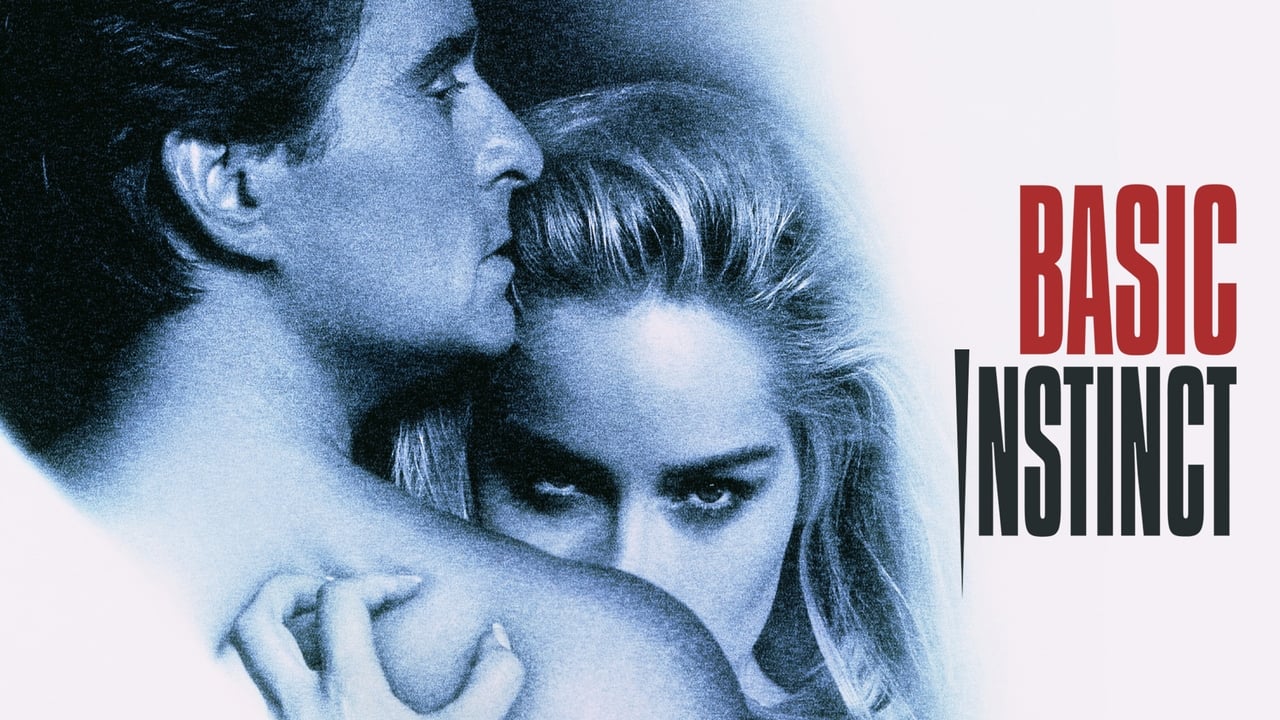
Basic Instinct
"Ice picks, white dresses, and the danger of the itch."

The 1990s had an absolute obsession with the "erotic thriller," a genre that has largely migrated to the depths of late-night streaming services today, but in 1992, it lived in the center of the cultural zeitgeist. Leading the charge was Basic Instinct, a movie so drenched in neon-noir aesthetics and taboo-shattering audacity that it managed to turn a simple interrogation room chair into the most famous piece of furniture in Hollywood history. I recently rewatched this on a hazy Sunday afternoon while my neighbor was leaf-blowing his driveway for three hours straight, and honestly, the suburban noise only heightened the film’s high-strung, frantic energy.
The $3 Million Gamble
Before a single frame was shot, Basic Instinct was already making headlines for its price tag. Screenwriter Joe Eszterhas sold the script for a then-record $3 million, a staggering amount that signaled the era of the "rockstar screenwriter." Looking back from our current landscape of endless IP and superhero sequels, there is something remarkably refreshing about a studio dropping forty-nine million dollars on an original, R-rated adult drama fueled by psychology and silk sheets.
Director Paul Verhoeven, fresh off the mechanical mayhem of RoboCop and Total Recall, brought a European sensibility to the project that felt dangerous to American audiences. He didn't just want to make a whodunnit; he wanted to make a "whocareswhodunnit" where the primary thrill was watching two deeply damaged people try to out-manipulate one another. Verhoeven’s style is never subtle—he paints in bold, primary colors of lust and violence—and that’s exactly why this holds up better than the dozens of pale imitations that followed.
The Ice Queen and the Burnout
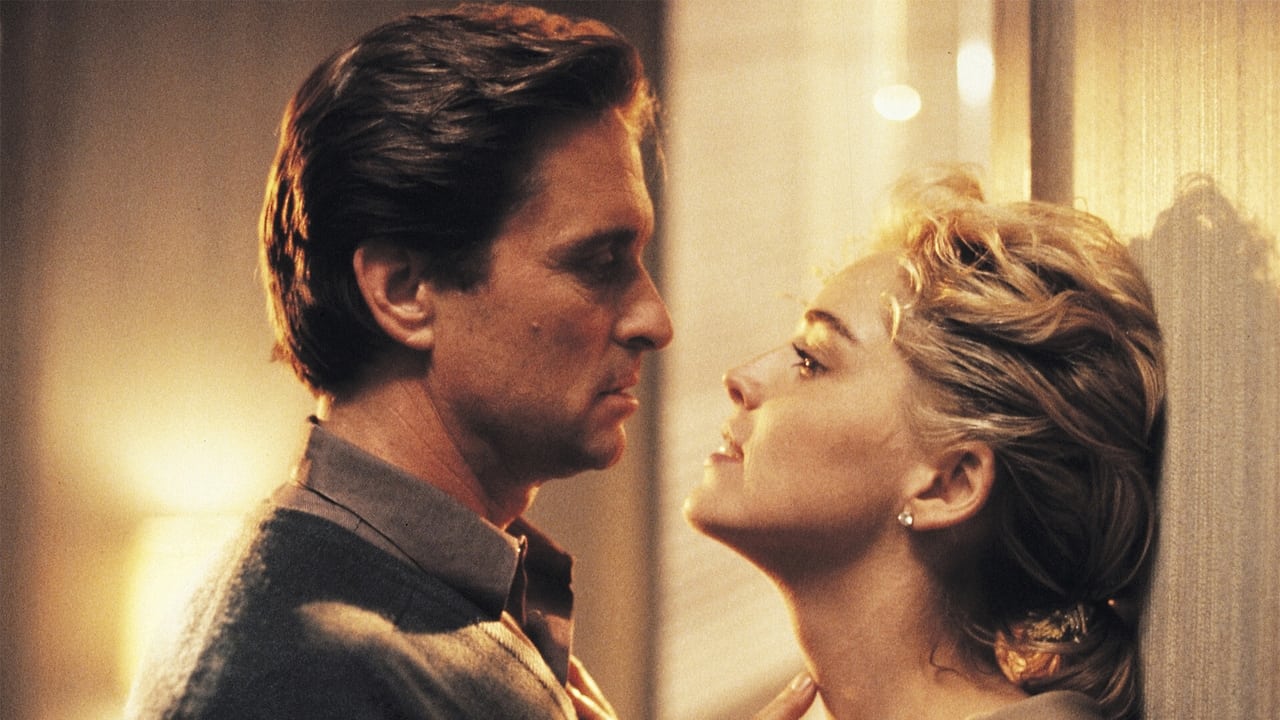
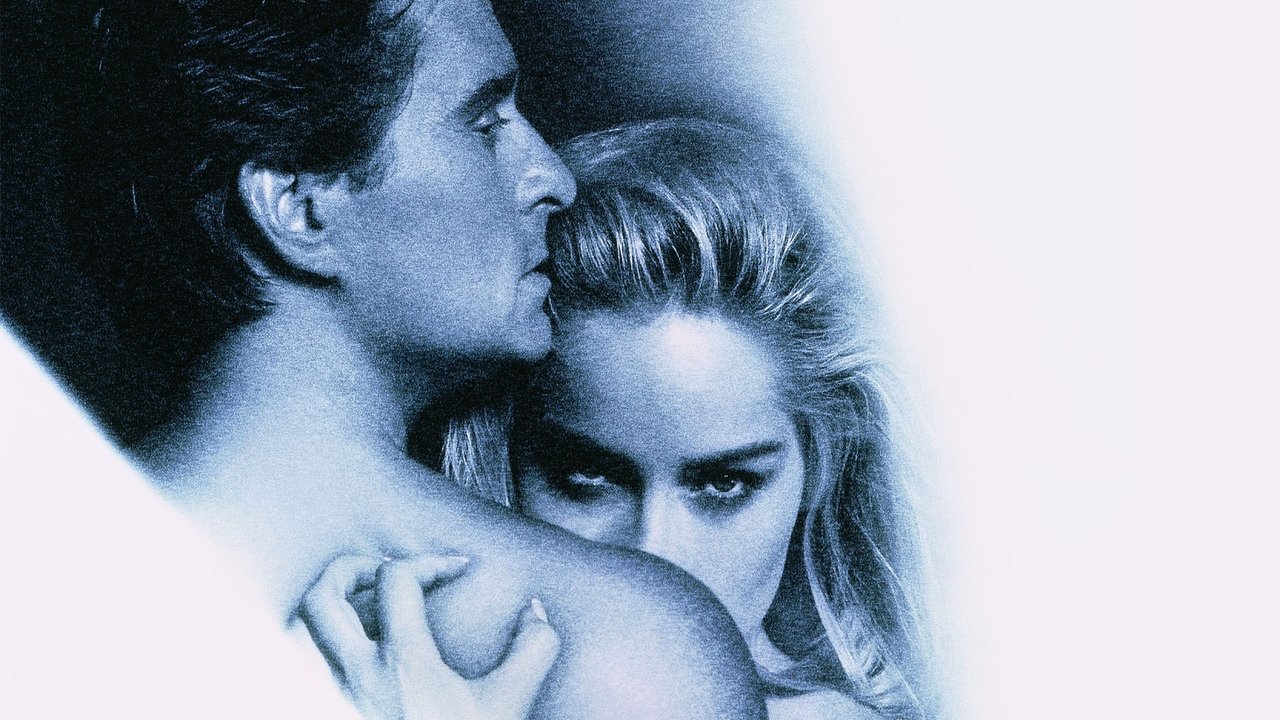
The film hinges entirely on the chemistry between its leads, and it’s a miracle the celluloid didn't melt. Michael Douglas was the undisputed king of the "men in crisis" subgenre (see also: Fatal Attraction and Disclosure), playing Detective Nick Curran with a sweaty, desperate edge. Nick Curran is essentially a walking mid-life crisis with a badge and a cocaine habit, and Douglas leans into the character’s unlikability with zero hesitation.
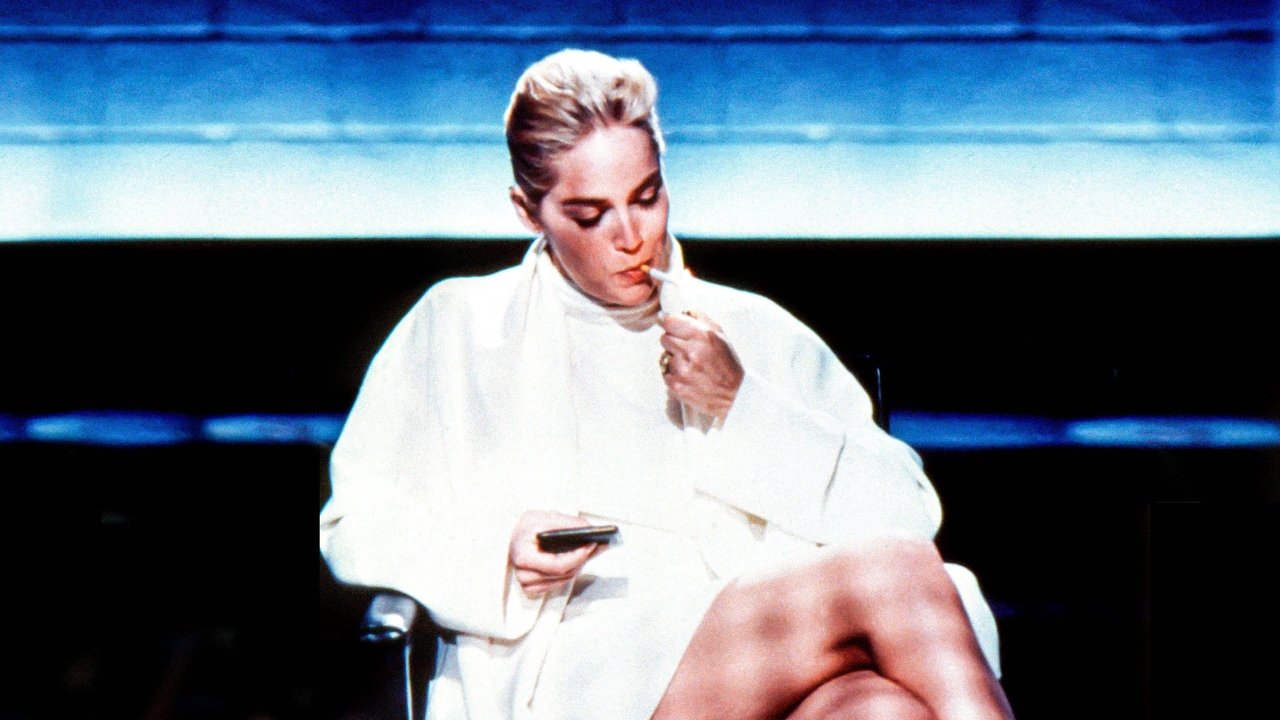
But the movie belongs to Sharon Stone. It is difficult to overstate how much of a supernova her performance was at the time. As Catherine Tramell, the billionaire novelist who might be a serial killer (or just enjoys pretending to be one), Stone is terrifyingly composed. While thirteen other A-list actresses reportedly turned down the role due to the nudity and the character’s "evil" nature, Stone grabbed it by the throat. She plays Catherine with a predatory intelligence that makes Nick look like a confused golden retriever. Watching her navigate the infamous interrogation scene, you aren't just looking at a femme fatale; you’re watching a masterclass in power dynamics where the person in the handcuffs is clearly the one in control.
Behind the Neon Glow
One thing that truly elevates Basic Instinct above its "trashy thriller" reputation is the sheer craft behind the camera. The film looks and sounds like a million bucks—or, more accurately, $352 million. The cinematography by Jan de Bont (who would go on to direct Speed) utilizes the San Francisco landscape to create a mood that is both expansive and claustrophobic. The way he lights the interior of Catherine’s beach house makes the Pacific Ocean look like a cold, inviting grave.
Then there is the score by Jerry Goldsmith. Eschewing the typical synthesizers of the early 90s, Goldsmith delivered a lush, orchestral soundtrack that feels like a direct homage to Bernard Herrmann’s work with Hitchcock. It gives the film a weight and a sense of timelessness. It tells you that even if the plot feels like a fever dream, the emotions are operatic.
The production wasn't without its friction, though. The film faced massive protests from LGBTQ+ activist groups at the time, who were rightfully concerned about the portrayal of queer characters as murderous psychopaths. Viewed through a modern lens, the film’s "everyone is a predator" philosophy is definitely a relic of a more cynical, less sensitive era of filmmaking. However, within the context of Verhoeven’s filmography, it fits his recurring theme that human nature is inherently messy, selfish, and driven by base impulses.
Why It Still Bites
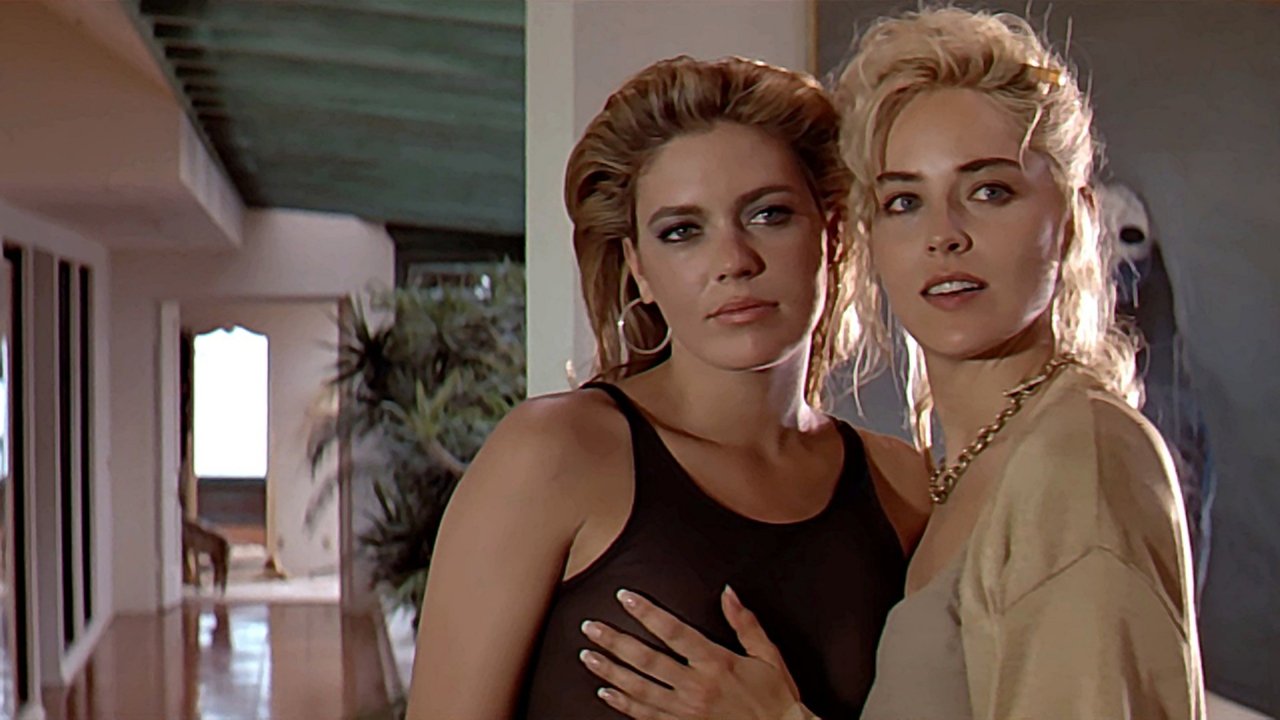
So, what makes it worth those five minutes of your time today? It’s the sheer confidence of the execution. Basic Instinct doesn't blink. Whether it’s the brutal opening murder involving a silver ice pick or the twisting, turning finale, the film moves with the precision of a Swiss watch.
It also captures a specific moment in Hollywood history—the "Modern Classic" transition where practical effects and high-gloss film stock reigned supreme. There’s no CGI to distract you here; just two actors, a tight script, and a director who wants to make you uncomfortable. It’s a reminder that before movies became obsessed with saving the world, they were quite happy just exploring the dark corners of a single, dangerous bedroom.
Ultimately, Basic Instinct remains the gold standard for the high-gloss thriller. It’s over-the-top, occasionally ridiculous, and shamelessly provocative, but it’s never boring. It’s a film that understands that the most effective special effect in cinema isn't a digital explosion—it’s the look on a character's face when they realize they’ve walked into a trap they have no intention of escaping. If you can handle the heat, it's still a hell of a ride.
Wait, did she actually do it? Even after thirty years, the answer still feels like a dare.
Keep Exploring...
-

The Firm
1993
-
Ghost
1990
-
In the Line of Fire
1993
-
The Net
1995
-
Twelve Monkeys
1995
-
Primal Fear
1996
-
I Know What You Did Last Summer
1997
-

The Game
1997
-
Total Recall
1990
-

Starship Troopers
1997
-
Disclosure
1994
-
The Others
2001
-

Mystic River
2003
-
The Grudge
2004
-
Disturbia
2007
-
Limitless
2011
-
Unknown
2011
-
The Maze Runner
2014
-
Don't Say a Word
2001
-

Traffic
2000