Batman Returns
"The night belongs to the freaks."
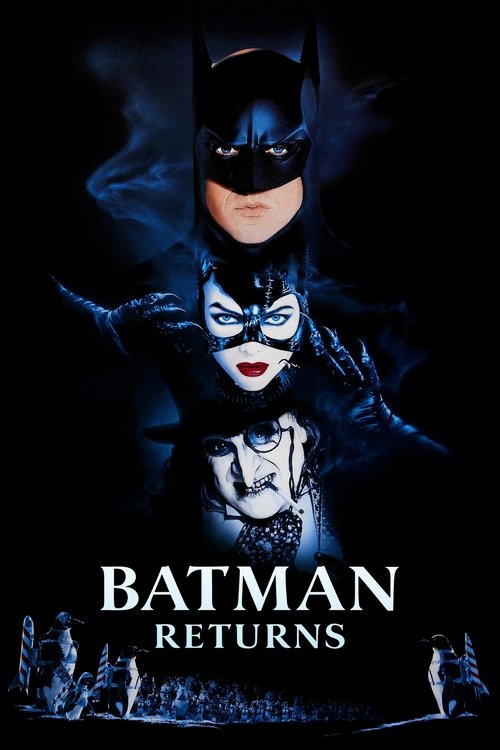
Most superhero sequels try to go bigger, but Tim Burton decided to go weirder. After the world-conquering success of 1989’s Batman, Warner Bros. gave the director a blank check and total creative control, likely expecting more of the same gothic heroism. Instead, Burton delivered a kinky, melancholic, and deeply grotesque fairy tale that felt less like a comic book and more like a German Expressionist fever dream. I revisited this recently on a rainy Tuesday afternoon while drinking a cherry soda that had gone slightly flat, and honestly, the lack of carbonation suited the film’s damp, sewer-drenched atmosphere perfectly.
A Gotham of Practical Wonders
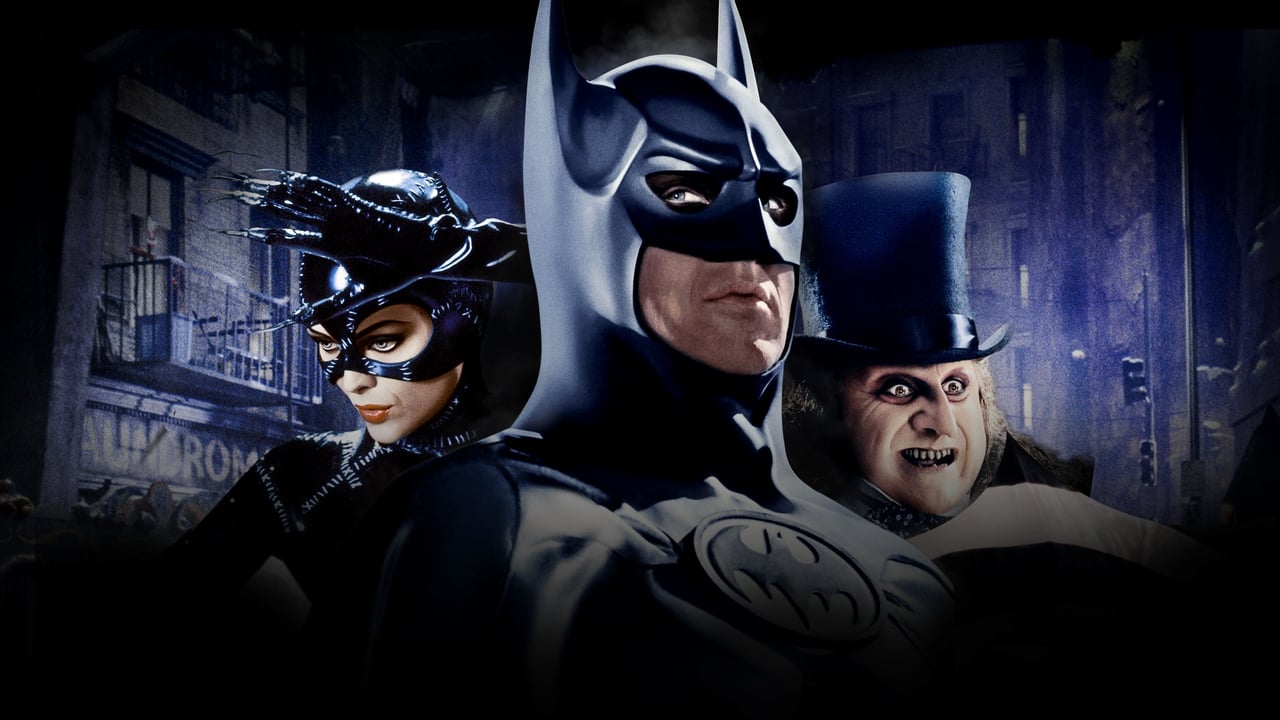
Looking back from our era of green-screen marathons and weightless CGI, Batman Returns feels like a monumental achievement in practical craft. This was the tail end of the era where "building a world" meant literally building it. The Gotham City sets, designed by Bo Welch (who also worked on Edward Scissorhands), are staggering. They aren't meant to look like New York or Chicago; they are oppressive, fascist-deco monoliths that feel like they’re leaning in to crush the characters.
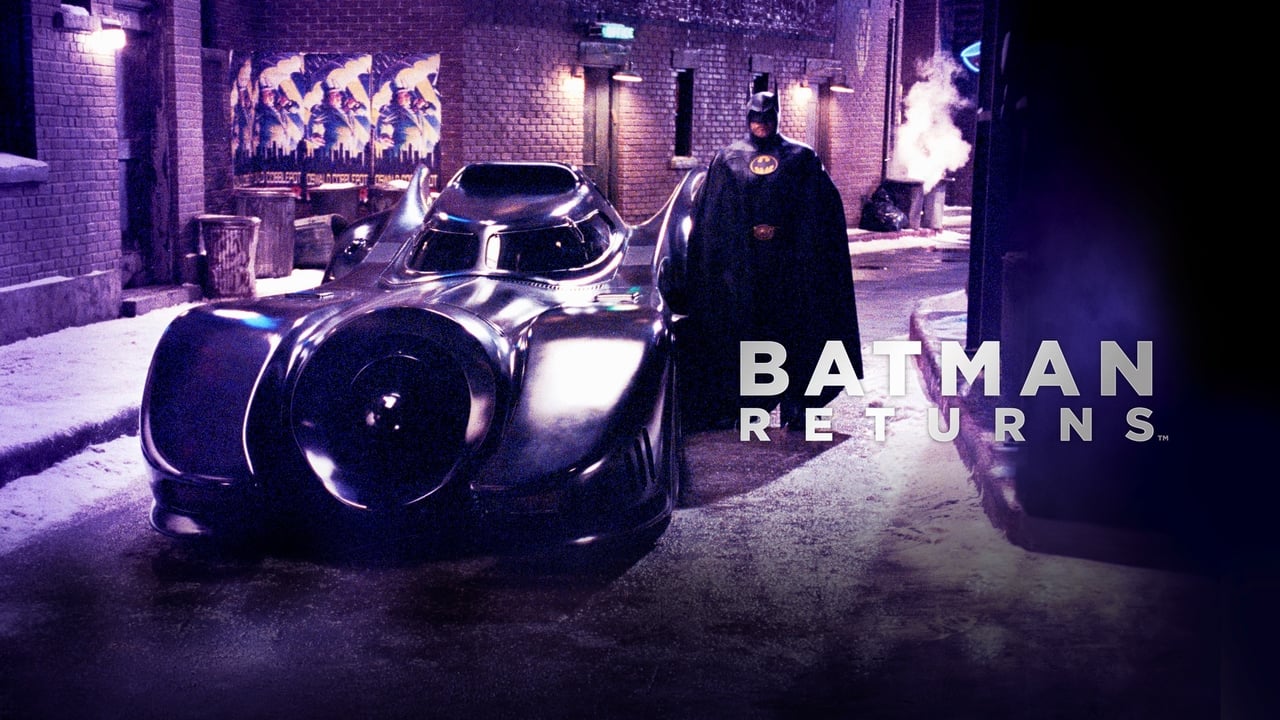
There is a physical weight to everything here that modern blockbusters often lack. When the Batmobile—still the best-looking version of the car, in my humble opinion—tears through the streets, you can feel the heavy steel and the smell of exhaust. Stefan Czapsky’s cinematography treats the film like a black-and-white movie that just happens to have a few other colors leaked into it. It’s all shadows, snow, and black bile. Even the action, though sometimes clunky by today’s hyper-choreographed standards, has a messy, tactile grit. When Michelle Pfeiffer’s Catwoman backflips across a rooftop, there’s a sense of danger that no digital double can quite replicate.
The Freak Show Trinity
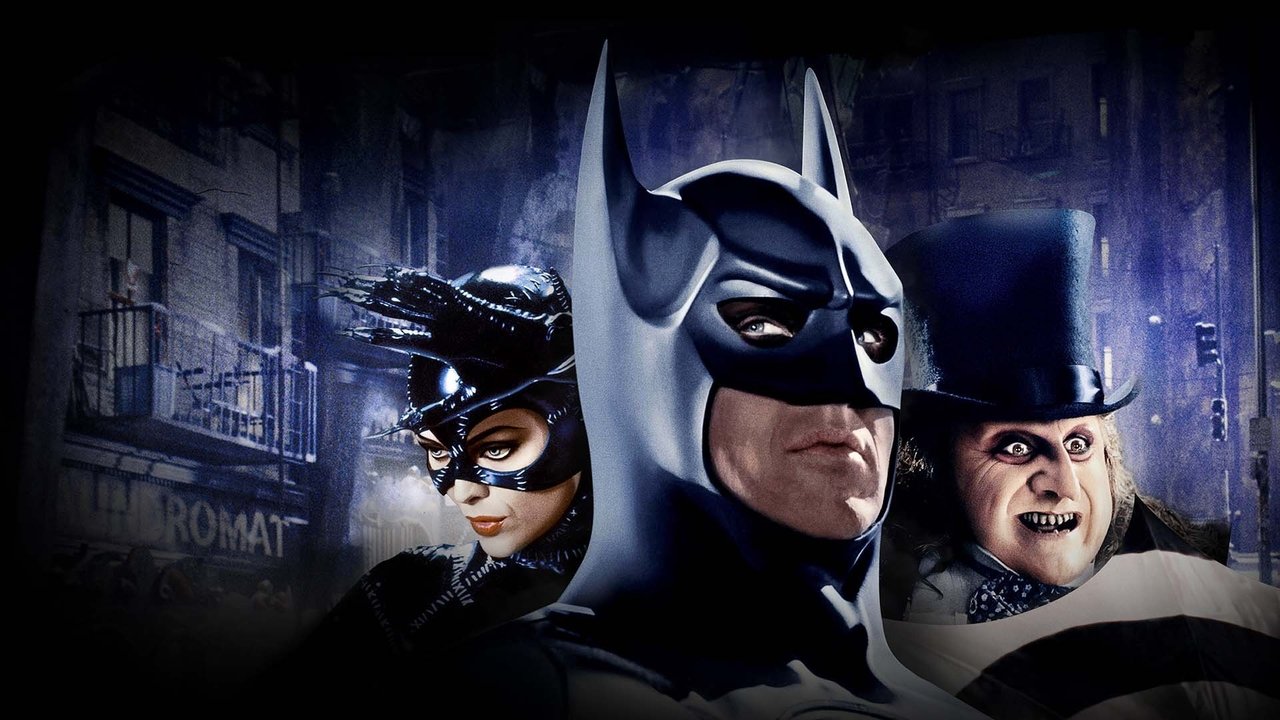
The film’s biggest gamble—and the reason it remains so divisive—is its treatment of its characters. Michael Keaton remains the definitive Bruce Wayne for me because he plays the billionaire as someone who is clearly just as broken as the villains he fights. He spends half the movie staring out of windows, waiting for the signal. But let’s be real: Batman is essentially a supporting character in his own freak show.
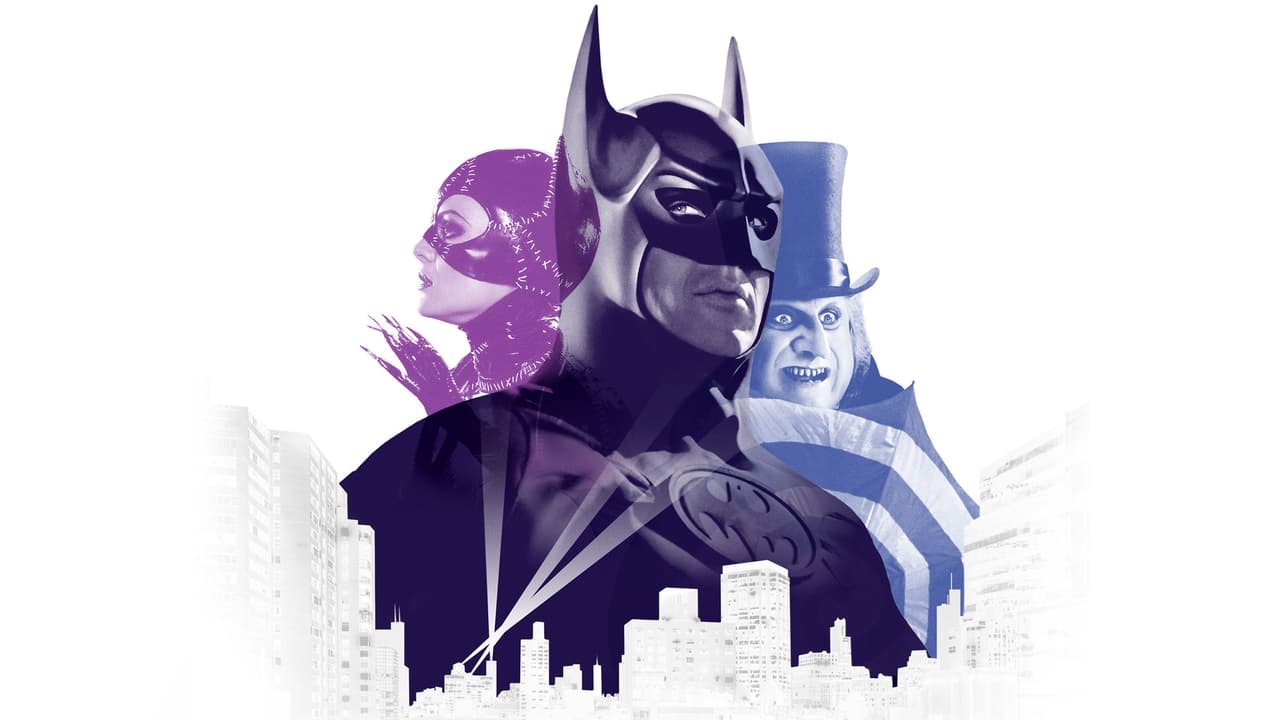
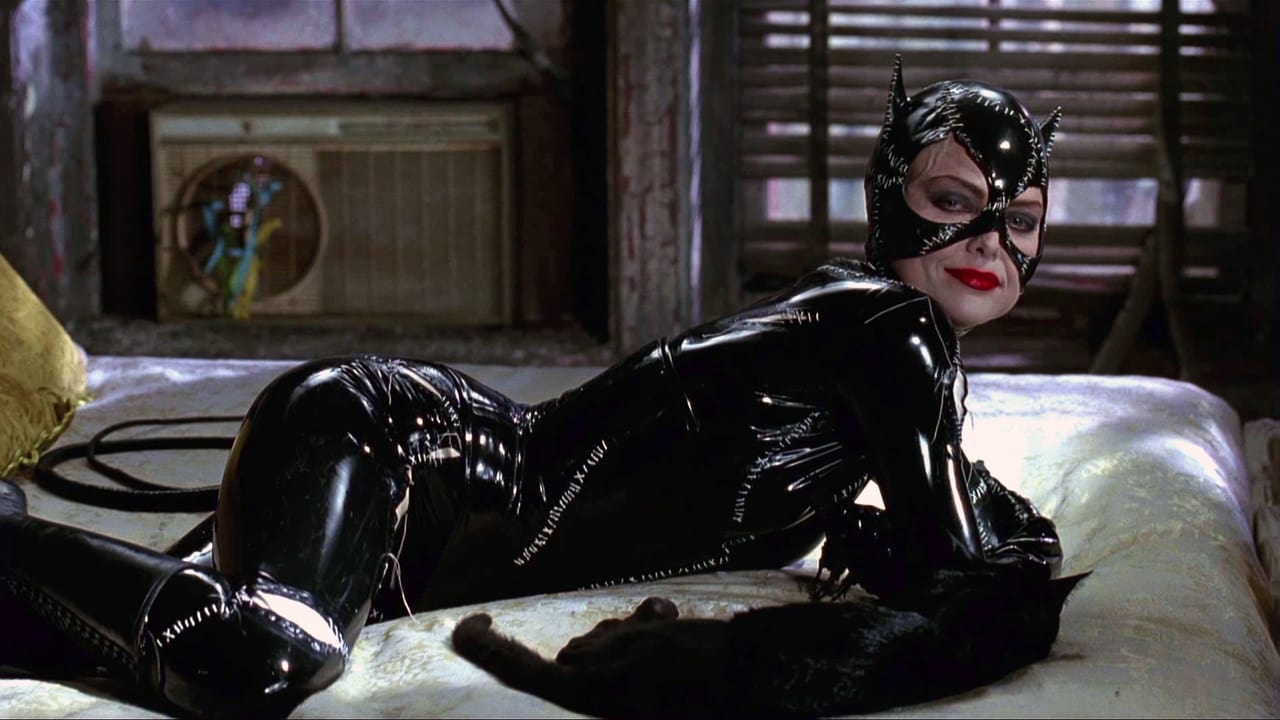
The movie belongs to the villains. Danny DeVito’s Oswald Cobblepot isn't the sophisticated mobster from the comics; he’s a literal bird-man raised by penguins, oozing black liquid and biting people's noses. It’s a repulsive, fearless performance that probably wouldn’t be allowed in a "four-quadrant" blockbuster today. Then there’s Michelle Pfeiffer. Her transformation from the mousy Selina Kyle to Catwoman is the stuff of cinema legend. The way she moves, the way she uses her whip, and that vacuum-sealed latex suit—which apparently required her to be powdered down and squeezed in like a human sausage—created an icon that hasn’t been topped since.
And we can't forget Christopher Walken as Max Shreck. With hair that looks like it was styled by an electrocuted poodle, Walken plays the "real" villain—the corporate monster who doesn't need a mask to be terrifying. His presence adds a layer of satire about city politics that feels surprisingly sharp today.
The Great Happy Meal Controversy
It’s hard to overstate how much of a cultural phenomenon this movie was in 1992, but for all the wrong reasons for the studio. Warner Bros. had a massive tie-in deal with McDonald’s, and parents were horrified when they took their kids to see a "superhero movie" only to find a scene where a penguin-man contemplates murdering the first-born sons of Gotham. The backlash was so intense it effectively ended the Burton era of Batman, leading to the neon-soaked toy commercials of the mid-90s.
But that’s exactly why Batman Returns has aged so well. It represents a brief window in time when a major studio allowed a weirdo artist to make a $80 million personal art film under the guise of a franchise. The score by Danny Elfman is his absolute peak, trading the heroic fanfare of the first film for something much more operatic and tragic. It’s a Christmas movie for people who find the holidays lonely and strange. While the pacing can be a bit shaggy and the plot about a mayoral election is arguably the least interesting part of the script by Daniel Waters (the genius behind Heathers), the sheer vibe of the film carries it through.
This isn't just a movie; it's a mood. It captures that transition in the early 90s where practical effects were at their absolute peak of sophistication right before the digital revolution changed the texture of movies forever. It’s dark, it’s kinky, it’s sad, and it’s unapologetically itself. If you’re tired of the "formula" that governs modern caped-crusader flicks, go back to the sewers of 1992 Gotham. It’s much more interesting down there.
Keep Exploring...
-
Batman
1989
-

Mars Attacks!
1996
-
Sleepy Hollow
1999
-
Charlie and the Chocolate Factory
2005
-
Alice in Wonderland
2010
-

Dark Shadows
2012
-
Beetlejuice Beetlejuice
2024
-
Edward Scissorhands
1990
-
Corpse Bride
2005
-
The Mummy
1999
-
The Mummy Returns
2001
-
Big Fish
2003
-
Pirates of the Caribbean: The Curse of the Black Pearl
2003
-

Night at the Museum
2006
-

Pirates of the Caribbean: Dead Man's Chest
2006
-
Pirates of the Caribbean: At World's End
2007
-
Hancock
2008
-
Avatar
2009
-

Immortals
2011
-

Puss in Boots
2011