Beethoven
"185 pounds of fur, slobber, and suburban chaos."
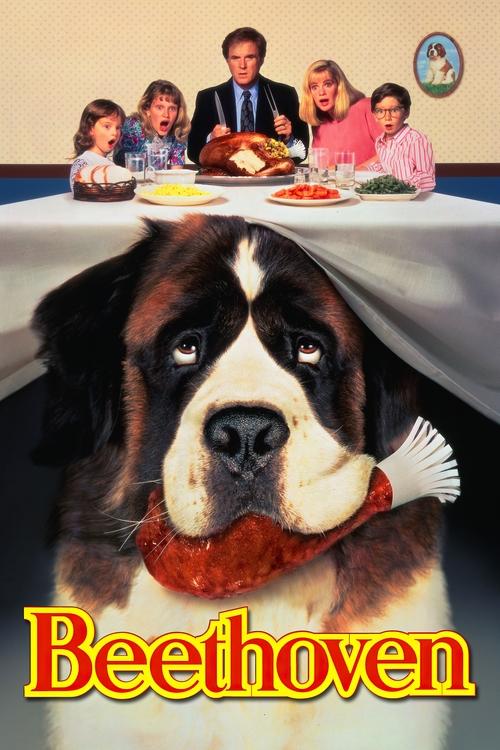
If you want to understand the sheer, unadulterated stress of 1990s fatherhood, you don’t look at a documentary; you look at Charles Grodin’s face in Beethoven. There is a specific twitch in his left eye—a rhythmic pulsing of pure, suburban agony—that occurs every time a gallon of St. Bernard saliva hits his dry-cleaned suit. I watched this again recently while trying to assemble a flat-pack bookshelf, and the sight of Grodin’s despair actually made my struggle with an Allen wrench feel weirdly manageable.
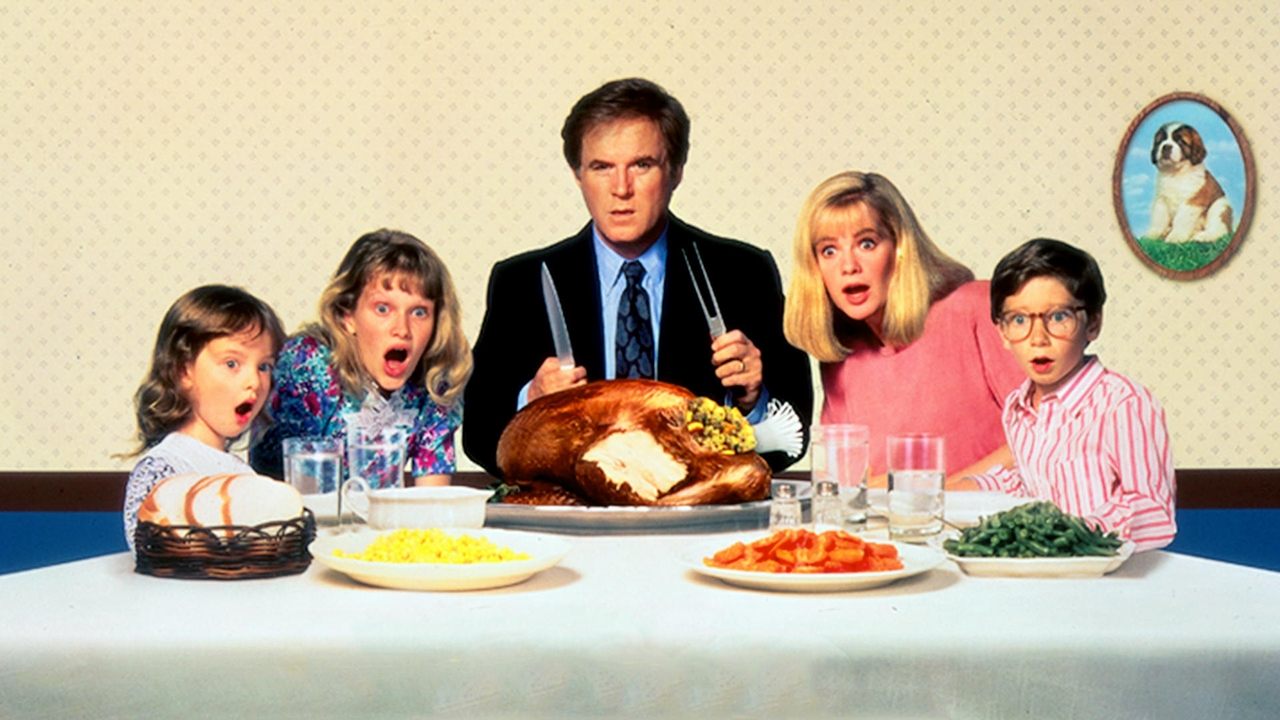
Released in 1992, Beethoven arrived at the perfect intersection of John Hughes’ obsession with the "perfect" American family and the era’s fascination with large animals destroying expensive real estate. While Brian Levant directed, the script actually bears the fingerprints of Hughes (writing under the pseudonym Edmond Dantès), and you can feel it. It’s got that cozy, oversized suburban house, the distinct hierarchy of siblings, and a father who is one spilled juice box away from a total existential collapse.
The Grodin Factor
Let’s be honest: without Charles Grodin, this is just another "dog does a mischief" movie. Grodin was a comedic genius of the "slow-burn" variety. As George Newton, he isn't a villain; he’s just a guy who likes his floors clean and his life predictable. Charles Grodin’s facial expressions are the only special effects this movie actually needed. He treats the arrival of the tiny puppy like a Trojan Horse, and he’s eventually proven right when that puppy explodes into 185 pounds of slobber-launching fur.
Playing opposite him is Bonnie Hunt as Alice Newton, and she is the secret weapon of the film. Most "mom" roles in 90s family comedies were thankless, but Hunt brings a dry, effortless wit that balances Grodin’s neurotic energy. They feel like a real couple who actually like each other, which makes the dog-related friction feel more grounded and less like a sitcom trope. When they’re dealing with the kids—played with earnest 90s charm by Nicholle Tom, Christopher Castile, and Sarah Rose Karr—the family dynamic actually sticks.
A Villain from a Different Movie
Then there is the tonal shift. While the first two-thirds of the film are a masterclass in slapstick and property damage, the final act pivots into a weirdly dark thriller. Enter Dean Jones as Dr. Varnick. For those of us who grew up on old Disney tapes, seeing the hero of The Love Bug and The Ugly Dachshund playing a sociopathic veterinarian who moonlights as an illegal arms dealer for animal testing was a genuine shock.
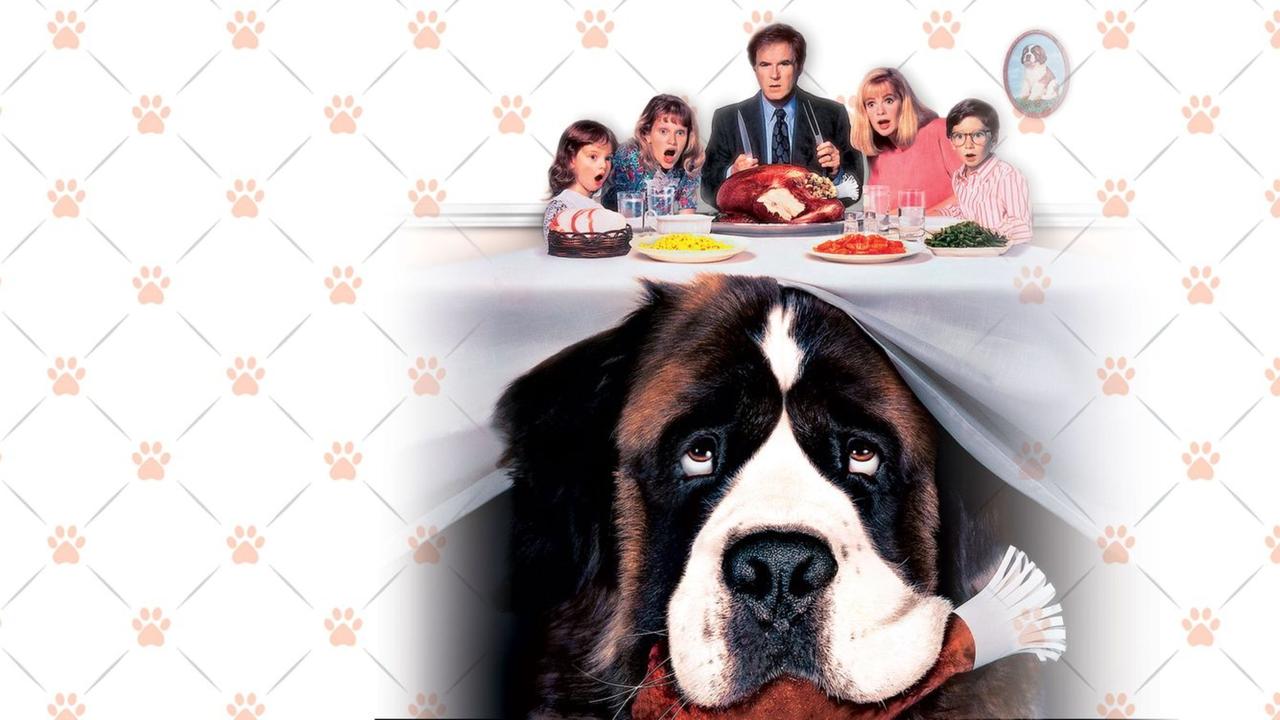
The vet’s plan is weirdly intense for a movie where a dog eats a Thanksgiving turkey. He’s not just a mean guy; he’s a mustache-twirling villain who wants to use a high-caliber handgun to test "ammo-resistant" dog skulls. It’s a jarring jump from "Oh no, the dog jumped on the bed!" to "We must infiltrate an industrial warehouse to stop a canine execution." But somehow, in the logic of early 90s cinema, it works. It raises the stakes enough to turn George Newton from a disgruntled pet-hater into a genuine hero.
The Stuff You Didn't Notice
Looking back, the movie is a time capsule of "Before They Were Famous" cameos. Keep your eyes peeled and you’ll spot a young David Duchovny and Patricia Heaton as a pair of slimy corporate yuppies trying to swindle George. It’s hilarious to see Fox Mulder himself being outsmarted by a St. Bernard in a sequence involving a runaway leash and a very expensive patio set.
The dog himself, a pro named Chris, was trained by Karl Lewis Miller, the same man who trained the terrifying hounds in Cujo. It’s a testament to Miller’s skill that he could take the same breed that haunted the dreams of Stephen King readers and turn it into the ultimate lovable oaf. Apparently, Chris was so good at his job that he did most of his own stunts, including the scenes where he had to act "sad"—which mostly involved a lot of heavy sighing and soul-piercing puppy dog eyes that I’m convinced were practiced in a mirror.
The Legacy of the Slobber

While Beethoven spawned a franchise that eventually drifted into direct-to-video obscurity (we don't talk about Beethoven’s Christmas Adventure in polite company), the original holds up remarkably well. It doesn't rely on the hyper-kinetic CGI that ruined later animal movies. When the dog shakes and mud flies everywhere, that’s real mud. When Grodin looks like he’s about to cry because his house smells like wet fur, you feel that in your soul.
The film captures a specific "Modern Cinema" transition—the death of the practical family comedy. It’s a movie that trusts its lead actor's timing more than its editing pace. It's not trying to be a "masterpiece of the human condition"; it just wants to show you a very large dog doing very large things. And honestly? In a world of complex cinematic universes, there’s something deeply refreshing about a movie where the biggest problem is a St. Bernard who thinks he’s a lap dog.
If you haven't seen this since you were a kid, it’s worth a revisit just to appreciate Grodin’s performance. He transforms what could have been a generic "grumpy dad" into a high-art study of suburban frustration. It’s funny, it’s heartwarming in a non-sappy way, and it features some of the best physical comedy of the early 90s. Just maybe don't watch it if you’ve just had your carpets professionally cleaned.

Keep Exploring...
-
Beethoven's 2nd
1993
-
Jingle All the Way
1996
-
Are We There Yet?
2005
-
The Spy Next Door
2010
-
Dennis the Menace
1993
-
Last Action Hero
1993
-
101 Dalmatians
1996
-
Mr. Peabody & Sherman
2014
-
Flubber
1997
-
Antz
1998
-
Stuart Little
1999
-
How the Grinch Stole Christmas
2000
-
Stuart Little 2
2002
-
The Haunted Mansion
2003
-
Lemony Snicket's A Series of Unfortunate Events
2004
-

Mulan II
2004
-

The Lion King 1½
2004
-
Chicken Little
2005
-
Sky High
2005
-

Flushed Away
2006