Bram Stoker's Dracula
"Behold the man who crossed oceans of time."
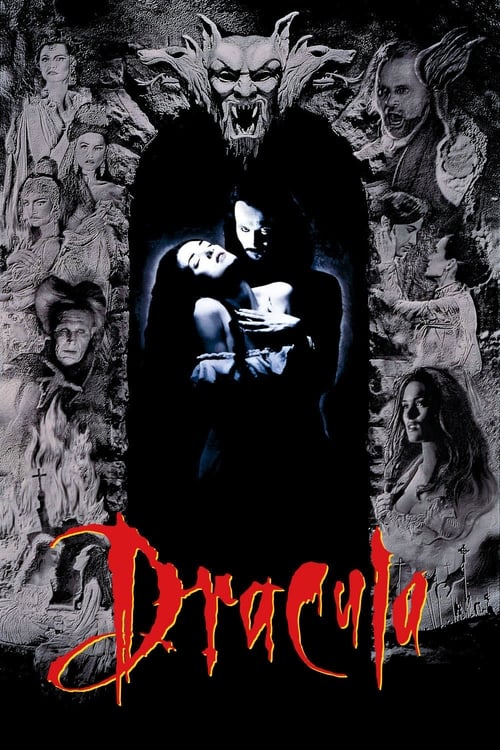
I remember watching this for the first time on a grainy VHS in a basement that smelled faintly of damp laundry and old dog. Even through the tracking lines and the low-res fuzz, the sheer, intoxicating vanity of Francis Ford Coppola’s vision felt like it was going to bleed right out of the television. Most directors in 1992 were salivating over the possibilities of the nascent CGI revolution—we were only a year away from Jurassic Park changing everything—but Coppola went the opposite direction. He fired his digital effects team and decided to make a $40 million blockbuster using the cinematic language of 1920.
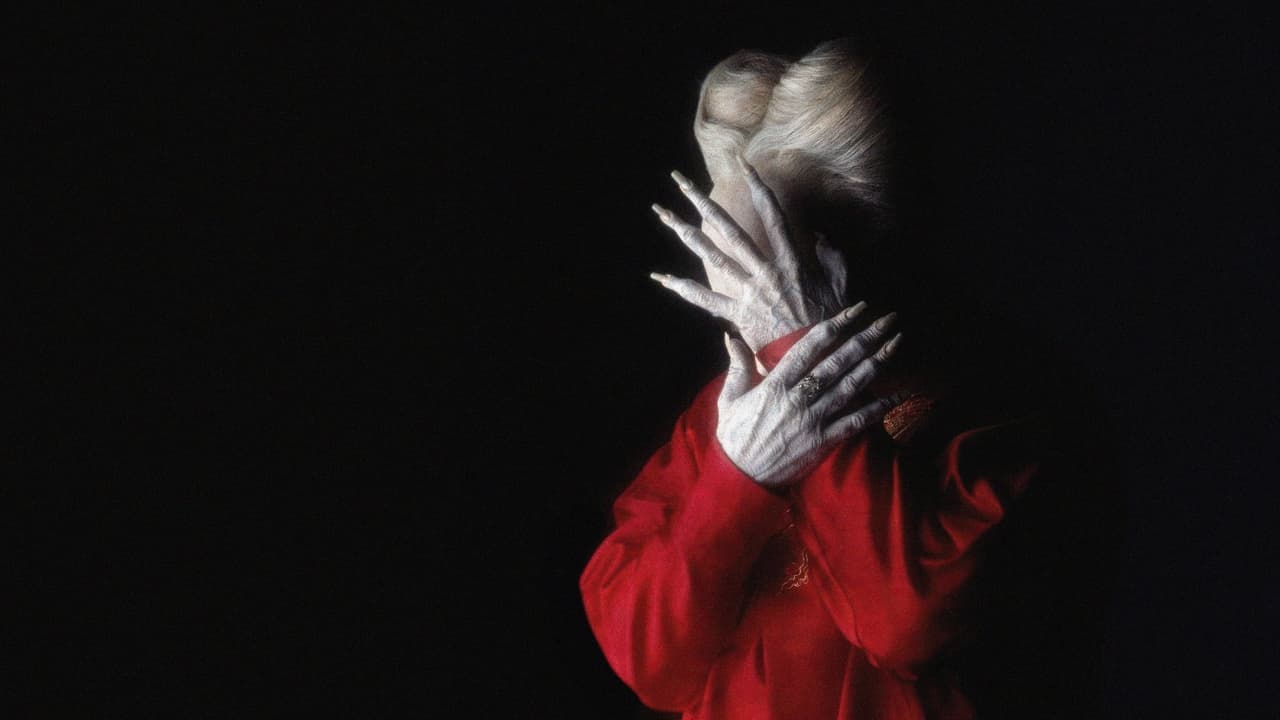
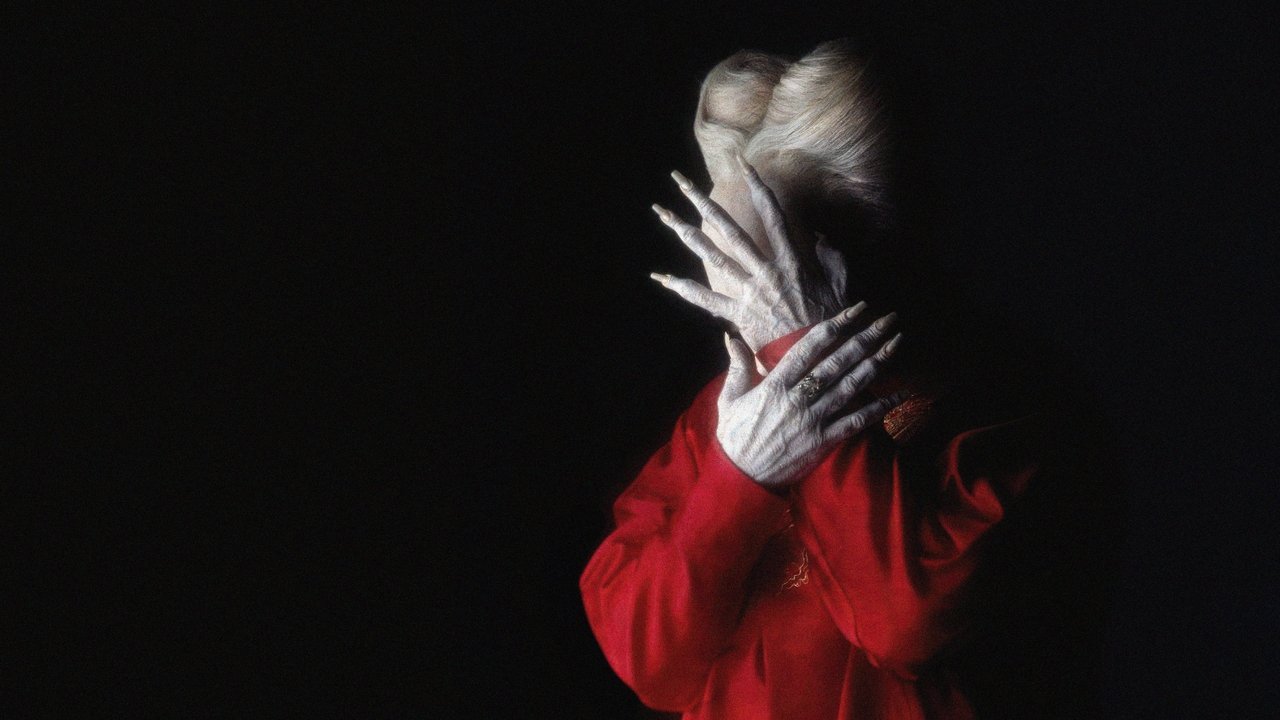
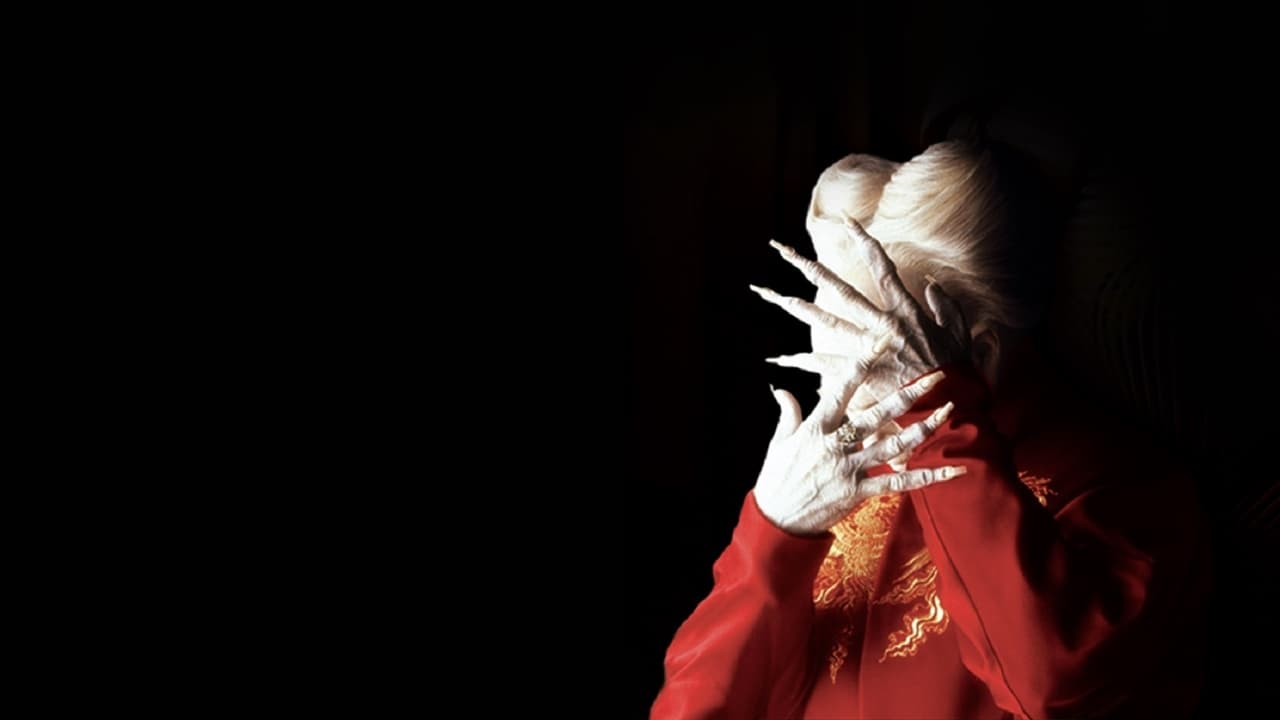
It was a staggering gamble that resulted in a film that looks like a fever dream directed by a magician. By relying on double exposures, matte paintings, and rear projection, Bram Stoker's Dracula bypasses the "uncanny valley" of early 90s computer graphics and lands squarely in a realm of timeless, Gothic expressionism. It feels handcrafted, heavy, and delightfully tactile.
The Shadow of the Count
At the center of this swirling vortex of silk and blood is Gary Oldman. Looking back at the early 90s, this was the era where Oldman was building his reputation as the ultimate chameleon. Here, he isn’t just playing a vampire; he’s playing a historical warlord, a withered man-bat, a dapper Victorian gentleman, and a literal wolf. He reportedly stayed in character throughout the shoot, which must have been exhausting for everyone else on set, but it pays off in a performance that is legitimately unsettling.
The way he moves is feline and predatory, but it’s his voice—that low, rumbling rasp—that anchors the movie’s darker themes. This isn’t the cartoonish "I vant to suck your blood" trope. This is a man whose grief has curdled into a supernatural grudge against God. When he tells Winona Ryder’s Mina Murray that he has "crossed oceans of time" to find her, you actually believe him. Oldman acts circles around the scenery until there’s nothing left but splinters.
Then, of course, we have to address the tea-drinking elephant in the room: Keanu Reeves. I love Keanu as much as the next person who grew up on The Matrix and John Wick, but his performance here as Jonathan Harker is a fascinating catastrophe. Listening to him attempt a posh British accent is like watching a golden retriever try to solve a Rubik's Cube. It’s earnest, it’s polite, and it’s completely out of its depth. However, in a weird way, his woodenness works. Harker is supposed to be the boring, repressed Victorian foil to the animalistic passion of the Count. Keanu is so stiff he’s practically architectural, which only makes Oldman’s performance feel more dangerous.
Blood is the Life
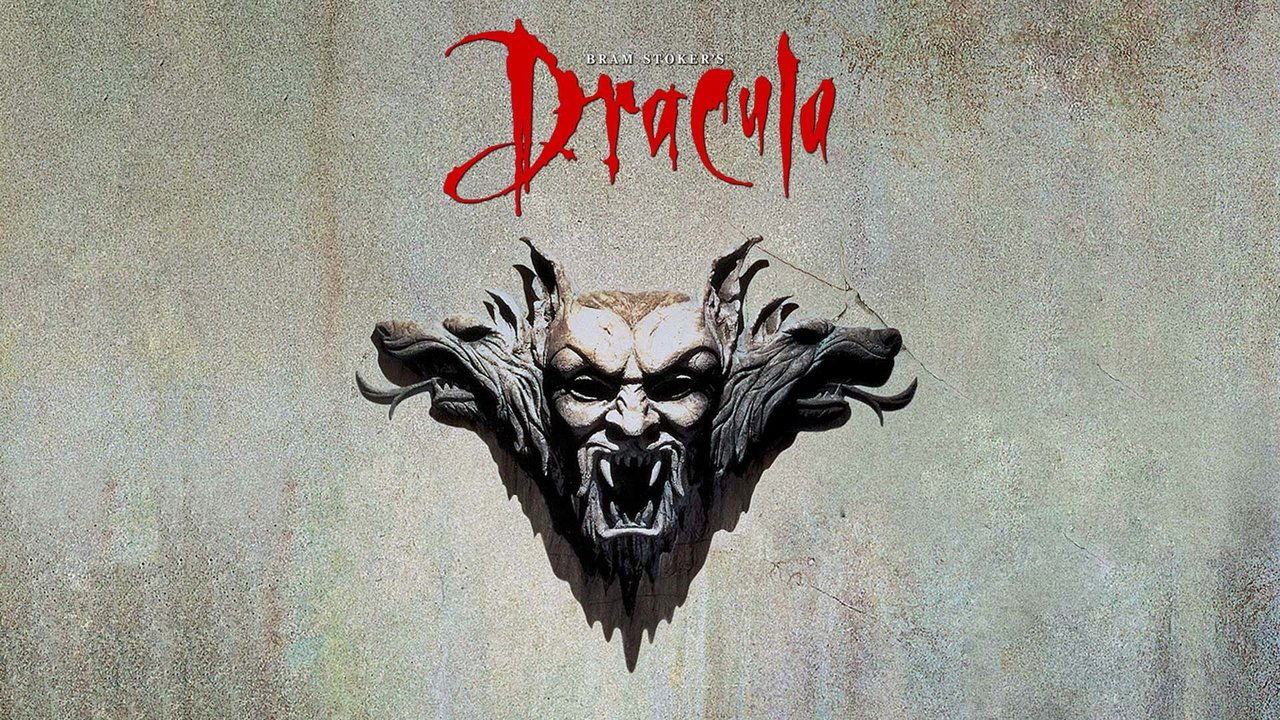
The production design by Thomas E. Sanders and the costumes by Eiko Ishioka are the real stars here. I once spent forty-five minutes trying to figure out how to fold a napkin to look like Dracula's red muscle-armor, and I still don't understand the physics of it. Ishioka’s work won an Oscar, and for good reason—she didn’t look at what people wore in the 1890s; she looked at what people might wear in a nightmare about the 1890s. The costumes don’t just clothe the actors; they define the geometry of the scenes.
Coppola’s insistence on "in-camera" effects gives the film a weight that modern horror often lacks. When Dracula’s shadow moves independently of his body, or when the carriage ride to the castle looks like a flickering silent film, there’s a sense of craftsmanship that invites you to lean in. It’s a film about the history of the medium as much as it is about vampires. The score by Wojciech Kilar (who also did brilliant work in The Pianist) is a thunderous, choral-heavy masterpiece that treats the story with the gravity of a Wagnerian opera. It’s loud, it’s proud, and it refuses to let you relax.
Looking back from our current era of "elevated horror" and sanitized franchise filmmaking, Dracula feels like a glorious anomaly. It’s a hard-R, big-budget studio film that is unashamedly weird. It features Anthony Hopkins as a borderline-manic Van Helsing who seems like he’s having the time of his life, and Sadie Frost delivering a genuinely terrifying, carnal performance as the doomed Lucy Westenra.
A Legacy Drenched in Red
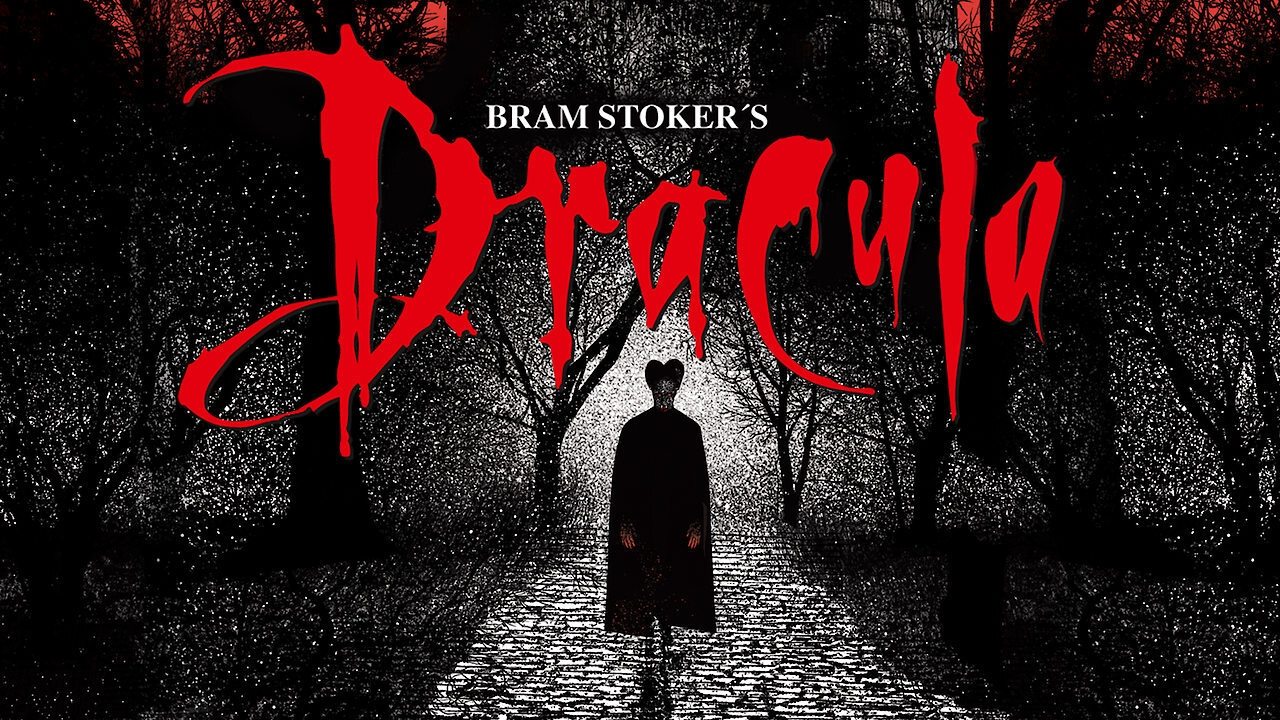
This film was a massive hit, raking in over $215 million worldwide, proving that audiences were hungry for something that felt "adult" and atmospheric. It launched a brief revival of the "prestige horror" subgenre (leading to the less successful Mary Shelley's Frankenstein in '94), but none of the imitators captured the same lightning in a bottle. Coppola’s Dracula succeeded because it understood that horror and romance are two sides of the same coin: both require a total surrender to emotion.
The film does have its flaws—the pacing in the London sections can get a bit breathless, and the plot occasionally gets lost in its own stylistic flourishes—but it never bores. Every frame is packed with detail, from the way the light hits a green bottle of absinthe to the grotesque makeup effects that still hold up beautifully today. It’s a movie that demands to be seen on the largest screen possible, preferably with a glass of something red nearby.
Ultimately, Bram Stoker's Dracula is a triumph of style over logic, and in the world of Gothic horror, that’s exactly how it should be. It’s a reminder of a time when a master director could take a massive studio budget and use it to build a personal, eccentric, and hauntingly beautiful monument to the power of the moving image. Even if you only watch it to see Gary Oldman lick a straight razor with menacing elegance, you’re in for a treat. Just try to ignore Keanu’s vowels and let the shadows wrap around you.
Keep Exploring...
-

Legends of the Fall
1994
-
Ghost
1990
-
Scream
1996
-
The English Patient
1996
-
The Rainmaker
1997
-
Black Swan
2010
-
The Godfather Part III
1990
-
Interview with the Vampire
1994
-
Warm Bodies
2013
-
Saw
2004
-
The Others
2001
-
Dawn of the Dead
2004
-
Zombieland
2009
-
The Conjuring
2013
-

Jacob's Ladder
1990
-
Wild at Heart
1990
-
The Last of the Mohicans
1992
-
Twin Peaks: Fire Walk with Me
1992
-
Batman: Mask of the Phantasm
1993
-
True Romance
1993