Buffy the Vampire Slayer
"High school is a real drain."
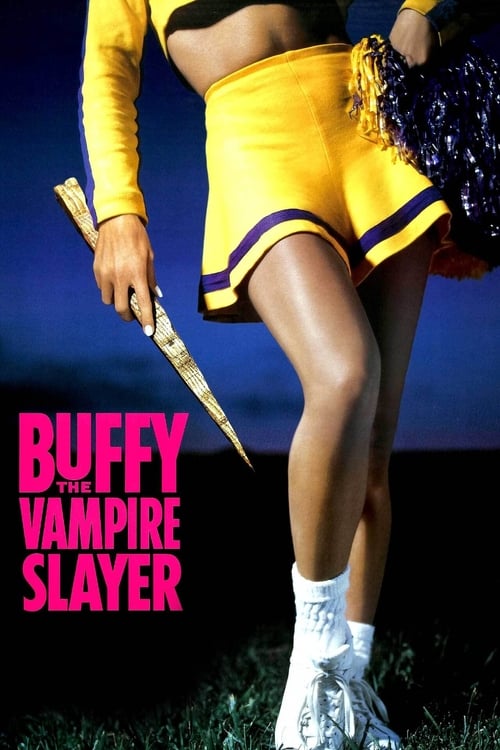
There is a specific, radioactive shade of neon pink that only existed between the years 1989 and 1993, and it seems to permeate every frame of the original Buffy the Vampire Slayer. Long before Sarah Michelle Gellar brought a weighted, existential dread to the role on the small screen, Kristy Swanson was busy turning the "Chosen One" trope into a mall-crawling, bubblegum-snapping exercise in Valley Girl empowerment. I remember watching this on a rain-slicked Tuesday afternoon while nursing a bowl of lukewarm Ramen, and honestly, the film’s sheer, unadulterated commitment to being "too cool for school" was the exact medicine I needed.
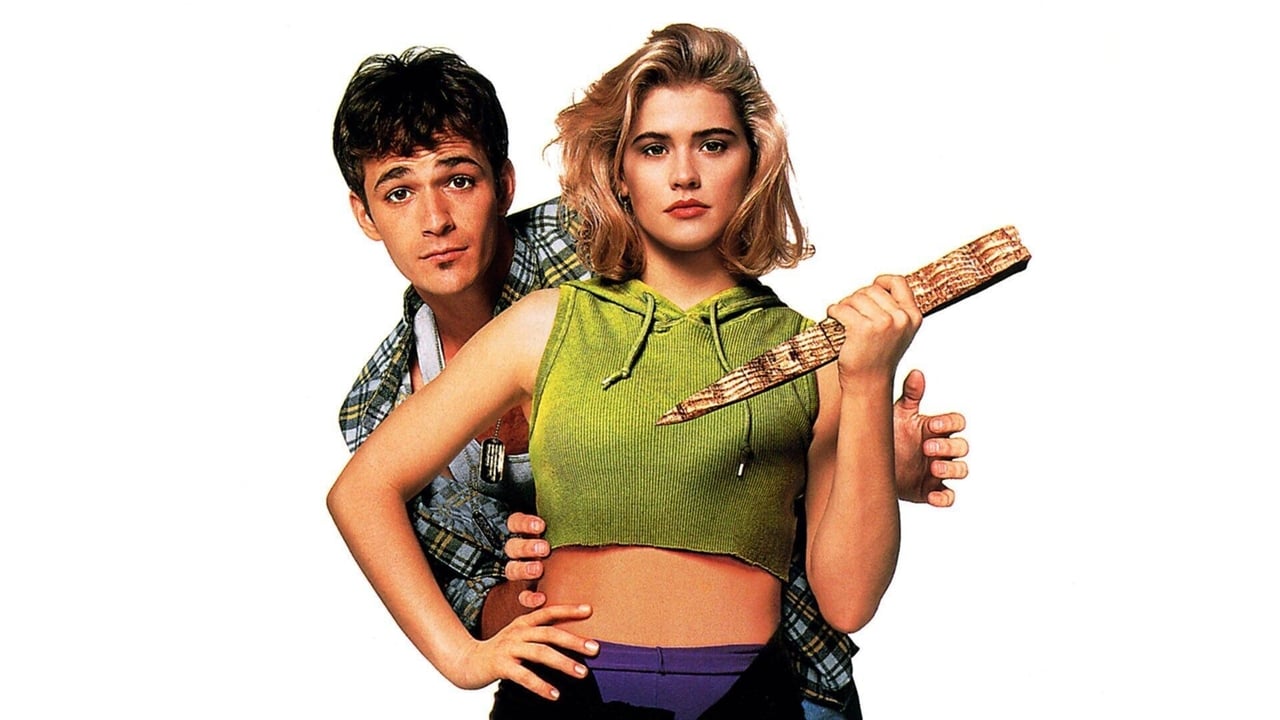
Valley Girls, Vampires, and Very Big Hair
If you only know Buffy from the brooding, gothic heights of the TV series, the 1992 film feels like a fever dream from a different timeline. This isn't a show about the weight of the world; it’s a movie about the weight of a prom dress. Kristy Swanson, who I always remember as the girl-next-door in Ferris Bueller’s Day Off (and later the campy lead in The Phantom), plays Buffy Summers as a girl whose primary concerns are social standing and "the environment" (mostly as a buzzword).
The film captures that strange, early-90s transition period where the neon excesses of the 80s were curdling into something more ironic. The horror here isn't meant to keep you up at night; it’s meant to make you chuckle. The vampires don't turn into dust; they just sort of die like bad actors in a high school play—and that’s entirely the point. Fran Rubel Kuzui’s direction leans heavily into the satire, a choice that famously frustrated screenwriter Joss Whedon, who had envisioned something much darker. While Whedon would later get his way with the TV show, there is something undeniably charming about this breezy, 86-minute version that refuses to take its own mythology seriously.
The Sutherland Slog and the Reubens Revelation
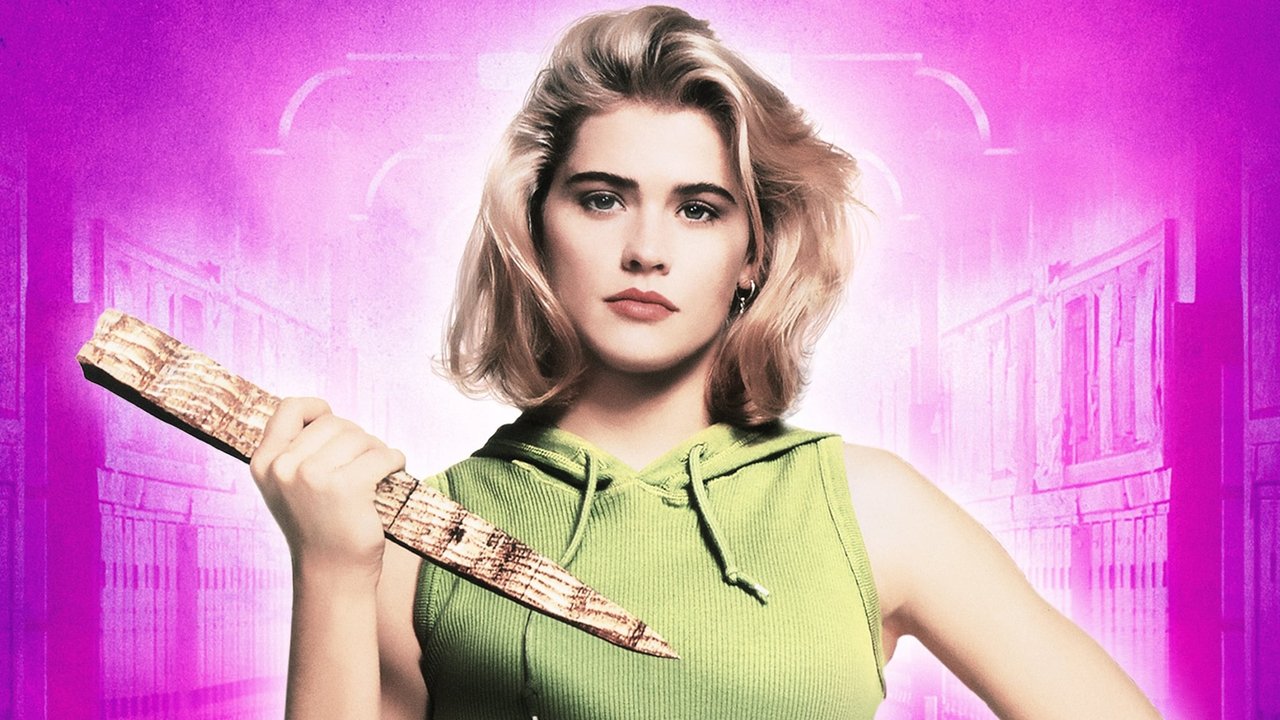
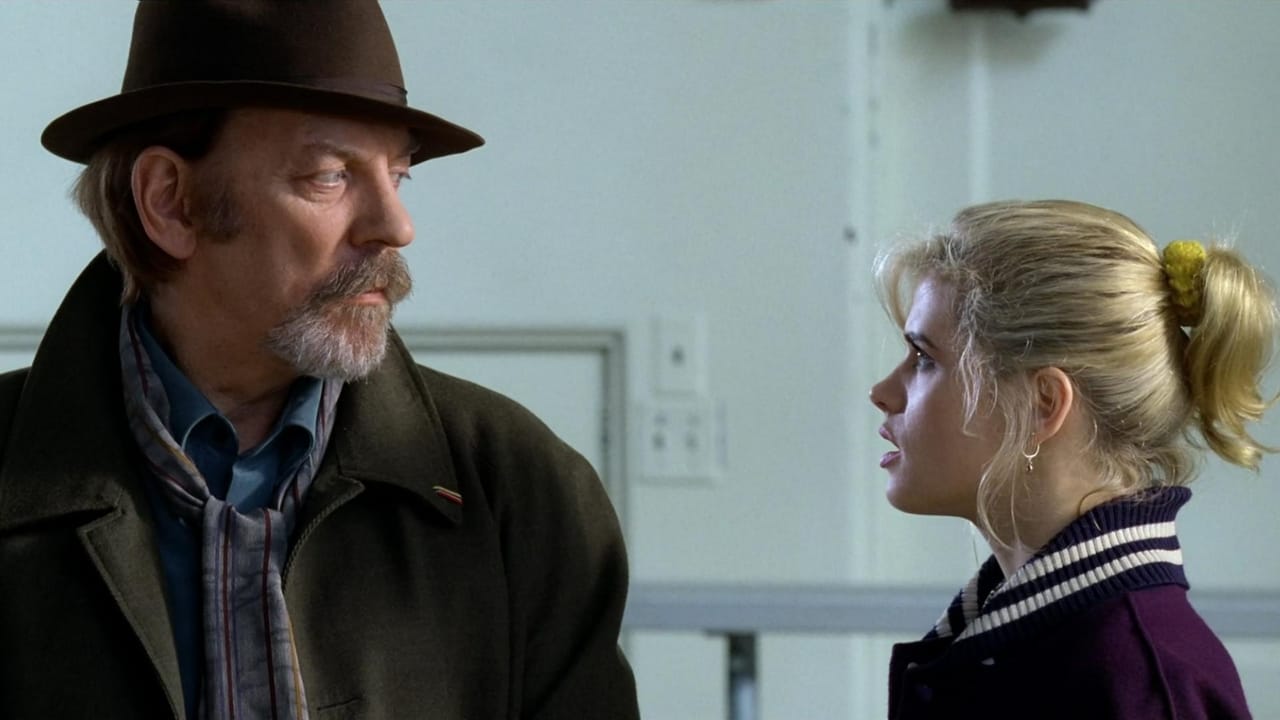
The cast is a bizarre, glorious mishmash of Hollywood eras. You have Donald Sutherland, a man who brought gravitas to Don’t Look Now and Invasion of the Body Snatchers, looking like he walked onto the wrong set and decided to stay just for the catering. Donald Sutherland looks like he’s checking his watch even when he isn’t wearing one, playing the mysterious Watcher, Merrick, with a dry, almost painful sincerity that clashes hilariously with the film's fluff.
Then, there’s the villainous duo. Rutger Hauer, the legendary replicant from Blade Runner, plays the vampire king Lothos with a flamboyant, cape-swishing energy that feels like it belongs in a silent film. But the real MVP—the man who understands the assignment better than anyone—is Paul Reubens. Fresh off his Pee-wee Herman fame, Reubens plays the henchman Amilyn with a grotesque, greasy joy. His death scene is a masterclass in comedic timing, featuring a protracted, squeaky groan that lasts so long it circles back from "annoying" to "cinematic genius." I’ve seen Shakespearean tragedies with less commitment to the final act than Reubens gives to dying on a pile of trash.
A Prototype in Neon Pink
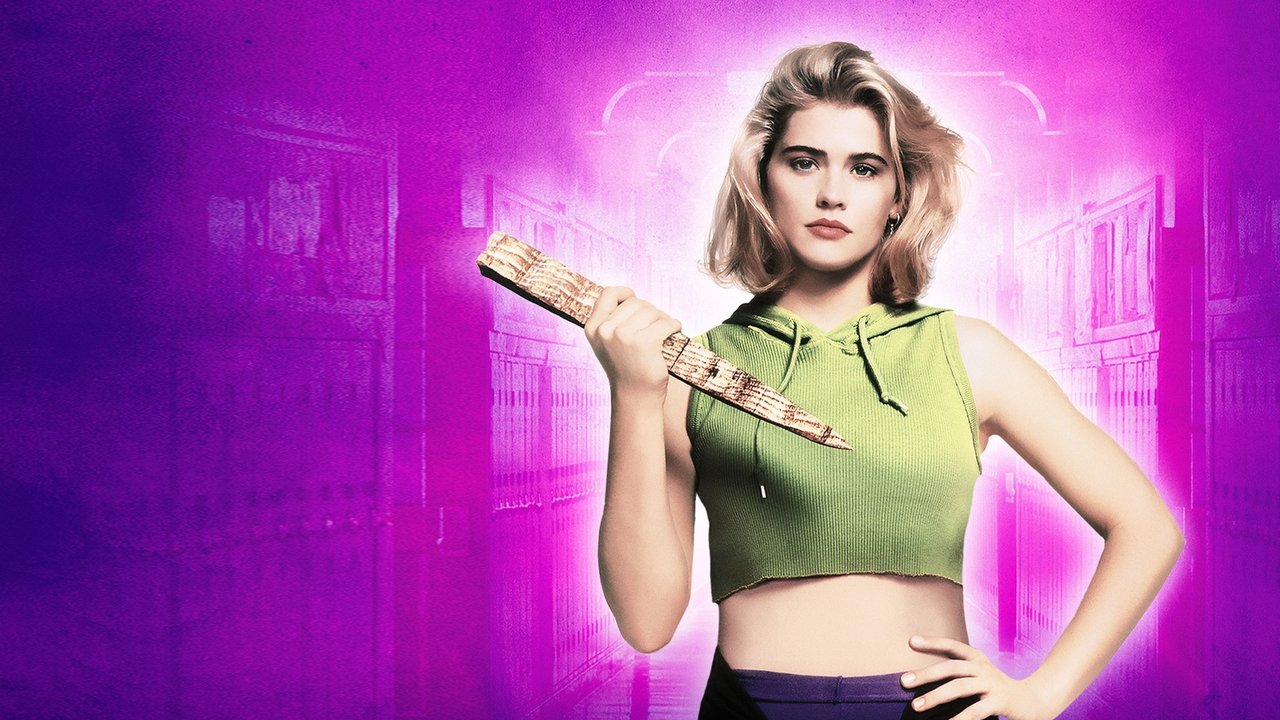
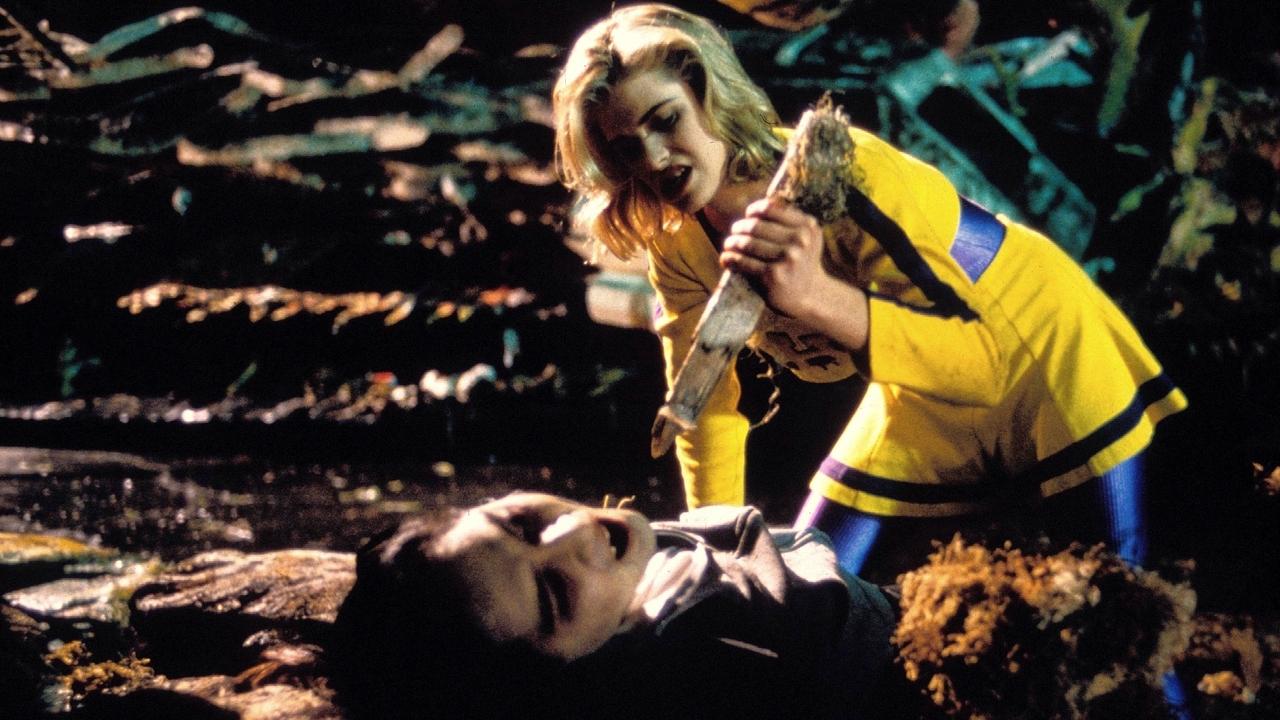
Looking back, the film acts as a fascinating time capsule of pre-CGI practical effects. The vampire makeup is rubbery and obvious, but it has a tactile charm that the digital monsters of the 2000s often lacked. It’s also a "who’s who" of future stars before they were household names. Hilary Swank shows up as one of Buffy's airheaded friends, years before she’d be winning Oscars for Boys Don't Cry. Luke Perry, at the absolute height of his 90210 heartthrob status, plays the love interest Pike, providing the perfect grunge-lite foil to Buffy’s cheerleader aesthetic.
The film fell into relative obscurity because the TV show was such a monumental cultural reset, but it’s worth a revisit for the sheer joy of its lightness. It’s a movie that knows it’s a B-movie and wears that badge with pride. It doesn’t want to analyze the nature of evil; it wants to show you a girl doing a backflip with a wooden stake. Apparently, the production was so chaotic that Joss Whedon eventually walked off the set in frustration, but that friction created a weird, bubbly energy that makes the film a perfect "5-minute test" winner. It’s fast, it’s funny, and it doesn't overstay its welcome.
While it lacks the emotional depth of its successor, the 1992 Buffy the Vampire Slayer is a delightful relic of an era when horror-comedy didn't feel the need to be "elevated." It’s campy, the fashion is loud enough to cause permanent retinal damage, and Paul Reubens is a godsend. If you’re looking for a breezy trip back to a time when vampires were just losers in capes and the "Chosen One" wore spandex, this is your ticket. It’s not a masterpiece, but it’s a hell of a lot of fun.
Keep Exploring...
-
Lake Placid
1999
-
Eight Legged Freaks
2002
-

Tremors 2: Aftershocks
1996
-
Teenage Mutant Ninja Turtles II: The Secret of the Ooze
1991
-

Hudson Hawk
1991
-

Mystery Men
1999
-

Seed of Chucky
2004
-
Taxi
2004
-
Shoot 'Em Up
2007
-
Cop Out
2010
-
The Spy Next Door
2010
-
30 Minutes or Less
2011
-
Big Mommas: Like Father, Like Son
2011
-

One for the Money
2012
-
So Undercover
2012
-
Stand Up Guys
2012
-
Another 48 Hrs.
1990
-
Bird on a Wire
1990
-

Hot Shots!
1991
-

Hot Shots! Part Deux
1993