Candyman
"Tell everyone. What’s blood for, if not for shedding?"
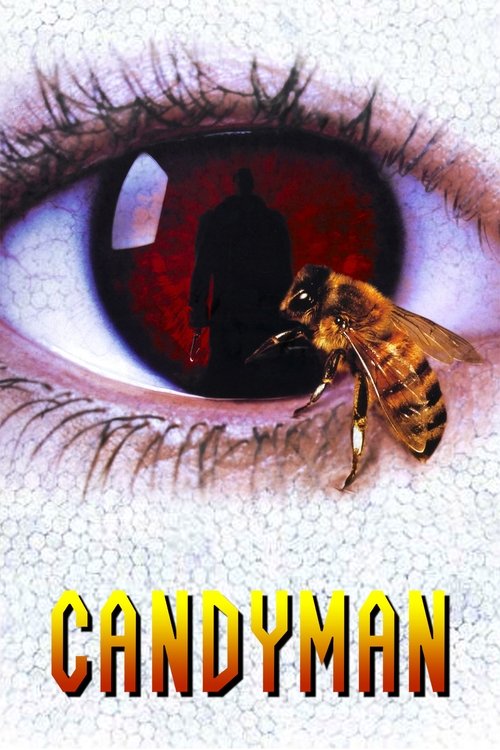
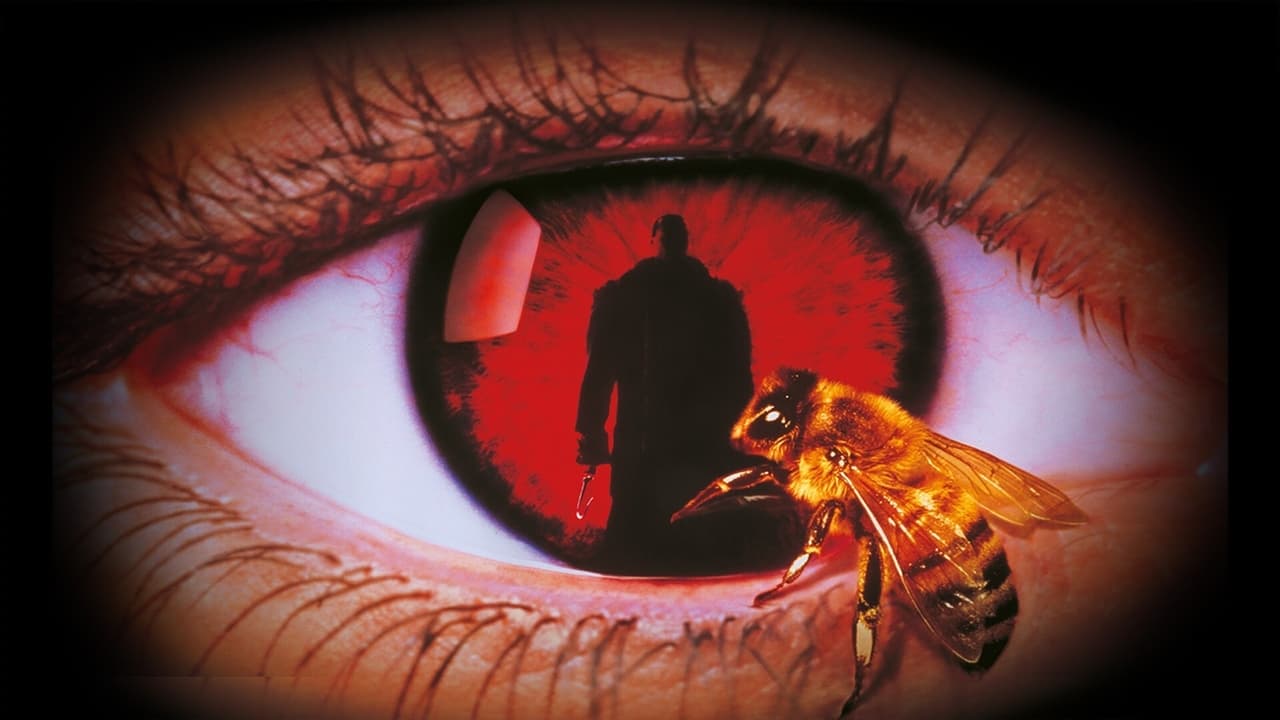
If you grew up in the nineties and claim you never stood in front of a bathroom mirror, hand hovering over the light switch, debating whether to say his name for the fifth time, you are a bold-faced liar. We all did it. We all chickened out at four. That is the enduring, serrated-edge power of Bernard Rose’s Candyman. It didn't just give us a movie monster; it successfully hijacked our collective subconscious and turned every reflective surface in our homes into a potential crime scene.
I revisited this one last Tuesday while eating a bowl of Apple Jacks, and the irony of consuming that much sugar while Tony Todd purred about "sweets to the sweet" almost made me choke. It’s a film that feels remarkably heavy for a 100-minute horror flick—heavy with history, heavy with grime, and heavy with a kind of urban rot that most 1990s cinema was too busy glossing over with neon.
The Gothic Architecture of the Ghetto
While most horror franchises of the era were retreating into the safety of suburban irony (looking at you, Scream), Candyman did something radical. It took the "hook-handed killer" trope and transplanted it from the campfire to the Cabrini-Green housing projects in Chicago. By shifting the setting from Clive Barker's original Liverpool docks to the American inner city, Bernard Rose tapped into a vein of real-world anxiety that most directors wouldn't touch with a ten-foot pole.
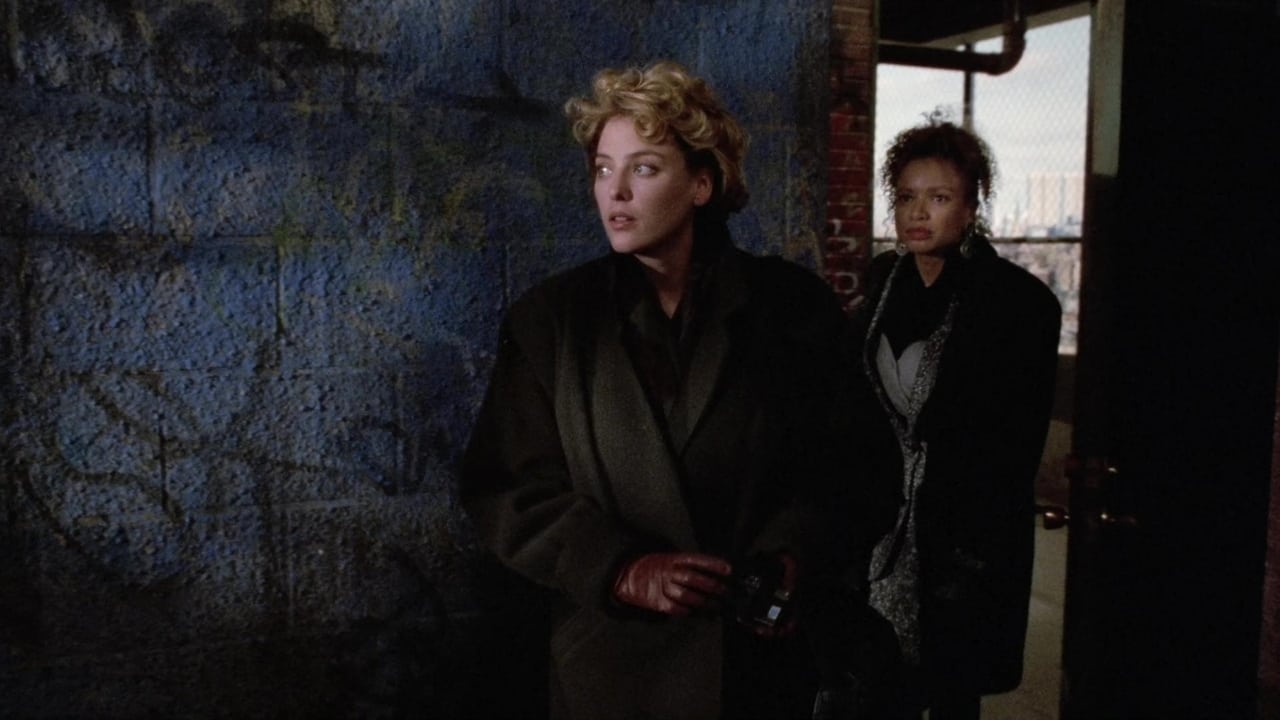
The cinematography by Anthony B. Richmond (Don't Look Now) is staggering. He shoots the high-rises like a decaying cathedral. When Virginia Madsen’s Helen Lyle crawls through the hole behind the medicine cabinet, we aren't just watching a protagonist enter a killer’s lair; we’re watching an academic voyeur realize that the "urban legends" she studies are actually the lived trauma of a marginalized community. The film plays a dangerous game with the "white savior" trope and then viciously guts it like a prize hog before the second act is even over. It’s a movie that understands that the scariest thing isn't the guy with the hook—it’s the societal indifference that allowed him to be created in the first place.
A Villain Who Demands Your Devotion
We need to talk about Tony Todd. Before this, horror villains were mostly silent behemoths (Jason) or quip-heavy pun machines (Freddy). Todd brought something different: a tragic, eroticized gravitas. With that deep, velvet-covered-gravel voice, he doesn't just threaten Helen; he courts her. He’s a Gothic anti-hero who wandered into a slasher movie by mistake.
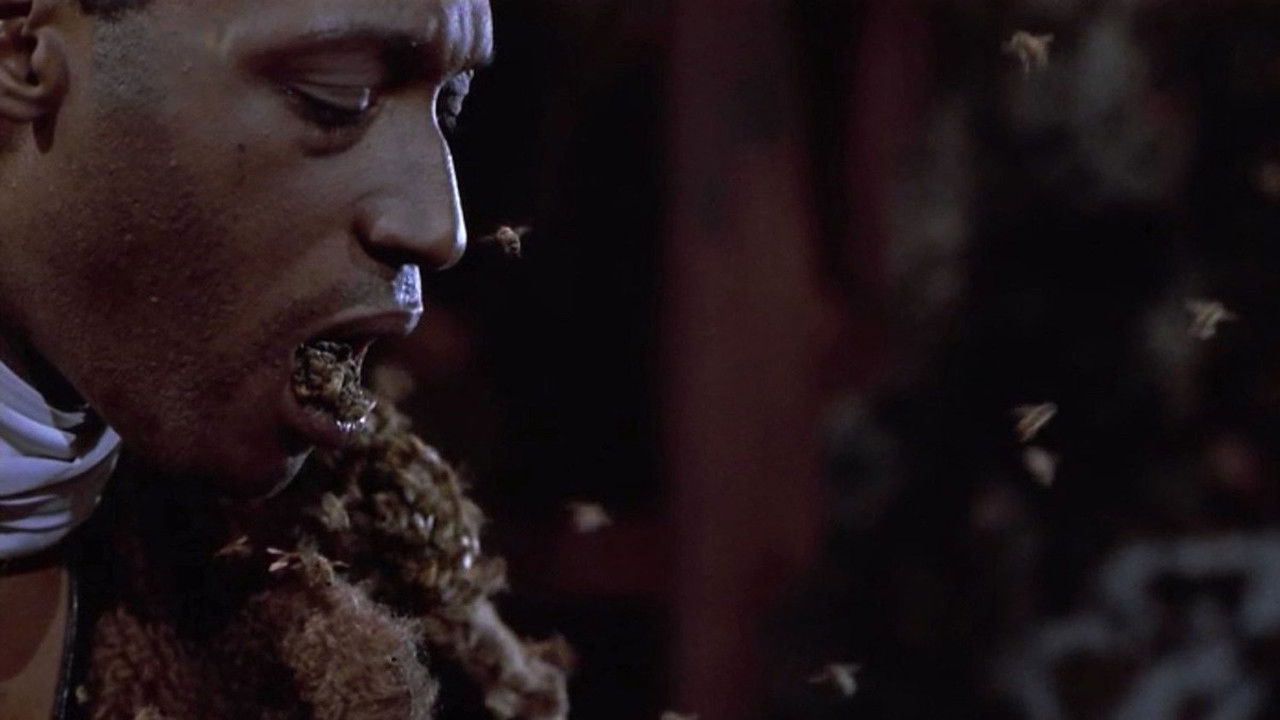
And then there’s the physical commitment. In the pre-CGI era of 1992, if you wanted a man covered in bees, you didn't call a digital effects house; you called a brave actor and a very stressed apiarist. Tony Todd famously had a clause in his contract where he was paid $1,000 for every bee sting he sustained during filming. He walked away with $23,000 in bonuses. That’s not just a fun bit of trivia; it’s a testament to the tangible, buzzing nightmare on screen. When you see those bees crawling out of his ribcage, your lizard brain knows they’re real, and it makes the hair on your arms stand up in a way that modern pixels just can't replicate.
Virginia Madsen is equally vital here. She plays Helen with a grounded, chain-smoking skepticism that makes her eventual descent into the Candyman’s "chorus" feel earned. She isn't a "Final Girl" in the traditional sense; she’s a woman being consumed by a myth.
The Sound of Dreading the Dark
Most horror scores of the early 90s were either synthesizers trying to sound like John Carpenter or orchestral bombast. Then Philip Glass entered the room. The decision to hire a minimalist titan for a slasher movie was a stroke of genius. The score—full of haunting organs and choral arrangements—gives the film a religious, operatic quality. It makes the violence feel less like a "scare" and more like a ritual.
Looking back from our current era of "elevated horror," it’s easy to see Candyman as the grandfather of the movement. It dealt with the legacy of slavery, the gentrification of Chicago (the very site of Cabrini-Green is now upscale condos, a irony the 2021 sequel handled well), and the power of storytelling long before those were standard genre talking points.
Is it perfect? Maybe not. The middle act gets a little muddy with the police procedural elements, and Xander Berkeley plays such a monumental, world-class tool of a husband that you’ll find yourself actively rooting for the hook. But these are minor quibbles. Candyman remains a rare breed of horror: a film that is as interested in your brain as it is in your blood.
This isn't just a 90s relic; it’s a haunting piece of urban folklore that has only grown more relevant as the decades pass. It’s beautiful, it’s brutal, and it’s deeply uncomfortable. Just do yourself a favor: watch it with the lights off, but maybe stay away from the bathroom for an hour or two afterward. Some legends are better left unproven.
Keep Exploring...
-
Candyman
2021
-

The Gift
2000
-
Inland Empire
2006
-
The Last House on the Left
2009
-
Take Shelter
2011
-
The Good Son
1993
-
What Lies Beneath
2000
-

Ginger Snaps
2001
-
Thirst
2009
-
Child's Play 2
1990
-
Flatliners
1990
-

Jacob's Ladder
1990
-

Miller's Crossing
1990
-
Barton Fink
1991
-

Double Impact
1991
-
The Hand That Rocks the Cradle
1992
-
The Player
1992
-
The Client
1994
-

The River Wild
1994
-

Hackers
1995