Death Becomes Her
"Eternal youth is a real pain in the neck."

There is a specific, sickening crunch when Meryl Streep falls down a flight of stairs, her limbs snapping like dry kindling before her head rotates a full 180 degrees to face her own shoulder blades. In 1992, this wasn't just a macabre gag; it was a shot across the bow of traditional filmmaking. While the rest of the world was waiting for dinosaurs to roam Isla Nublar a year later, Robert Zemeckis was busy using digital sorcery to turn one of the world's most respected dramatic actresses into a literal contortionist. I watched this recently while recovering from a mild case of food poisoning, and I have to say, seeing Meryl Streep drink a glowing potion to fix her sagging neck made my own ginger ale feel significantly less "magical."
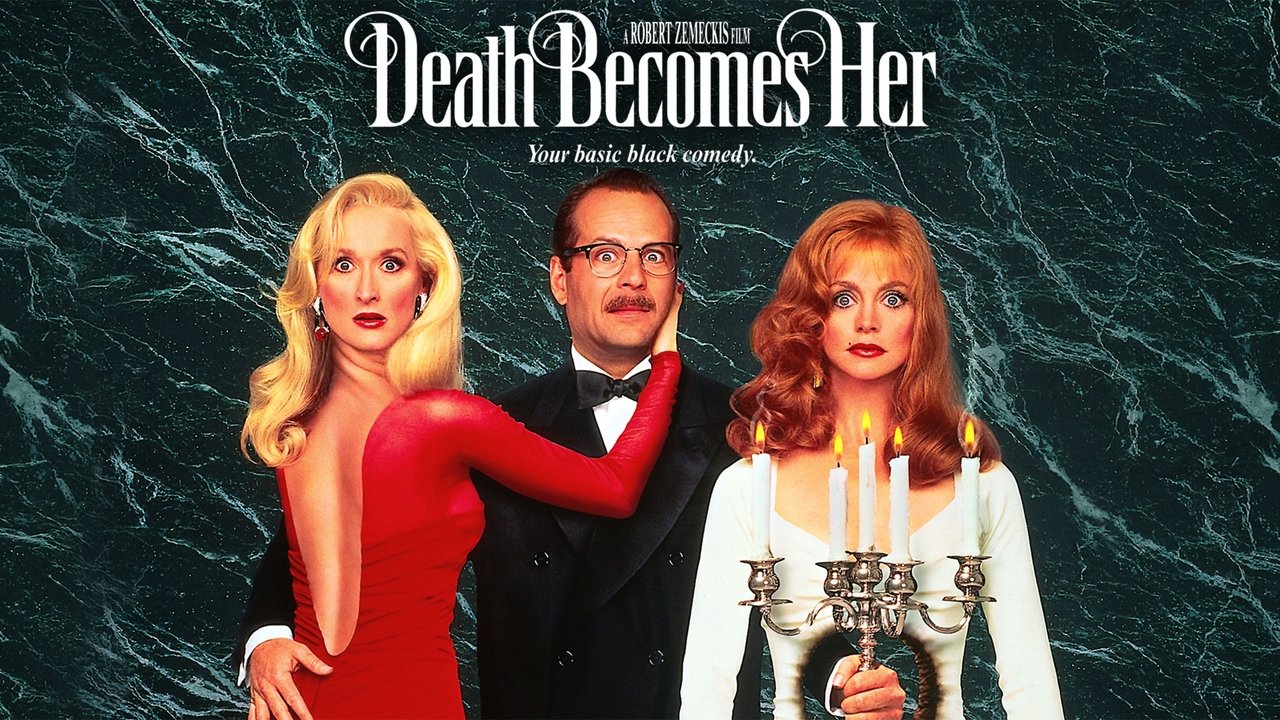
A Masterclass in High-Octane Vanity
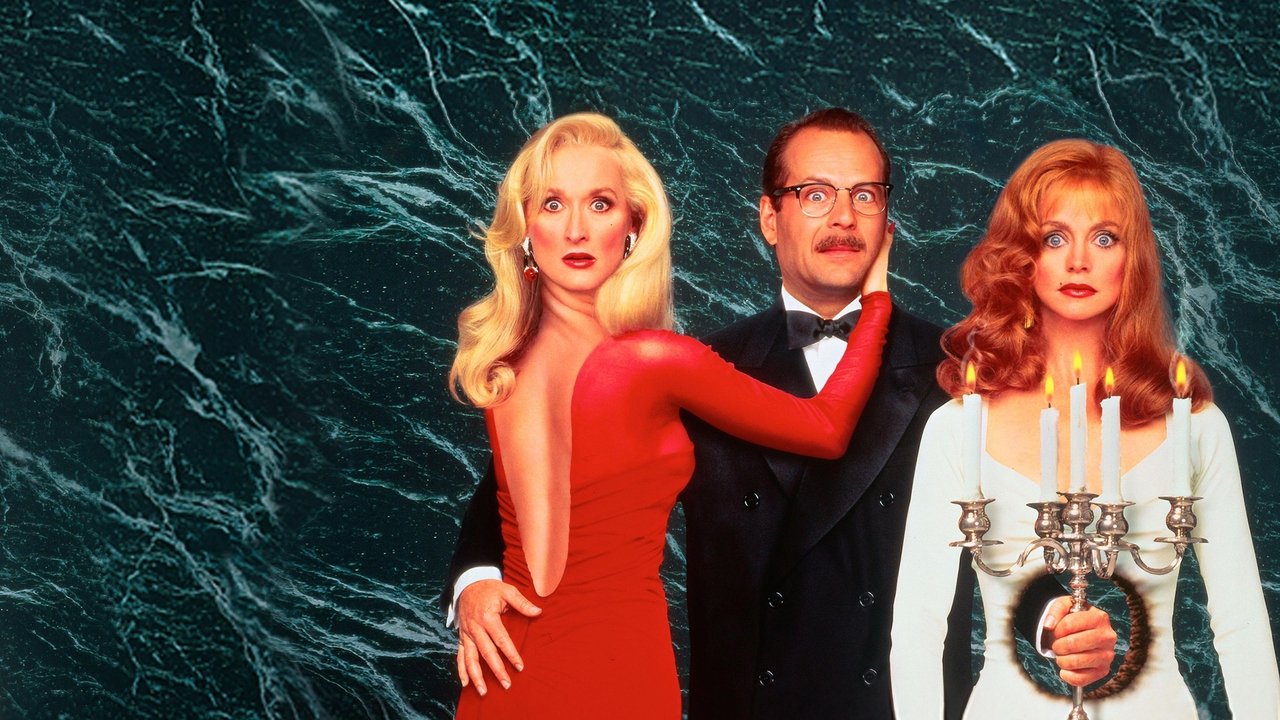
Death Becomes Her is a neon-soaked, darkly comedic fever dream that feels like a live-action Looney Tunes short written by someone who spent too much time reading Sunset Boulevard. The plot is a deliciously petty triangle of hate: Madeline Ashton (Meryl Streep), a fading Broadway narcissist, steals Ernest Menville (Bruce Willis), a timid plastic surgeon, from her dowdy "friend" Helen Sharp (Goldie Hawn). Fast forward seven years, and the tables have turned. Helen is now a sleek, vengeful bombshell, and Madeline is a desperate wreck. Enter Lisle von Rhuman (Isabella Rossellini), a mysterious socialite offering a $25,000 potion that promises eternal life and—more importantly to these women—eternal youth.
What follows isn't just a comedy; it’s a pioneering work of body horror. Once Madeline and Helen both drink the juice, they realize that "living forever" doesn't mean "healing forever." They become walking, talking corpses that need spray paint and putty to stay presentable. Watching two Oscar-winning icons beat each other with shovels until they have literal holes in their torsos is a level of camp that Hollywood simply doesn't attempt anymore. Meryl Streep is clearly having the time of her life, shedding the prestige of Out of Africa to play a woman so vain she checks her reflection in a toaster.
The Digital Dawn and Practical Grime
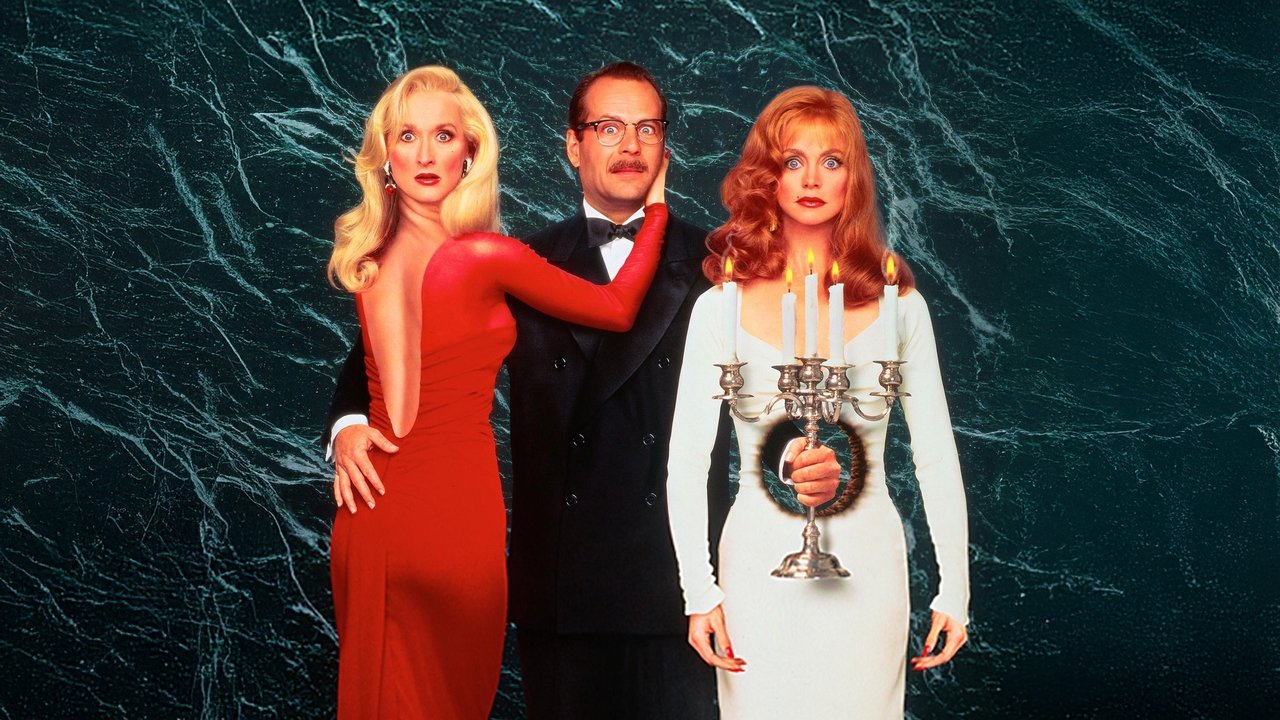
Looking back from our era of seamless (and often soulless) CGI, the effects here are a fascinating bridge. This was the first time Industrial Light & Magic (ILM) used skin-texture software to create digital "replacements" for human anatomy. When Madeline’s neck stretches or Helen survives a shotgun blast to the stomach, you’re seeing the DNA of modern blockbusters being spliced together in real-time.
Yet, it’s the hybrid nature of the film that makes it work. Robert Zemeckis (fresh off the technical triumphs of Who Framed Roger Rabbit) knew that you couldn't rely solely on 1992 computers. The film is packed with clever practical tricks and animatronics that give the gore a tactile, "squishy" reality. When Bruce Willis—playing a marvelous, stuttering coward in a complete reversal of his Die Hard persona—has to repair the ladies' deteriorating bodies, the makeup work by Dick Smith and Kevin Haney provides a gross-out factor that digital pixels still can’t quite replicate.
From Box Office "Huh?" to Cult Royalty
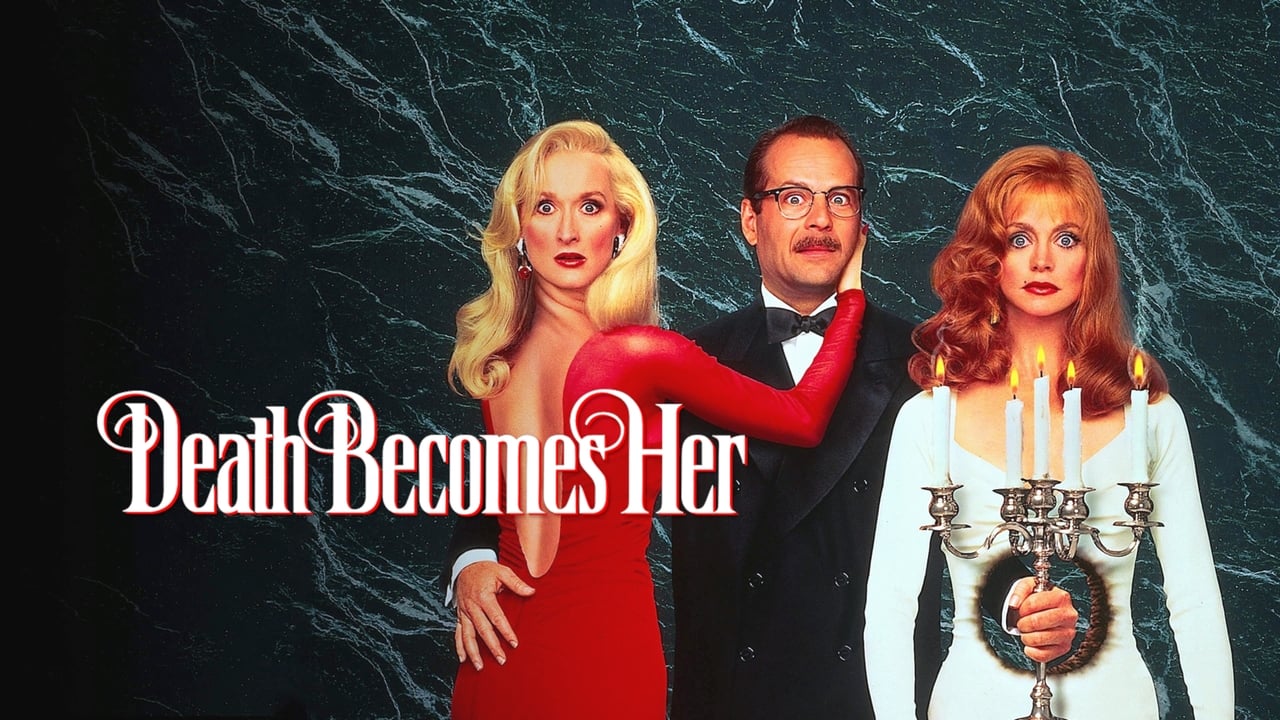
Initially, the movie was a bit of a head-scratcher for audiences who expected a standard romantic comedy. It made money, but it didn't truly find its soul until it hit the home video and cable circuit. Since then, it has blossomed into a full-blown cult classic, particularly within the LGBTQ+ community, where the film’s over-the-top camp and "frenemy" dynamics are celebrated every Halloween. It’s a movie about the absurdity of the male gaze and the architectural labor of female beauty, wrapped in a shroud of black humor.
The production was famously intense. Apparently, during the shovel-fighting sequence, Meryl Streep accidentally scarred Goldie Hawn's cheek. It’s also well-documented that the original ending was a total disaster—a sugary, sentimental coda involving Tracey Ullman that test audiences absolutely loathed. Zemeckis made the executive decision to scrap it and go for the much darker, much funnier "church funeral" ending we have today. It was the right call. The final shot is a perfect, cynical punctuation mark on a story about people who refuse to just go away.
If you haven’t visited the Menville household lately, give it a spin. It’s a sharp reminder of a time when major studios were willing to spend $55 million on a movie where the leading ladies spend the third act literally falling apart. The script by David Koepp and Martin Donovan is lean, mean, and packed with acidic one-liners that still land with surgical precision. It’s a grotesque, hilarious, and technically daring masterpiece of 90s excess. Just remember: always check the expiration date on your fountain of youth.
Keep Exploring...
-
Gremlins 2: The New Batch
1990
-
Army of Darkness
1992
-

The Polar Express
2004
-
A Christmas Carol
2009
-
Roald Dahl's The Witches
2020
-
Last Action Hero
1993
-

Mars Attacks!
1996
-
Hercules
1997
-
Who Framed Roger Rabbit
1988
-
Back to the Future Part III
1990
-
Tremors
1990
-
Addams Family Values
1993
-
Groundhog Day
1993
-
Hocus Pocus
1993
-
Matilda
1996
-
Contact
1997
-
The Voices
2014
-
Sleepy Hollow
1999
-
Stuart Little
1999
-
How the Grinch Stole Christmas
2000