Dragon Ball Z: The Return of Cooler
"Ten billion mechanical nightmares, one very grumpy Prince."
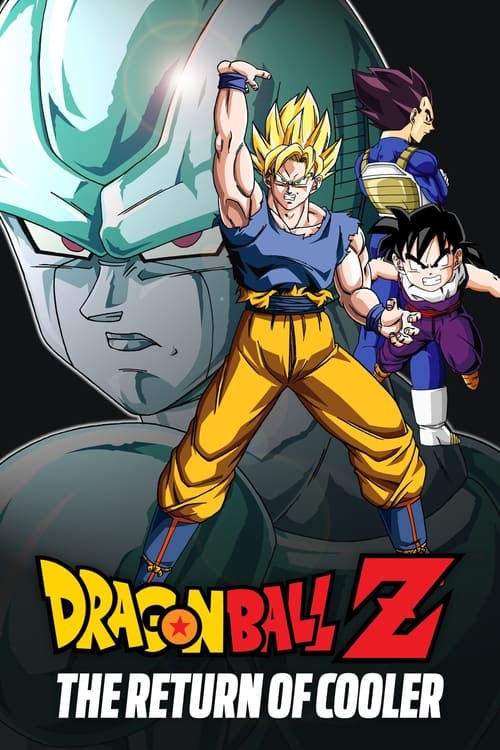
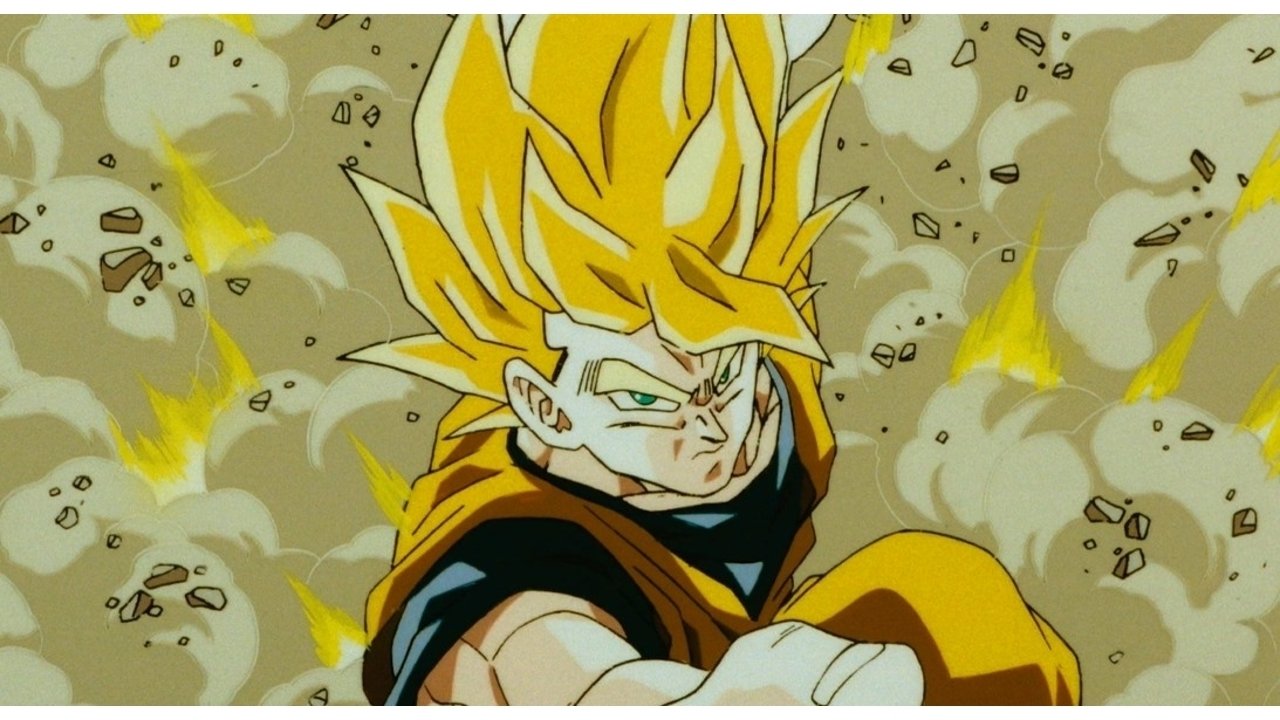
In the early 1990s, the Dragon Ball Z machine wasn't just a television show; it was an industrial complex. Toei Animation was churning out theatrical "featurettes" twice a year, and 1992’s The Return of Cooler represents the moment the franchise decided to stop playing by the rules of martial arts fantasy and started leaning into the burgeoning tech-anxieties of the decade. While the previous film, Cooler’s Revenge, was a standard "brother comes to avenge his sibling" story, this sequel is a weird, metallic fever dream that feels like a collision between Akira Toriyama’s character designs and the cold, unfeeling aesthetic of The Terminator.
I rewatched this on a Tuesday afternoon while drinking a lukewarm diet soda that had lost its carbonation about twenty minutes prior, and honestly, the flat sweetness of the drink matched the movie’s vibe perfectly: it’s short, punchy, and provides a quick hit of nostalgia without ever pretending to be a vintage vintage.
Shiny, Chrome, and Very Angry
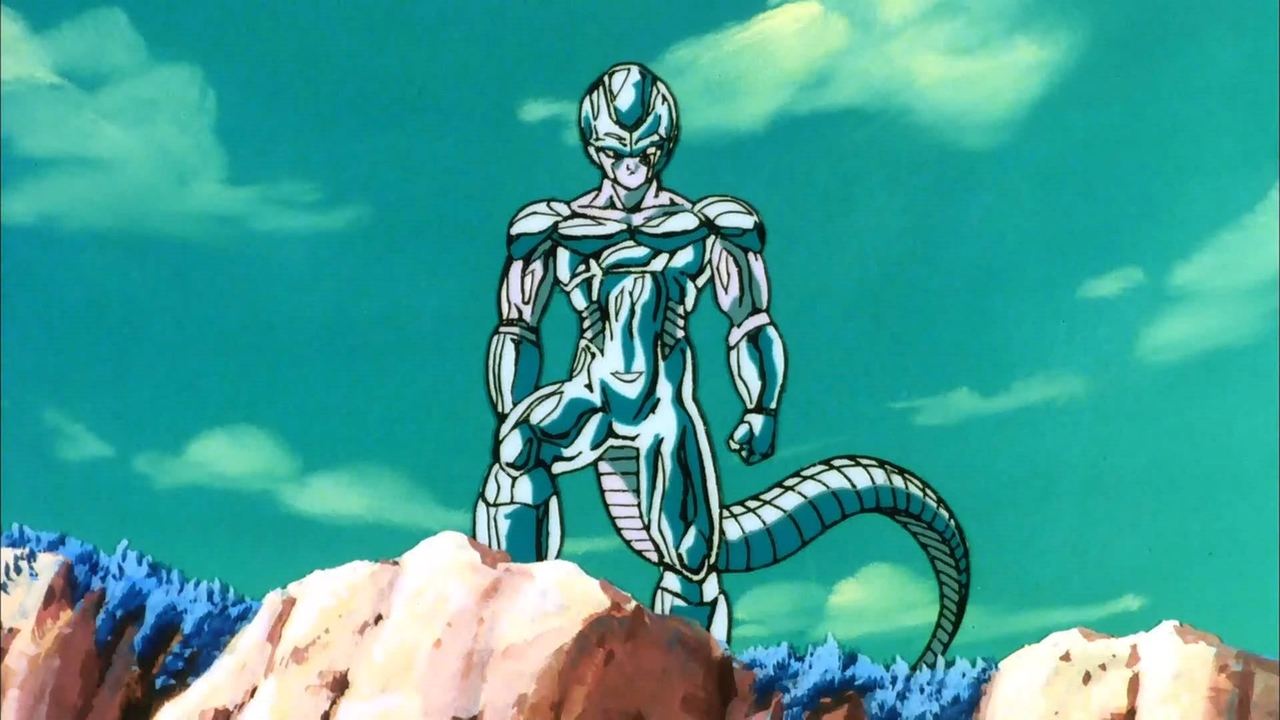
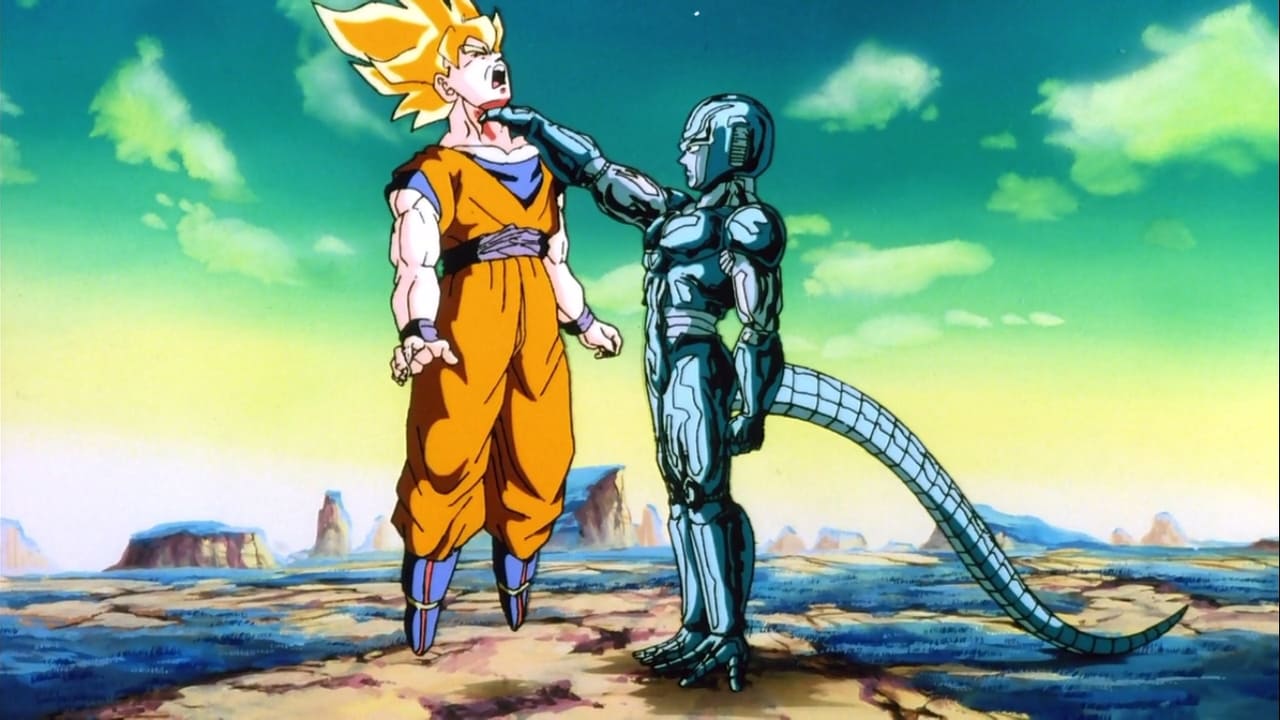
The plot is a masterpiece of 90s efficiency. A giant, sentient mechanical planet called the Big Gete Star attaches itself to New Namek to consume it. Our hero, Son Gokû, voiced with tireless energy by the legendary Masako Nozawa, heads out with the usual gang to stop it. What they find isn't the organic, flesh-and-blood Cooler they defeated in the sun previously, but Meta-Cooler—a mass-produced, silver-plated nightmare that can self-repair and upload its consciousness into an infinite number of bodies.
From a technical standpoint, what director Daisuke Nishio does here is fascinating. In 1992, high-end CGI was still the stuff of Jurassic Park dreams. The metallic sheen on the Meta-Coolers isn't digital; it’s a clever use of cel-shading and layering that gives the characters a distinct, "liquid metal" look that absolutely pops off the screen. The Meta-Cooler design is effectively a T-1000 with a tail, and it remains one of the most striking visual pivots in the series. It captures that specific era where we were all starting to get a little nervous about what computers might do to us if we gave them too much autonomy.
The Buddy Cop Dynamics of Saiyans
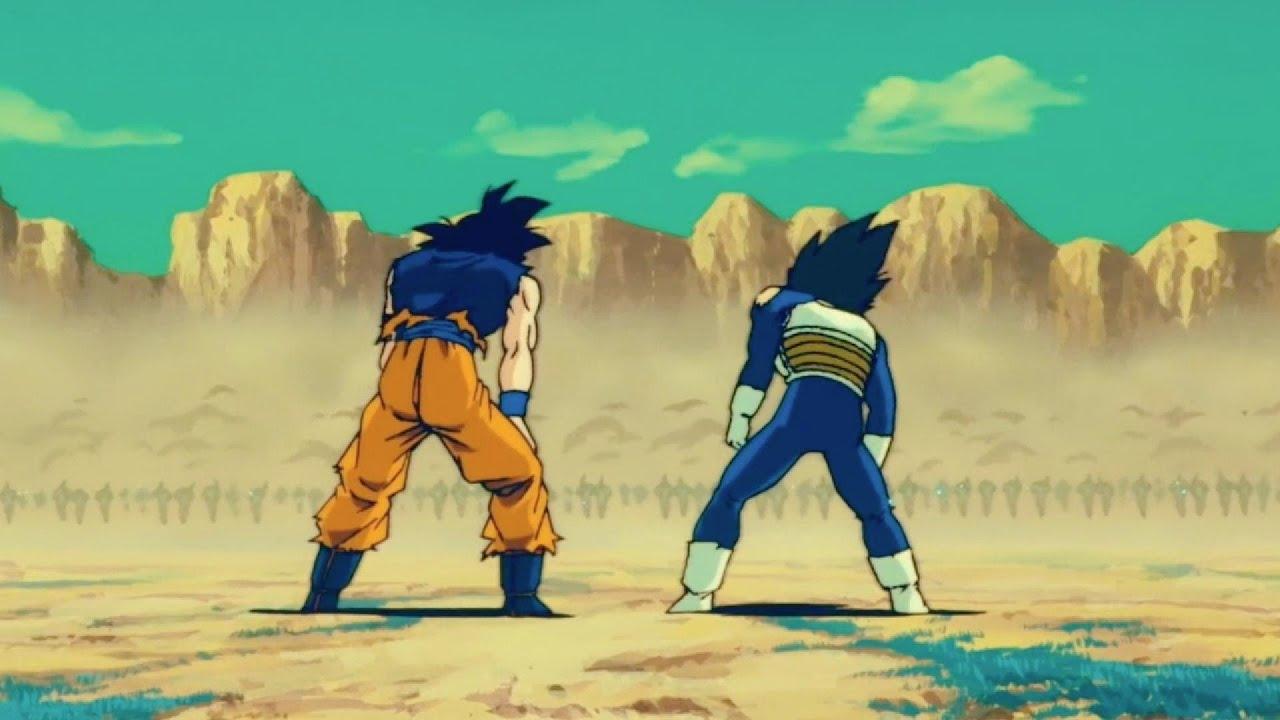
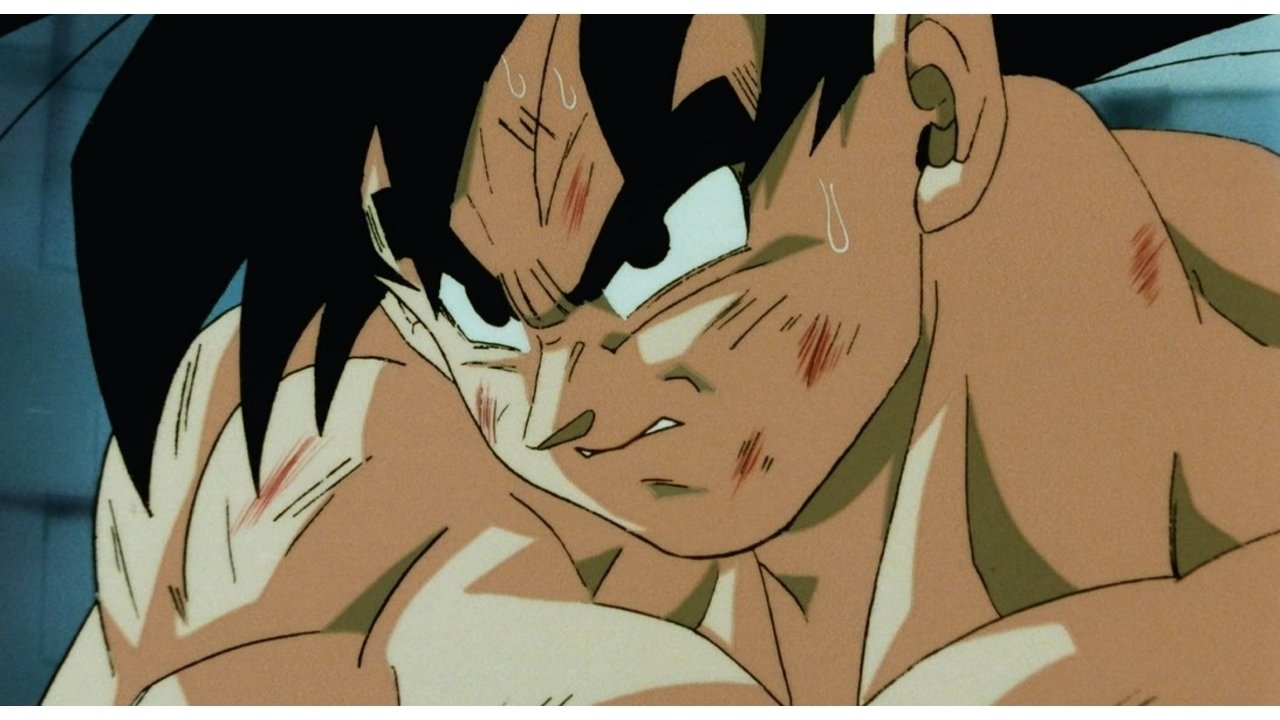
The real draw of this 46-minute sprint, however, is the arrival of Ryo Horikawa as Vegeta. Looking back, we often forget that there was a time when Gokû and Vegeta fighting on the same side was a genuine event, not a weekly occurrence. Their chemistry here is peak 90s action cinema. They don't like each other, they don't want to help each other, but they are both stuck in a situation where "punching it harder" isn't working because the enemy just grows a new arm.
The action choreography by the Second Unit is surprisingly brutal. There’s a sequence where Gokû and Vegeta are fighting a single Meta-Cooler, and the impact of the hits feels heavier than usual. You can hear the crunch of metal and the sizzle of energy. When they finally manage to destroy one, the camera pans up to a ridge where ten billion identical robots are waiting to take its place. It’s a genuine "oh no" moment that works better than almost any other threat in the DBZ movie library. It taps into a primal fear of the swarm—the idea that you can be the strongest person in the universe and still get buried under the sheer weight of numbers.
A Relic of the VHS Renaissance
For those of us who grew up in the DVD and VHS era, The Return of Cooler was often a "blind buy" at a Blockbuster or a Suncoast Motion Picture Company. It felt like a forbidden artifact because it existed outside the main TV timeline. Today, it serves as a reminder of how tight and focused these stories used to be. There is no filler here. We get five minutes of setup, thirty minutes of escalating violence, and ten minutes of a bizarre, bio-mechanical climax that involves Gokû and Vegeta being turned into human batteries.
The score by Shunsuke Kikuchi is doing a lot of heavy lifting here, too. Unlike the localized American version which famously used mid-western nu-metal tracks, the original Japanese score uses these eerie, brass-heavy compositions that make the Big Gete Star feel truly alien and oppressive. It’s a reminder that before Dragon Ball became a global billion-dollar brand of "hype," it was often quite weird and spooky.
While it lacks the emotional weight of something like The History of Trunks, it excels as a pure action showcase. It captures a moment in 1992 when the franchise was experimenting with sci-fi horror elements before settling into the more repetitive tropes of the later years. It’s a 46-minute burst of chrome-plated adrenaline that asks a very simple question: how many punches does it take to break a machine?
Ultimately, this is a film that knows exactly what it is. It doesn't aim for the high-art status of a Studio Ghibli production, but it pushes the boundaries of TV-adjacent animation with some truly inspired visual choices. It’s the perfect length for a quick watch, delivering just enough spectacle to satisfy without overstaying its welcome. If you can appreciate the craft that went into hand-painting thousands of tiny silver robots, there’s a lot to love in this mechanical namekian mess.
Keep Exploring...
-

Dragon Ball Z: Broly - The Legendary Super Saiyan
1993
-

Dragon Ball Z: Fusion Reborn
1995
-
Dragon Ball Z: Battle of Gods
2013
-
Dragon Ball Z: Resurrection 'F'
2015
-
Final Fantasy VII: Advent Children
2005
-
Resident Evil: Degeneration
2008
-

Evangelion: 3.0 You Can (Not) Redo
2012
-
Resident Evil: Damnation
2012
-
Titan A.E.
2000
-
Final Fantasy: The Spirits Within
2001
-
Osmosis Jones
2001
-
Astro Boy
2009
-

Superman/Shazam!: The Return of Black Adam
2010
-
Justice League: Doom
2012
-
Darkman
1990
-
Teenage Mutant Ninja Turtles II: The Secret of the Ooze
1991
-

The Rocketeer
1991
-
Johnny Mnemonic
1995
-
Chain Reaction
1996
-
Escape from L.A.
1996