Far and Away
"The last great gasp of the 70mm studio epic."
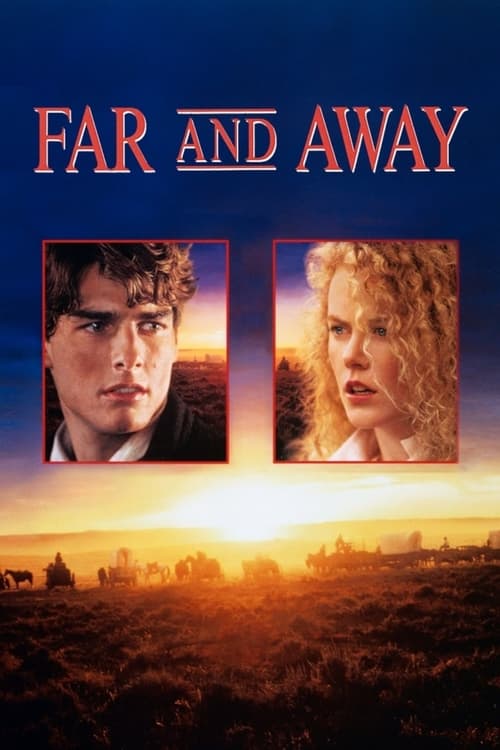
In 1992, the cinematic landscape was standing on a shaky precipice. Jurassic Park was only a year away from changing the DNA of blockbusters forever with digital dinosaurs, but for one brief, shining moment, Ron Howard decided to look backward. He didn't just look back to the 19th-century immigrant experience; he looked back to the era of the "Big Movie." Shot in glorious Super Technirama 70—the first film to use the format in over twenty years—Far and Away was a massive, $60 million gamble on old-fashioned sincerity, practical horses, and the undeniable gravitational pull of the world’s biggest movie stars.
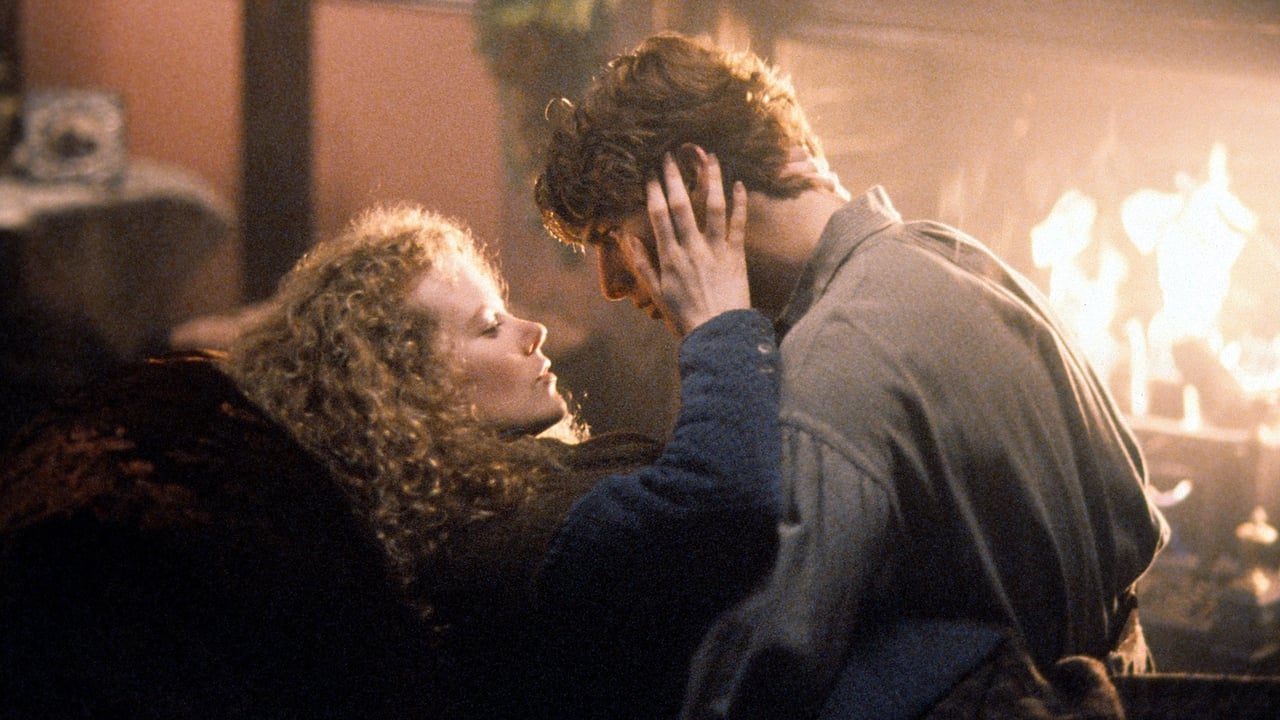
I recently rewatched this on a humid Tuesday evening while my neighbor was inexplicably power-washing his driveway at 9:00 PM, and honestly, the sheer scale of the film managed to drown out the noise. There is something deeply comforting about a movie that knows exactly what it is: a sprawling, romantic adventure that isn't afraid to be a little bit cheesy if it means hitting those emotional high notes.
A Match Made in Tabloid Heaven
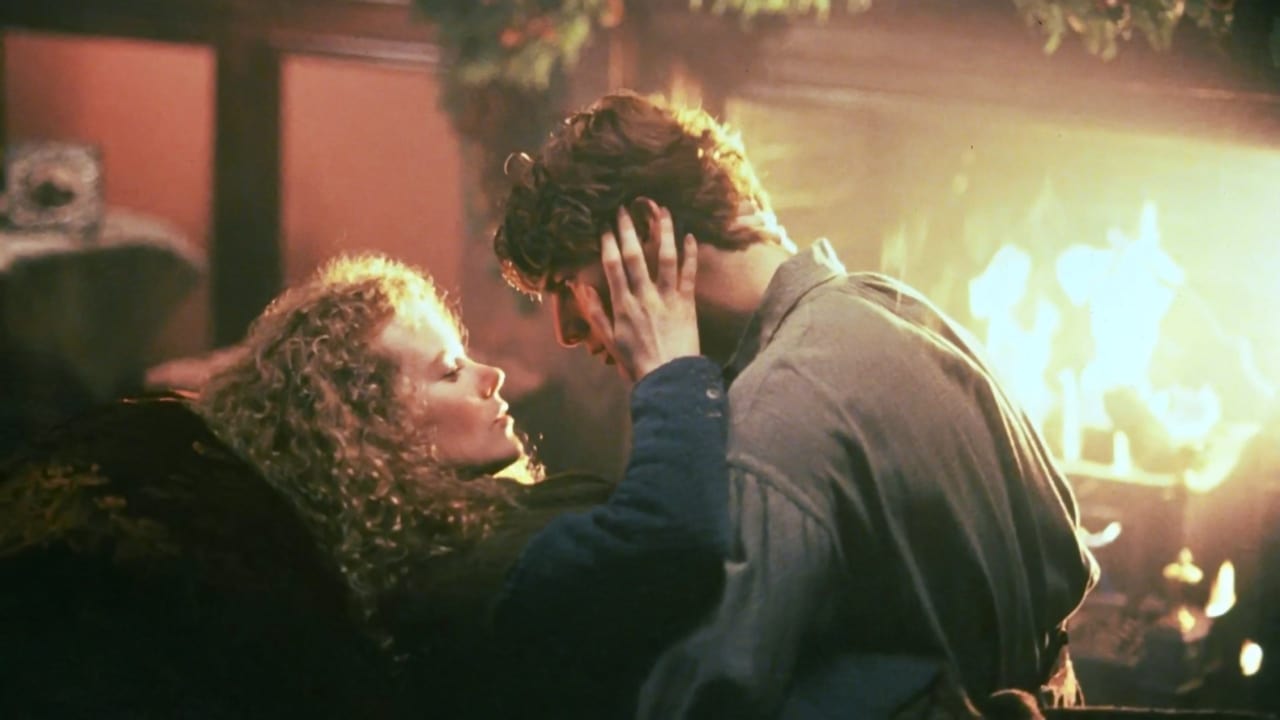
At the center of this whirlwind are Tom Cruise as Joseph Donnelly and Nicole Kidman as Shannon Christie. At the time, they were the ultimate Hollywood power couple, having recently married after meeting on Days of Thunder. That real-world chemistry is the engine that keeps the film running even when the plot hits a few potholes. Tom Cruise plays Joseph with a scrappy, pugilistic energy, while Nicole Kidman brings a fiery, rebellious edge to the high-born Shannon.
Now, we have to address the elephant in the room: the accents. "Cruise sounds like a leprechaun who spent a semester abroad in New Jersey," and Nicole Kidman’s lilt is only slightly more stable. If you’re a stickler for linguistic accuracy, the first twenty minutes might be a struggle. However, if you view the film as a heightened fairy tale—which it essentially is—the accents become part of its charm. They are performing "Irishness" with the same enthusiasm that Ron Howard (who also directed Apollo 13 and A Beautiful Mind) uses to perform "Epic Cinema."
The supporting cast is equally game. Thomas Gibson (long before his Criminal Minds days) is perfectly punchable as the villainous Stephen Chase, and Robert Prosky brings a wonderful, blustering energy to the role of Shannon’s father. But the real stars are the landscapes, captured with breathtaking clarity by cinematographer Mikael Salomon.

The Majesty of the Land Rush
The film's narrative journey—from the rain-soaked bogs of Western Ireland to the crowded tenements of Boston and finally to the dusty plains of Oklahoma—is a classic immigrant’s progress. It’s a story about the hunger for ownership and the desperate need for a place to call home. While the middle act in Boston drags a bit with its bare-knuckle boxing subplots, everything is building toward the finale: the Oklahoma Land Run of 1889.
This sequence is, quite simply, one of the most impressive things ever put on film. In an era before we could just "CGI-in" a crowd, Ron Howard used 800 extras, 400 horses, and dozens of wagons, all charging across the landscape at once. Watching it in high definition today, the 70mm detail is staggering. You can see the dust in the air, the terror in the horses' eyes, and the genuine chaos of thousands of people racing for their future. It’s a sequence that earns the "Epic" label, reminding me of the tactile, heavy-metal filmmaking of David Lean or John Ford.
Supporting this grandiosity is a soaring score by the legend himself, John Williams. It’s one of his more underrated works, blending traditional Irish instrumentation with a full orchestral swell that makes even a scene of two people talking in a barn feel like the most important moment in human history.
A Relic of Sincerity
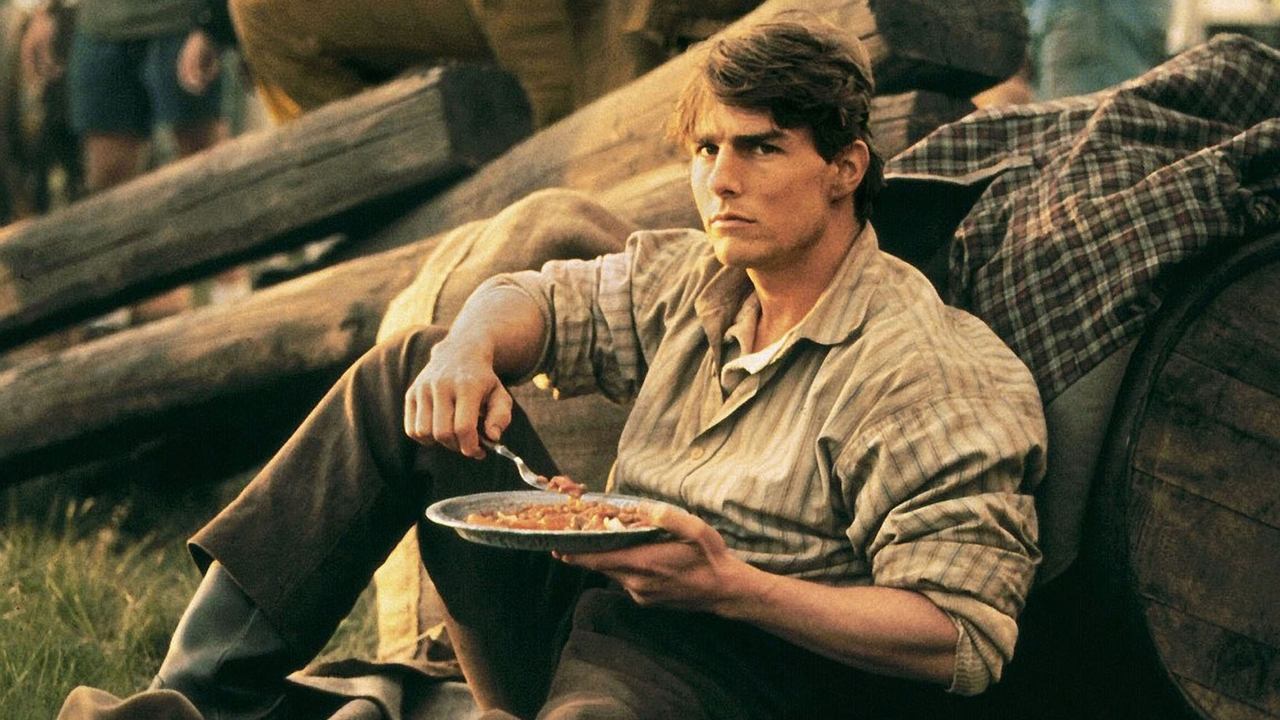
Looking back from our current vantage point of cynical meta-commentary and interconnected universes, Far and Away feels like a beautiful relic. It was a "Original Property" blockbuster—a concept that feels almost extinct now. It’s a film that believes wholeheartedly in the American Dream, perhaps to a fault, but its earnestness is its greatest strength.
It’s also a fascinating snapshot of the transition from the 80s "Star Vehicle" to the 90s "Event Movie." It doesn't have a post-credits scene, it doesn't set up a sequel, and it doesn't apologize for its melodrama. It just wants to show you a boy, a girl, and a very large piece of land. While it was a modest success at the box office, it never quite achieved the legendary status of Braveheart or Dances with Wolves, perhaps because it’s a bit too lighthearted for the "prestige" crowd.
Far and Away is a movie meant to be watched on the biggest screen you own. It’s a grand, flawed, and deeply romantic spectacle that reminds us why we fell in love with movies in the first place—for the scale, the stars, and the sheer audacity of trying to capture a dream on 70mm film. It’s the perfect choice for a Sunday afternoon when you want to be transported to a time when the world felt wide open and a bit of dirt on your face was the price of freedom.
Keep Exploring...
-
Days of Thunder
1990
-
Maverick
1994
-
Wyatt Earp
1994
-
First Knight
1995
-
The Quick and the Dead
1995
-
Backdraft
1991
-

Cinderella Man
2005
-
Casanova
2005
-
Blue Lagoon: The Awakening
2012
-
Jerry Maguire
1996
-
Forever Young
1992
-

Legends of the Fall
1994
-
Wolf
1994
-
Executive Decision
1996
-
Lolita
1997
-
The Saint
1997
-
Frost/Nixon
2008
-
The Horse Whisperer
1998
-
A Knight's Tale
2001
-
Spirit: Stallion of the Cimarron
2002