Forever Young
"Fifty years late, but still on time."
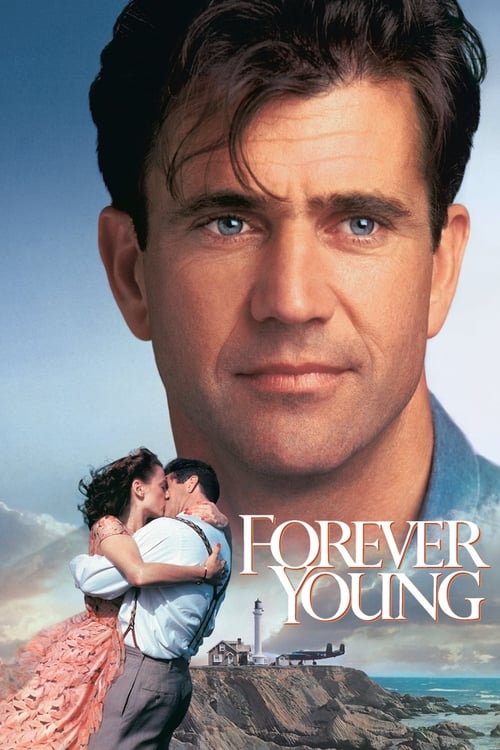
The early nineties were a fascinating time for the "Movie Star Movie." Before the box office became a graveyard of intellectual property and spandex, studios would happily bankroll a high-concept drama simply because a name like Mel Gibson was on the poster. In 1992, Gibson was arguably the biggest draw on the planet, coming off the high-octane success of Lethal Weapon 3. But instead of picking up another Beretta, he chose a cryogenic chamber and a script by a twenty-something newcomer named J.J. Abrams.
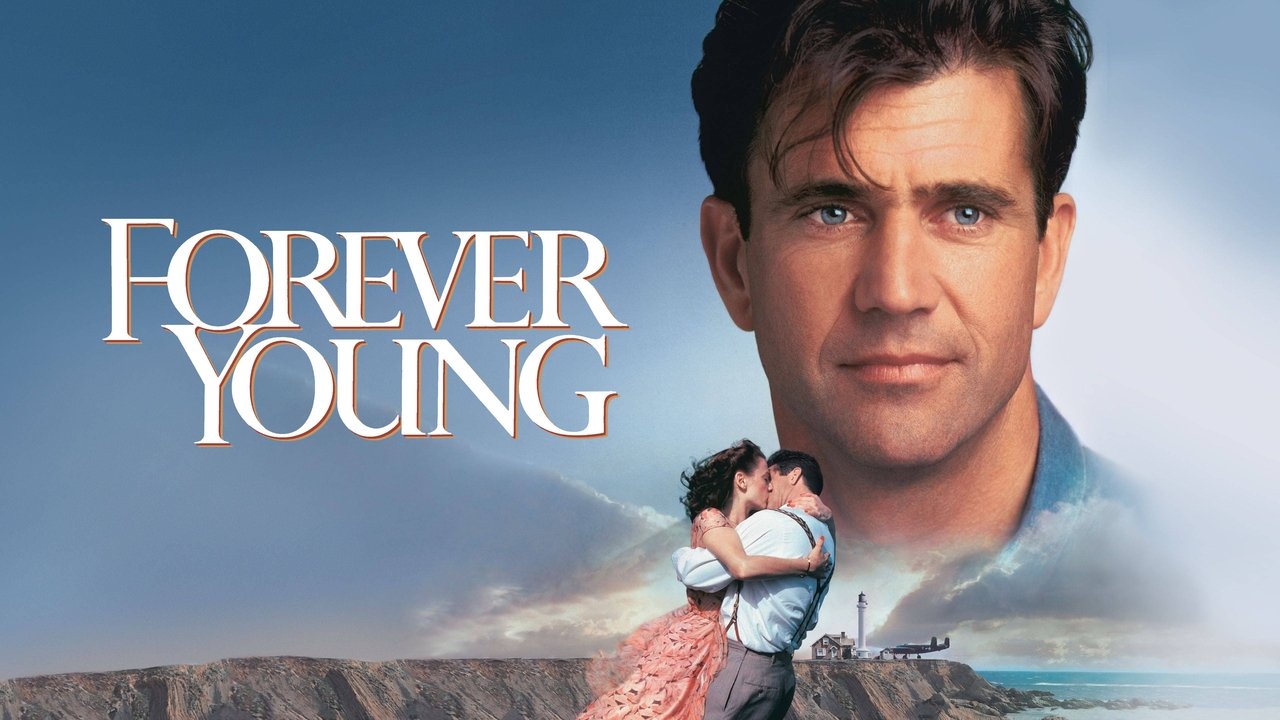
I watched this most recent screening while eating a slightly stale sleeve of Fig Newtons, and honestly, the suburban comfort of the snack matched the film’s energy perfectly. Forever Young isn’t trying to reinvent the wheel; it’s trying to break your heart while making you feel like everything is going to be okay. It’s a shamelessly sentimental "fish out of water" story that swaps the comedy of Encino Man for the earnestness of a wartime romance.
The Abrams Blueprint
Looking back, you can see the seeds of J.J. Abrams’ future career all over this screenplay. Before he was trekking through the stars or resurrecting Jedis, Abrams was a master of the "Mystery Box," even if the box here is just a giant freezer in a dusty warehouse. The premise is classic pulp: Capt. Daniel McCormick (Mel Gibson) is a 1939 test pilot who loses the love of his life, Helen (Isabel Glasser), to a freak accident that leaves her in a coma. Unable to face a year without her, he begs his scientist pal Harry (George Wendt) to freeze him.
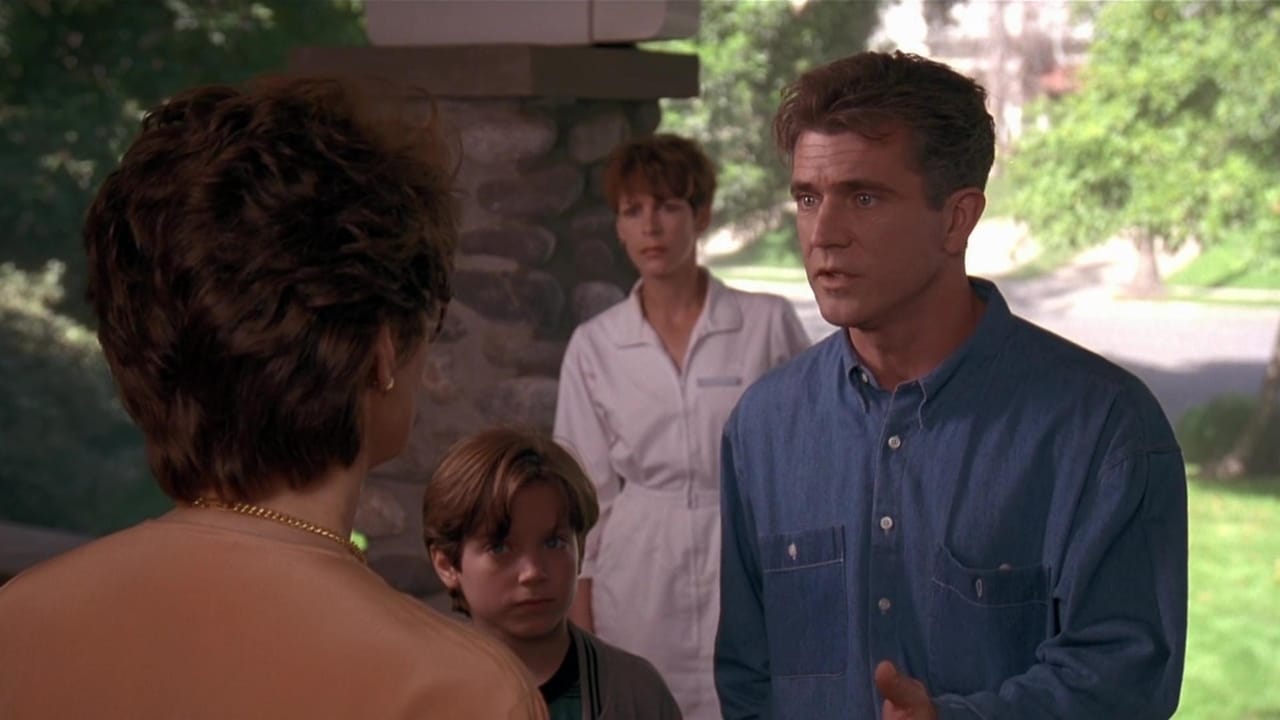
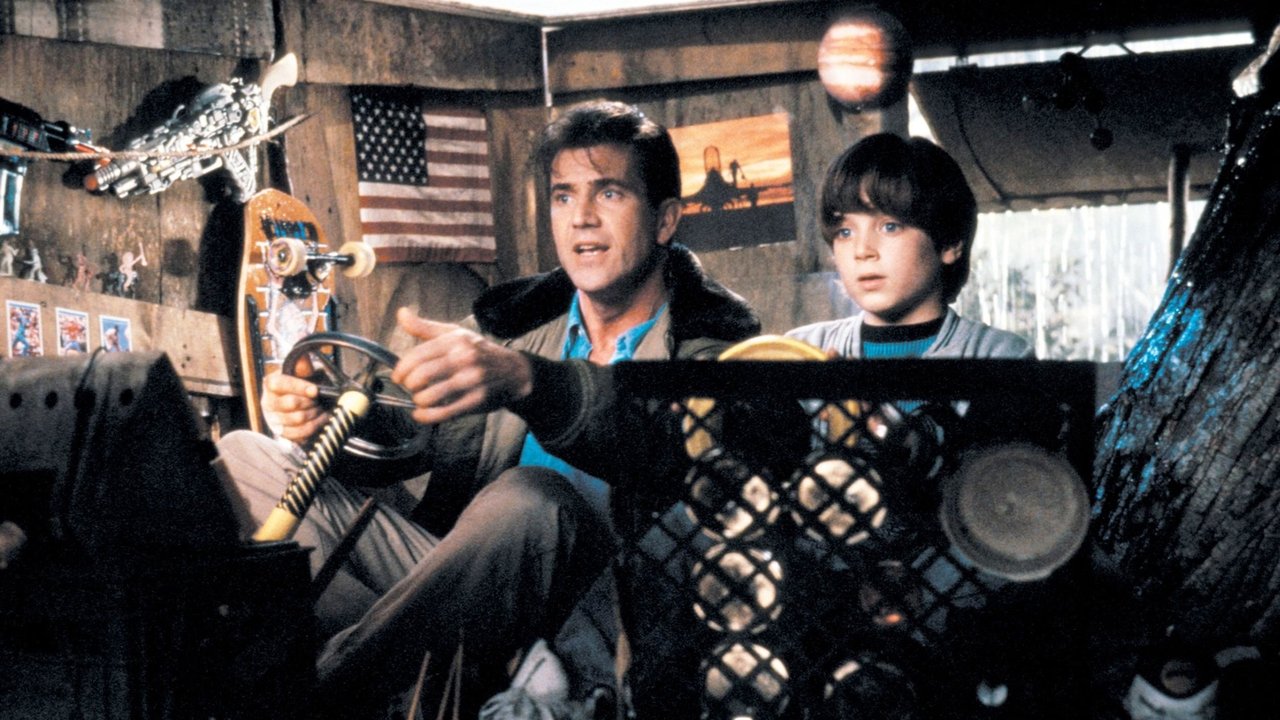
Fast forward fifty years, and Daniel is accidentally "thawed" by two kids—Nat (Elijah Wood) and his friend—playing in an old military storage site. The science is, frankly, about as sturdy as a wet paper towel, but the film doesn't care. It’s far more interested in how a man from the "Greatest Generation" reacts to 1992, a world of colorful windbreakers, Reagan-era leftovers, and the realization that his best friend is long gone.
A Masterclass in Subversive Sentiment
What keeps the film from dissolving into a puddle of sap is the chemistry between the leads. Mel Gibson has always been at his best when he balances that manic energy with a wounded, puppy-dog vulnerability. As Daniel, he plays the "man out of time" with a graceful confusion. He isn't terrified of the future; he's just deeply, profoundly lonely.
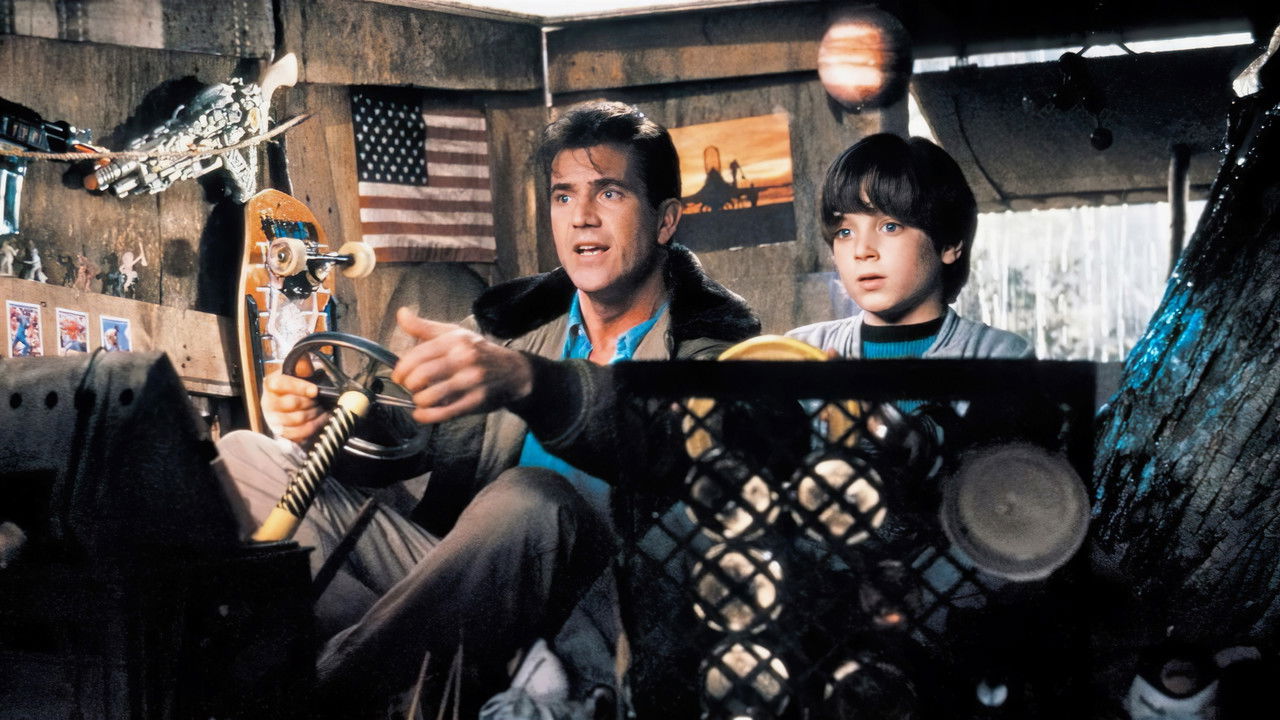
The real heart of the movie, however, isn't the romance—it's the surrogate family Daniel finds. Jamie Lee Curtis plays Claire, Nat’s single mother, with a grounded, weary charm that provides a necessary counterweight to the fantastical premise. But it’s the young Elijah Wood who steals the show. Long before he was carrying the One Ring, Wood was the definitive "movie kid" of the nineties. He has this incredible ability to look at an adult with a mix of awe and skepticism that makes the relationship between him and Daniel feel earned rather than forced. Their bond is the film’s true engine, turning a sci-fi tragedy into a story about finding a reason to keep living when your "era" has expired.
The $128 Million Hug
By today’s standards, a mid-budget romantic drama about a frozen pilot would likely be relegated to a streaming service with a "Skip Intro" button. But in 1992, this was a certified blockbuster. Produced by Gibson’s own Icon Productions and distributed by Warner Bros., the film turned its $20 million budget into a staggering $128 million worldwide. It captured a specific cultural moment: a longing for the perceived moral clarity of the 1940s filtered through the technical gloss of the 1990s.
The production value is peak "Old Hollywood." Russell Boyd’s cinematography gives the 1939 sequences a golden, nostalgic glow, while the legendary Jerry Goldsmith delivers a score that is unapologetically lush. The B-25 Mitchell bomber sequences look fantastic because they used real planes, a reminder of the era's reliance on practical effects over digital shortcuts. Even the aging makeup on the film's climax—while perhaps a bit "Spirit Halloween" by 2024 standards—carries an emotional weight that CGI rarely replicates.
Why It Still Works
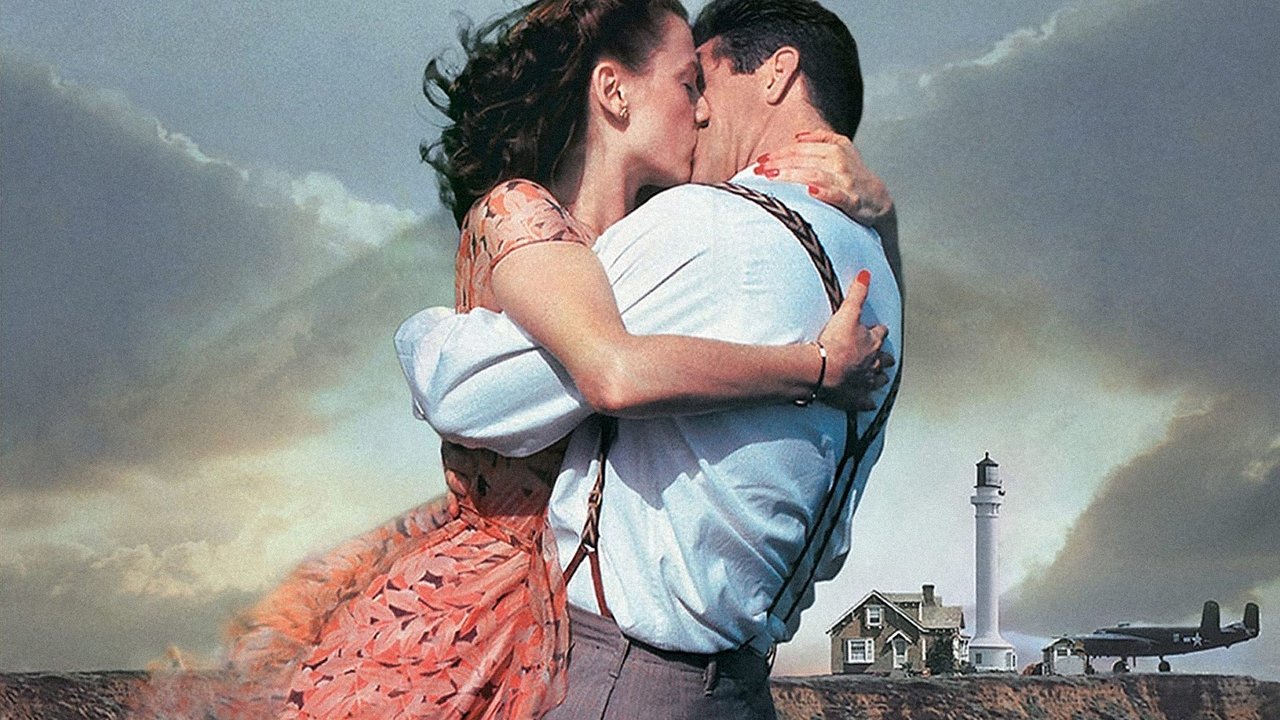
Is it predictable? Absolutely. You can see the ending coming from the moment the freezer door clicks shut in the first act. But there’s a comfort in that predictability. Forever Young is a film that believes in the endurance of love and the idea that nobody is ever truly lost. It’s a drama that wears its heart on its sleeve, and while the plot relies on more coincidences than a daytime soap opera, it succeeds because it treats its characters with genuine respect.
It’s the kind of movie that reminds me why we used to go to the cinema just to see a "good story." It doesn't need a post-credits scene or a cinematic universe. It just needs a man, a plane, and a woman worth waiting fifty years for.
Forever Young remains a quintessential piece of early 90s filmmaking—a time when high concepts and big stars could create something both commercially massive and deeply personal. It’s sentimental, sure, but it’s the kind of sentiment that feels earned. If you haven't seen it since the VHS days, it’s worth a revisit; some things, much like Capt. Daniel McCormick, actually do age surprisingly well.
Keep Exploring...
-

Phenomenon
1996
-

The Twilight Saga: New Moon
2009
-

The Twilight Saga: Eclipse
2010
-

The Twilight Saga: Breaking Dawn - Part 2
2012
-
Ghost
1990
-

The Fountain
2006
-
Bird on a Wire
1990
-
Final Fantasy: The Spirits Within
2001
-

Shallow Hal
2001
-
Twilight
2008
-

17 Again
2009
-
Upside Down
2012
-
Mary Shelley's Frankenstein
1994
-
City of Angels
1998
-
The Horse Whisperer
1998
-
Pokémon the Movie 2000
1999
-

Crouching Tiger, Hidden Dragon
2000
-
The Beach
2000
-
Shrek 2
2004
-
The Twilight Saga: Breaking Dawn - Part 1
2011