Glengarry Glen Ross
"The American Dream is a cold-call that goes to voicemail."
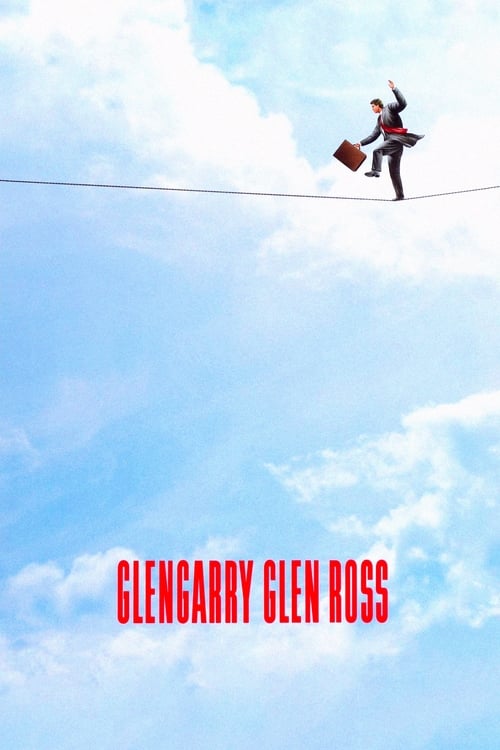
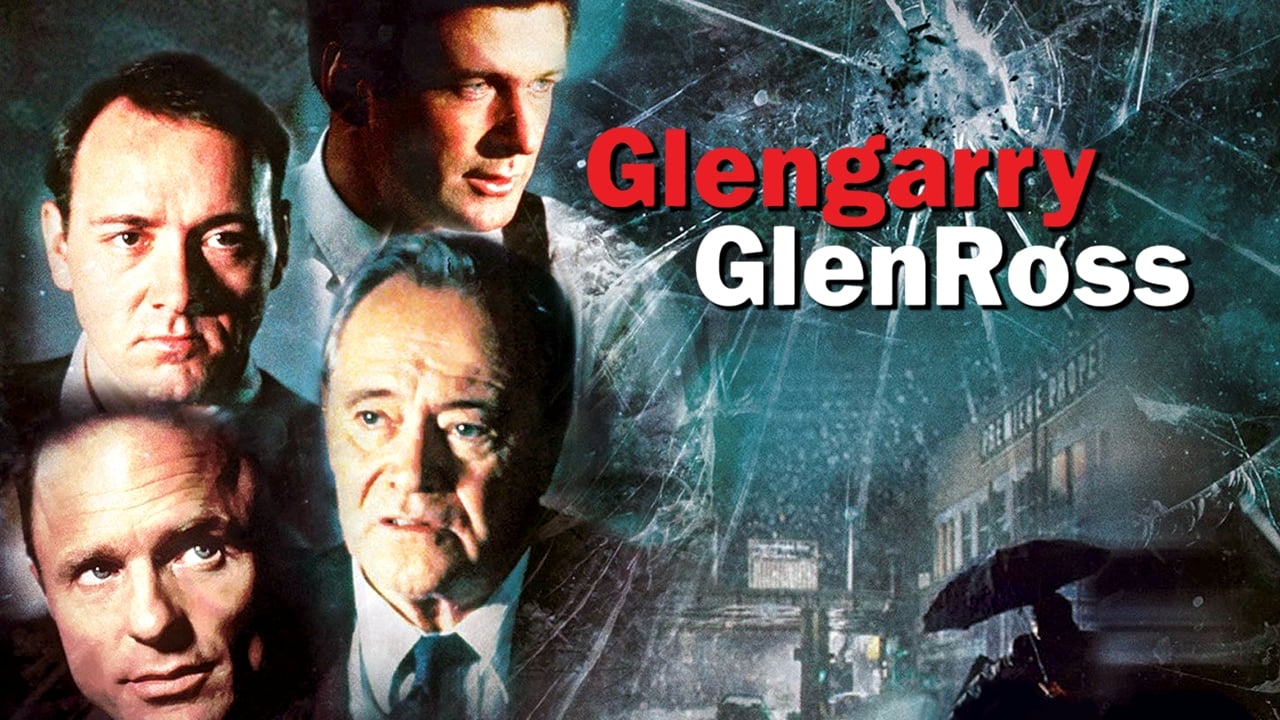
The rain in James Foley’s Glengarry Glen Ross doesn't feel like weather; it feels like a persistent, liquid judgment. It’s 1992, the neon signs of a Chinese restaurant are bleeding blue and red across the pavement, and four real estate salesmen are drowning in a Brooklyn office that looks like it hasn't been dusted since the Truman administration. This isn't the slick, "Greed is Good" excess of the 1980s. This is the 1990s hangover—the grim realization that the ladder of success is missing half its rungs and the bottom is a long, hard drop into obscurity.
The Poetry of the Professional Panic
I’ve always found it ironic that a movie about men who can’t stop talking was such a quiet failure at the box office. With a budget of $12.5 million, it barely scraped together $10 million in theaters. It’s easy to see why 1992 audiences stayed away; this isn't "entertainment" in the traditional, escapist sense. It’s a pressure cooker. David Mamet, adapting his own Pulitzer-winning play, writes dialogue with a rhythmic, percussive foulness that feels like jazz played on a broken typewriter.
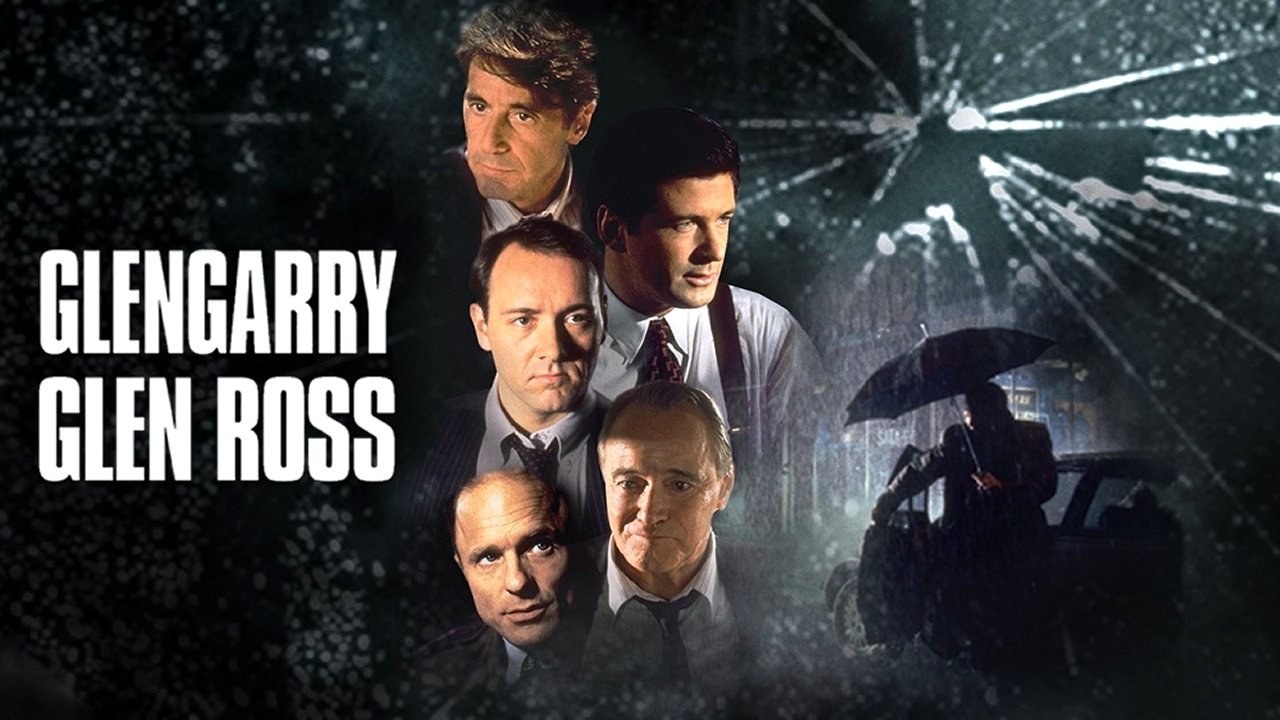
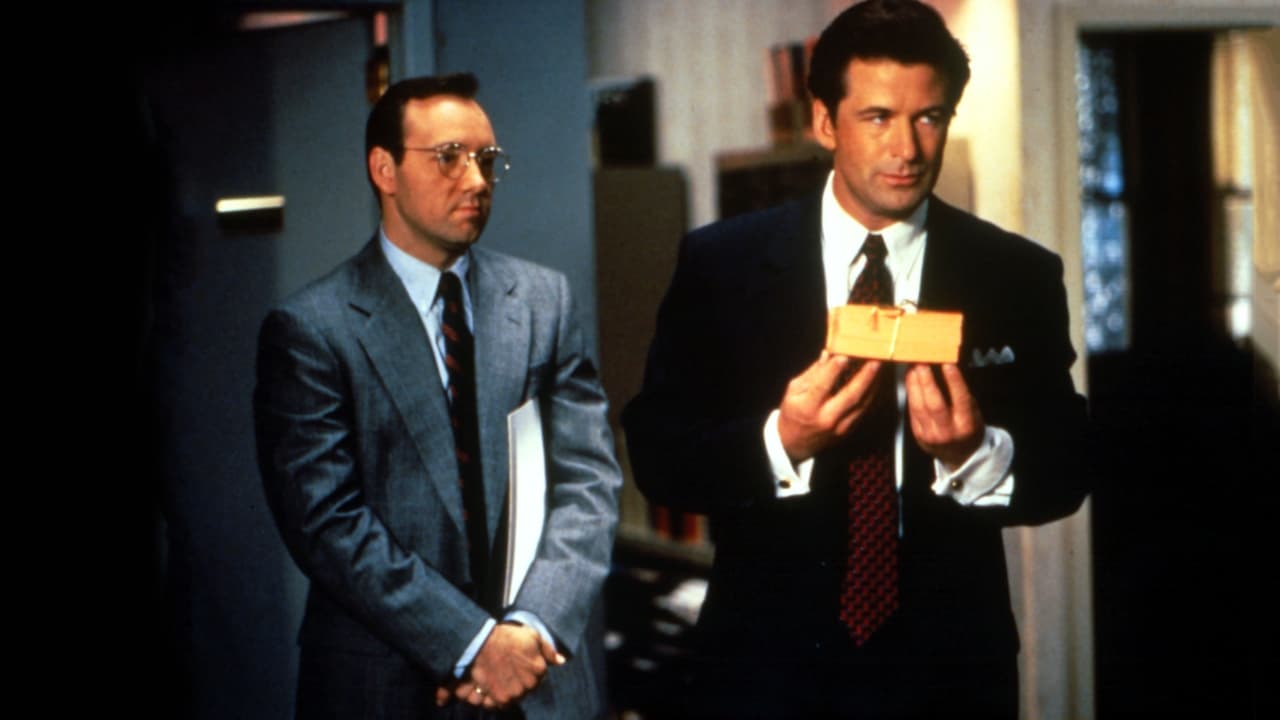
The plot is deceptively simple: the "front office" sends a corporate hitman named Blake (Alec Baldwin) to tell a room of veteran salesmen that they have one week to close or they’re fired. First prize is a Cadillac. Second prize is a set of steak knives. Third prize is "you’re fired." Alec Baldwin’s seven-minute cameo is the stuff of cinema legend, a masterclass in calculated cruelty. He isn't playing a person; he’s playing the personification of a predatory market. He delivers his lines with the casual grace of a man who has never had to worry about a mortgage in his entire life.
A Murderer’s Row of Desperation
While Alec Baldwin grabs the headlines, the soul of the film lives in Jack Lemmon. As Shelley "The Machine" Levene, Jack Lemmon delivers a performance so fragile it’s almost physically painful to watch. I’ve seen him be funny, and I’ve seen him be charming, but here he is a man who has completely run out of road. Watching him try to "sell" a lead over the phone while his eyes scream with terror is one of the most honest depictions of aging in the American workforce ever captured on film.
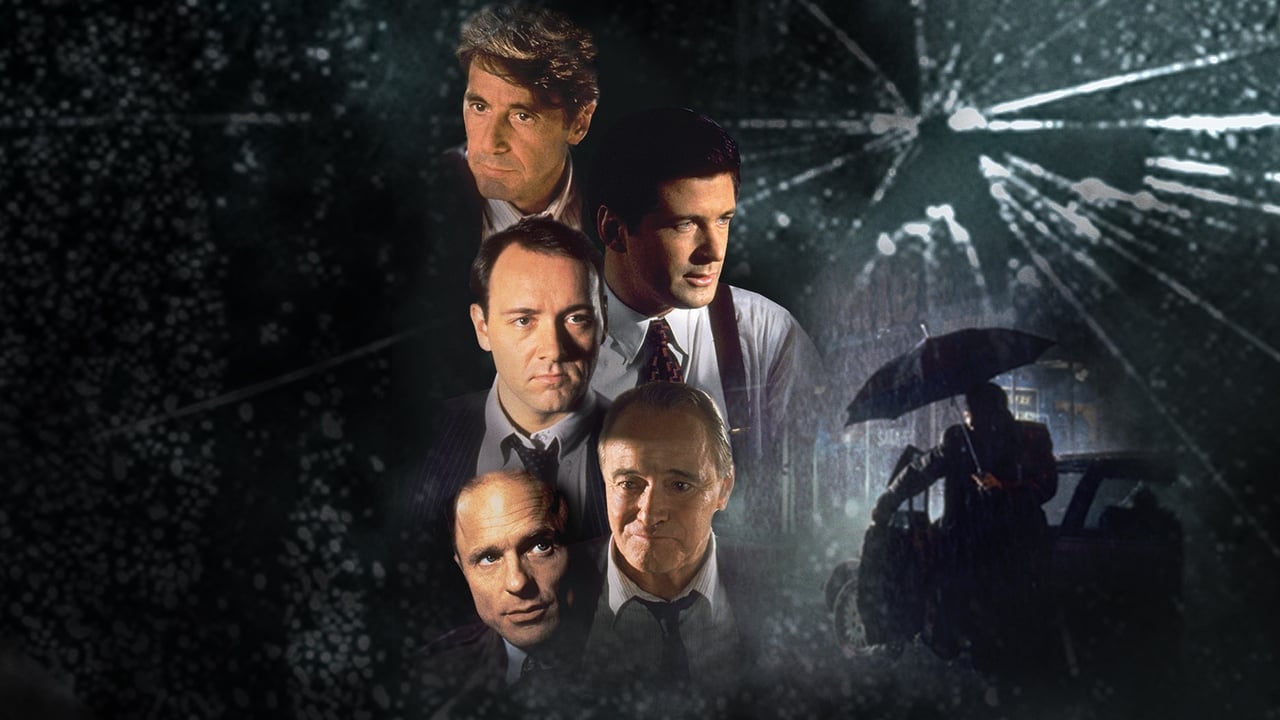
Then you have Al Pacino as Ricky Roma. This was right around the time Al Pacino started leaning into his "Hoo-ah!" shouting phase (looking at you, Scent of a Woman), but here he’s remarkably controlled. He doesn't need to shout to dominate a room; he seduces. His opening monologue to a mark in a bar is a terrifying display of how a shark circles its prey with philosophy and feigned empathy. Ed Harris and Alan Arkin round out the office as the disgruntled, cynical duo plotting a heist of the "Glengarry leads," and their chemistry feels like two dogs fighting over a bone that has no meat left on it.
I actually watched this film for the third time on a Tuesday evening while eating a bowl of lukewarm cereal, and the sheer hostility of the office environment made me feel like I needed to apologize to my own boss for a typo I made three years ago. It has that effect on you.
Why This Lost Gem Found a Second Life
It’s fascinating to look back at Glengarry Glen Ross as a bridge between the analog 80s and the digital 2000s. There are no computers here. Just index cards, rotary phones, and the desperate sound of shoe leather on wet pavement. It’s a "Modern Cinema" piece that feels ancient, focusing on the primal need to provide in a system that views human beings as disposable assets.
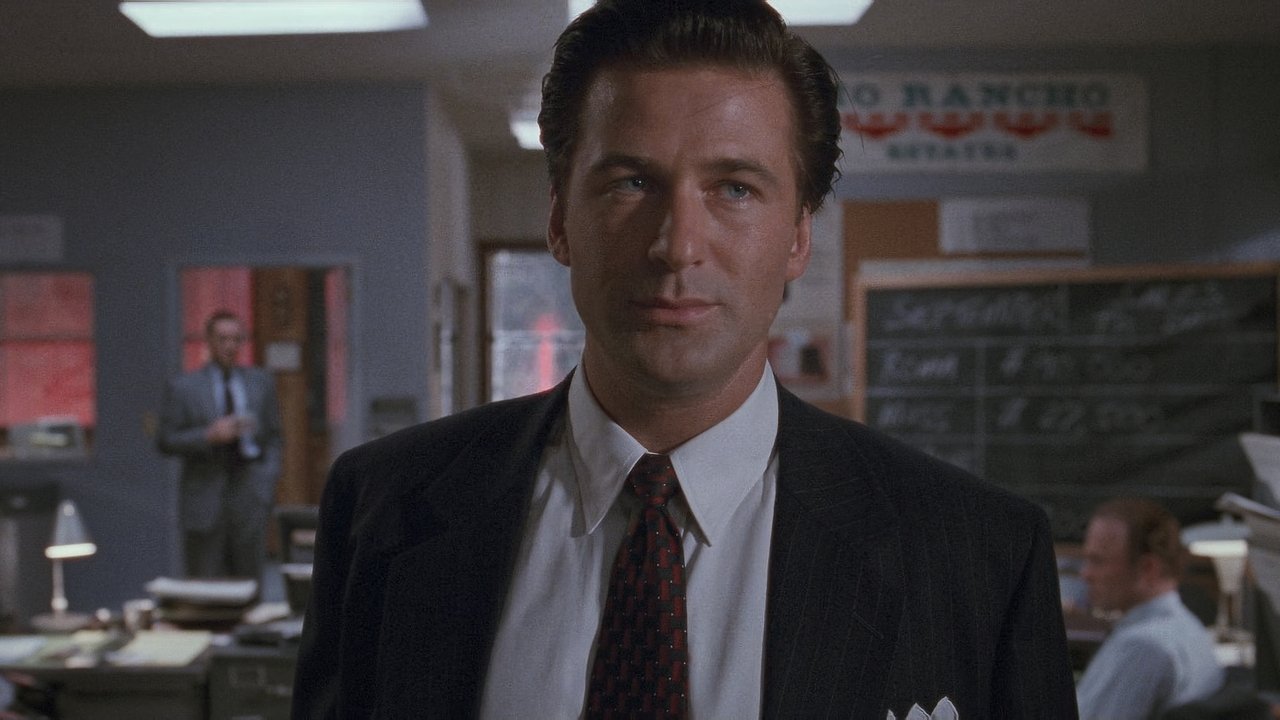
The reason it survived its box office failure and became a cult classic through the DVD era is because it speaks to anyone who has ever felt the thumb of management on their neck. James Foley avoids the "stagey" feel of most play-to-film adaptations by using Juan Ruiz Anchía’s cinematography to create a claustrophobic, noir-inspired world. The office is a cage, and the camera lingers on the sweat, the cheap suits, and the ticking clock. The score by James Newton Howard is equally brilliant—low-key, jazzy, and mournful, underscoring the fact that there are no winners here, only survivors.
This is a dark, intense look at the high cost of a low-stakes life. It’s not a "fun" watch, but it is an essential one for anyone who appreciates acting at its most unvarnished. Kevin Spacey plays the office manager, John Williamson, with a cold, bureaucratic indifference that makes him the film's true villain—the man who follows the rules because he doesn't have the imagination to do anything else. By the time the credits roll, you’ll feel exhausted, but you’ll also realize you’ve just watched one of the tightest scripts ever written. It reminds me that in the world of sales, as in life, the loudest man in the room is usually the one with the most to lose.
Keep Exploring...
-

Batman: Mask of the Phantasm
1993
-
Arlington Road
1999
-
Primal Fear
1996
-
L.A. Confidential
1997
-
Infernal Affairs
2002
-

Tell No One
2006
-

Mother
2009
-

Batman: Under the Red Hood
2010
-
Batman: The Dark Knight Returns, Part 1
2012
-

Batman: The Dark Knight Returns, Part 2
2013
-
Gone Baby Gone
2007
-
Carlito's Way
1993
-
The Client
1994
-
Breakdown
1997
-

I'm Not Scared
2003
-

Jacob's Ladder
1990
-

Miller's Crossing
1990
-
Bound by Honor
1993
-
Strange Days
1995
-
The Rainmaker
1997