Hard Boiled
"More bullets than dialogue, more heart than expected."
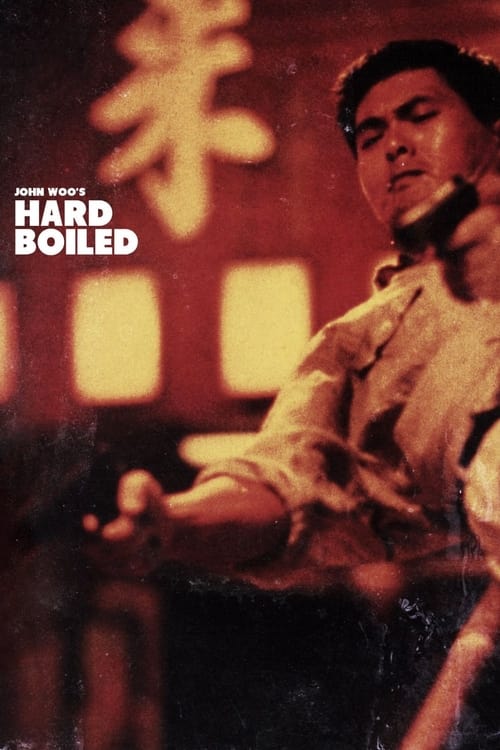
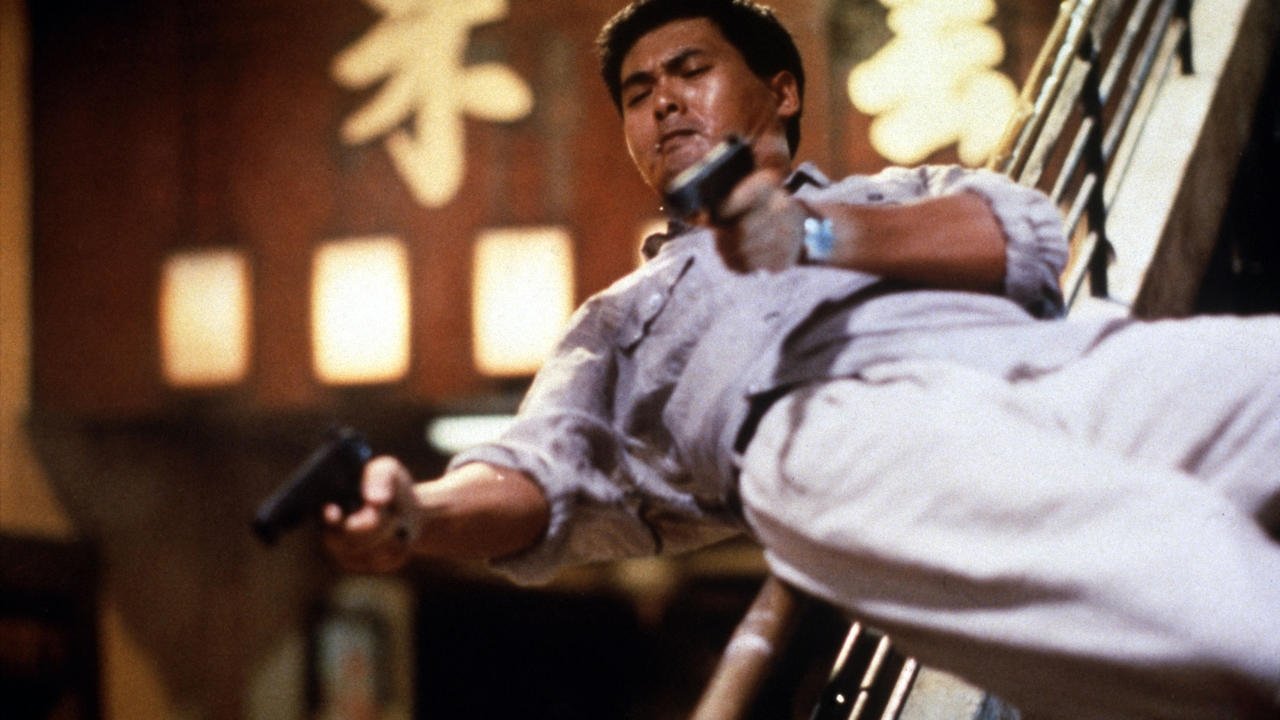
There is a specific smell to a John Woo film—not that you can actually scent a digital file or a dusty DVD, but you know it’s there: a heavy atmosphere of cordite, cheap jazz-club gin, and enough white flour to bake a thousand loaves of bread. The first time I saw Chow Yun-Fat slide down a banister with a 9mm in each hand, spraying lead like a broken garden hose, I realized that every action movie I’d seen up to that point had been holding out on me.
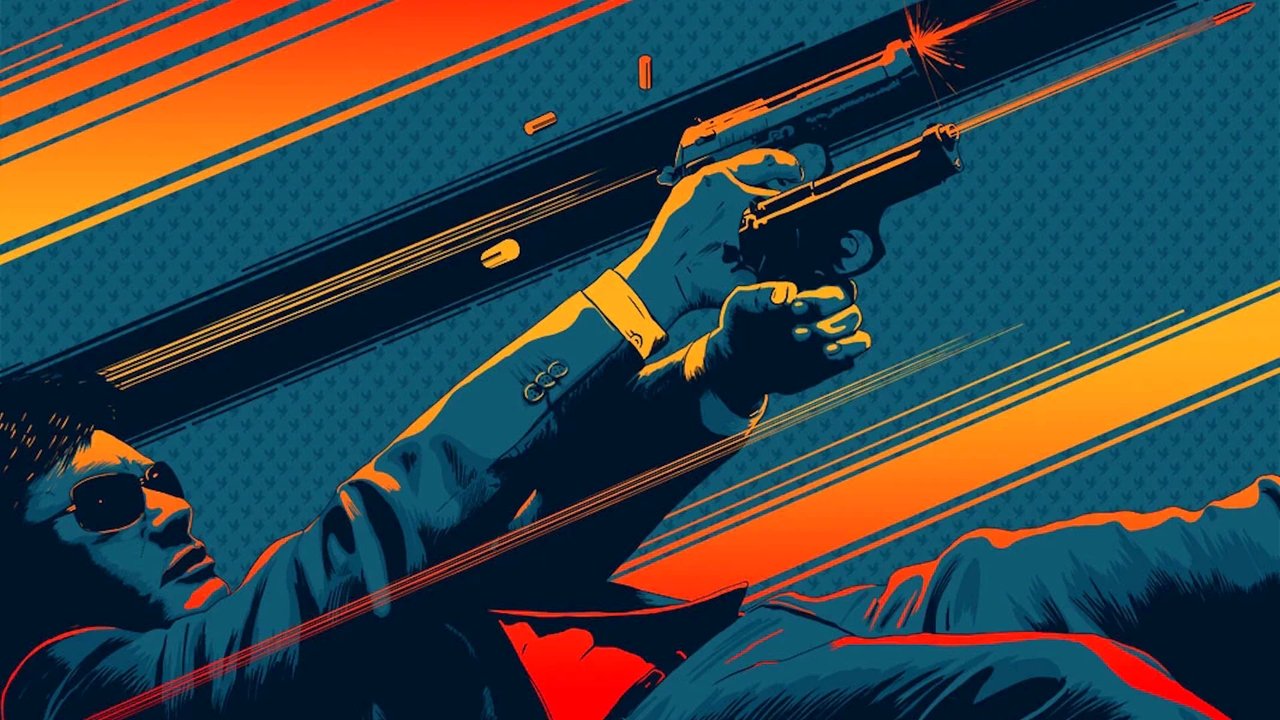
I actually watched this for the third time last Tuesday while my neighbor was loudly practicing the tuba, and strangely, the rhythmic oom-pah of his scales synced up perfectly with the reload clicks of Tequila’s Beretta. It made the whole experience feel like a demented Broadway musical where the choreography is written in blood and shattered glass.
The Handover Anxiety and Heroic Bloodshed
Released in 1992, Hard Boiled arrived at a fascinating crossroads for Hong Kong cinema. The 1997 handover to China was looming like a thunderstorm on the horizon, and you can feel that frantic, "last days of Pompeii" energy in every frame. This wasn't just an action movie; it was John Woo’s grand farewell to the city that made him before he headed to Hollywood to make Broken Arrow and Face/Off.
Looking back, the film captures a transition from the gritty, analog 1980s into the hyper-stylized 90s. There’s no CGI to save anyone here. When a wall explodes, it’s because a technician rigged actual explosives to a real wall. When Chow Yun-Fat (as Insp. 'Tequila' Yuen) or Tony Leung (as the undercover Alan) dive through a window, they’re contending with real gravity and very real glass. Modern action movies are essentially polite suggestions compared to the screaming, bloody demand for attention that is Hard Boiled. There is a weight to the violence that feels absent in our current era of green-screen safety nets.
The Art of the Impossible Shootout
The plot is a classic undercover-cop-meets-loose-cannon setup, but the execution is where the "Indie Gem" spirit shines through, despite its polished look. It’s a well-known bit of trivia that the script was basically a living document. The original writer, Barry Wong, passed away during production, leaving John Woo and Gordon Chan to piece the narrative together as they went. Originally, the villain was supposed to be a psychopath who poisoned baby formula, but they pivoted to a gun-smuggling ring, which, honestly, feels much more in line with the film’s operatic tone.
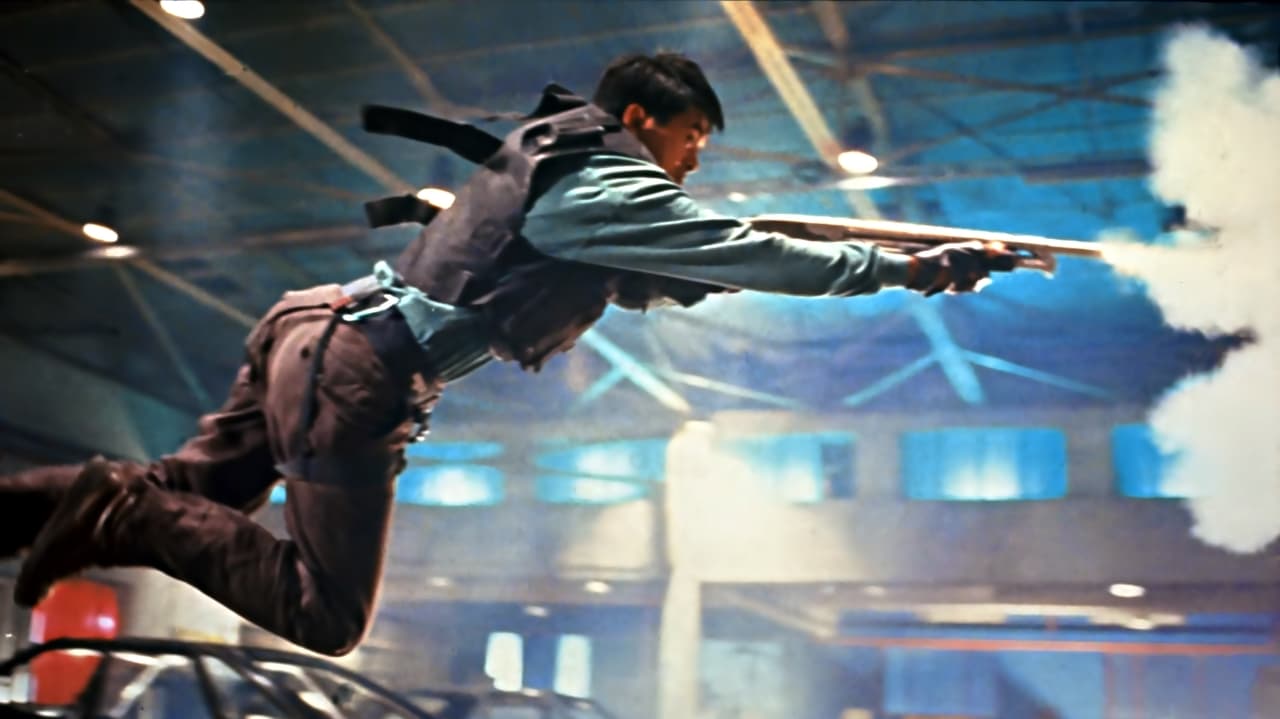
The centerpiece is, of course, the hospital sequence. It’s forty minutes of sustained mayhem that makes the finale of most blockbusters look like a nap in a library. There’s a famous "long take" through the hospital corridors where Tequila and Alan clear out floor after floor. What’s wild is that the crew only had one hallway set. During the 30 seconds the actors are in the elevator, the entire crew was frantically redressing the hallway outside to look like a different floor. It’s the kind of shoestring-budget ingenuity that defines the era—if you don't have the money for ten sets, you hire a crew that can move like lightning.
A Duo for the Ages
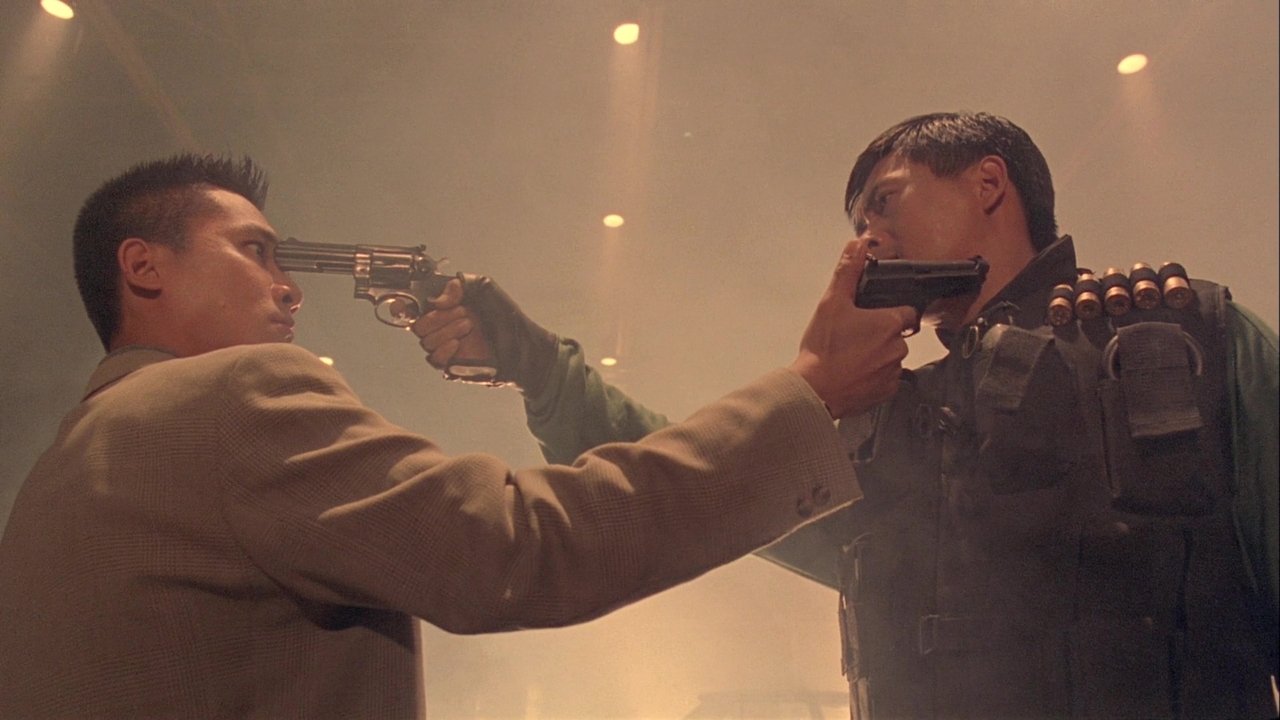
While the body count is legendary (topping out at over 300), the movie works because of the chemistry between the leads. Chow Yun-Fat is the ultimate cool, a man who plays the clarinet in a jazz bar to wash away the day's grime. But Tony Leung provides the soul. His portrayal of Alan—a man so deep undercover he’s forgotten where the mask ends and his face begins—is devastating. There’s a scene involving a paper crane and a silenced pistol that carries more emotional weight than entire trilogies of modern dramas.
The villain, Johnny Wong, played with oily perfection by Anthony Wong, is the perfect foil. He’s the corporate version of evil, contrasting with the "Mad Dog" (played by legendary stuntman Phillip Kwok, who also choreographed the fights), a man of honor who just happens to be on the wrong side of the gun. The final showdown between Mad Dog and our heroes in the nursery—yes, they fight in a room full of literal babies—is a masterclass in tension. Seeing Tequila try to protect a crying infant while dual-wielding pistols is the kind of "only in the 90s" imagery that either makes you cheer or check your pulse.
The Legacy of the Squib
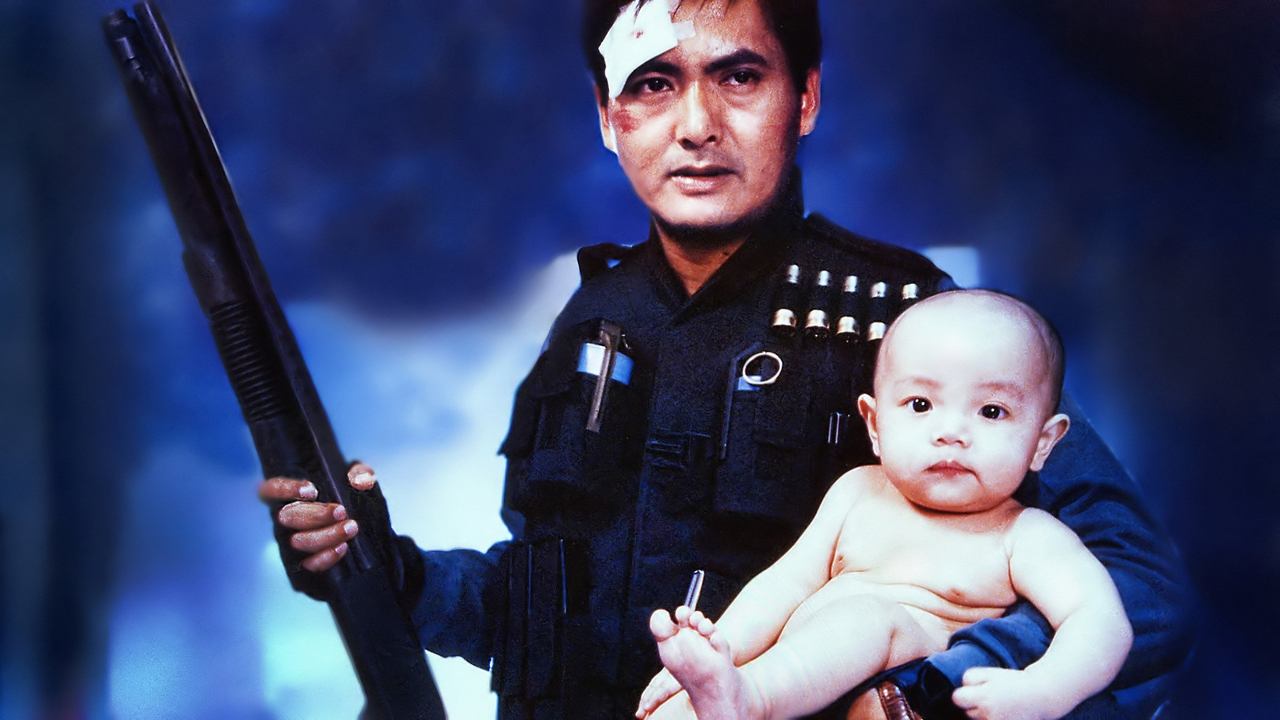
We don't see movies like this anymore because we literally can't make them like this anymore. The safety regulations and the shift toward digital blood-splatter have sanitized the genre. In Hard Boiled, the sparks are real, the dust is thick, and the actors are frequently covered in actual debris. If you think modern superhero fights have "stakes," you’ve been lied to by a motion-capture suit.
The film serves as a reminder of what can be achieved when a director is given the freedom to be "excessive" in the pursuit of a vision. It’s loud, it’s over-the-top, and it’s unashamedly sentimental about male friendship and the price of duty. It’s a dark, intense ride that leaves you feeling like you’ve just run a marathon through a fireworks factory.
Hard Boiled remains the gold standard for the "Heroic Bloodshed" subgenre, a film that balances poetic tragedy with the most inventive action choreography ever committed to celluloid. It’s a testament to a time when Hong Kong was the undisputed capital of action cinema. Whether you’re here for the iconic jazz-infused opening or the staggering hospital climax, it’s a journey that demands to be seen on the biggest screen you can find. Just maybe turn off the tuba music first.
Keep Exploring...
-
The Killer
1989
-
Face/Off
1997
-
Infernal Affairs
2002
-
Felon
2008
-

The Chaser
2008
-

Blood and Bone
2009
-
The Girl Who Kicked the Hornet's Nest
2009
-
The Man from Nowhere
2010
-
Undisputed III: Redemption
2010
-
The Raid
2012
-
The Raid 2
2014
-
El Mariachi
1993
-
Point Break
1991
-
Bound by Honor
1993
-
Hard Target
1993
-
From Dusk Till Dawn
1996
-
Reservoir Dogs
1992
-
Shallow Grave
1994
-
Bound
1996
-
The Girl Who Played with Fire
2009