Home Alone 2: Lost in New York
"Lost in the city, but never out of tricks."
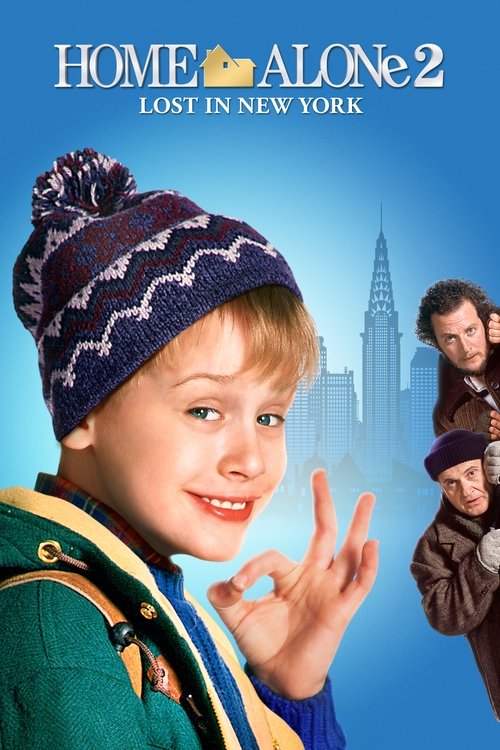
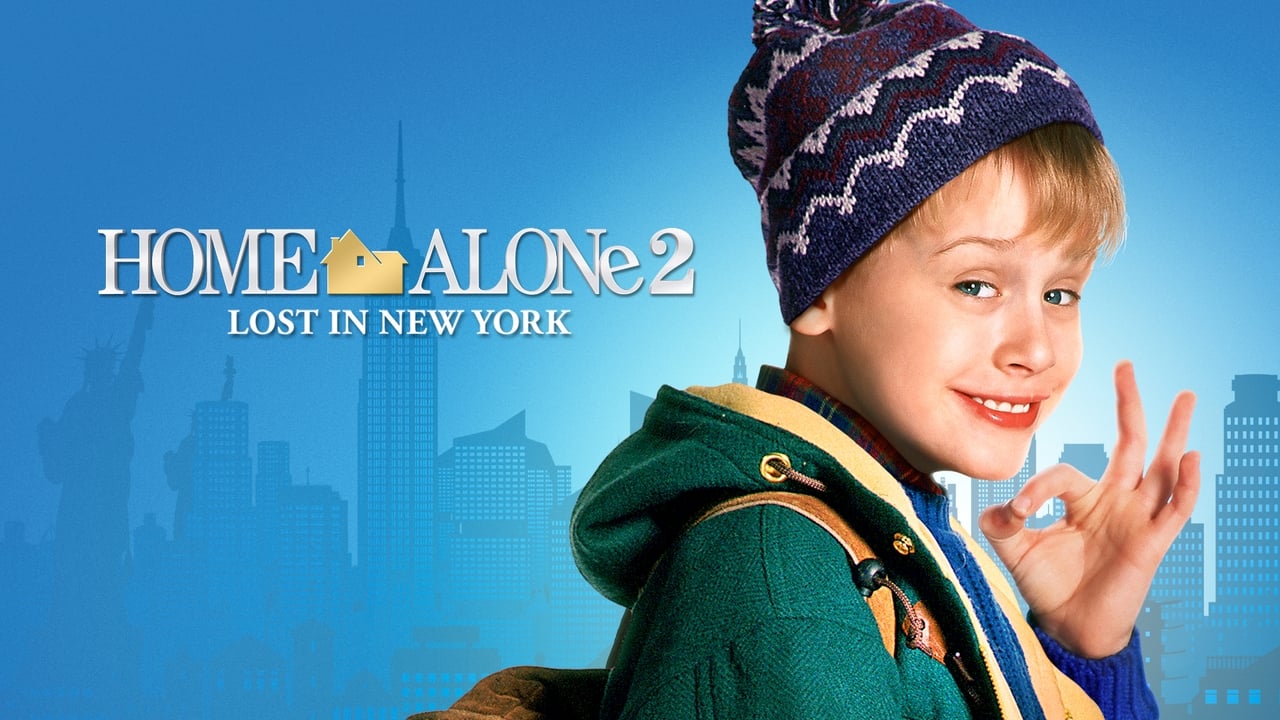
In 1992, the concept of the "carbon copy sequel" hadn't yet become a dirty word in Hollywood; it was a business model. After the first Home Alone turned a modest budget into a global phenomenon, director Chris Columbus and writer John Hughes weren't looking to reinvent the wheel. They just wanted to put that wheel on a much faster, much more expensive car and drive it straight into the heart of Manhattan. This film is the quintessential 90s blockbuster: bigger, louder, and shamelessly repetitive, yet somehow it manages to capture a specific brand of holiday magic that modern CGI-heavy family films often miss.
I watched this most recent screening while wearing a slightly itchy wool sweater that made me feel like an extra in the background of the O'Hare airport scene, and honestly, the physical discomfort only added to the festive immersion.
A New York State of Mind
The shift from the cozy suburbs of Illinois to the sprawling, intimidating skyline of New York City transforms the film from a home-invasion thriller into a genuine urban adventure. While the first movie was about Kevin McCallister defending his territory, the sequel is about him conquering new ones. We see Macaulay Culkin at the absolute peak of his "precocious kid" powers, navigating the Plaza Hotel with a confidence that feels earned rather than annoying.
The production design here is top-tier 90s excess. The "Duncan’s Toy Chest" set—which was actually filmed in Chicago but felt like the ultimate NYC destination—remains one of the most effective pieces of "wish fulfillment" cinema ever put to film. It tapped into that specific pre-internet era where a toy store felt like a sacred cathedral of plastic and wonder. John Williams returns with a score that is, frankly, better than a slapstick comedy deserves. His "Somewhere in My Memory" theme is the secret ingredient that keeps the movie from feeling like a cynical cash grab. It provides the emotional tether that connects Kevin’s isolation to the grander, colder world of the city.
The Art of the Cartoonish Takedown
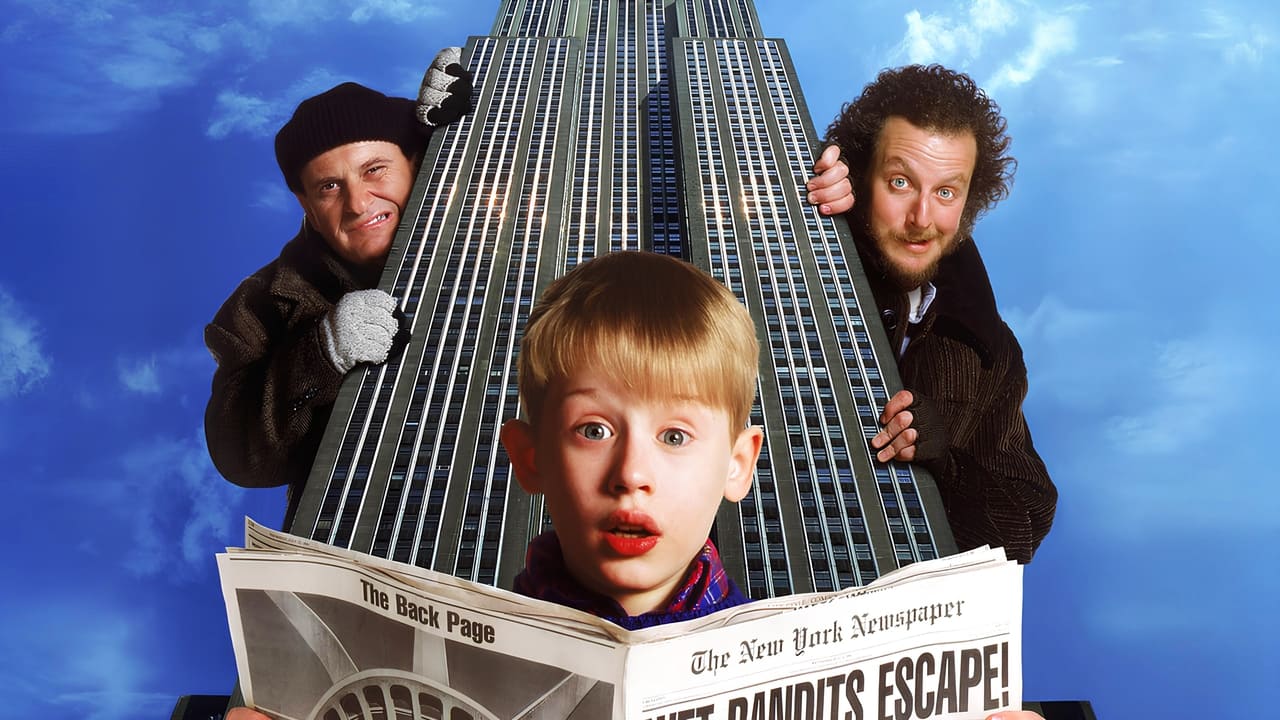
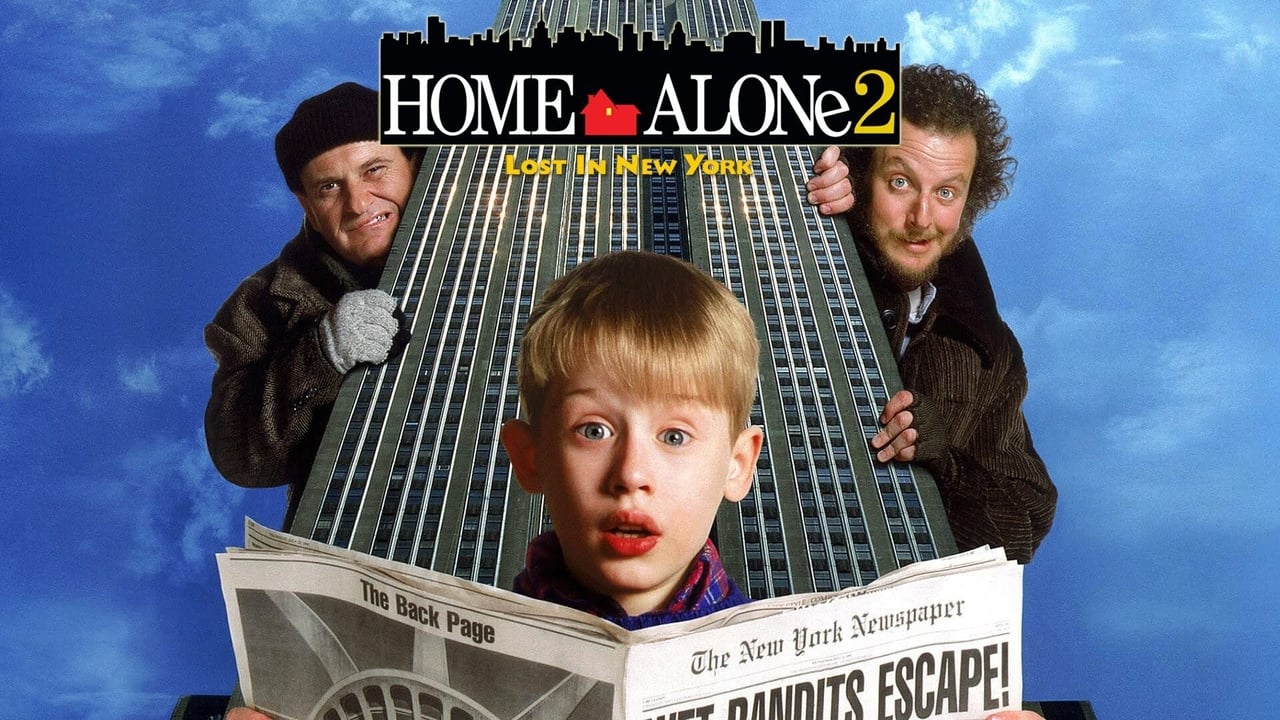
We have to talk about the Wet Bandits—or the "Sticky Bandits," as Daniel Stern’s Marv desperately tries to rebrand them. Joe Pesci and Daniel Stern deserve some kind of athletic achievement award for the sheer amount of physical punishment they endure in this film. By 1992, audiences knew the drill, so John Hughes dialed the violence up to Looney Tunes levels.
Looking back, the third-act "house of horrors" (this time a renovated brownstone) is a masterpiece of practical effects and stunt coordination. There is a weight and a crunch to the traps that you just don't get with modern digital effects. When a bag of cement hits Daniel Stern in the face, or Joe Pesci’s head is set on fire for the second time in two years, you feel the impact. The Wet Bandits should have died approximately six times during the third act, but their supernatural durability is part of the charm. It’s a live-action cartoon that treats physics as a suggestion rather than a law.
Supporting Stars and Era Quirks
What keeps Home Alone 2 from being a total retread is the upgraded supporting cast. Tim Curry as the suspicious concierge is a masterclass in oily, comedic villainy. Every "Credit card? YOU GOT IT" he utters is delivered with the kind of theatrical relish only he can provide. Paired with a young Rob Schneider and Dana Ivey, the hotel staff segments provide a sophisticated comedic counterpoint to the broader slapstick happening on the streets.
Then there’s the "Pigeon Lady," played by Brenda Fricker. In a film defined by high-octane hijinks, her scenes in the attic of Carnegie Hall provide the necessary breath of air. The Pigeon Lady is actually a deeper, more heartbreaking character than Kevin’s own parents, serving as the emotional anchor that the first film’s Old Man Marley provided. It’s a testament to the era’s filmmaking that a blockbuster could pause its chaos for five minutes to have a quiet conversation about heartbreak and birdseed.
The film is undeniably a remix. It hits every single beat of the original—the scary neighbor, the black-and-white gangster movie, the airport sprint, the final reunion—often in the exact same order. But the New York backdrop and the elevated production values make it a rare sequel that feels like an expansion rather than a dilution. It’s a time capsule of a version of New York that exists primarily in our collective cinematic memory: snowy, slightly dangerous, and filled with grand hotels where a kid with a Talkboy could rule the world for a weekend. It’s not "elevated" cinema, but it’s a perfect example of the 90s blockbuster machine firing on all cylinders.
Keep Exploring...
-
Home Alone
1990
-
Mrs. Doubtfire
1993
-
Teenage Mutant Ninja Turtles
1990
-
Hook
1991
-
Baby's Day Out
1994
-
Bean
1997
-
Dennis the Menace
1993
-
Spy Kids
2001
-

The SpongeBob SquarePants Movie
2004
-

Wallace & Gromit: The Curse of the Were-Rabbit
2005
-
101 Dalmatians
1996
-

DuckTales: The Movie - Treasure of the Lost Lamp
1990
-
Teenage Mutant Ninja Turtles II: The Secret of the Ooze
1991
-
Homeward Bound: The Incredible Journey
1993
-
The Three Musketeers
1993
-

The Swan Princess
1994
-
A Goofy Movie
1995
-

A Bug's Life
1998
-
Shrek
2001
-

Ice Age
2002