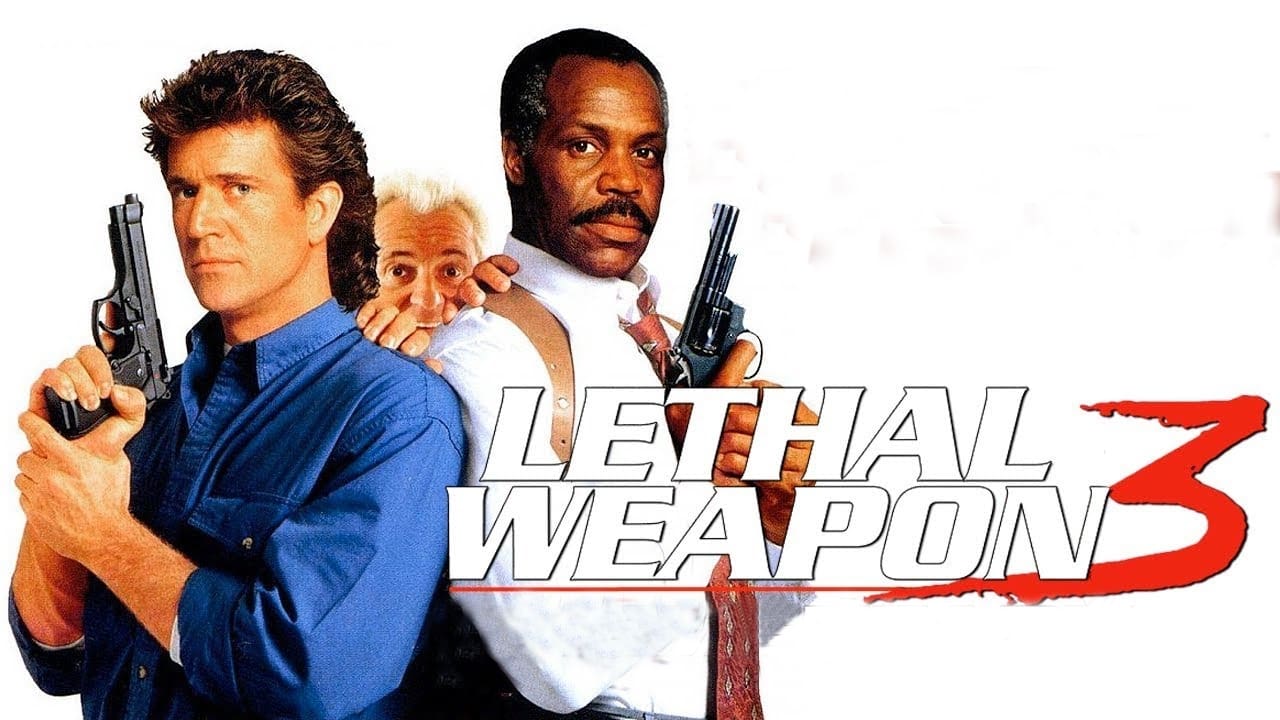
Lethal Weapon 3
"Same badges, new scars, and a bigger fuse."
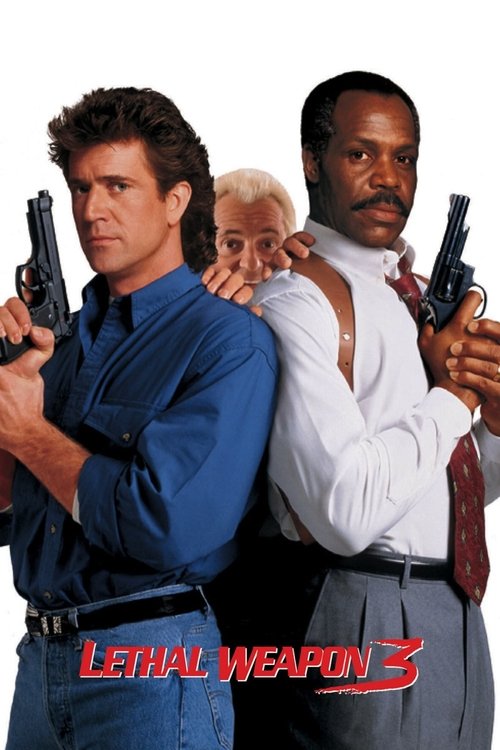
If you want to understand the transition from the grimy, synth-heavy 80s to the neon-drenched, pyrotechnic-obsessed 90s, look no further than the Soreno Hotel in St. Petersburg, Florida. In early 1992, director Richard Donner didn’t just want a cool opening for Lethal Weapon 3; he wanted a statement. So, he spent $500,000 to help a real-world demolition crew blow up a derelict seven-story building, caught it with multiple cameras, and let Mel Gibson and Danny Glover run away from the dust cloud in slow motion.
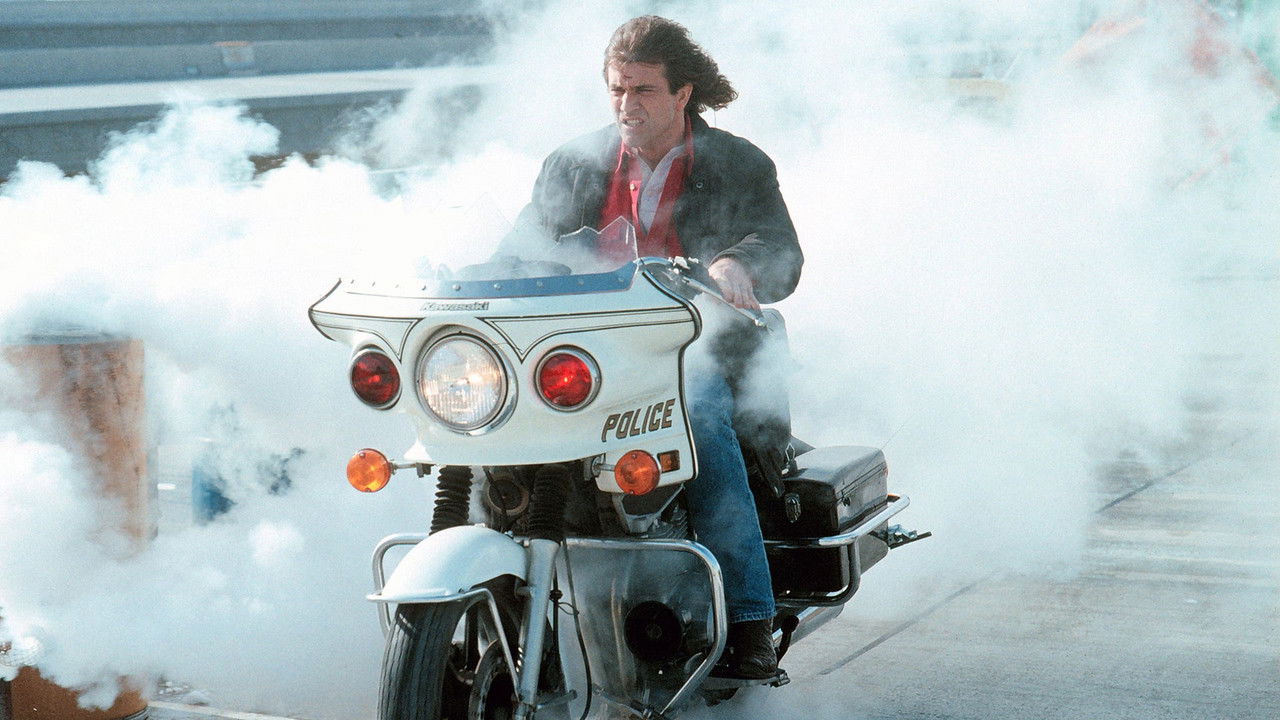
It was the ultimate "event" opening for a franchise that had fully embraced its status as a blockbuster juggernaut. Looking back, this is the exact moment the series stopped being a dark exploration of a suicidal cop’s grief and became a high-octane comedy about two best friends who just happen to own service weapons. I actually watched this recently on a DVD I picked up at a thrift store that had a weird sticky residue on the case—I spent twenty minutes scrubbing it with Windex before the movie even started—and that tactile, analog struggle felt like the perfect primer for a movie made in the twilight of Hollywood’s practical-effects era.
The Chemistry of Chaos
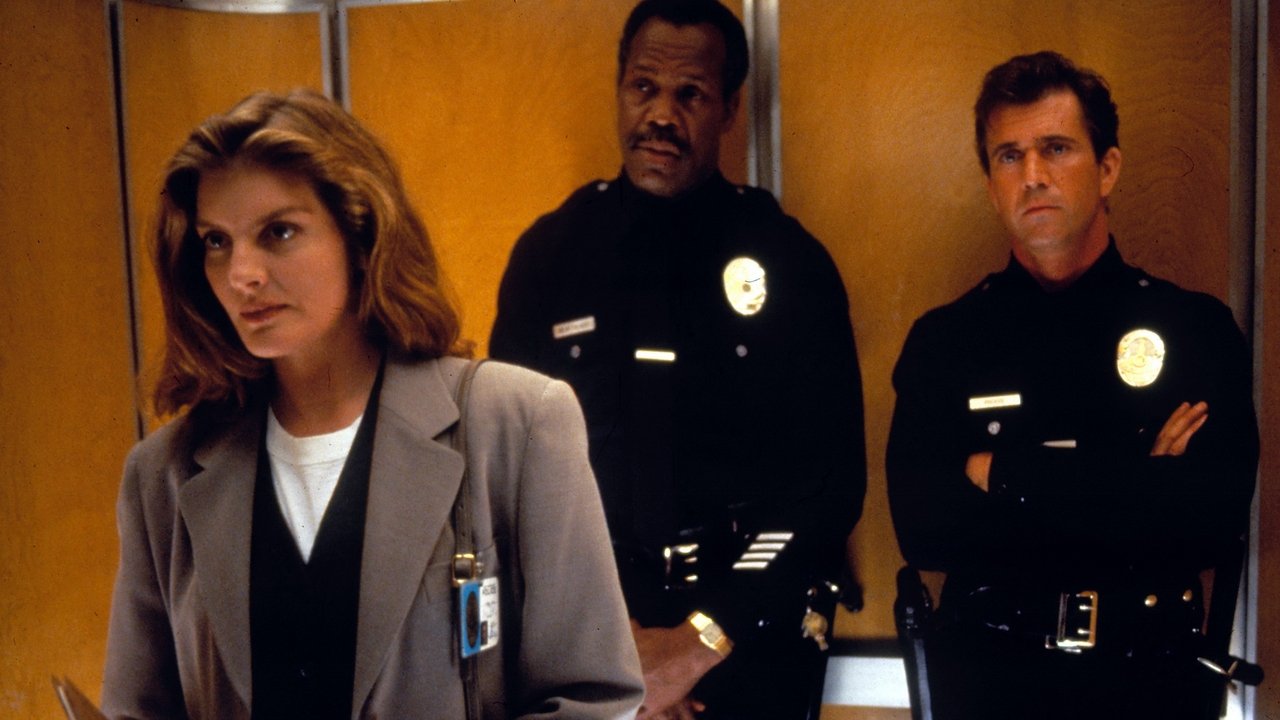
By 1992, the "buddy cop" formula was so well-worn it was practically a uniform, but Mel Gibson and Danny Glover were the gold standard. In this third outing, Gibson’s Martin Riggs has traded his death wish for a collection of eccentricities (including a penchant for eating dog biscuits to quit smoking), while Glover’s Roger Murtaugh is exactly seven days from retirement. We’ve seen the "one week left" trope a thousand times, but Glover plays it with such weary, relatable anxiety that you genuinely want the man to get to his boat, the Seven-Year Itch, in one piece.
The secret sauce this time around, however, isn't just the boys—it's Rene Russo. As Internal Affairs Sergeant Lorna Cole, Russo provides the perfect foil for Riggs. She doesn't just keep up with him; she out-kicks and out-scars him. Their "comparison of wounds" scene, where they flirt by showing off bullet holes and knife slashes, remains one of the most charmingly bizarre romantic moments in action history. It’s a reminder that this movie is essentially a $35 million excuse for two men to flirt while things explode, only now they’ve invited a woman to join the club.
Practical Magic in a Pre-CGI World
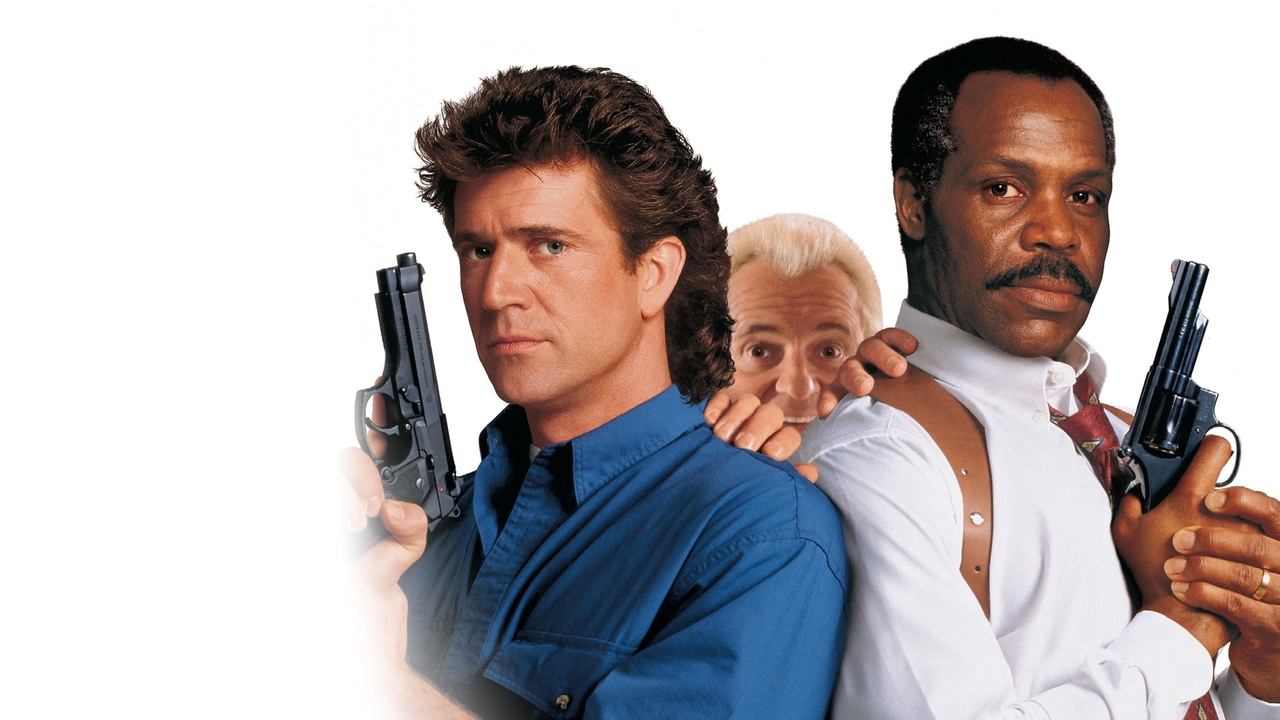
Watching Lethal Weapon 3 today serves as a masterclass in what was lost when Hollywood moved to digital. The action here has a physical weight that modern blockbusters often lack. When a motorcycle jumps a bridge or a housing development goes up in flames, you can feel the heat. There’s a clarity to Donner’s direction and Jan de Bont’s cinematography (right before he’d go on to direct Speed) that ensures you always know where the characters are in the middle of the carnage.
The plot—involving a rogue ex-cop played with oily menace by Stuart Wilson stealing confiscated weapons—is really just a clothesline to hang the set pieces on. But those set pieces are spectacular. The subway chase and the final showdown at the construction site are choreographed with a rhythmic intensity that hits harder because the stunts are real. You aren’t looking at pixels; you’re looking at Mel Gibson (or his very brave stunt double) actually dangling from things.
The film also doubled down on the comedy with the return of Joe Pesci as Leo Getz. While some find his "Okay, okay, okay!" routine a bit grating in this installment, his presence signals the franchise's shift toward an ensemble family vibe. It’s less of a thriller and more of a "greatest hits" tour with people you’ve grown to love.
A Cultural Juggernaut
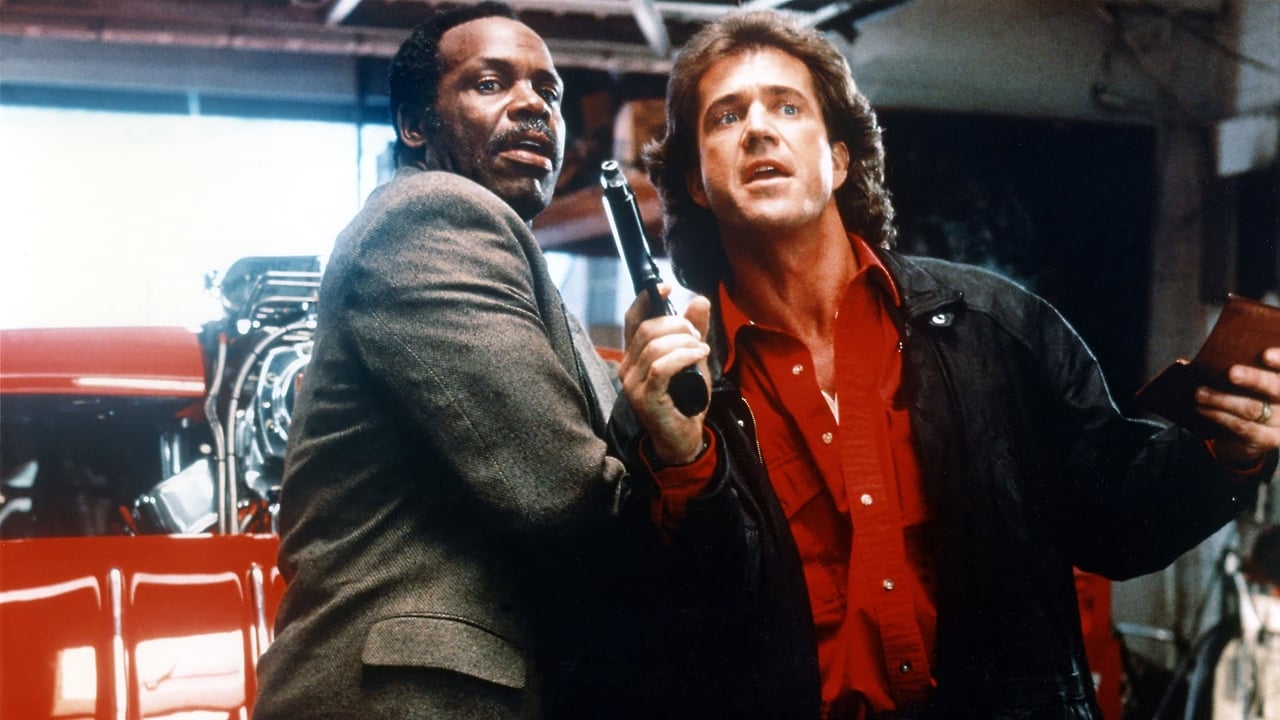
Financially, Lethal Weapon 3 was a monster. It pulled in over $320 million worldwide (roughly $715 million today), making it the second-highest-grossing film of 1992, trailing only Aladdin. It was the peak of the "Silver Pictures" era of production—big budgets, big stars, and even bigger soundtracks (thanks to a smooth-as-silk score by Eric Clapton and David Sanborn).
Interestingly, the film also sparked a real-world conversation about "cop killer" bullets. The screenplay’s focus on armor-piercing ammunition was a hot-button issue at the time, reflecting a growing public anxiety about urban crime in the early 90s. It’s one of the few times the film feels tethered to its specific historical moment, amidst all the quips and car flips.
While it lacks the raw, jagged edge of the 1987 original, Lethal Weapon 3 is the quintessential 90s blockbuster. It’s loud, expertly crafted, and carries an infectious sense of fun that only comes when a cast and crew are perfectly in sync. It’s a victory lap for a franchise that knew exactly what its audience wanted: more explosions, more bickering, and just enough heart to make the stunts matter. If you can ignore the fact that Murtaugh's retirement is the longest-running tease in cinema history, it’s a total blast.
Keep Exploring...
-
Lethal Weapon 2
1989
-
Lethal Weapon 4
1998
-
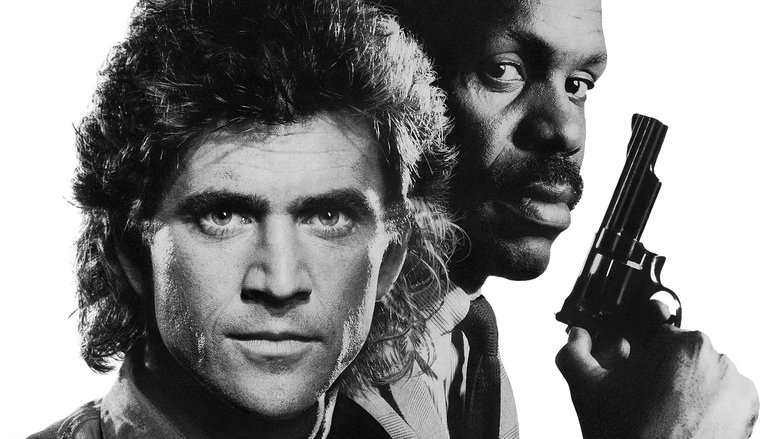
Lethal Weapon
1987
-
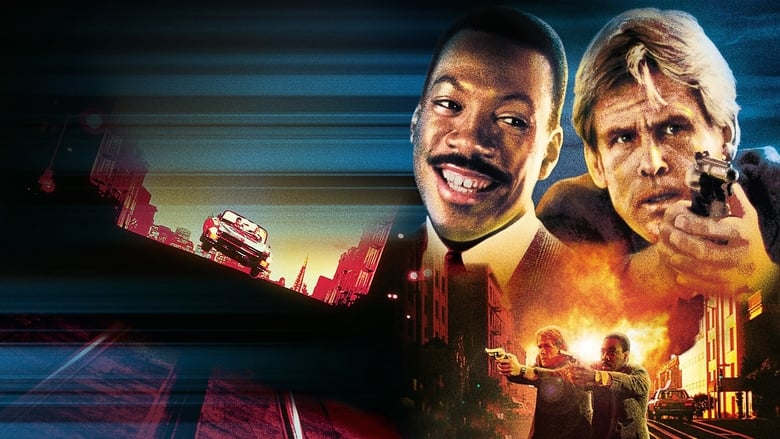
Another 48 Hrs.
1990
-
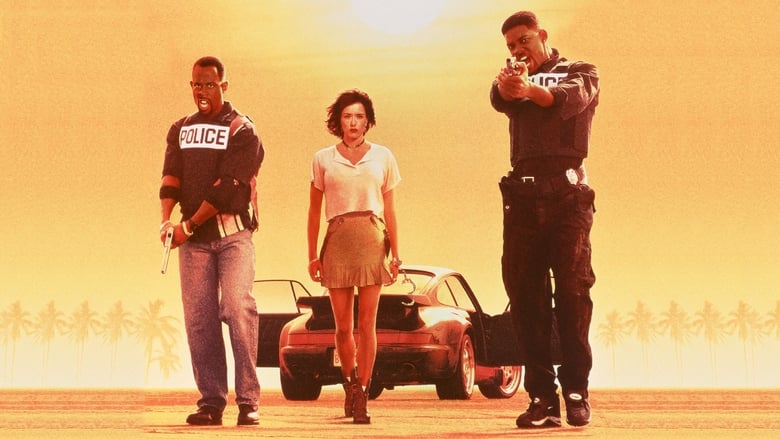
Bad Boys
1995
-
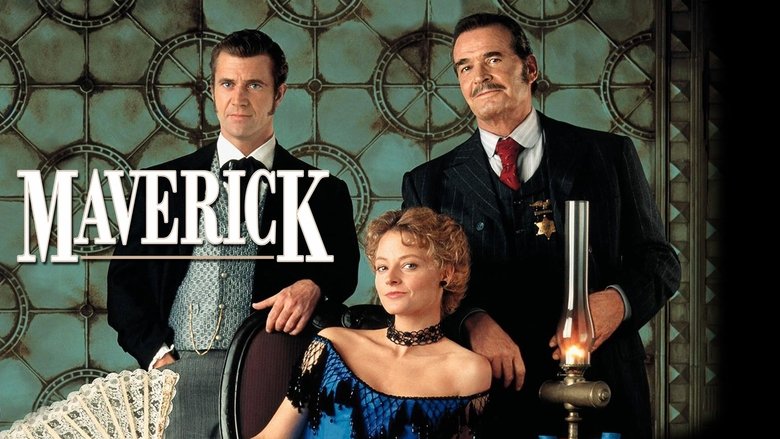
Maverick
1994
-

RED
2010
-
Assassins
1995
-
Rumble in the Bronx
1995
-
Conspiracy Theory
1997
-
Shoot 'Em Up
2007
-
Stand Up Guys
2012
-
Bird on a Wire
1990
-
Smokin' Aces
2006
-
The Guard
2011
-
RED 2
2013
-
Rush Hour
1998
-
Pineapple Express
2008
-

21 Jump Street
2012
-
The Heat
2013