Malcolm X
"A titan’s journey from the street to the soul."
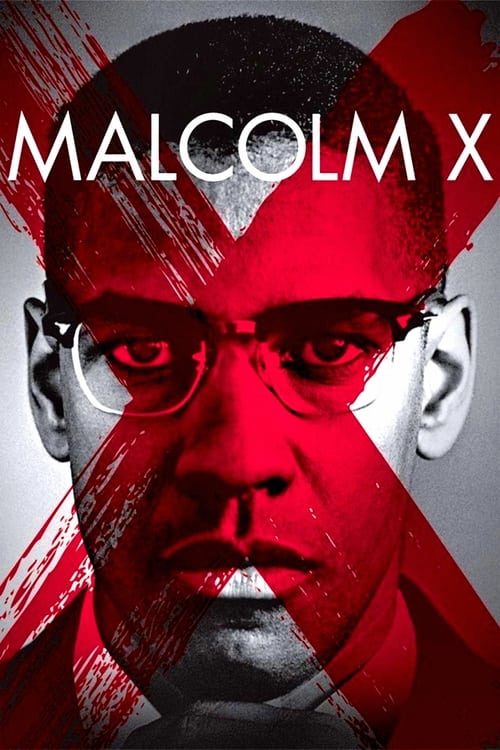
The first thing you see isn't Malcolm; it’s an American flag burning into the shape of an "X" while the brutal footage of the Rodney King beating loops over the credits. It’s an opening salvo that tells you exactly where Spike Lee was mentally in 1992. He wasn't just making a biopic; he was trying to capture the lightning of a revolution and bottle it in a 202-minute epic.
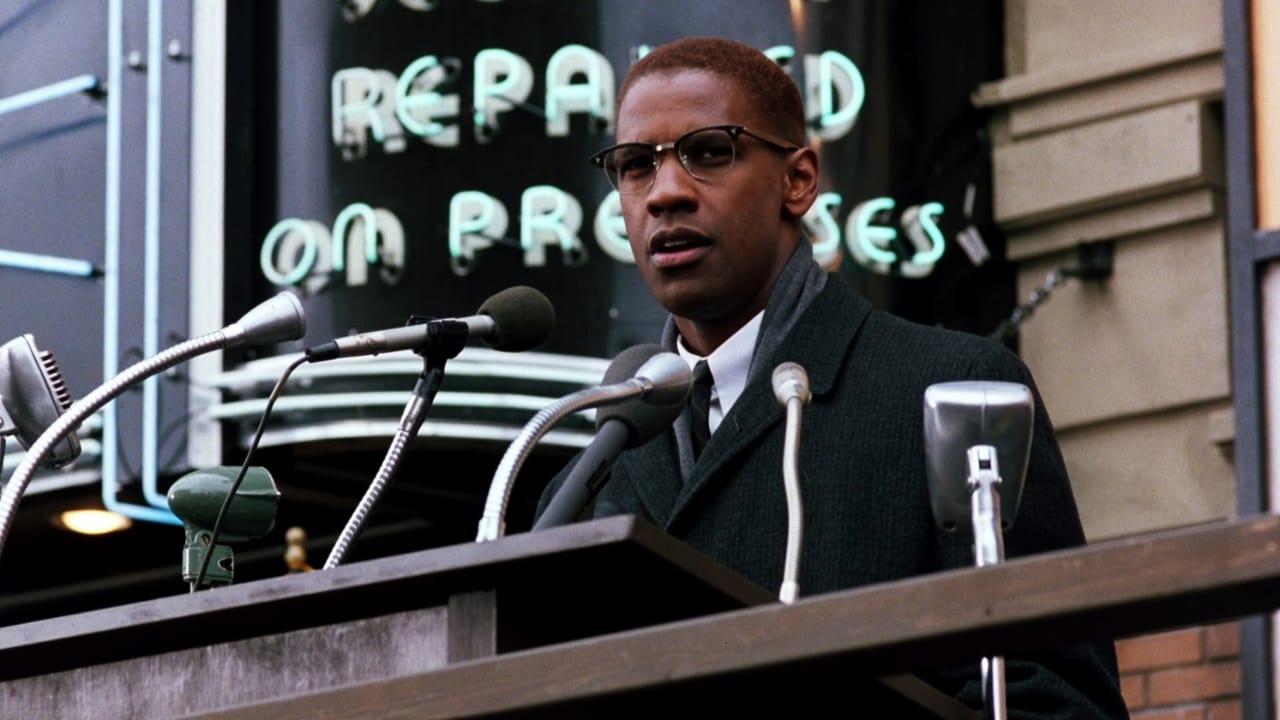
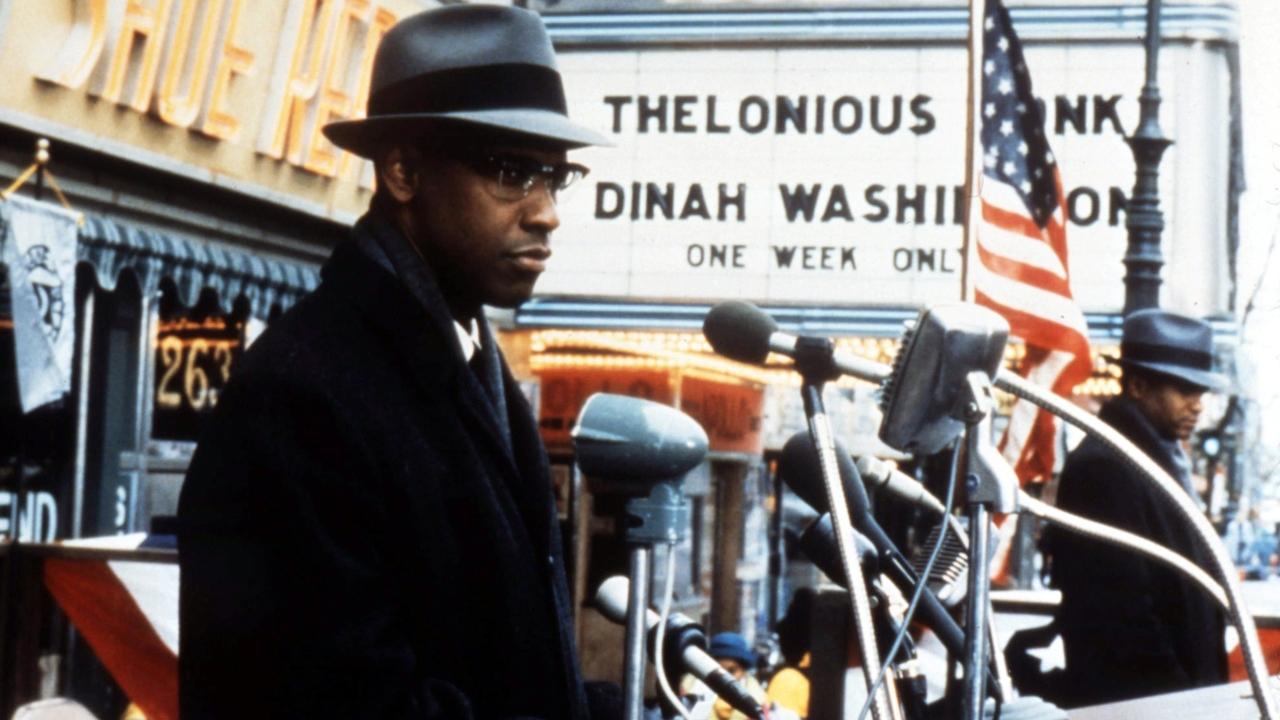
Back in the early '90s, this wasn't just a movie release—it was a cultural event. I remember seeing "X" hats everywhere, a piece of branding that managed to be both a fashion statement and a political manifesto. Yet, looking back at it now through our current lens of streamlined, two-hour streaming biopics, Malcolm X feels like a massive, defiant dinosaur. It’s big, it’s loud, and it refuses to hurry. The three-hour runtime isn't an ego trip; it’s a necessity. You can't understand the man who stood at the podium in 1964 without first understanding the man who was bleaching his hair and dodging bullets in 1940.
The Triple Life of Malcolm Little
The film is essentially three distinct movies stitched together by the sheer force of Denzel Washington’s charisma. The first hour is a vibrant, neon-soaked jazz dream. We follow "Detroit Red," a zoot-suited hustler dancing through the streets with Shorty (played with a frantic energy by Spike Lee himself). It’s easy to forget how much fun this part of the movie is, but it’s crucial. Lee uses the cinematography of Ernest R. Dickerson to make the underground clubs feel like the only places on Earth where a Black man could breathe.
Then the lights go out. The prison segment is where the film's philosophical engine starts humming. This is where Malcolm meets Baines (Albert Hall), a composite character who introduces him to the Nation of Islam. Watching Denzel Washington transition from a jittery, drug-addled convict to a disciplined, steel-spined intellectual is one of the greatest feats of acting ever caught on celluloid. He doesn't just change his clothes; his entire skeletal structure seems to realign.
I watched this recently while my neighbor was power-washing their driveway for four straight hours, and the rhythmic drone outside weirdly synced up with the prison scenes, creating this unintended, industrial ambient score that made the transformation feel even more clinical and inevitable.
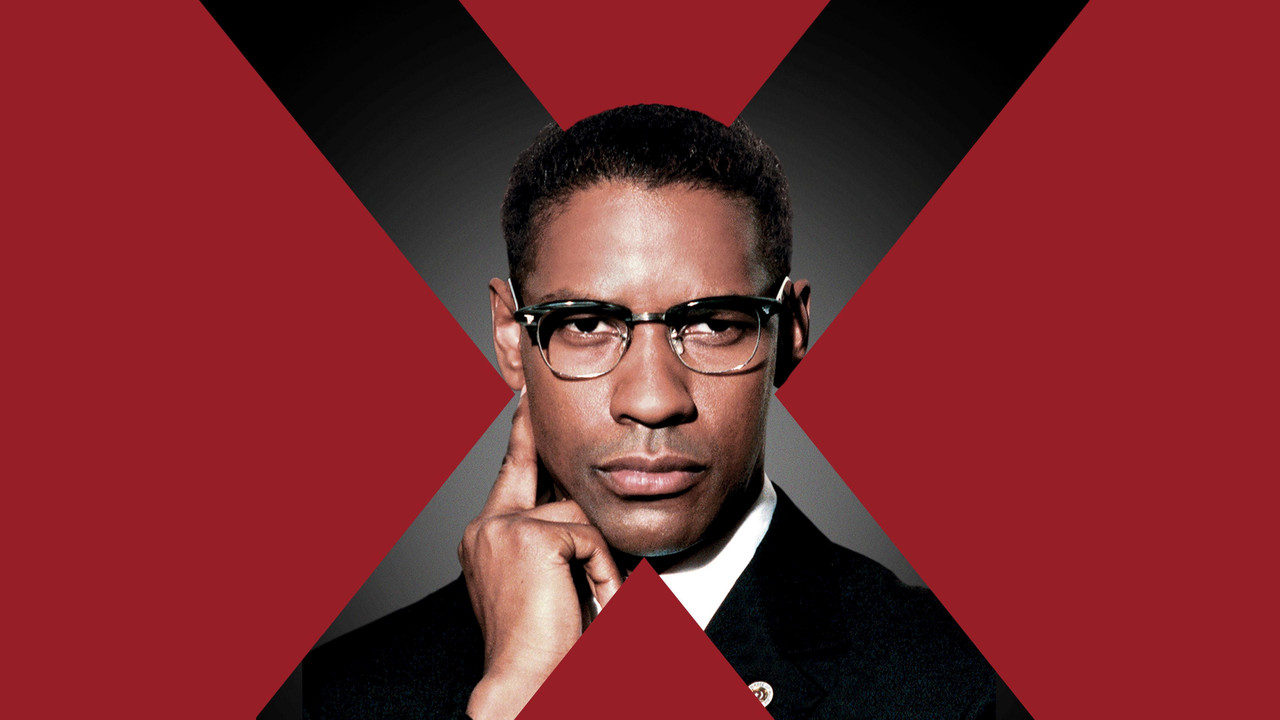
Denzel’s Transcendence and the Nation
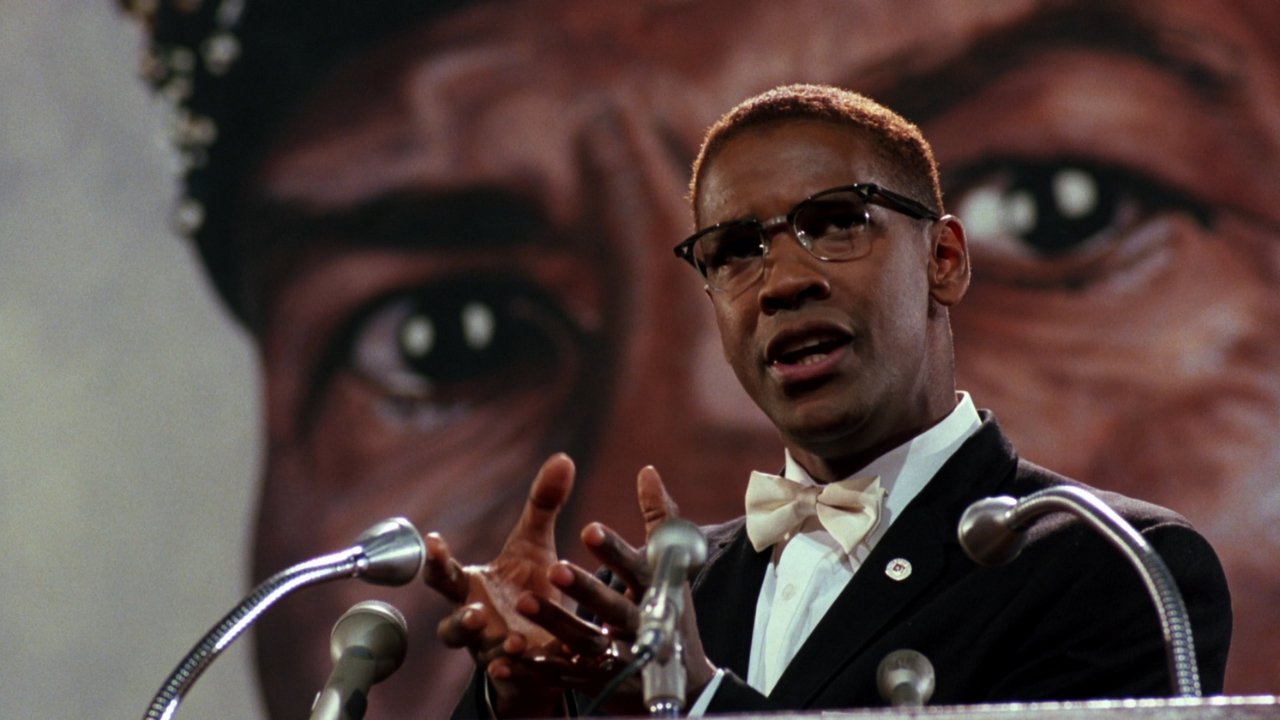
By the time we hit the third act, the film shifts into a political thriller. This is where we see the "Minister Malcolm" the world remembers—the man of sharp suits and sharper rhetoric. Denzel Washington captures the cadence of the real Malcolm X so perfectly that the archival footage at the end of the film feels like a continuation of the performance rather than a departure from it.
But a leader is nothing without the people around him. Angela Bassett is luminous as Betty Shabazz. While many biopics relegate the "wife" character to a series of worried phone calls, Bassett brings a quiet, simmering strength that provides the film's emotional anchor. And we have to talk about Al Freeman Jr. as Elijah Muhammad. He plays the leader of the Nation of Islam with a fragile, whispering menace that makes the eventual fracture between him and Malcolm feel like a Shakespearean tragedy.
Most modern biopics are just Wikipedia entries with better lighting; this is an actual soul-search. Lee pushes the camera right into the actors' faces, letting the dialogue breathe in a way that contemporary editors, terrified of losing the audience's attention, rarely allow.
The Legacy of the "X"
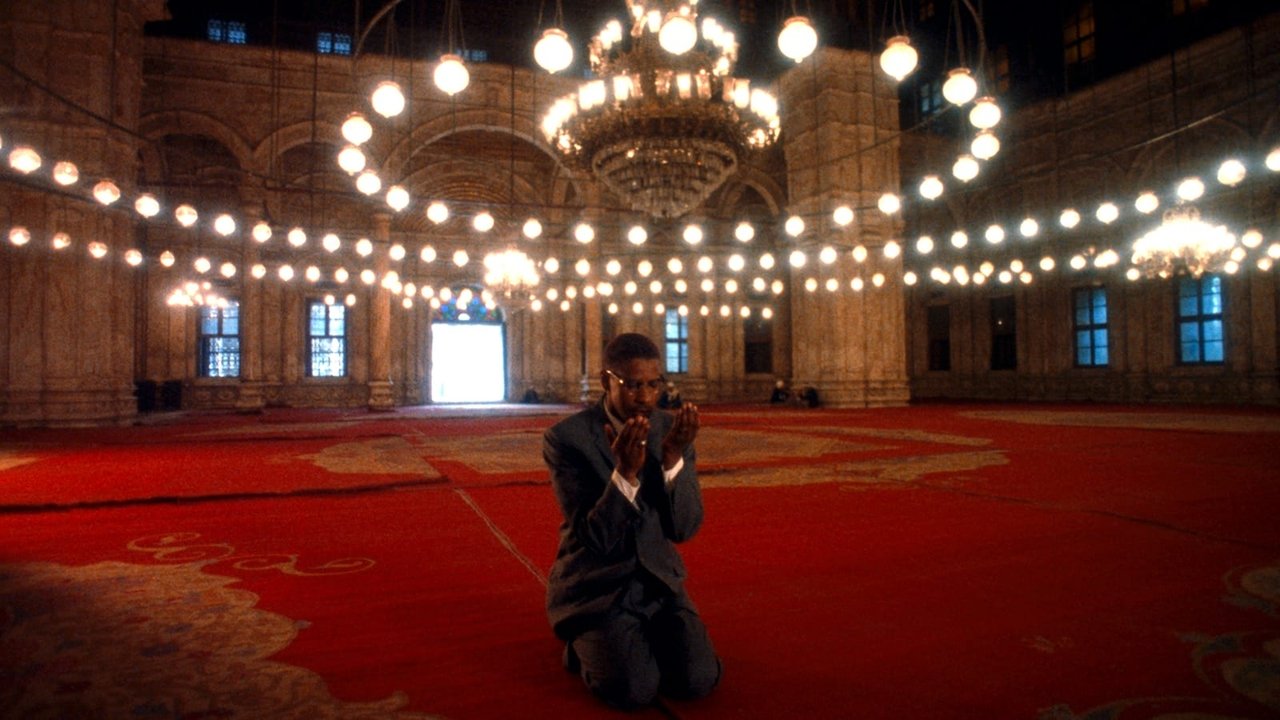
Looking back at this film in the "post-everything" era, its technical mastery still holds up. This was before the CGI revolution fully took hold, so when you see thousands of people in the streets or the sweeping vistas of Mecca, you’re seeing real scale. The Mecca sequence, in particular, is a stunning shift in the film's visual language. The harsh, contrasting shadows of New York give way to a soft, golden light that reflects Malcolm’s internal shift toward universal brotherhood.
Is it too long? For some, maybe. But Spike Lee knew that to understand the assassination at the Audubon Ballroom, we had to earn it. We had to live through the zoot suits, the prison bars, and the desert sun. By the time the ending arrives, it doesn't feel like a historical fact; it feels like a personal loss. It’s a towering achievement of 90s cinema that reminds us what happens when a director is given the resources to be truly, unapologetically ambitious.
Malcolm X is more than a biography; it’s a masterclass in how to film a human soul in flux. It captures a specific moment in the 1990s when the indie spirit of the "Sundance Generation" met the scale of a Hollywood epic and actually won. If you have the afternoon to spare, give it to Denzel. He earns every single second of it.
Keep Exploring...
-

Do the Right Thing
1989
-
Selena
1997
-

Inside Man
2006
-

The Diving Bell and the Butterfly
2007
-
The Doors
1991
-
Alive
1993
-

Quiz Show
1994
-
Amistad
1997
-
BlacKkKlansman
2018
-
My Cousin Vinny
1992
-

A Little Princess
1995
-
Coach Carter
2005
-
Apocalypto
2006
-
Dallas Buyers Club
2013
-

In the Name of the Father
1993
-
Crimson Tide
1995
-
Finding Forrester
2000
-
Remember the Titans
2000
-
25th Hour
2002
-
Confessions of a Dangerous Mind
2002